The collection is particularly rich in French, Italian and Spanish Baroque painting, Dutch and Flemish art, and British portraits from the Tudor period to the nineteenth century. Rembrandt, Rubens, Van Dyck, Poussin, Canaletto and Gainsborough form its essential backbone.
Collection highlights
- Rembrandt — Girl at a Window: intimate, psychologically elusive and one of the Gallery’s defining works.
- Rembrandt — Jacob III de Gheyn: a small portrait with a remarkable history of theft and recovery.
- Nicolas Poussin — The Triumph of David: classical order transformed into movement, ceremony and spectacle.
- Canaletto’s Venetian views: particularly rewarding in relation to Soane’s controlled architectural spaces.
- Gainsborough’s portraits: elegant demonstrations of pose, fabric and social performance.
- Van Dyck and Rubens: court portraiture and Baroque theatricality at a scale that suits Dulwich’s rooms.

Dulwich Picture Gallery is widely regarded as the world’s first purpose-built public art gallery. North Dulwich has direct trains from London Bridge; West Dulwich is served from London Victoria. Both stations are approximately ten minutes away on foot. The P4 bus stops beside the Gallery.
About the venue
About
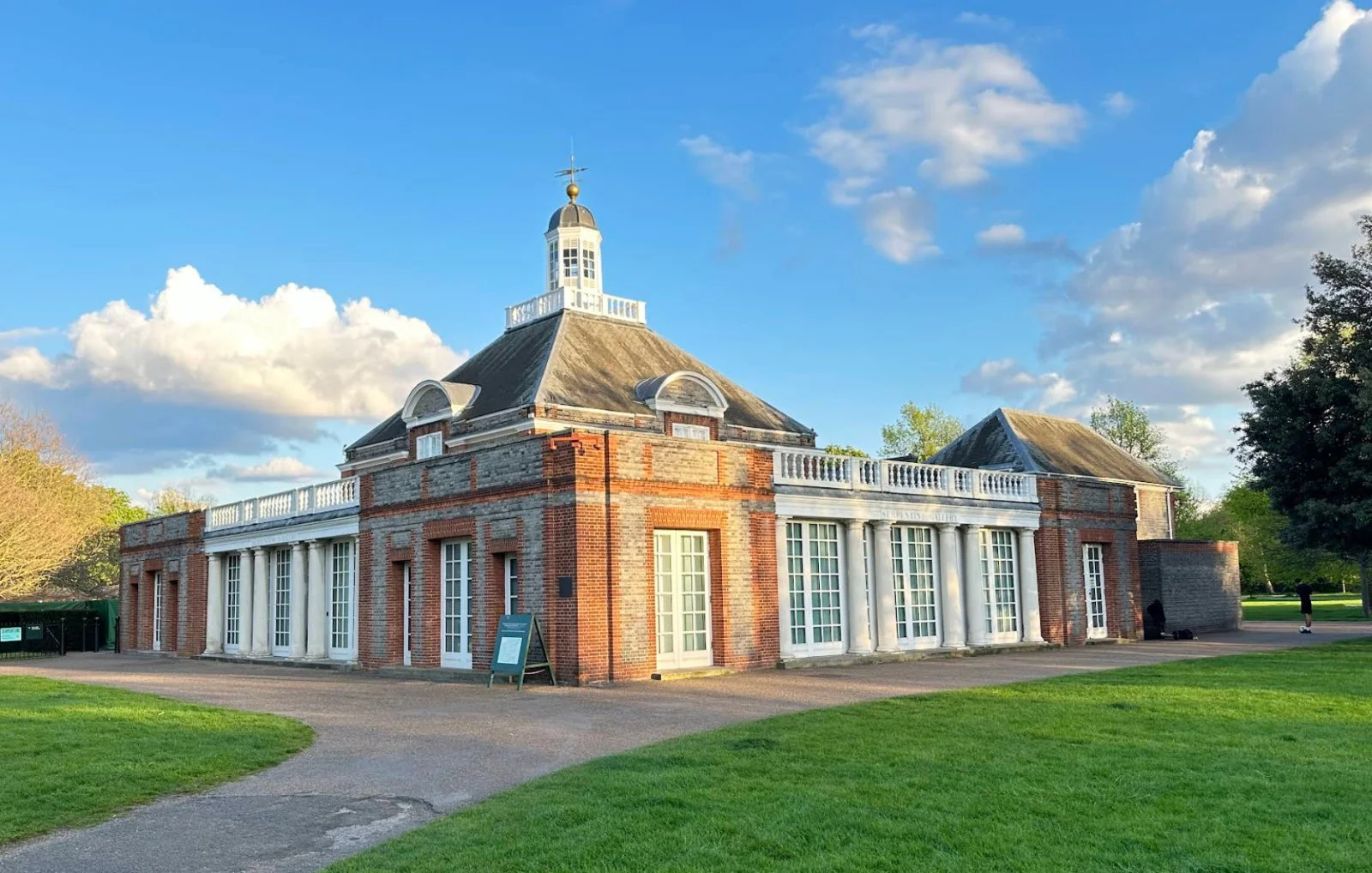
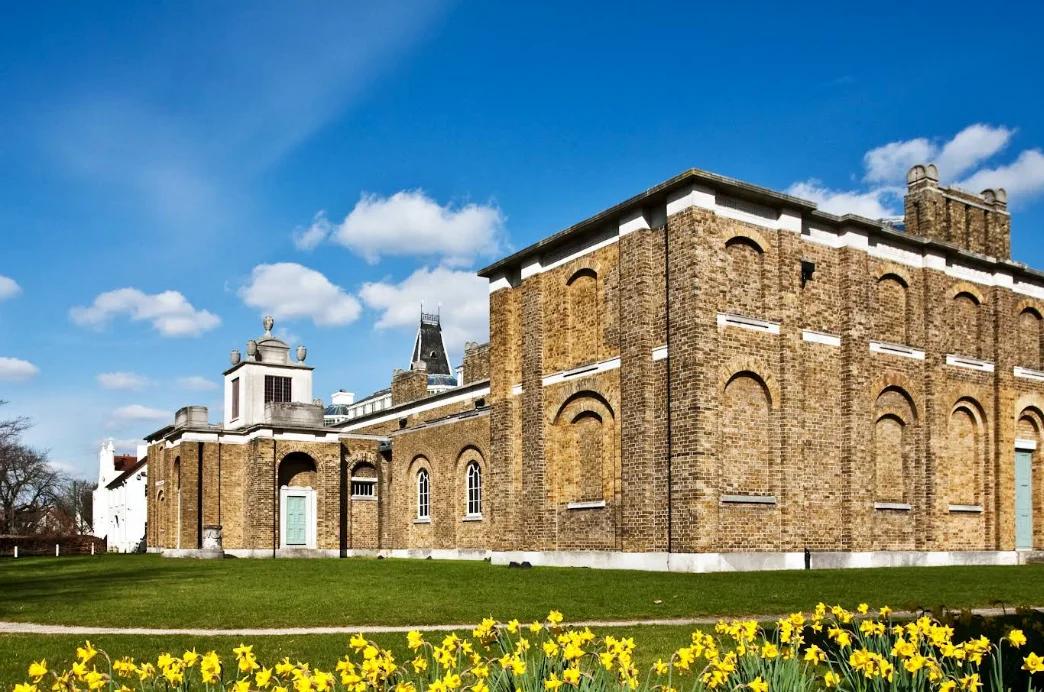
Sir John Soane designed the building after Bourgeois left funds for a permanent gallery, a mausoleum for the founders and associated almshouses. Construction began in 1811 and the museum opened in 1817.
The exterior uses economical London stock brick, punctuated by Portland stone. Inside, five original rooms are connected by arches and illuminated by roof lanterns. The design maximises usable wall space while avoiding direct light on the paintings—an approach that became profoundly influential.
Do not overlook the mausoleum. Its amber glazing, compact geometry and funerary symbolism turn it into one of Soane’s most haunting small interiors. The Gallery’s architectural history is worth reading before visiting.
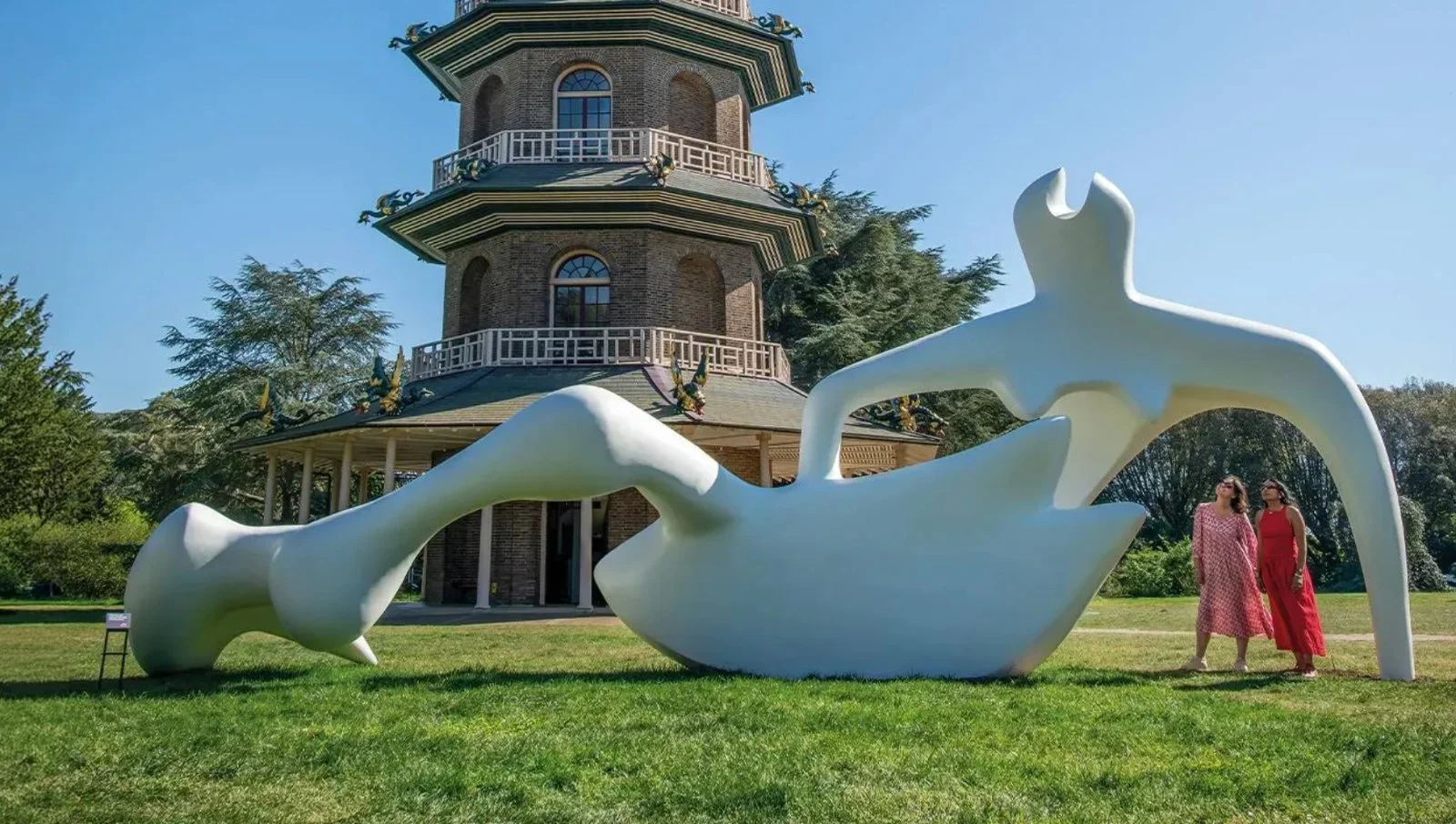
Outside, the free Sculpture Garden introduces contemporary works into the historic setting. Families can also book the ArtPlay Pavilion, a sensory play environment inspired by paintings in the collection and intended primarily for children under eight.
Worth the trip
Dulwich Picture Gallery combines three experiences unusually well: a concentrated Old Master collection, an architectural landmark and an exhibition programme capable of producing genuine London highlights.
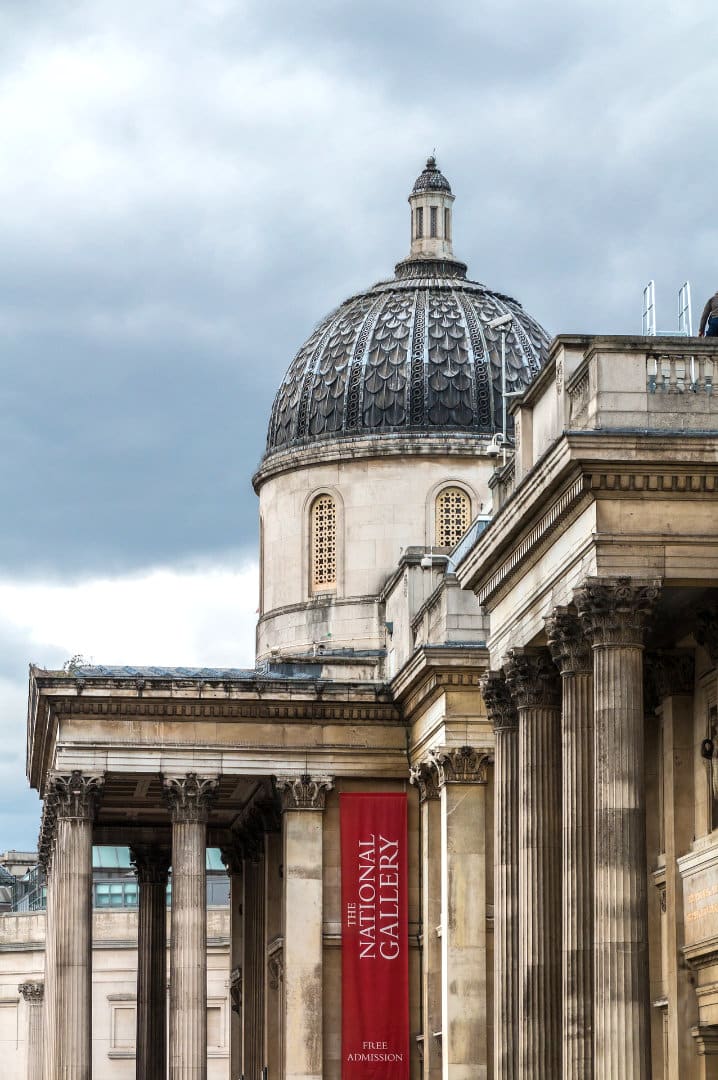
It is considerably smaller than the National Gallery or Tate Britain. That is part of its appeal. You can look slowly, understand the rhythm of the rooms and retain a clear memory of individual paintings rather than emerging exhausted from an encyclopaedic collection.
© Dulwich Picture Gallery
Dulwich Picture Gallery
Nearby route ideas
Old Masters, murals and contemporary Peckham
Dulwich Picture Gallery → Dulwich Outdoor Gallery → South London Gallery
Begin with the paintings at Dulwich, then encounter their afterlives in the neighbourhood’s street art. The Dulwich Outdoor Gallery invited artists to create murals responding to works in the Picture Gallery, producing an unusually direct conversation between Baroque imagery and contemporary urban culture.
Continue towards Peckham for the South London Gallery, whose exhibitions bring contemporary and emerging practices into Victorian and converted civic spaces.
Allow: half a day.
Best for: visitors interested in productive contrasts between historic collections, street art and contemporary practice.
Art, landscape and the Horniman
Dulwich Picture Gallery → Dulwich Park → Horniman Museum and Gardens
After the Gallery, cross into Dulwich Park for a visual reset among mature trees, water and open landscape. Continue by bus or a longer walk towards Forest Hill and the Horniman Museum and Gardens.
The Horniman broadens the afternoon from painting into anthropology, natural history, musical instruments and garden design. It is an especially natural combination for families using the ArtPlay Pavilion, but its collections are substantial enough to reward adults travelling without children.
Allow: half to full day.
Best for: families, garden lovers and visitors who prefer a varied cultural itinerary to a second painting collection.
On show now