
Step into the tender, confessional world of Tracey Emin
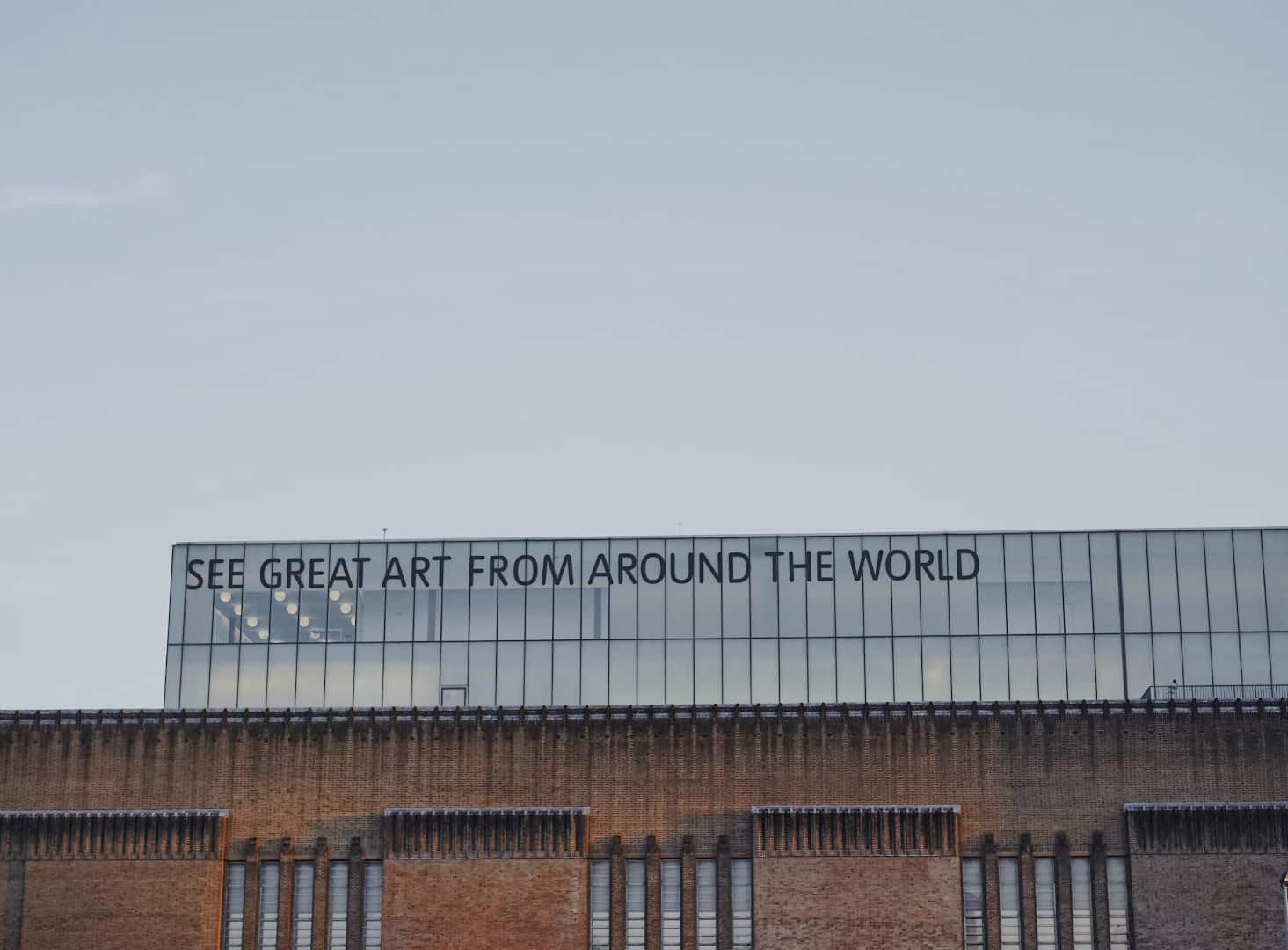
Tate Modern London
Art Installation...
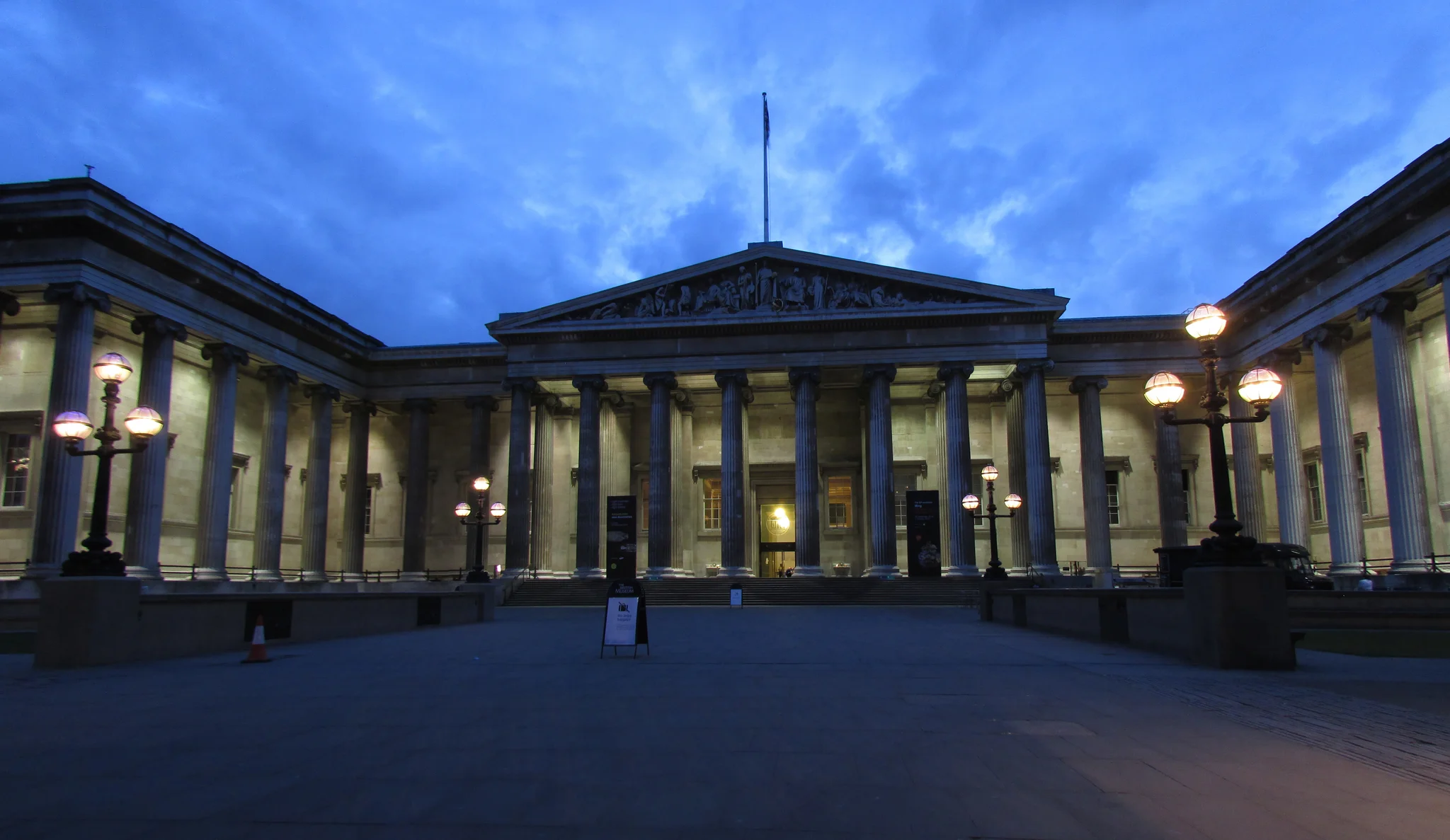
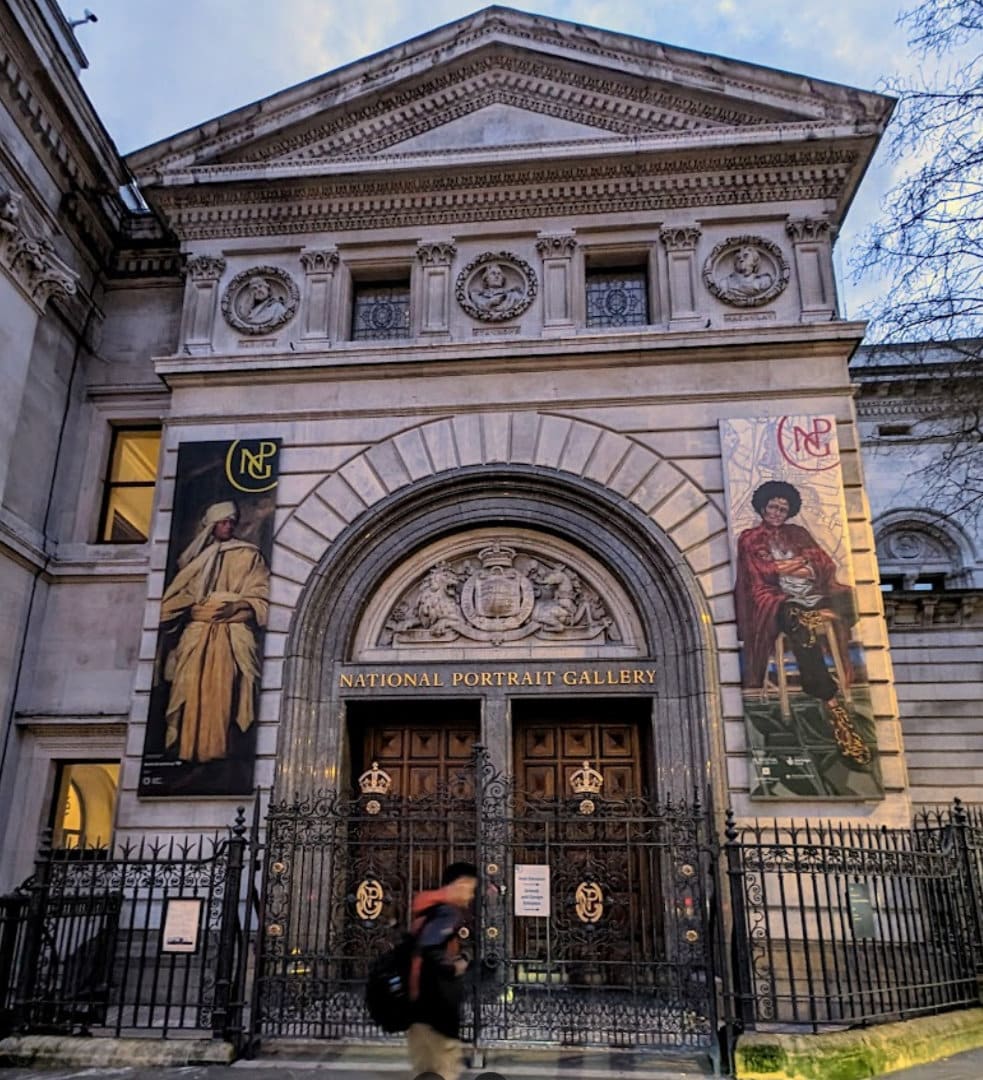
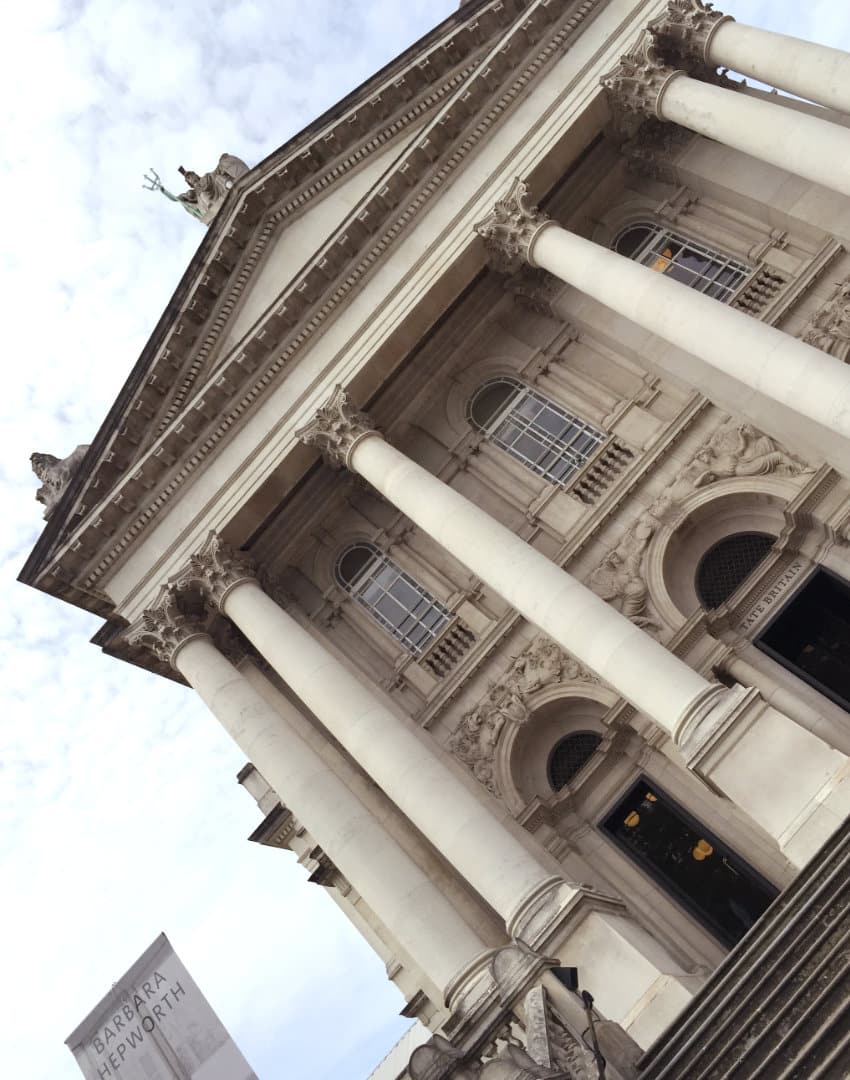
London is an art destination in United Kingdom with 56+ museums and galleries — including British Museum, National Portrait Gallery London and Tate Britain — and 24 exhibitions currently on view.
London is a city where art never sits still — Old Masters, radical contemporary art, global museums, blue-chip galleries and experimental spaces collide across one restless capital.
What makes it a destination for art lovers
London is worth the trip because it is one of the most complete art cities in the world. You can start with historical painting at the National Gallery, move on to global cultures at the British Museum, cross the river to Tate Modern, explore design at the V&A, and end the day at a Mayfair gallery, an East London project space, or a contemporary institution in South London.
Its strength does not lie in a single museum district. London's art scene is distributed: Trafalgar Square, South Bank, South Kensington, Mayfair, East London, Bermondsey, and Regent’s Park all offer different versions of the city's cultural identity.
Late spring is excellent for gallery energy, especially around London Gallery Weekend in June. Autumn is the strongest moment for the art market, with Frieze London, Frieze Masters, and Frieze Sculpture turning the city into one of the global hubs of contemporary art in October.
London is one of the world's essential art cities. It is not the easiest city to reduce to a simple route, but that is what makes it powerful. London offers you the museum, the gallery, the market, the archive, the studio, the fair, the public installation, and the underground scene, all in one city.
Come for the National Gallery, Tate Modern, the V&A, Frieze, or London Gallery Weekend. Stay because London makes art feel like a living system: immense, contradictory, brilliant, and ever-changing.
Art in London
London matters because it is not just one city of art; it is many overlapping cities of art. It has the scale of a global capital, the archival density of a museum, the energy of a market city, and the tension of a place that is constantly rebuilding itself.
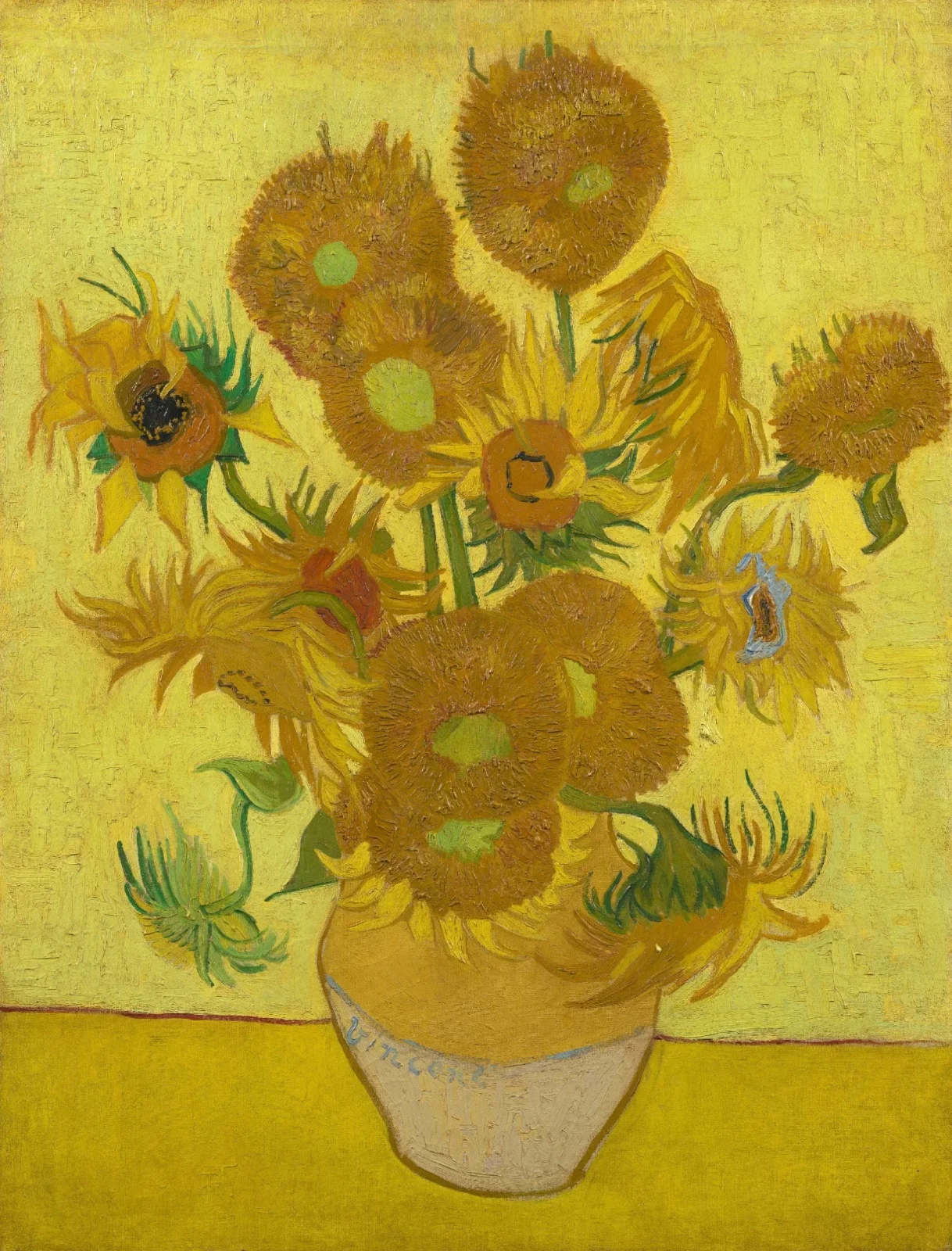
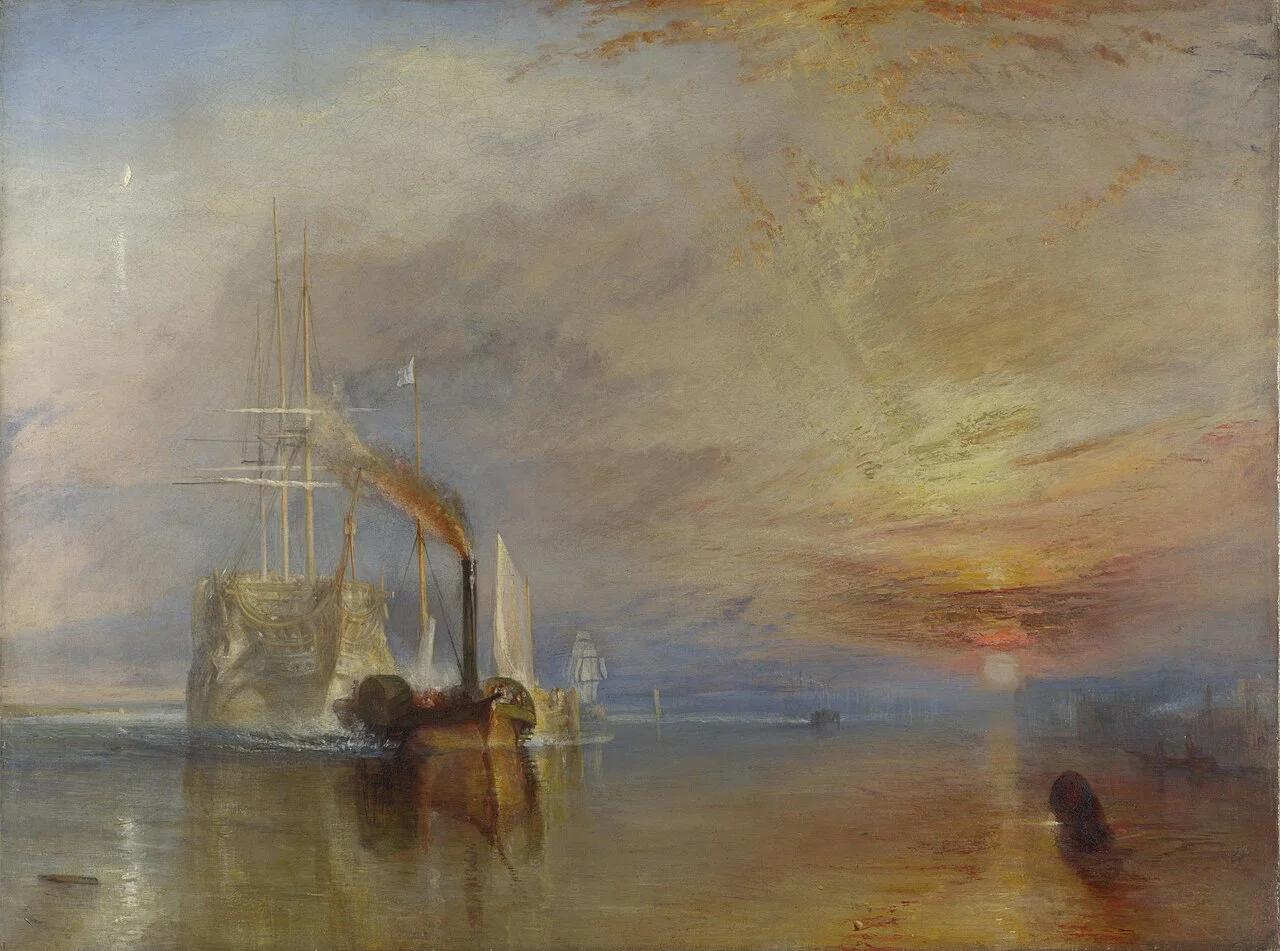
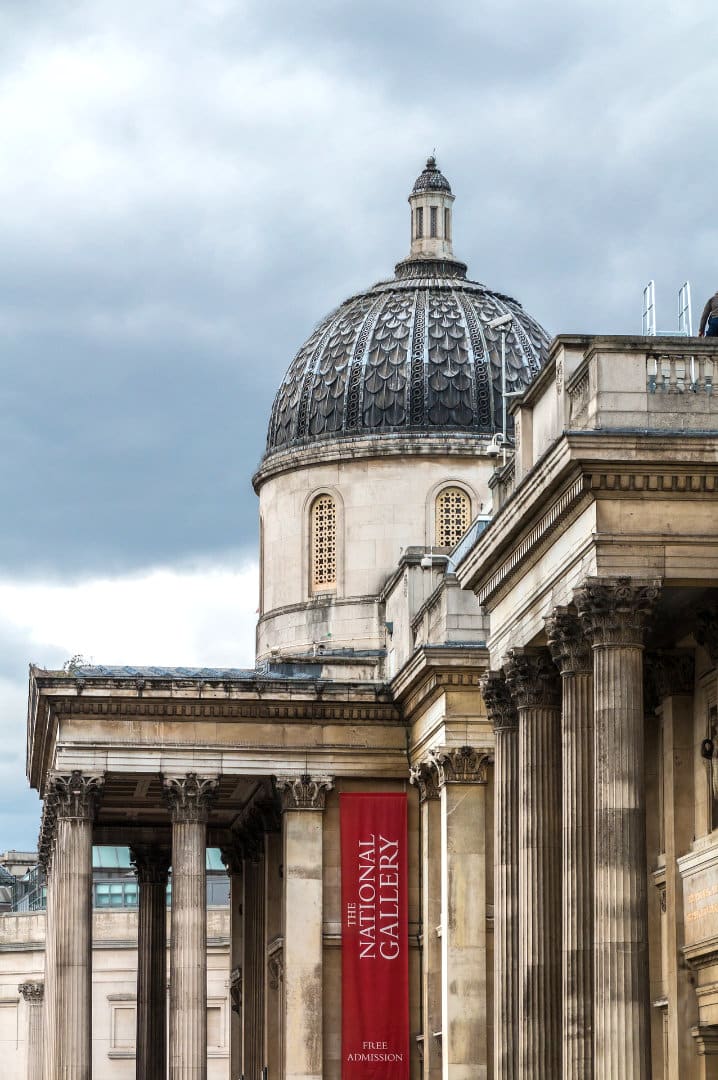
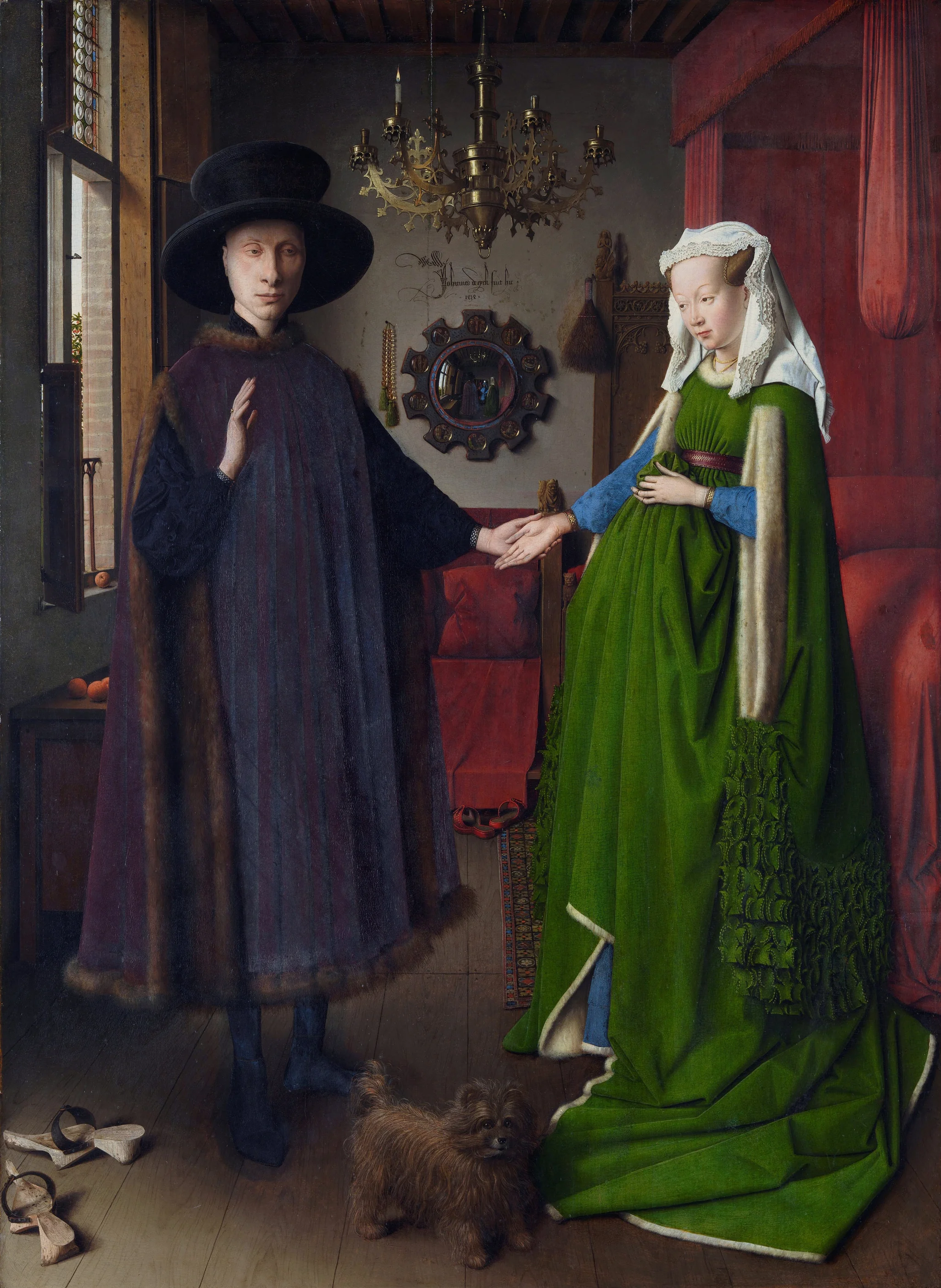
The National Gallery’s collection contains more than 2,400 works, including major paintings such as Van Eyck’s Arnolfini Portrait, Velázquez’s Rokeby Venus, Turner’s Fighting Temeraire and Van Gogh’s Sunflowers. Tate holds the UK’s national collection of British art from 1500 to the present day and international modern and contemporary art.
Nearby, the National Portrait Gallery adds the faces, myths, and power structures of British history. The Royal Academy of Arts provides London with another key institutional layer, especially for its major exhibitions and the long-running Summer Exhibition.
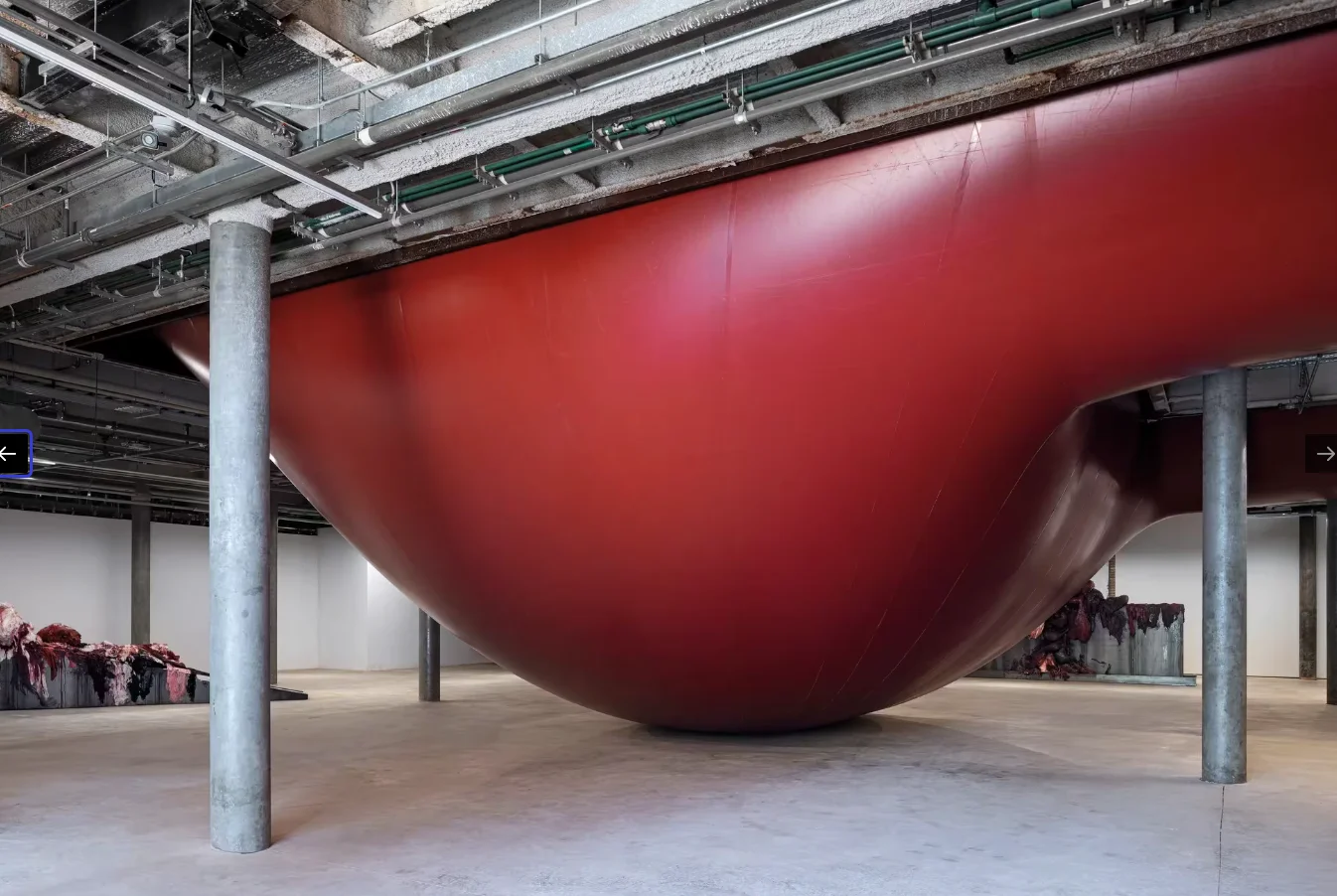
Across the river, Tate Modern turns modern and contemporary art into an architectural experience. Housed in the former Bankside Power Station, it presents modern and contemporary art from around the globe, and its Turbine Hall remains one of the great spaces for understanding art as scale, installation, and public encounter.
London also possesses one of the world's great cultures of design and objects. The V&A describes itself as a family of museums dedicated to the power of creativity, and its South Kensington home anchors an area where art, design, fashion, architecture, and material culture converge. The British Museum, meanwhile, frames London as a city of global collections, with objects and stories from around the world.
But London’s true power for art lovers lies in what happens beyond the famous museums. Mayfair provides blue-chip galleries and the art market. East London offers younger spaces, artist-driven energy, and sharper contemporary voices. Bermondsey connects major contemporary institutions with design, gastronomy, and industrial warehouse culture. South London has its own strong rhythm through institutions like the South London Gallery and local project spaces.
London isn't always easy. It’s large, expensive, and fragmented. But for art travelers, that fragmentation is exactly the point: each area offers a different version of art: official, commercial, experimental, historical, global, local, polished, raw. London is not a list of things to see. It is an art ecosystem.
When to travel to London for art lovers
Best season: May – June · September – October
Late spring is excellent for gallery energy, especially around London Gallery Weekend in June. Autumn is the strongest art-market moment, with Frieze London, Frieze Masters and Frieze Sculpture turning the city into one of the global centres of contemporary art.
Artlovers Tip:
Do not try to “do London art” in one day. Choose one cultural area per day: South Bank for Tate Modern, Trafalgar Square for the National Gallery, South Kensington for design and museums, Mayfair for galleries, or East London for a more experimental route.
Links we trust
Keep exploring

Art Districts