![Frida Kahlo (Mexican, 1907–1954), Untitled [Self-portrait with thorn necklace and hummingbird], 1940. Oil on canvas mounted to board.](https://d2a70djyk9d5xr.cloudfront.net/exhibitions/frida-kahlo-tate-modern-london/frida-kahlo-1.webp)
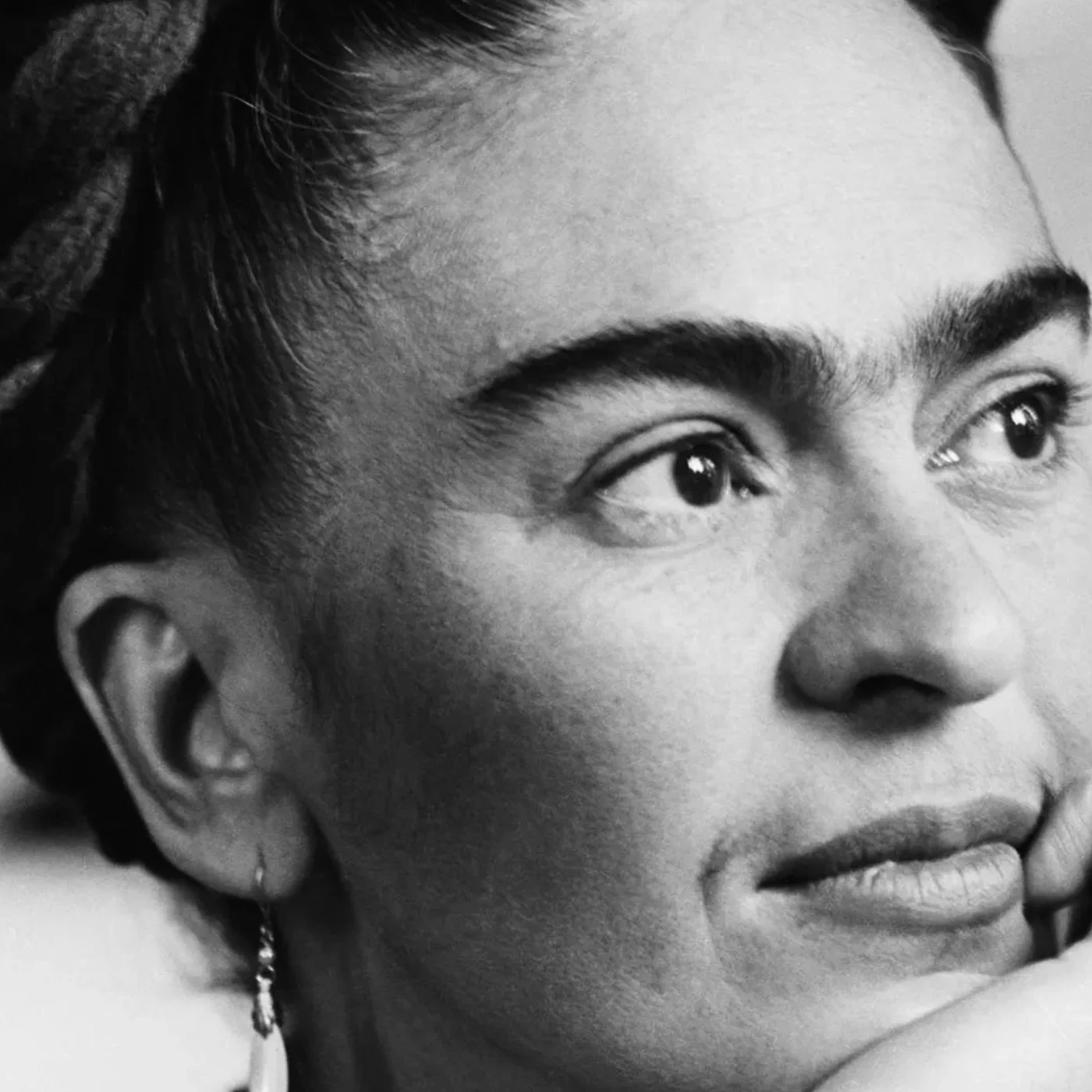
Frida Kahlo didn’t just paint herself. She built an image so powerful that the world is still trying to understand it.

Inside the exhibition
Come and explore the incredible journey of Frida Kahlo. We all know her face, but how did she become a global superstar and one of the most loved artists in history? Frida: The Making of an Icon takes you behind the scenes to meet the woman behind the legend.
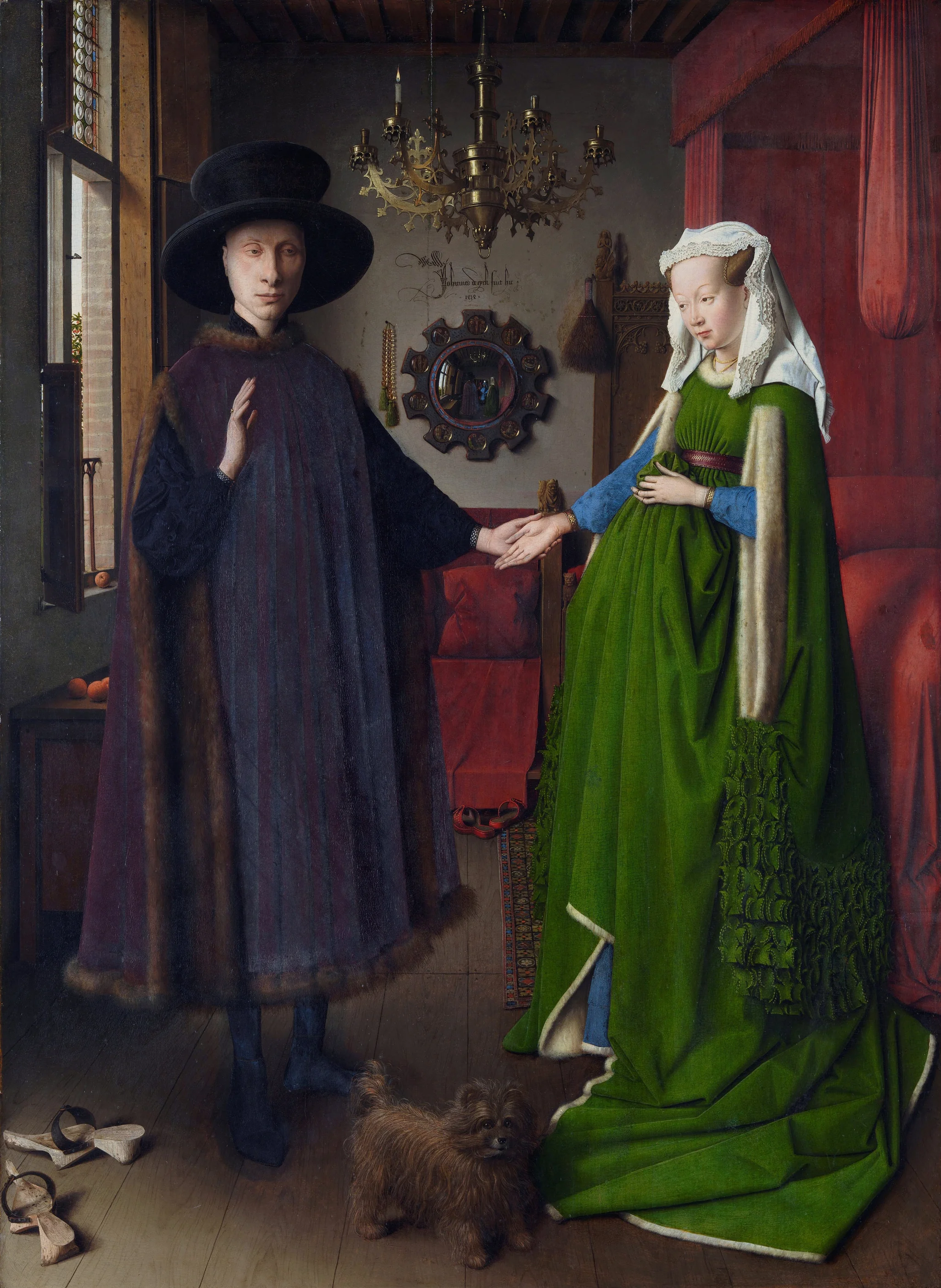
Frida: The Making of an Icon explores how Frida Kahlo became much more than a painter: an artist, a symbol, a feminist reference, a cultural brand, and a figure constantly reinterpreted across generations.
You’re watching:
- Frida’s own artworks and self-portraits
- Personal objects, garments, jewellery and memorabilia connected to her public image
- The construction of Frida as artist, intellectual, activist and icon
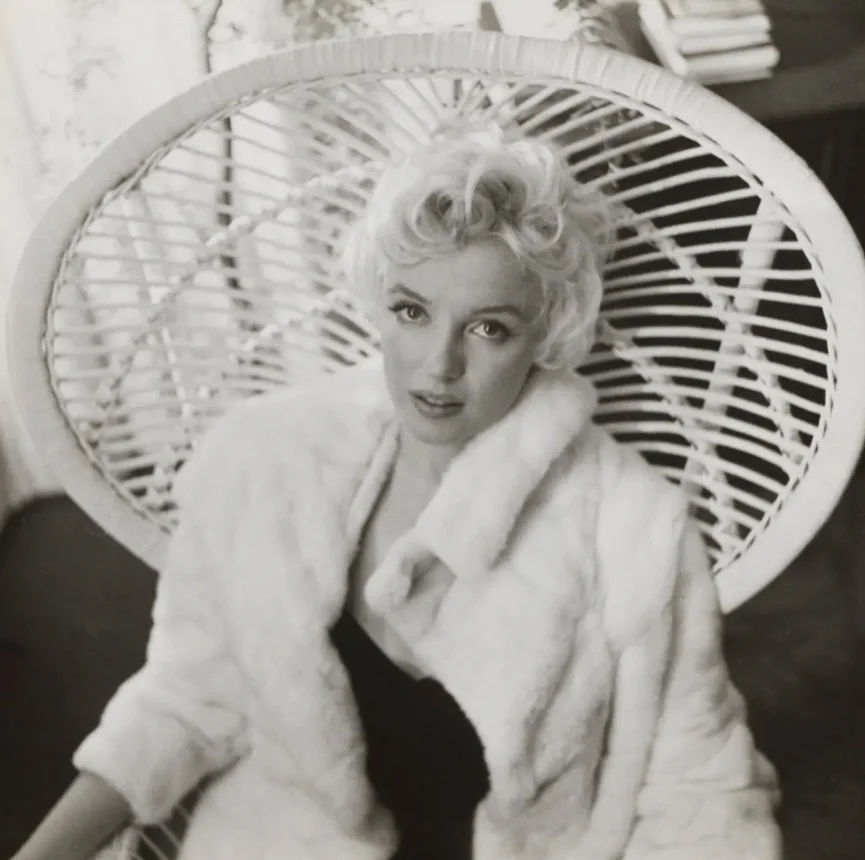
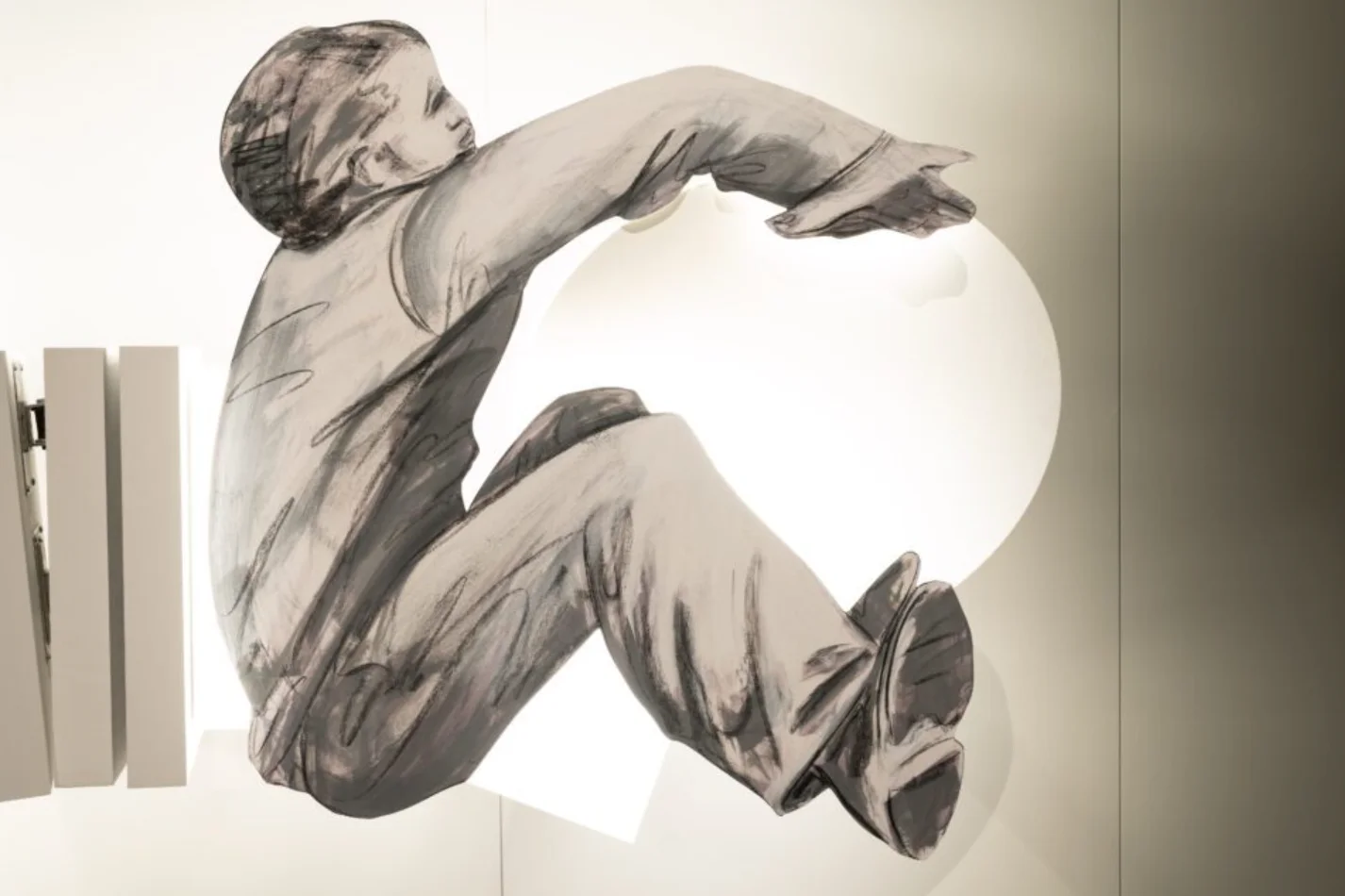
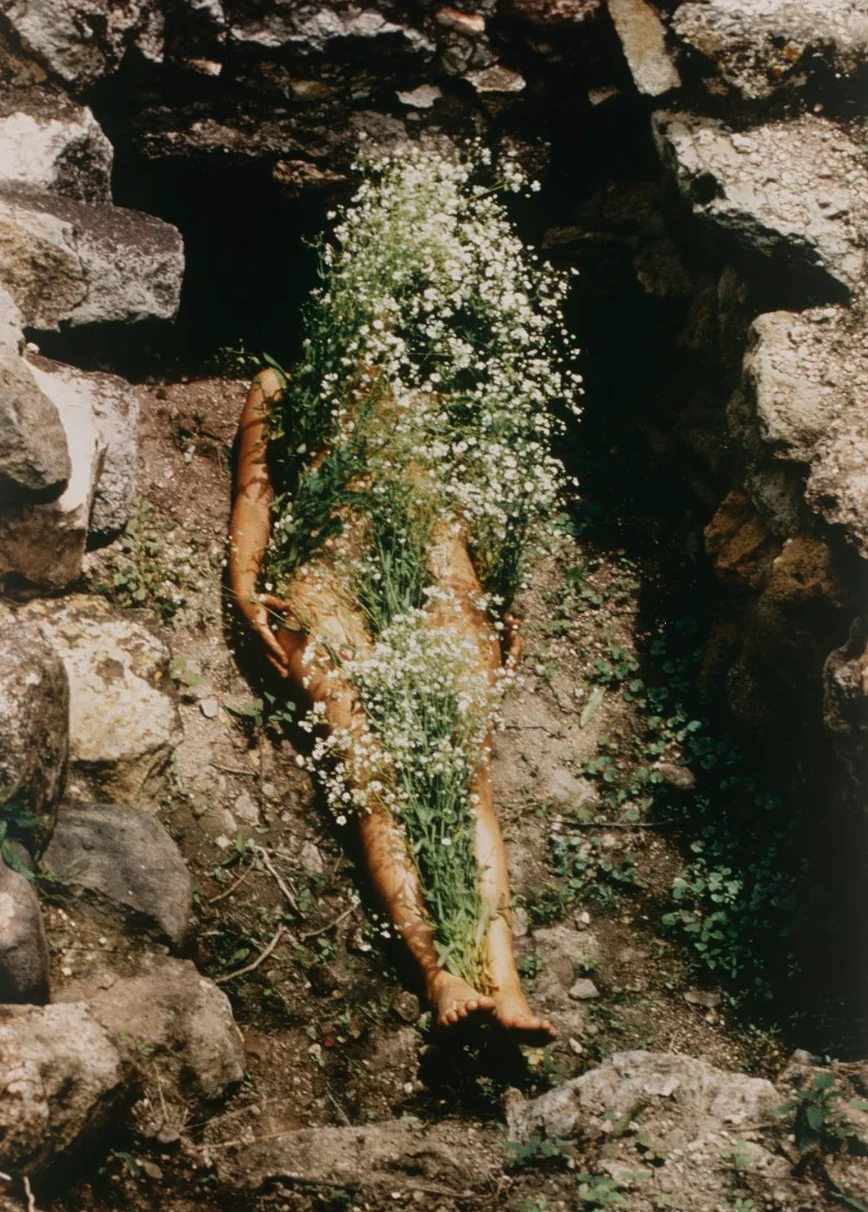
- Works by later artists influenced by her identity, aesthetic and legacy
- The tension between the real woman and the image the world has made from her
The exhibition brings together more than 130 works and materials, including Kahlo’s self-portraits, personal belongings and responses by artists shaped by her influence.
Worth travelling for?
Modern Mexican art, self-portraiture, Surrealist-adjacent imagery, political symbolism, personal mythology, fashion, identity and visual culture.
Yes — especially if you want to understand why Frida still matters now.
Frida’s image is everywhere: T-shirts, posters, tattoos, murals, exhibitions, activism, fashion, social media. But this show asks a more interesting question: how did that happen? How did a painter once known within specific artistic circles become a global symbol of resilience, identity, pain, beauty and self-invention?
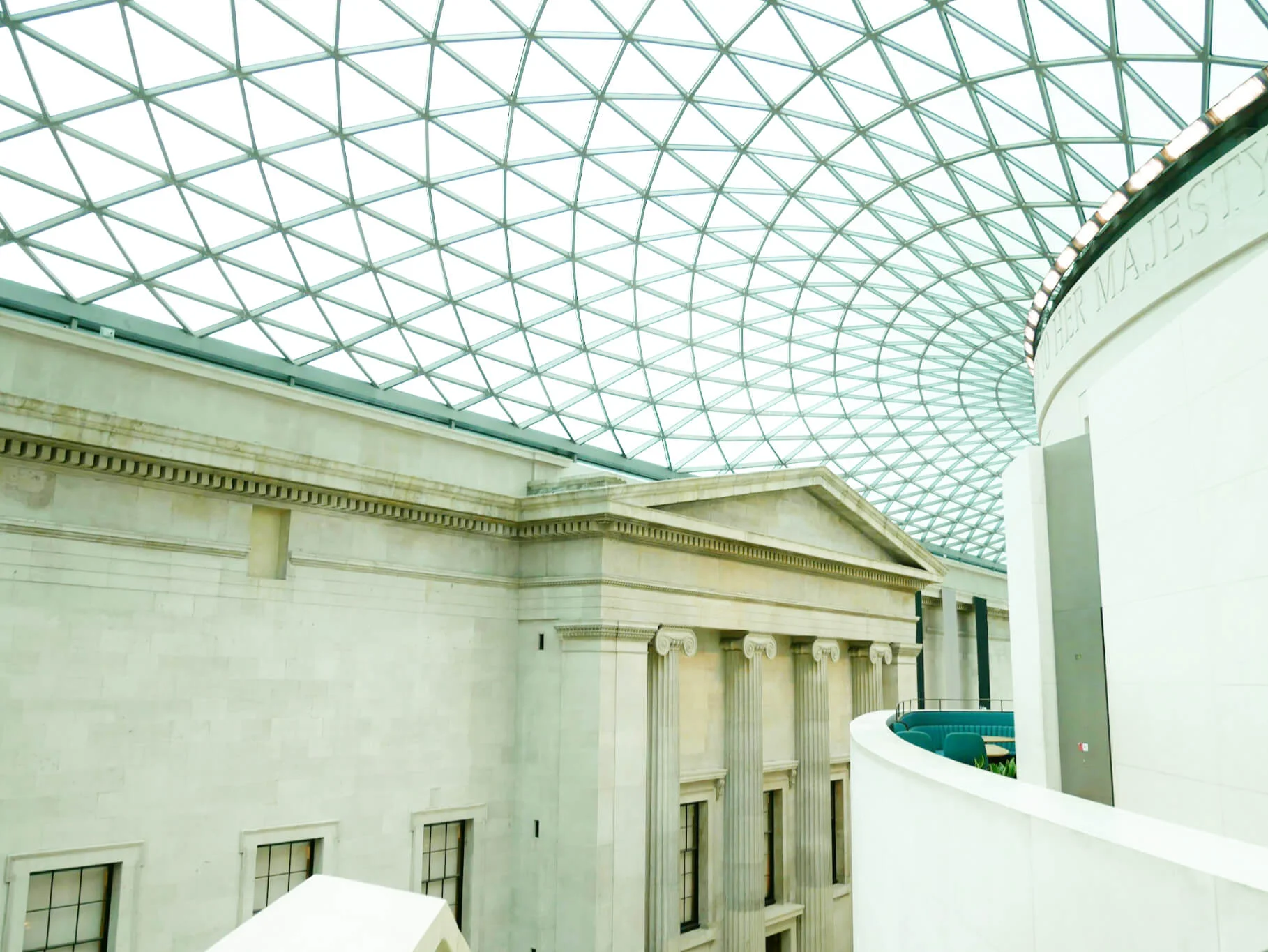
At Tate Modern, this becomes more than a Frida exhibition. It becomes a study of how an artist becomes an icon — and what gets amplified, simplified, protected or lost along the way.
Experience as an Artlover
Don’t look only for the famous Frida image — look for how it was constructed.
Compare the self-portraits with the clothes, objects and later responses.
Ask what Frida controlled, and what the world later projected onto her.
Pay attention to politics, Mexican identity and performance of the self.
Frida: The Making of an Icon
Hours & rating from Google