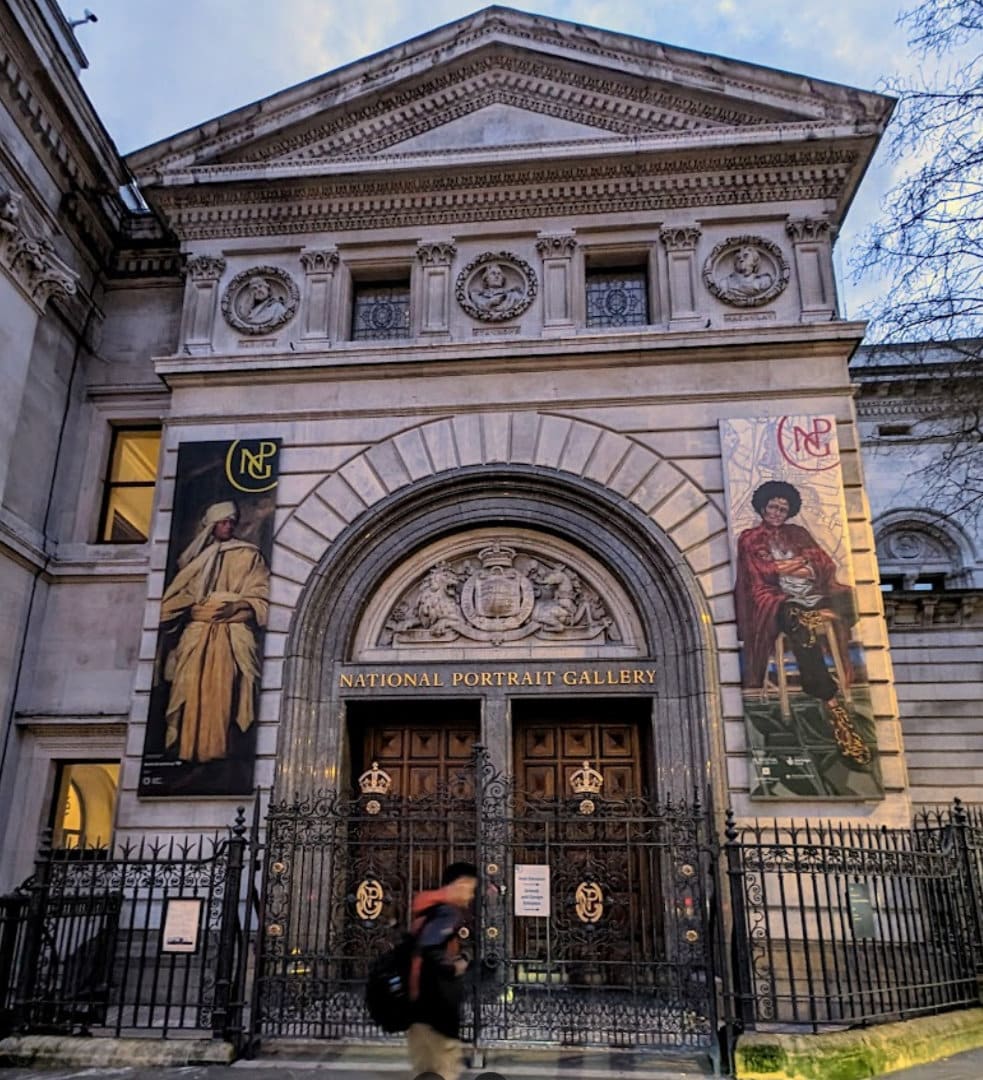
A museum about faces, power, identity and memory. National Portrait Gallery London is where British history becomes human — not through battles or dates, but through the people who shaped, challenged and represented a nation.
At the National Portrait Gallery, the experience is less about “beautiful paintings” and more about presence. You look at faces — kings, queens, writers, rebels, performers, thinkers — and start reading Britain through personality, status, clothing, gesture, fame and vulnerability.
You may experience:
- Tudor and Elizabethan portraits
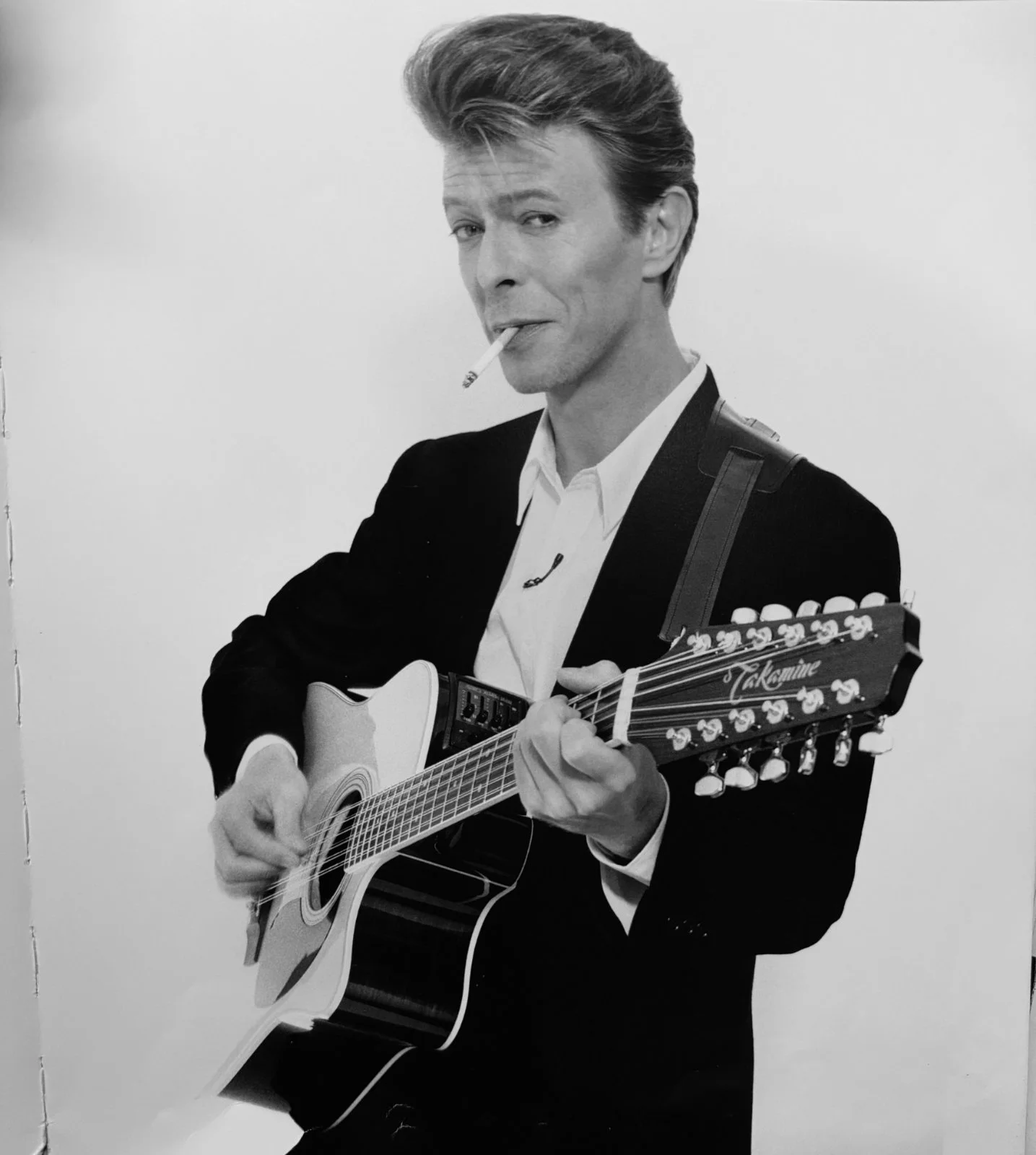
- Writers, artists, actors, musicians and cultural icons
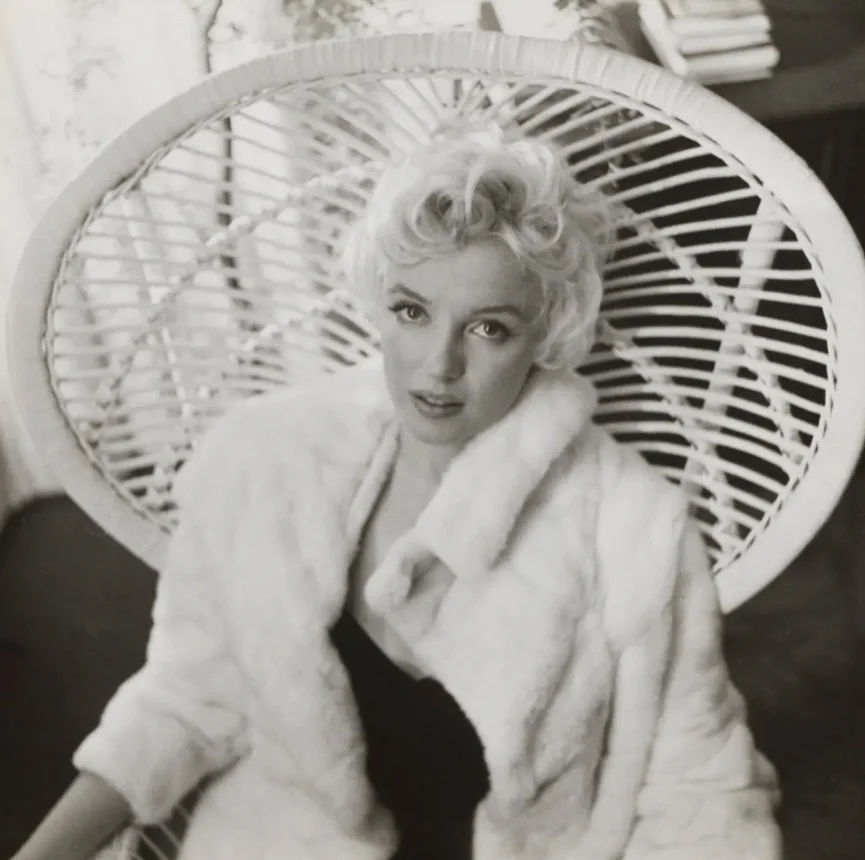
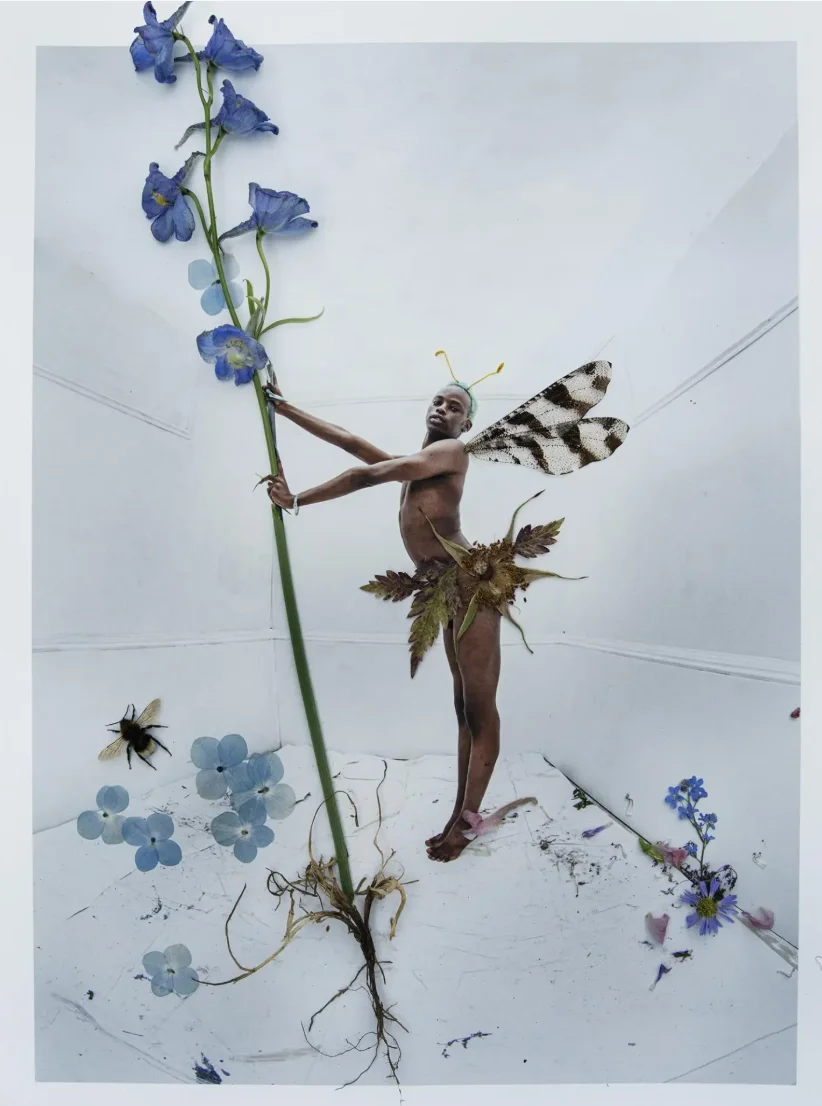
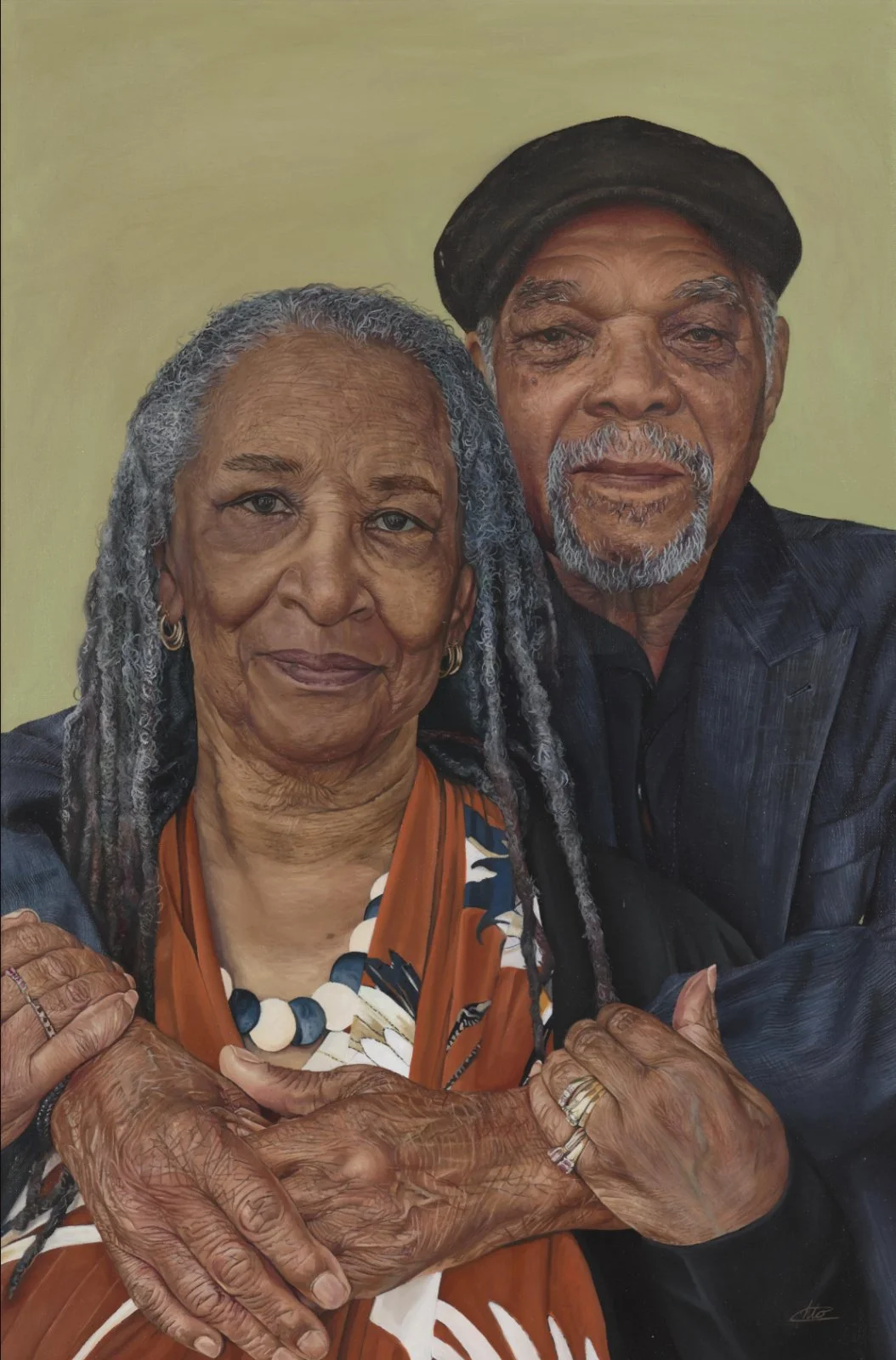
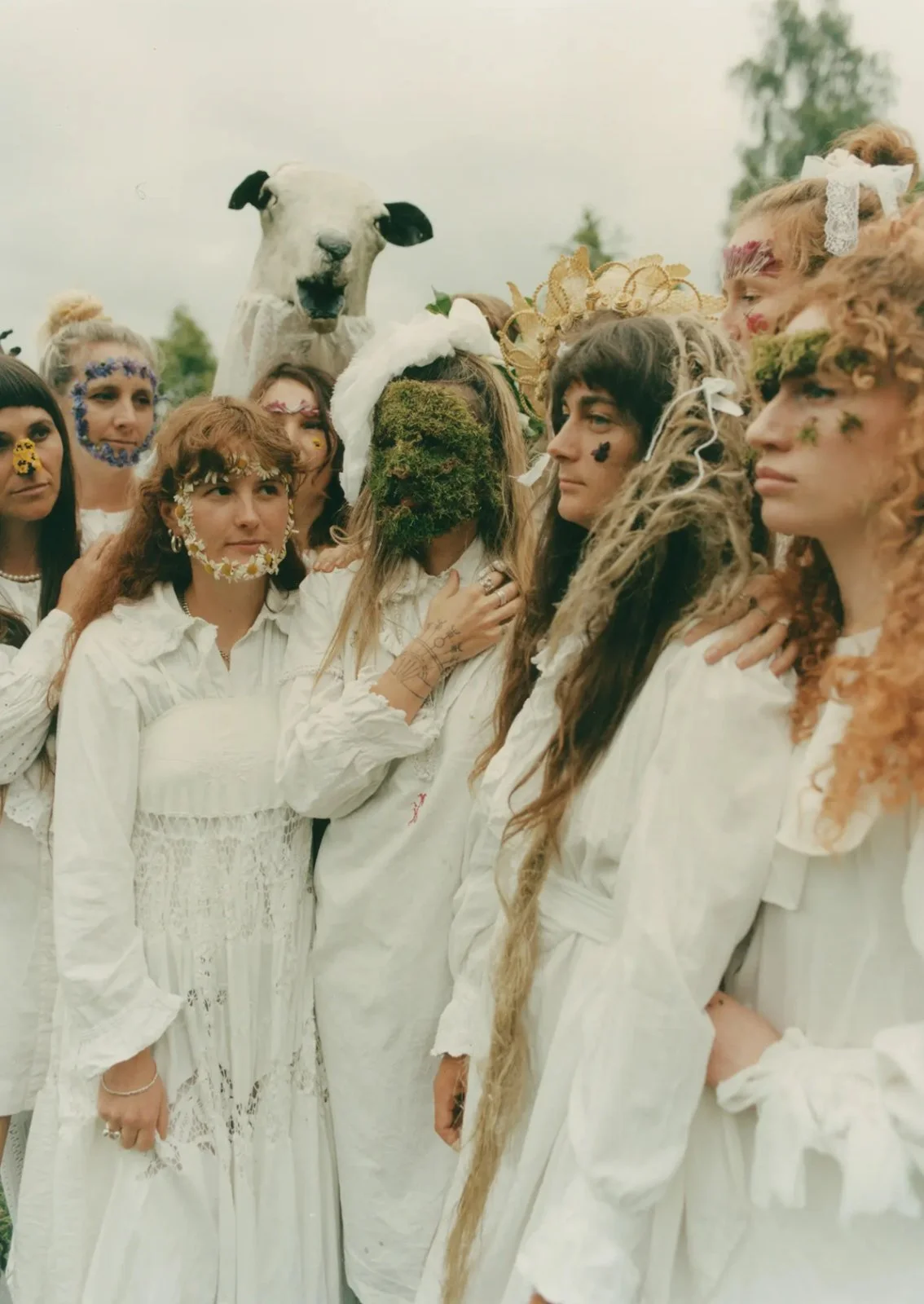
- Contemporary portraiture and photography
- Political, royal and social history through faces
- Temporary exhibitions and portrait awards
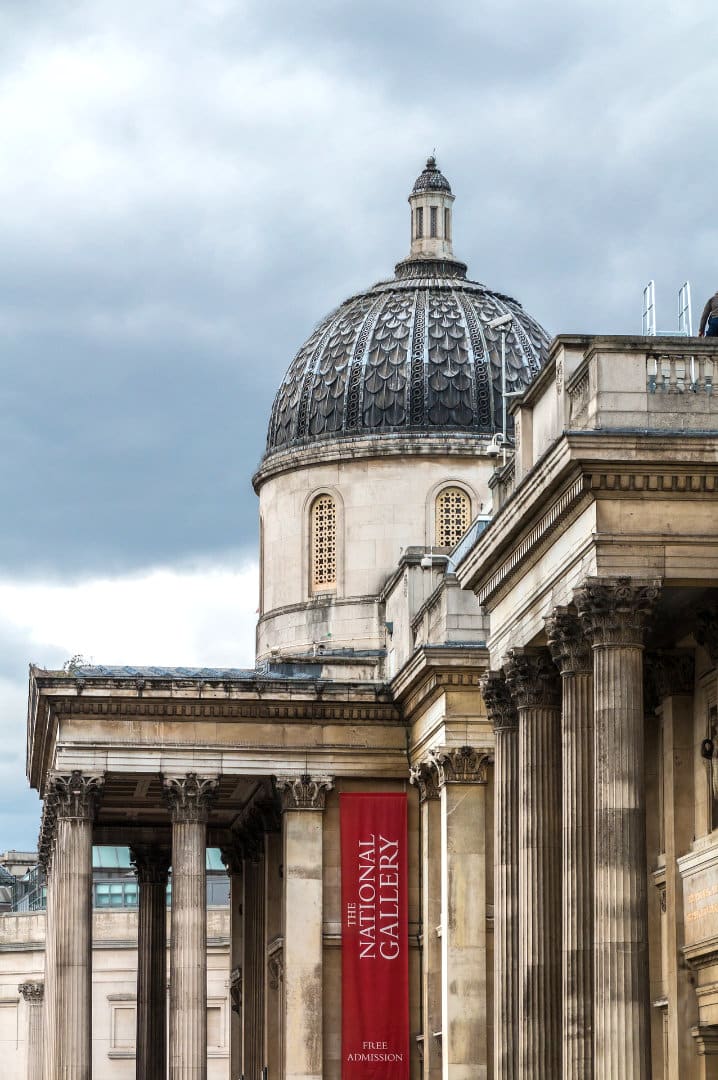
- A calmer, more intimate alternative to the National Gallery next door

Visit it after the National Gallery. First see European painting as art history; then cross into the National Portrait Gallery and see history looking back at you through faces.
The Gallery is open daily from 10:30 to 18:00, with late opening on Friday and Saturday until 21:00. Last entry is 30 minutes before closing, and special exhibitions usually have earlier last entry.
About
Located at St Martin’s Place, just beside Trafalgar Square, the National Portrait Gallery holds one of the world’s great portrait collections. Its focus is beautifully simple: portraits of people connected to British history and culture, from Tudor monarchs to contemporary artists, writers, activists, musicians, scientists, actors and public figures. The Gallery describes itself as “about people, for people,” with free admission to the main collection.
The collection is arranged across periods, from Tudor and Elizabethan portraits through Stuart, Georgian, Victorian, 20th-century and contemporary portraiture. That structure makes the visit feel like a journey through identity: who gets remembered, who is represented, and how power chooses its image.
Worth the trip
Yes — especially if you want London beyond monuments and masterpieces.
What makes the National Portrait Gallery special is that it turns history into encounter. It asks a powerful question: who becomes visible? Portraits are never neutral. They are about status, beauty, propaganda, fame, race, gender, class, power and memory.
For Artlovers, it is worth the trip because it makes culture feel personal. You are not only looking at portraits — you are looking at how a society chooses to remember itself.