Two artists, one shared landscape — and two radically different paths through Abstract Expressionism, finally given equal weight at The Met.
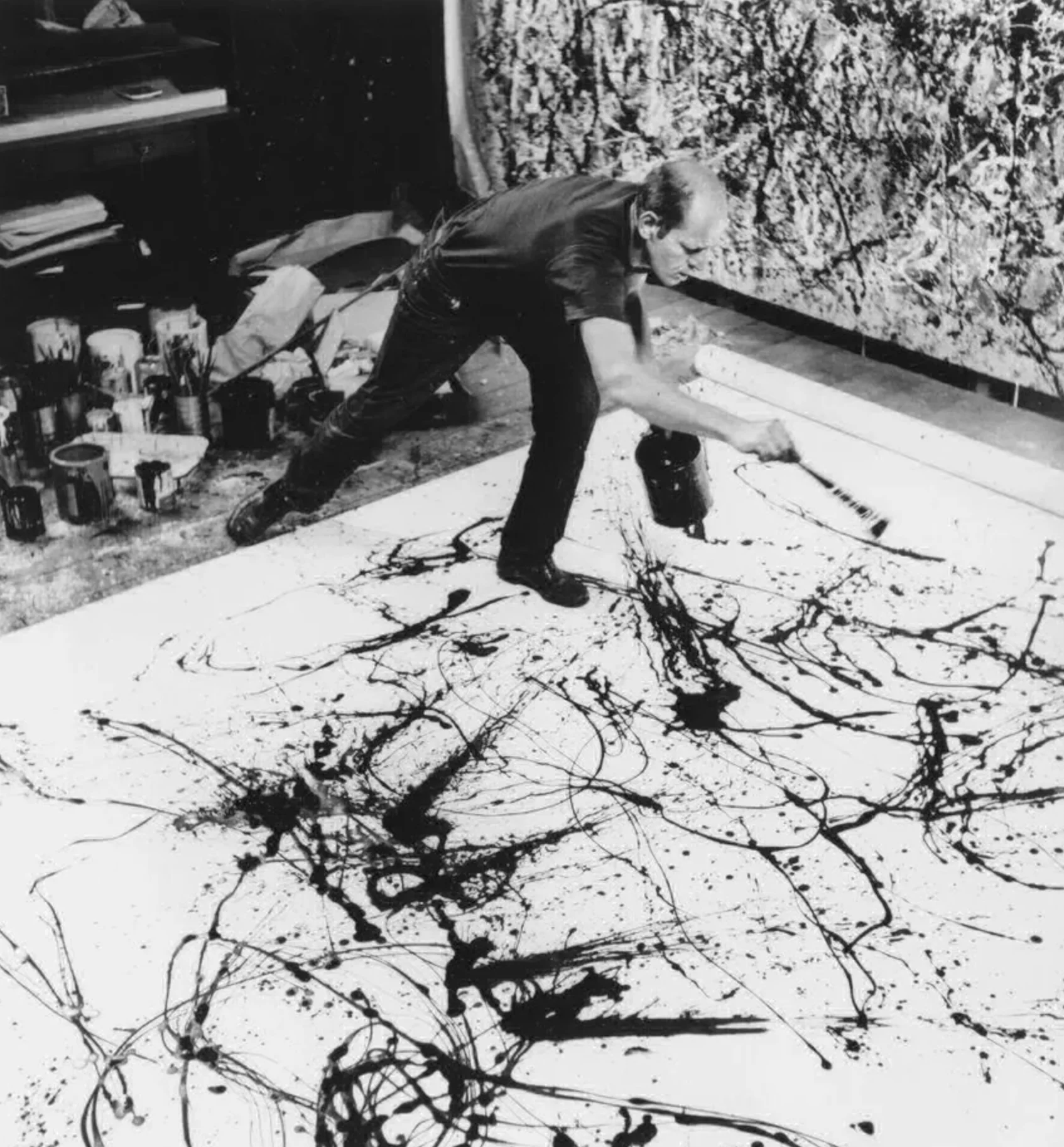
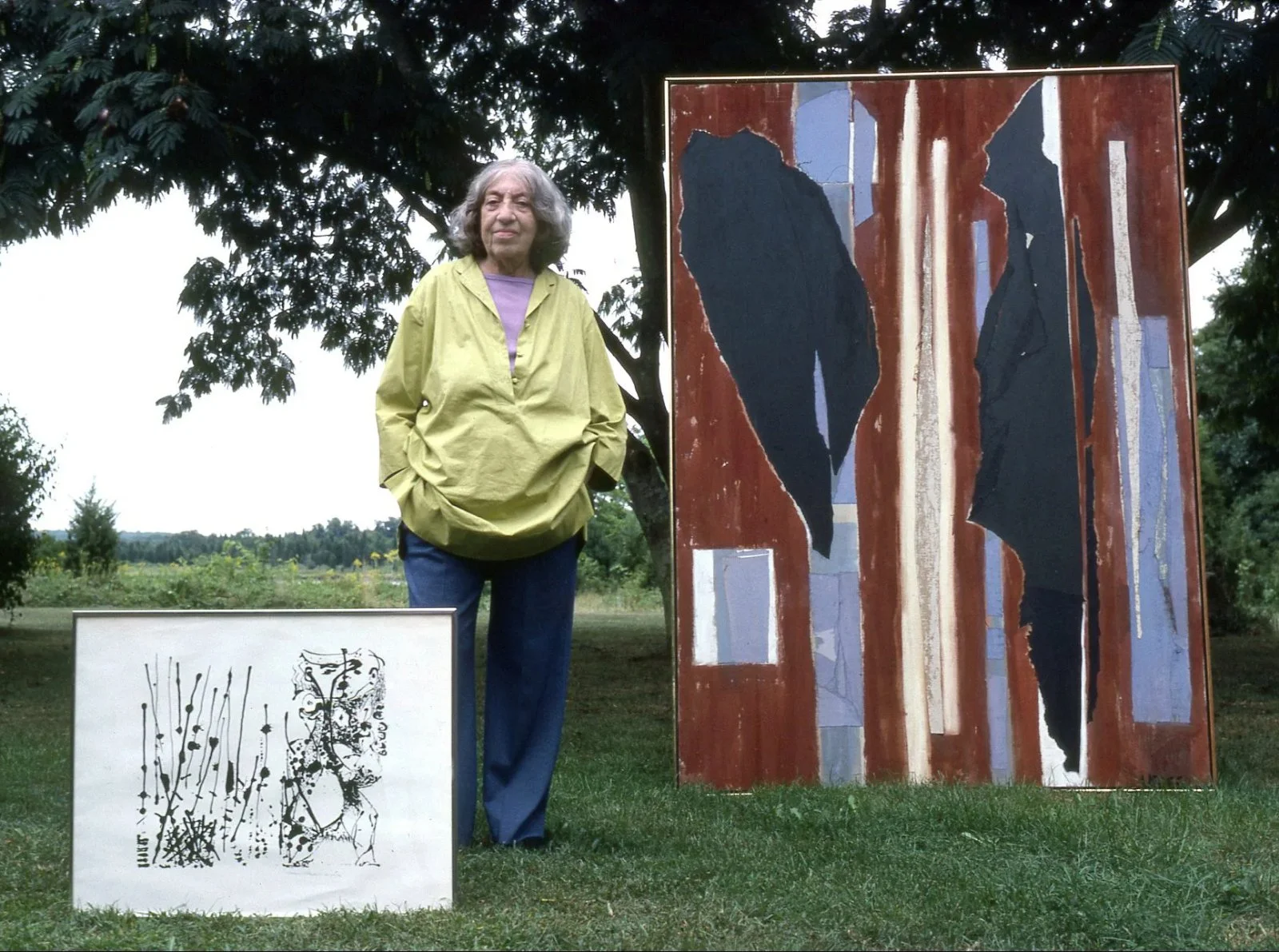

Try one simple experiment: look at Krasner before Pollock. Her work has historically been read through her relationship with him; seeing her independently first makes the exhibition's central argument much more powerful.
Inside the exhibition
Krasner and Pollock: Past Continuous is presented at The Metropolitan Museum of Art in New York from 4 October 2026 to 31 January 2027. It marks the first major New York presentation devoted to either artist in more than 20 years, and the first major exhibition at The Met dedicated to both.
Lee Krasner and Jackson Pollock met in New York in 1941 and married in 1945. They moved to Springs, Long Island, where their personal, artistic and professional lives remained closely intertwined until Pollock's death in 1956. But the exhibition deliberately avoids presenting their story simply as that of an artistic couple. Instead, it follows two practices unfolding in proximity.
Their early influences were markedly different. Krasner engaged deeply with the European avant-garde — particularly Picasso, Matisse and Mondrian — and studied with Hans Hofmann. Pollock's influences included Thomas Hart Benton and American Regionalism, Mexican muralism, Surrealism and his own family of artists. Their different starting points eventually converged in the radical transformation of American painting known as Abstract Expressionism.
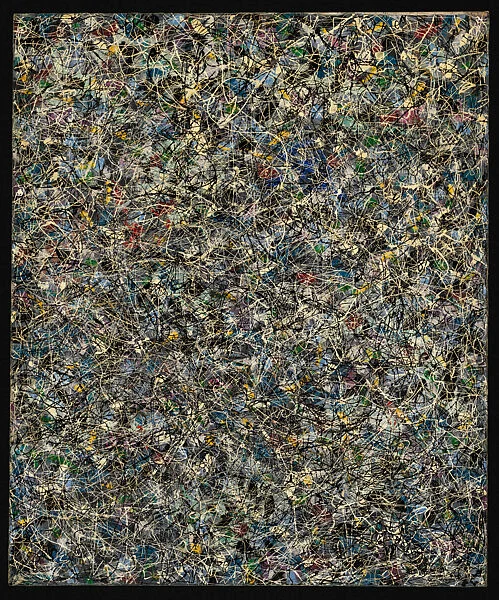
Pollock's breakthrough came with his drip technique, developed intensively between 1946 and 1951. Krasner followed a much more varied path, continually testing abstraction through nature, colour, collage, gesture and increasingly hard-edged forms. The exhibition is particularly important because Pollock's fame historically overshadowed Krasner's contribution; Past Continuous actively rebalances that narrative.
Worth travelling for?
A major New York must-see. The real value isn't simply seeing Pollock's masterpieces again; it is finally seeing Krasner and Pollock as two major artists in their own right, whose shared life produced proximity but not the same artistic language.
Krasner and Pollock: Past Continuous
Hours & rating from Google