Roy Lichtenstein made the language of comics, advertising and mass media impossible to ignore. Dots, speech bubbles, dramatic women, explosions, brushstrokes — he turned popular images into American art history.
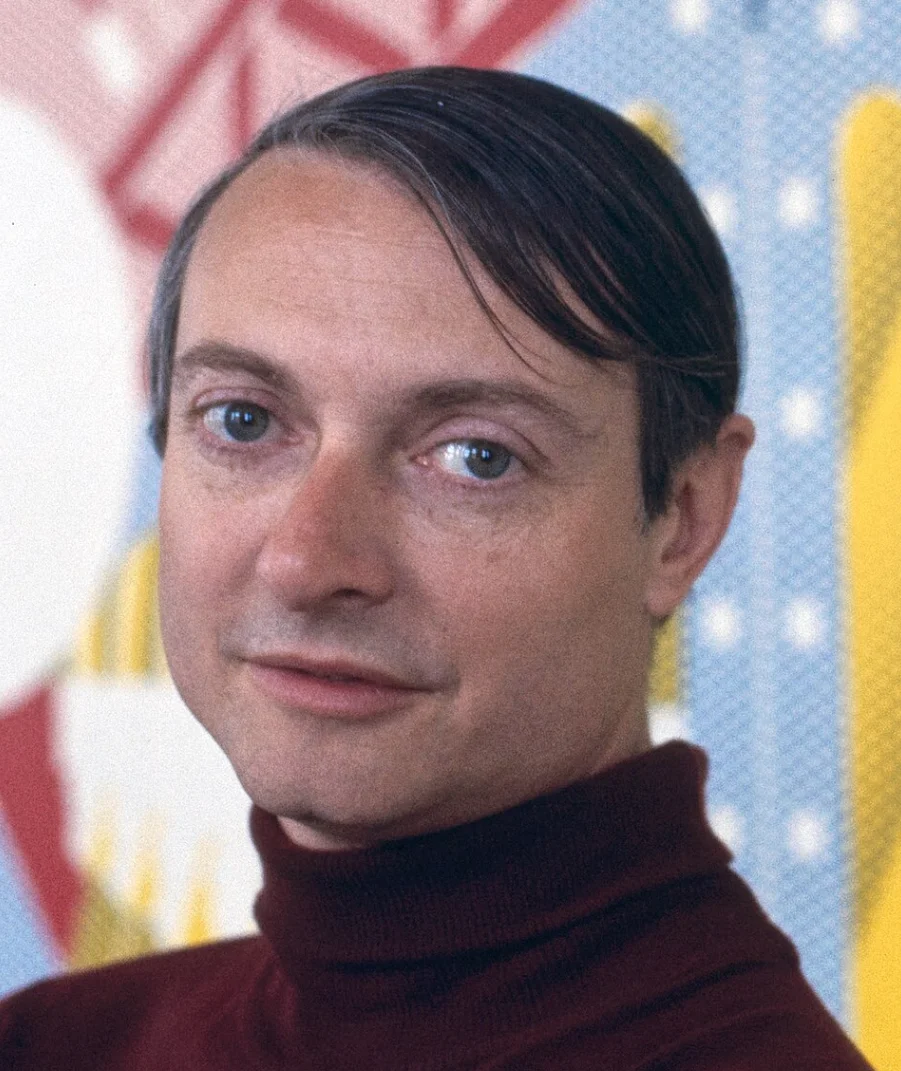

Inside the exhibition
We’re celebrating a big milestone! To honor what would have been Roy Lichtenstein’s 100th birthday this year, the Whitney Museum of American Art is excited to announce a major retrospective of the Pop art legend coming in 2026.
The upcoming exhibition takes a fresh look at Lichtenstein’s journey, starting all the way back in 1961. This was the moment he first shook up the New York art scene by challenging the idea of what “original” art could be. While some critics at the time dismissed him as just a copyist who painted comic books, he was actually doing something much more clever. He used those familiar images to show us how deeply media and advertising shape our everyday lives.
The announcement arrives at a perfect time, as the U.S. Postal Service has just released a new series of stamps featuring five of Lichtenstein’s most iconic works.
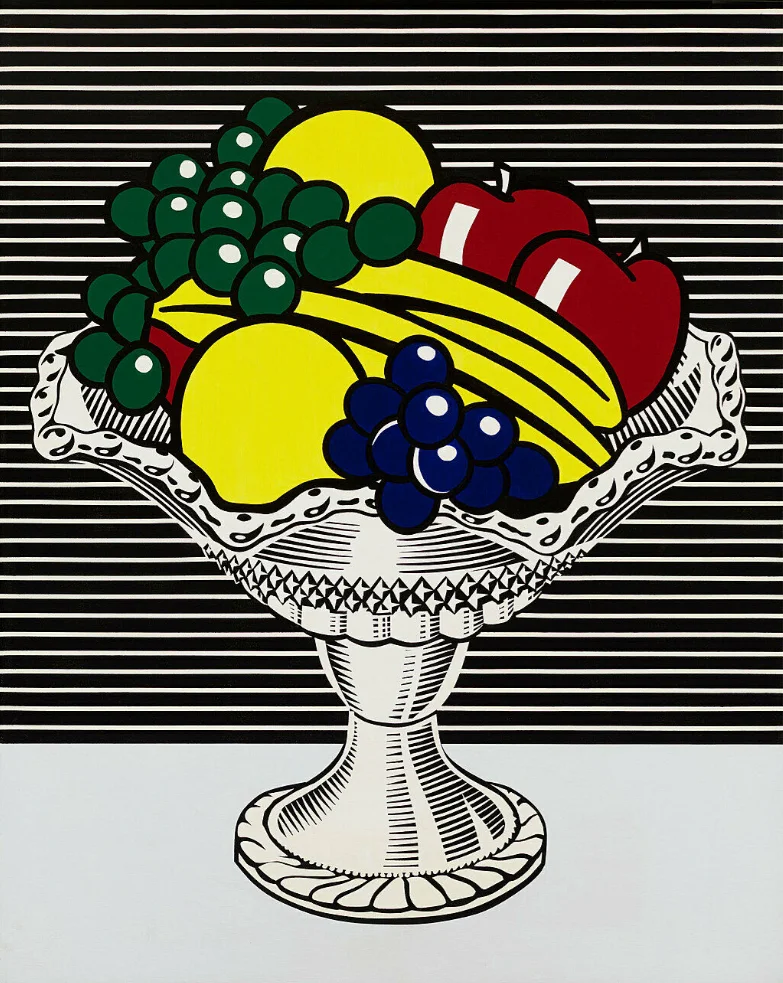
Lichtenstein is best known for his signature style: hand-painted scenes that look exactly like the mass-produced comic books of the era, complete with the tiny "Ben-Day" dots used in old-school printing. By bringing the world of mass media into the museum, he became a founding father of the Pop Art movement and gained worldwide fame.
Scott Rothkopf, the Whitney’s chief curator and incoming director, describes Lichtenstein as an artist who perfectly captured the spirit of his time. He saw both the bright optimism and the darker side of postwar America, turning those feelings into his famous stripes and dots. Even in our current digital age, Lichtenstein’s ideas about how images are created and shared feel more relevant than ever.
The Whitney has a long history with the artist, dating back to 1966 when we first began collecting his work. Today, the museum is home to 443 of his pieces. Over his incredible career, Lichtenstein received many of the nation’s highest honors, including the National Medal of Arts presented by President Bill Clinton in 1995. Though he passed away in 1997 at age 73, his legacy as a giant of American art continues to grow. We look forward to welcoming you to this celebration of his life and work in 2026!
Worth travelling for?
Yes — especially if you want to understand how mass media changed modern art.
Lichtenstein matters because he made art out of images that were already circulating everywhere. He did not simply copy comics; he slowed them down, enlarged them, cleaned them up and made us question how emotion, desire, violence and beauty are manufactured through images.
Worth the trip?
Yes. The Whitney is one of the key institutions for American art, and a 2026 Lichtenstein exhibition there is a strong reason to plan a New York art stop — especially for anyone interested in Pop Art, graphic culture, design, advertising, comics or the way images shape modern life.
Experience as an Artlover
Don’t look only for the “comic” effect — look at how controlled and artificial the images are.
Step close to the dots, then step back and see how mechanical marks become emotion.
Compare the dramatic subject matter with the cool, detached style.
Notice how Lichtenstein treats painting traditions — still life, landscape, brushstroke, portrait — through the language of mass media.
Ask yourself why these images still feel so contemporary in a world of screens, filters, memes and visual repetition.
Roy Lichtenstein
Hours & rating from Google