The pulse check of American contemporary art — not a clean answer, but a mood: fragile, tense, funny, uneasy, alive.

A must-see if you want to understand what contemporary American art feels like in 2026 — uncertain, emotional, political without always shouting, and deeply alive.
Inside the exhibition
Whitney Biennial 2026
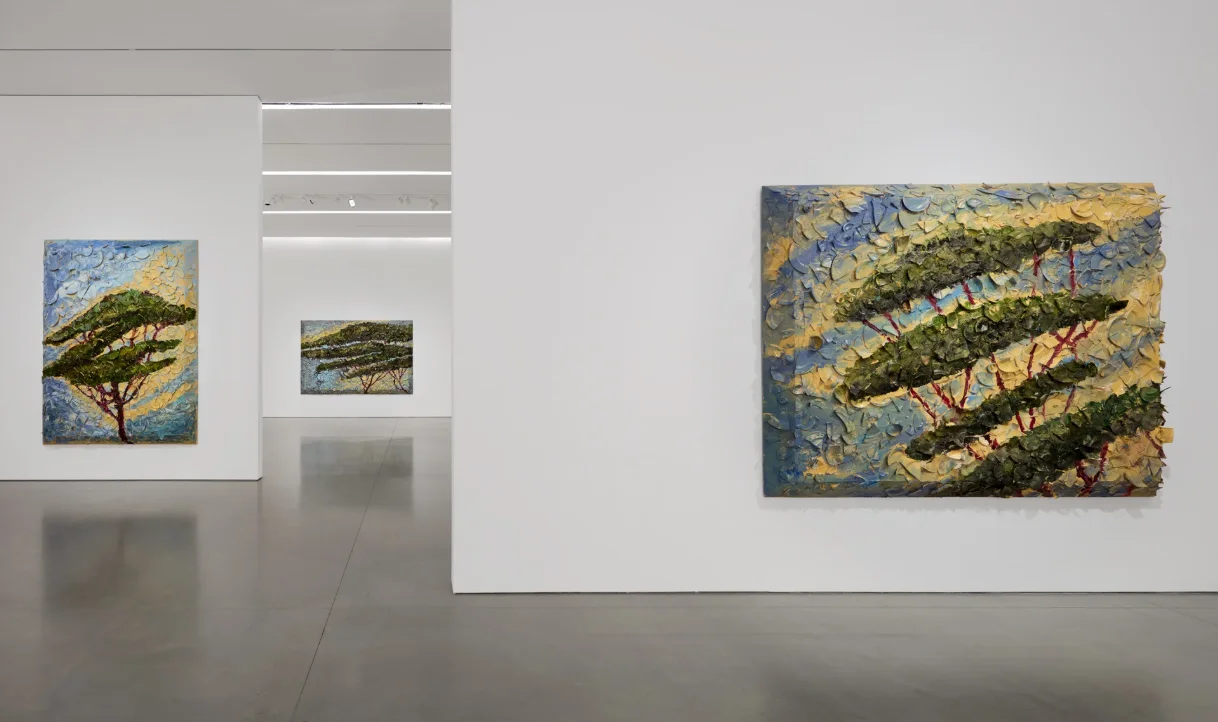
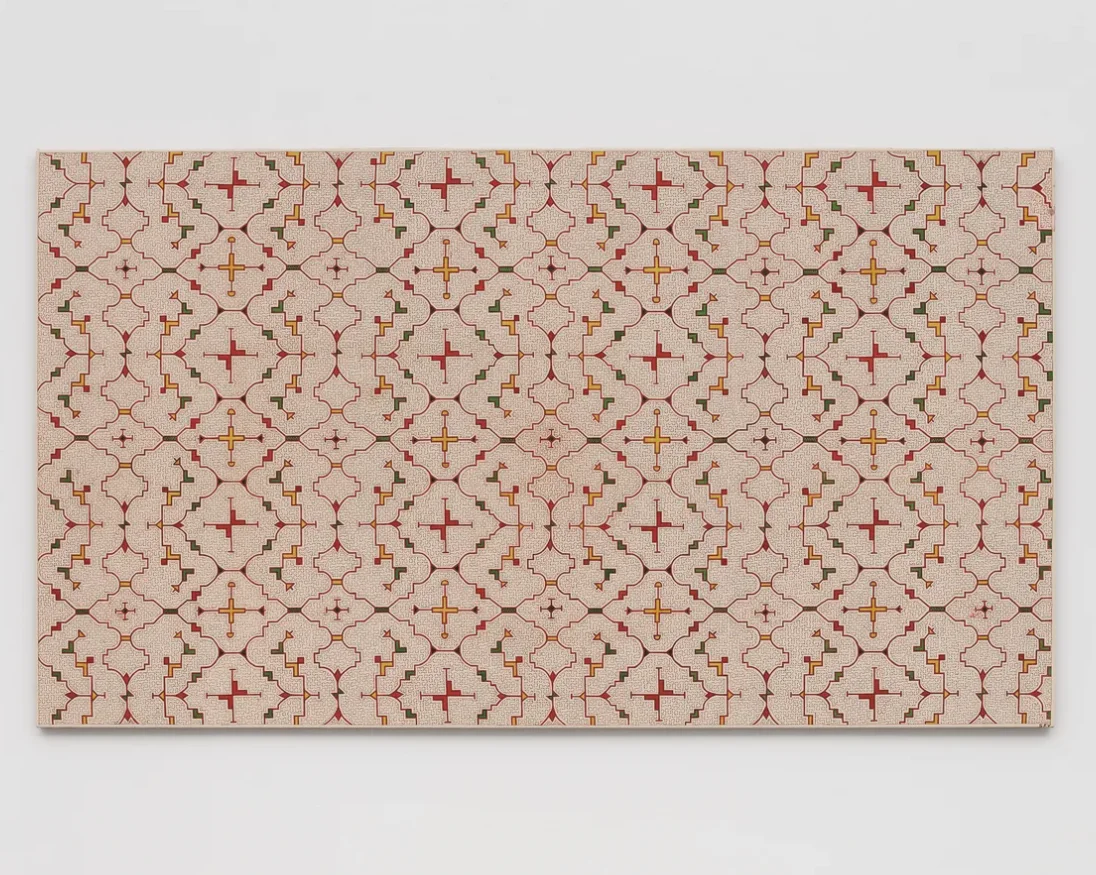
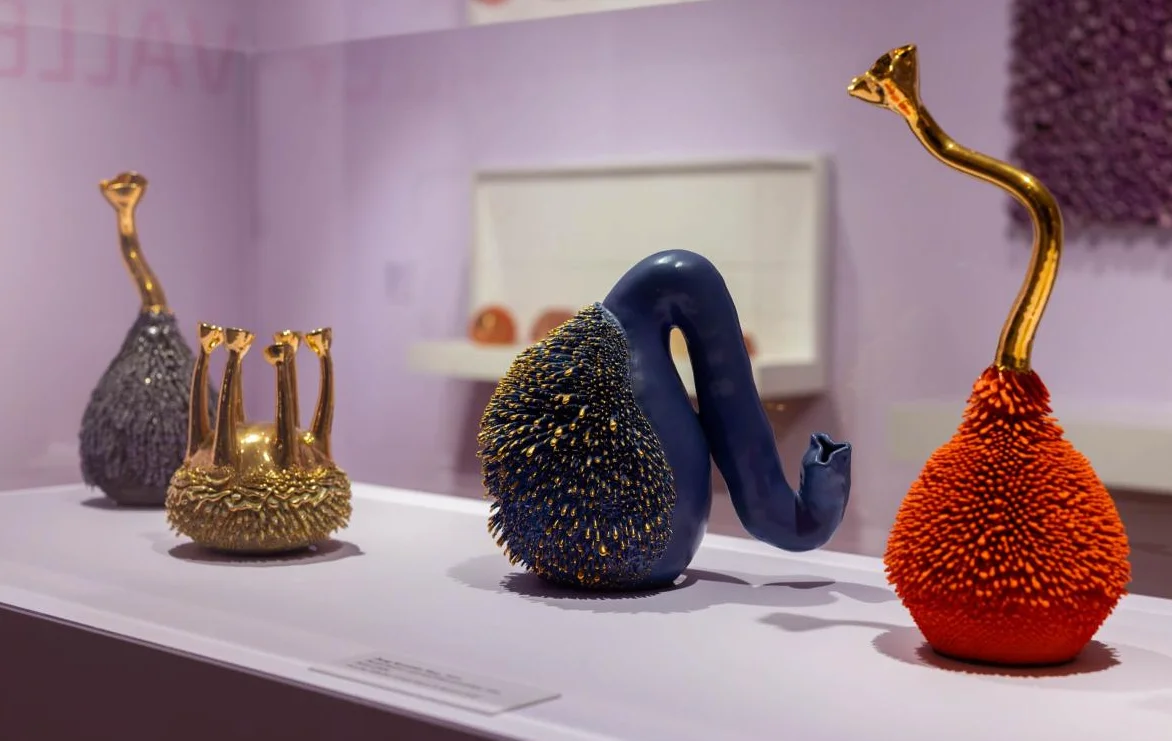
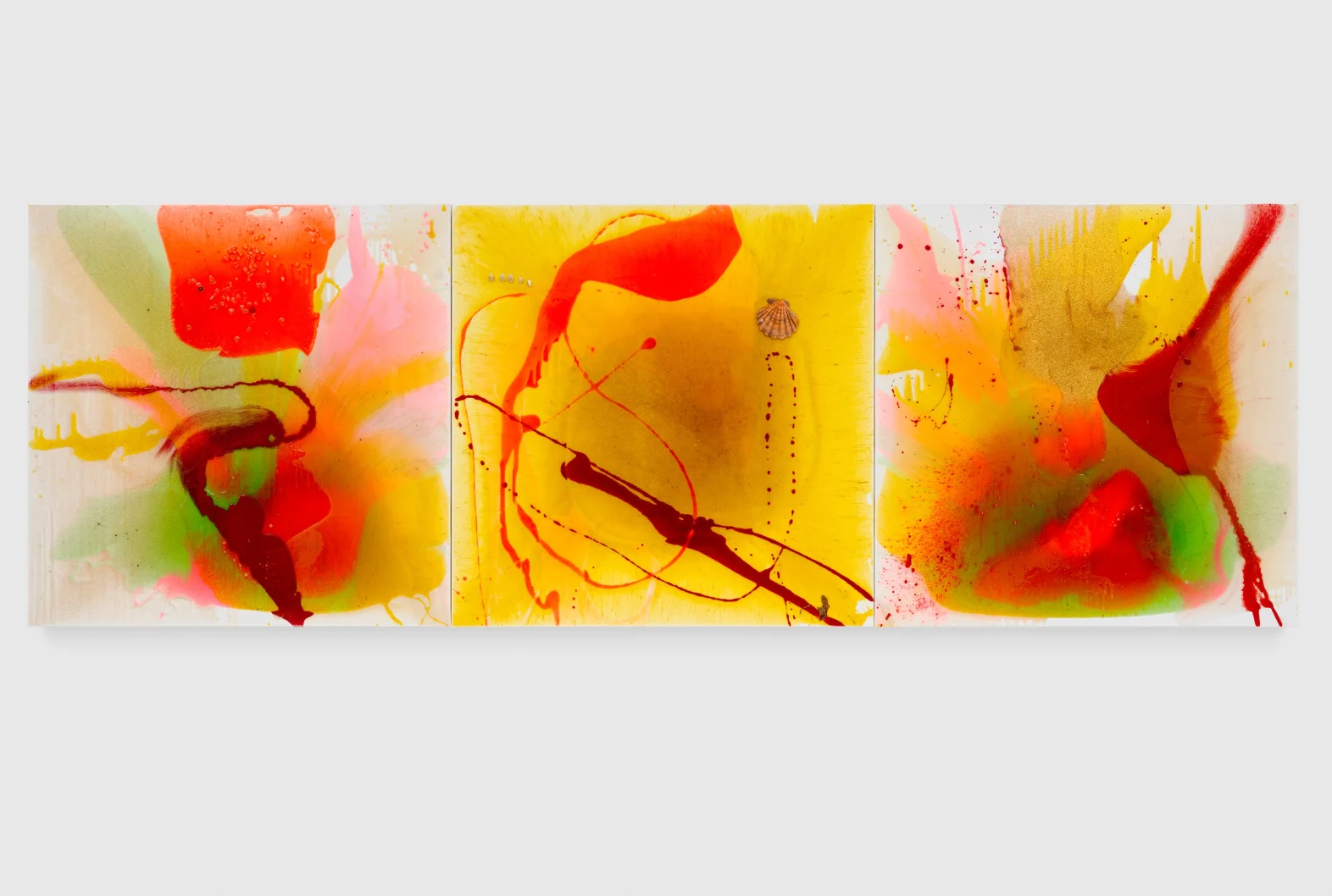
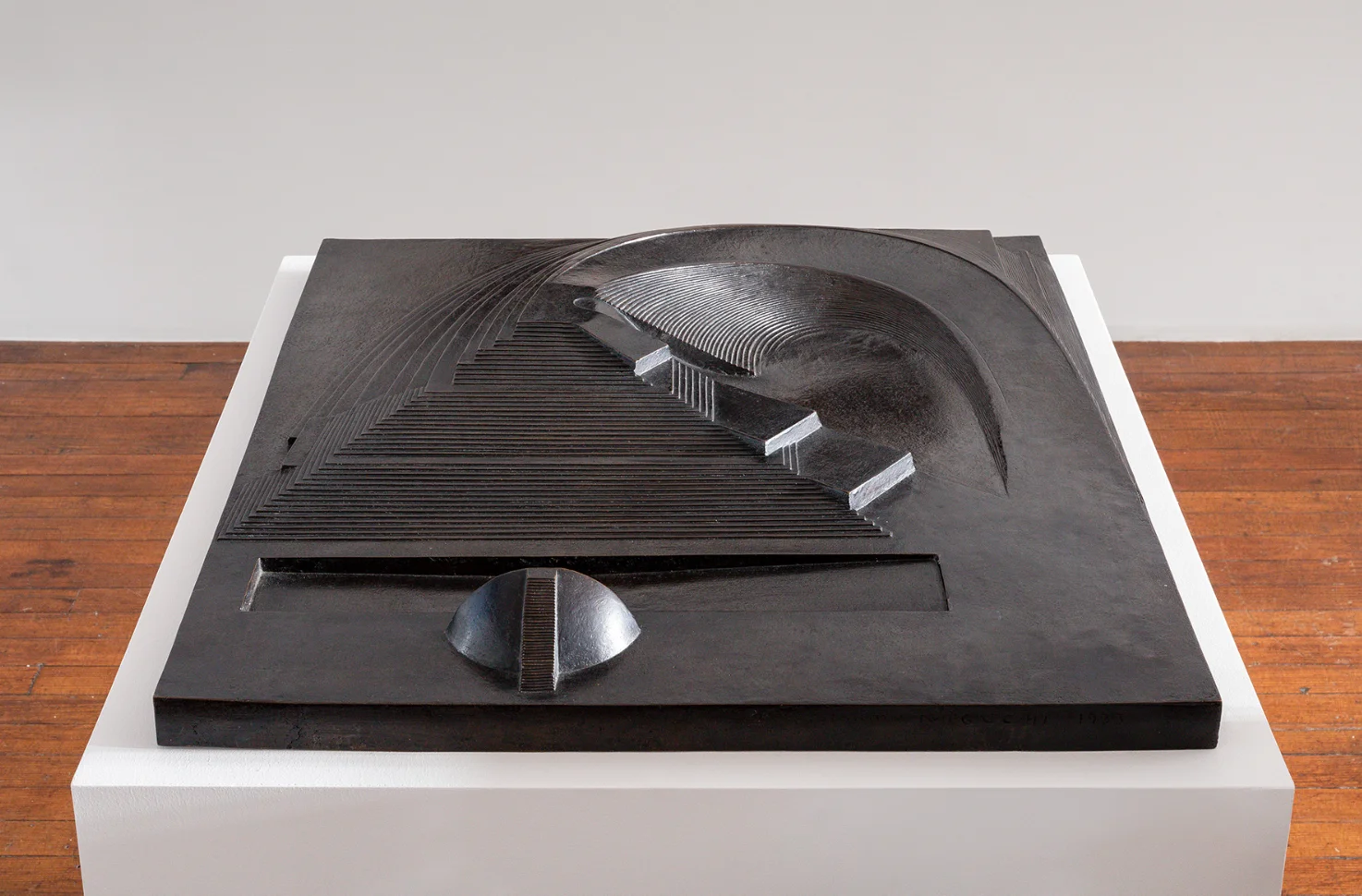
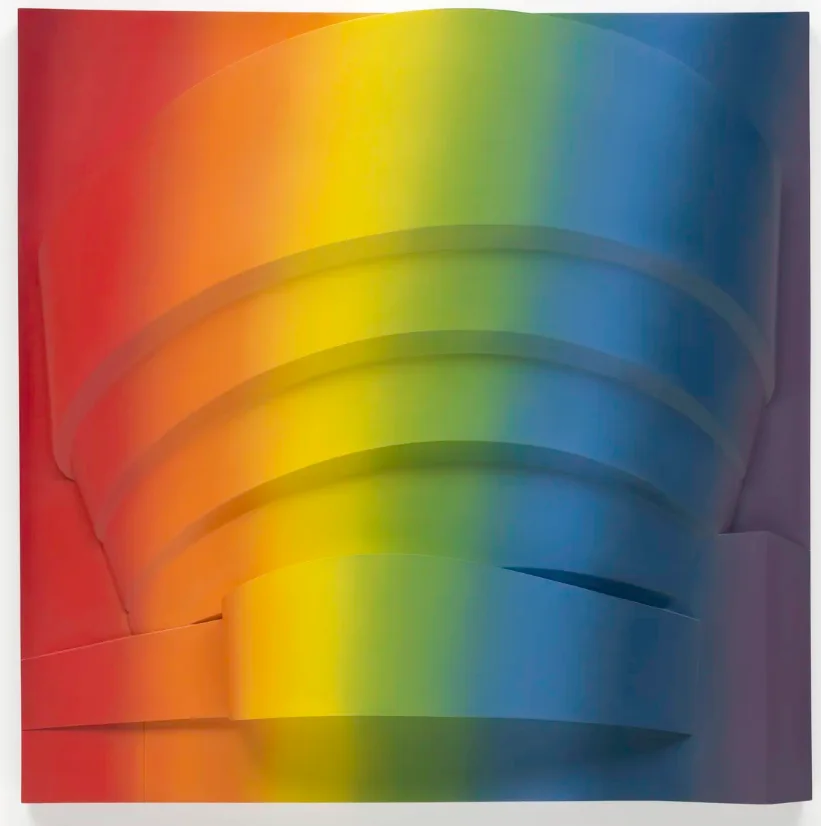
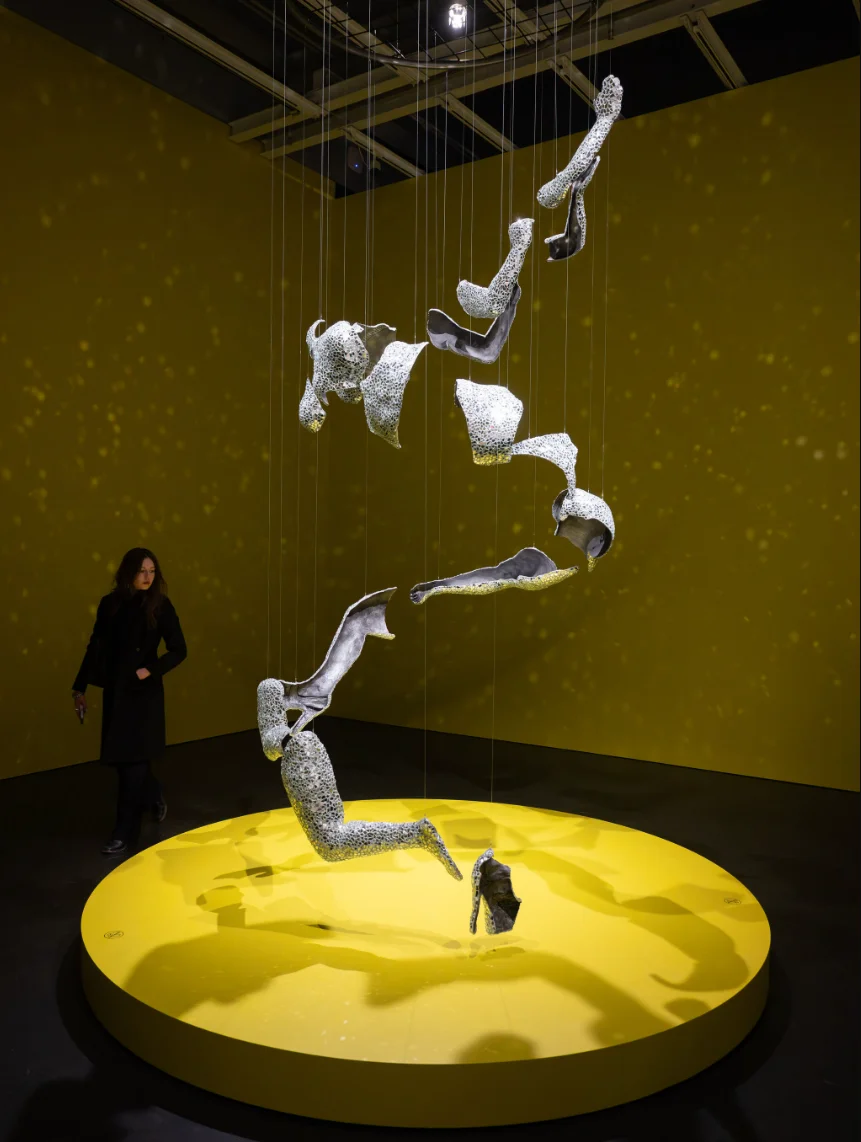
The 82nd edition of the Whitney Biennial, the longest-running survey of contemporary art in the United States. It features work by 56 artists and collectives across painting, sculpture, film, video, sound, installation, performance, and new media.
This Biennial does not try to give a single definition of “now.” Instead, it builds an atmosphere of transition: tenderness, anxiety, humour, grief, body, technology, environment, identity, and survival.
The Whitney describes the 2026 edition as a survey shaped by “a moment of profound transition,” more interested in mood and texture than in one fixed thesis. That matters: the show feels less like a manifesto and more like a nervous system — registering what it feels like to be alive in this moment.
You’ll encounter works that move between the poetic and the political: video and sound installations, fragile objects, performance, sculptural environments, and works that deal with memory, displacement, ecology, technology, queer joy, Indigenous histories, and collective loss.
early coverage and the Whitney’s own materials are Basel Abbas & Ruanne Abou-Rahme, Young Joon Kwak, Raven Halfmoon, Emilie Louise Gossiaux, Akira Ikezoe, Kelly Akashi, Aziz Hazara, Nour Mobarak, Jasmin Sian, and Margaret Honda.
Worth travelling for?
The Whitney Biennial is never just an exhibition. It is a cultural temperature check: what artists are thinking about, resisting, remembering, and inventing in real time.
For Artlovers, this is worth the trip because it lets you see contemporary art before it becomes history. Some works may feel difficult. Some may feel unfinished. Some may stay with you for days. That is exactly the point.
This edition is also significant because Marcela Guerrero is the first Latina curator to co-organize the Whitney Biennial, alongside Drew Sawyer — a meaningful shift in who frames the story of American contemporary art.
Experience as an Artlover
Don’t go looking for “the best artwork.” Go looking for the pressure points.
Start on one floor and move slowly. Choose five works that make you stop — not necessarily because you like them, but because they disturb your attention. Read the room like a map of the present: what feels tender, what feels angry, what feels exhausted, what feels strangely hopeful.
And leave time afterwards for the Meatpacking District or the High Line. The Biennial works better when you let the city continue the exhibition outside.
Whitney Biennial 2026
Hours & rating from Google