From Marianne Wex’s radical feminist archive to seven contemporary voices, photography becomes a way of reclaiming the space our bodies occupy — and the stories they are allowed to tell.

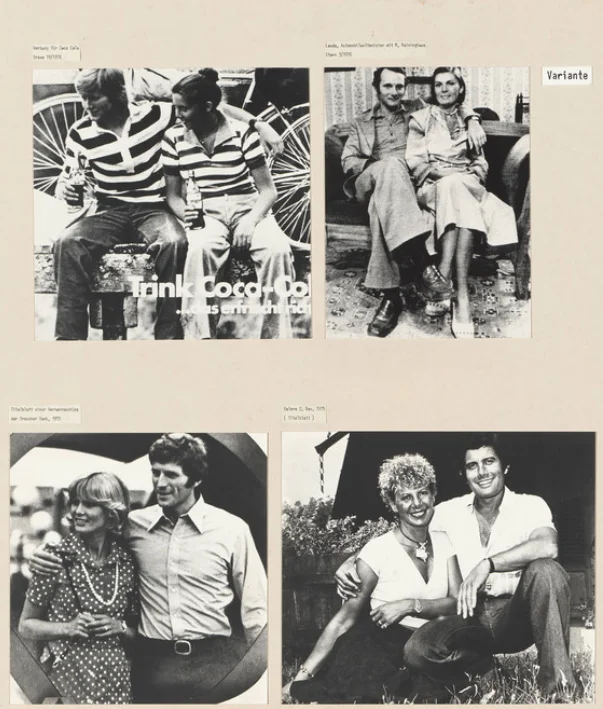
Look at Wex’s work almost like a visual experiment. She categorised thousands of photographs according to gestures and body positions; then compare those patterns with how the contemporary artists construct — or reclaim — their own presence.
Inside the exhibition
Taking Back Our Space: Photographic Perspectives is on view at The Museum of Modern Art (MoMA) in New York, from 20 September 2026 to 2 May 2027, in the Paul J. Sachs Galleries on Floor 2. It brings together eight artists whose photographic practices examine the relationship between bodies and space through intersectional feminist perspectives.
At its centre is German artist Marianne Wex (1937–2020). Beginning in 1972, Wex photographed people in Hamburg, observing how men and women were socialised to occupy space differently. She then combined her own photographs with images appropriated from advertising, newspapers, magazines, film, television and art publications, arranging them into categories such as standing arms, sitting legs and possessive holds.
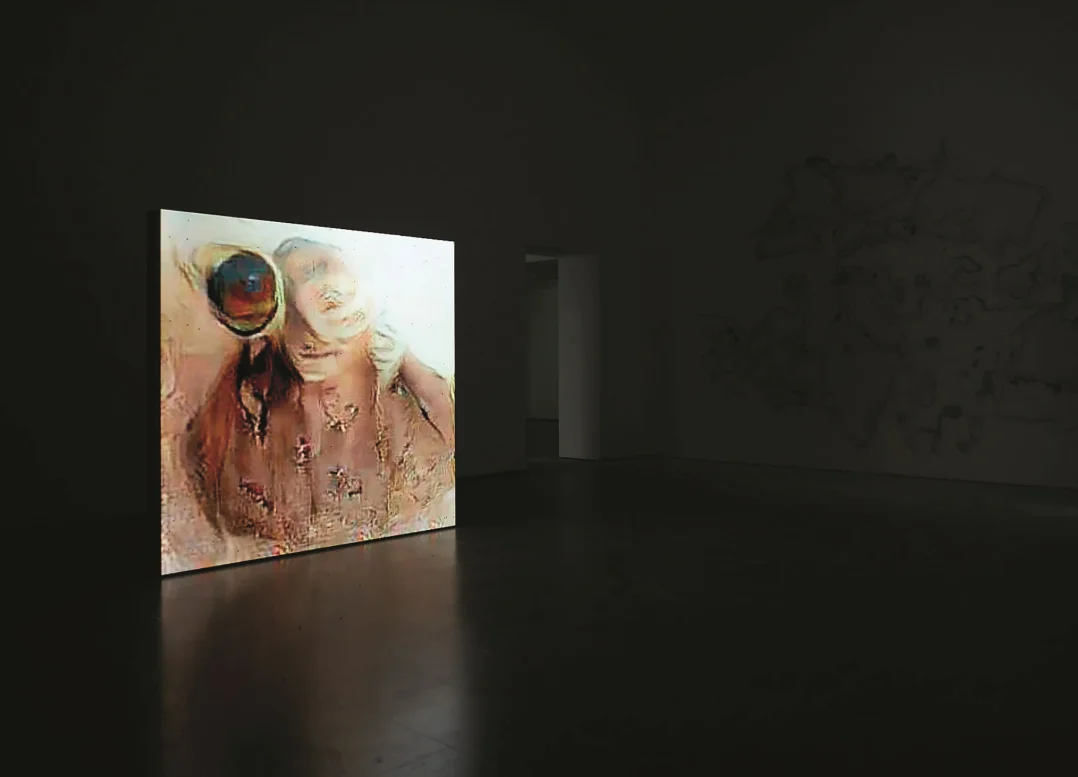
MoMA acquired Wex’s project in its entirety in 2018. The exhibition places this pioneering visual sociology alongside works by Nona Faustine, Martine Gutierrez, K8 Hardy, Yuki Kihara, Joiri Minaya, Paulina Olowska and Wendy Red Star. Their practices revisit the politics of bodies and public space through Black, queer, decolonial and contemporary feminist perspectives.
The result is particularly interesting because the meaning of “taking back our space” expands beyond physical territory. It becomes a question of who gets to be visible, who controls their own representation and whose body or history has traditionally been excluded from the picture.
Worth travelling for?
A smart, highly relevant MoMA exhibition. Marianne Wex’s extraordinary 1970s archive makes the show historically important, while the seven contemporary artists demonstrate how questions of space, identity and representation have evolved — and become even more complex — today.
Taking Back Our Space: Photographic Perspectives
Hours & rating from Google