At a glance
Grief becomes architecture: Doris Salcedo transforms fragile materials into a monumental meditation on loss, displacement and the lives left behind by violence.
Why go
You'll see
Pace of visit
Don't miss

Artlovers Tip
Look at the materials before you look for the monument.
This is sculpture not as object, but as a place where memory and mourning are made physical.
For Artlovers, this is one of the strongest New York contemporary-art openings of late 2026.
Artlovers relevance
Inside the exhibition
Meet the artist
Key Movements
Description
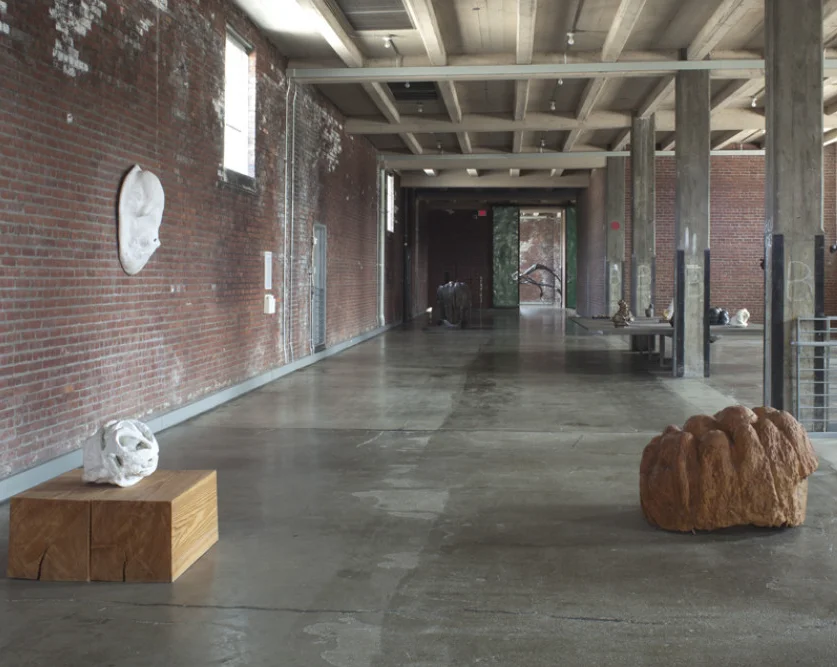
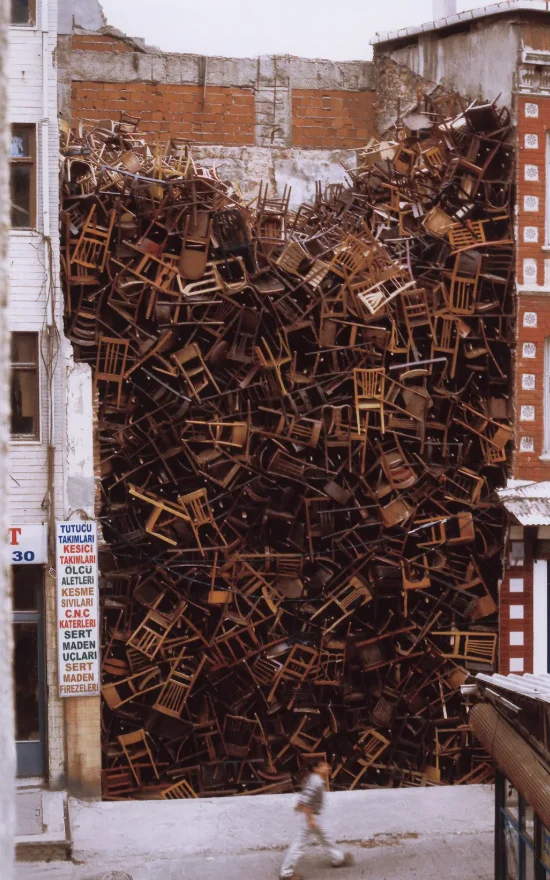
Salcedo has described her practice through the idea of a “topology of mourning”: grief is not presented as an abstract emotion but given physical form through objects, architecture and materials. Furniture, clothing, concrete, plant matter and fragments associated with everyday life repeatedly carry the memory of people who are absent. Her work emerged from Colombia’s long history of political violence, but its themes have increasingly expanded toward displacement, migration and collective trauma worldwide.
The New York installation continues this approach on a monumental scale. Created in her Bogotá studio over three years, it uses extremely modest and vulnerable materials to address experiences that are almost impossible to represent directly. Salcedo avoids spectacle in the conventional sense: instead, repetition, labour and material fragility create an atmosphere in which absence becomes physically present.
Doris Salcedo (b. 1958, Bogotá) is one of the most important Latin American artists working today. Her sculptures and installations have addressed victims of political violence, forced disappearance, migration and collective mourning for more than three decades. Her previous US retrospective opened at the Museum of Contemporary Art Chicago in 2015 before travelling to the Guggenheim Museum in New York and Pérez Art Museum Miami.
Doris Salcedo
Hours & rating from Google