At a glance
A specific look at how Andy Warhol’s hand-drawn elegance transformed into the mechanical repetitions of Pop Art, revealing the draftsmanship behind his famous silkscreens.
Why go
While Warhol is synonymous with mass production, this show highlights his skill as a draughtsman, bringing together delicate early illustrations and bold canvases to show the manual precision required for his mechanical art.
You'll see
Early commercial illustrations · 'Blotted line' sketches · High-contrast celebrity portraits · Original photographic source material · Experimental graphic works
Pace of visit
The gallery layout encourages a slow pace to appreciate the transition from intricate pen drawings to large-format silkscreens.
Don't miss
The blotted line drawings from the 1950s, which reveal his transition from advertising artist to fine art provocateur.
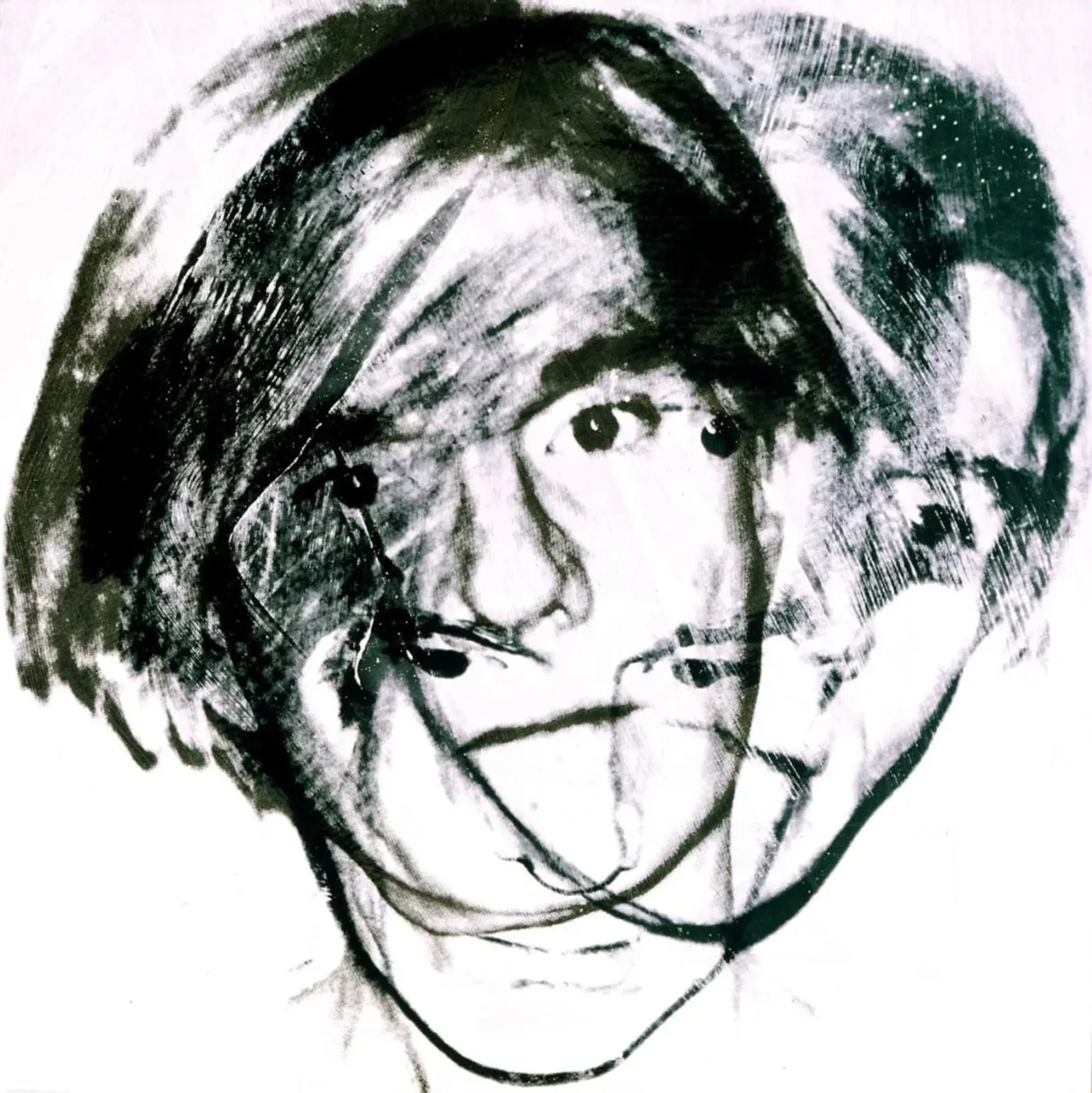
The early 1942 self-portrait, marking the beginning of a lifelong examination of his own image.

Artlovers Tip
Start by looking closely at the 1950s shoe drawings to see the exact moment Warhol began experimenting with the printing techniques that would eventually make him famous.
Look for imperfections: broken outlines, doubled marks, uneven transfers and visible corrections. Warhol valued these effects because they sit precisely between an original drawing and a mechanically repeated image.
Monday evening is the best time for a slower visit—the museum remains open until 10 pm.
Inside the exhibition
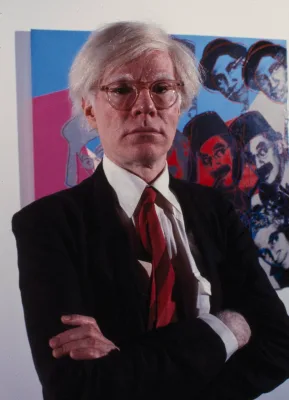
Meet the artist
Description
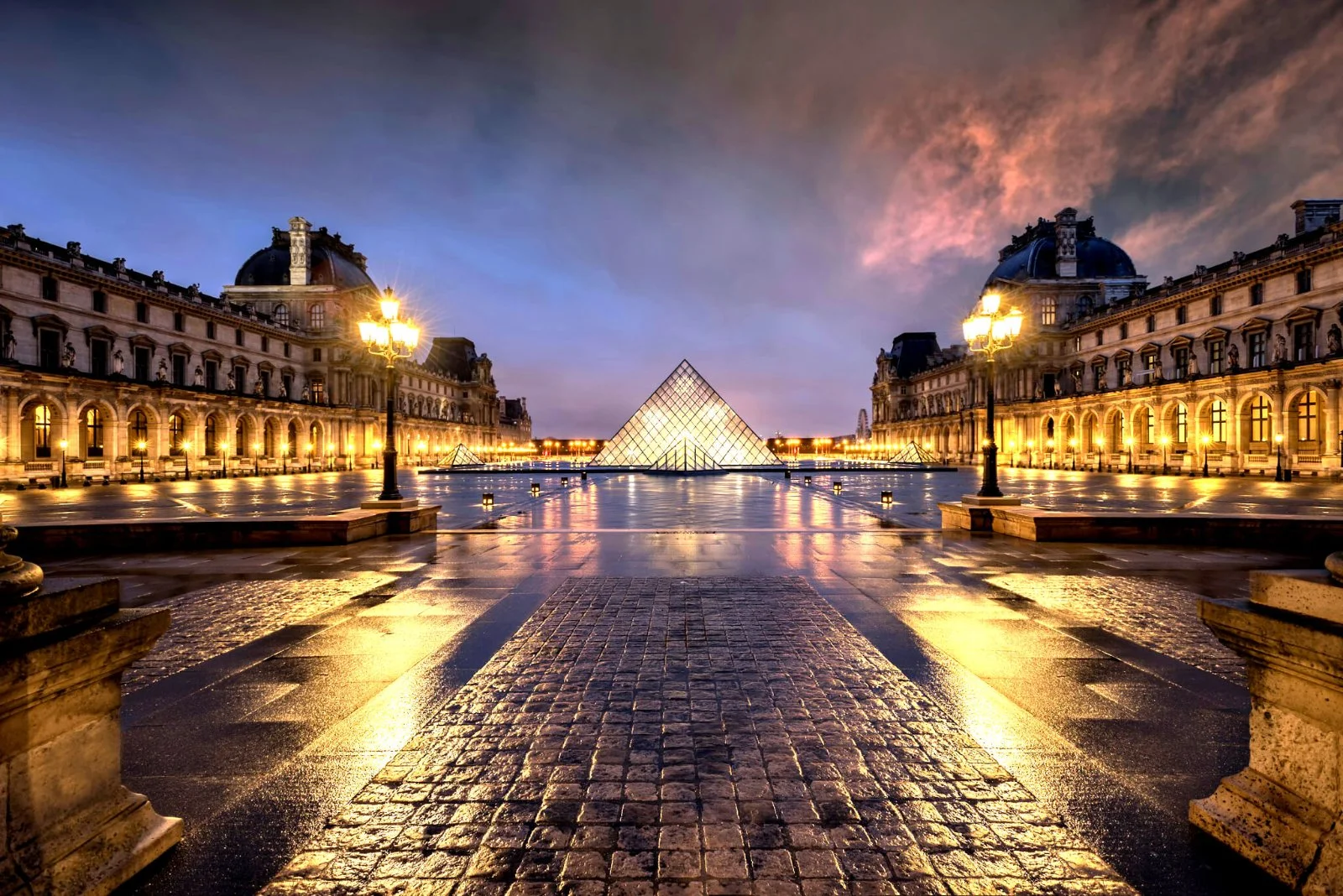
Andy Warhol: Line and image at the Musée du Luxembourg in Paris, France, re-examines the American artist's technical foundations. The exhibition focuses on the interplay between Warhol’s fluid hand-drawn lines and the stark, graphic nature of his later image-making. Visitors encounter a narrative that challenges the idea of Warhol as a purely mechanical producer, showing instead a creator deeply rooted in the traditions of drawing and composition.
The selection spans his 1950s commercial work for fashion magazines to the high-contrast silkscreens of the 1960s and 70s. Key sections display his innovative blotted line technique alongside high-profile portraits and experimental graphic studies. Loans from the Andy Warhol Museum and private collections provide a look at the sketches, Polaroids, and contact sheets that served as the blueprints for his most recognized Pop Art works.
By situating these works in the intimate setting of the Luxembourg, the show offers a quieter, more analytical perspective on a global celebrity. It argues that his ability to strip an image down to its essential lines was a skill developed long before he reached the Factory. This approach allows for a new appreciation of the manual labor and graphic intuition behind his influential aesthetic of mass repetition.
Worth travelling for?
A focused, rewarding stop for visitors interested in the graphic evolution of Pop Art and the technical craftsmanship behind mass-produced imagery.
Experience as an Artlover
The museum is open daily with late-night openings on Mondays. Since the gallery spaces are relatively compact, time-slot booking via the official website is highly recommended to avoid queues.
Andy Warhol: Line and image
Artlovers relevance
Plan your visit
Hours & rating from Google