At a glance
A focused look at the Spanish master's austere naturalism and bold use of color, bringing together his monumental monastic cycles alongside intimate still lifes.
Why go
You'll see
Pace of visit
Don't miss

Artlovers Tip
Bring headphones to use the free mobile app, and plan to visit the concurrent "Sculpting Colour" show in the same space to see how Zurbarán's painted volumes relate to 17th-century Spanish sculpture.
Look at the whites.
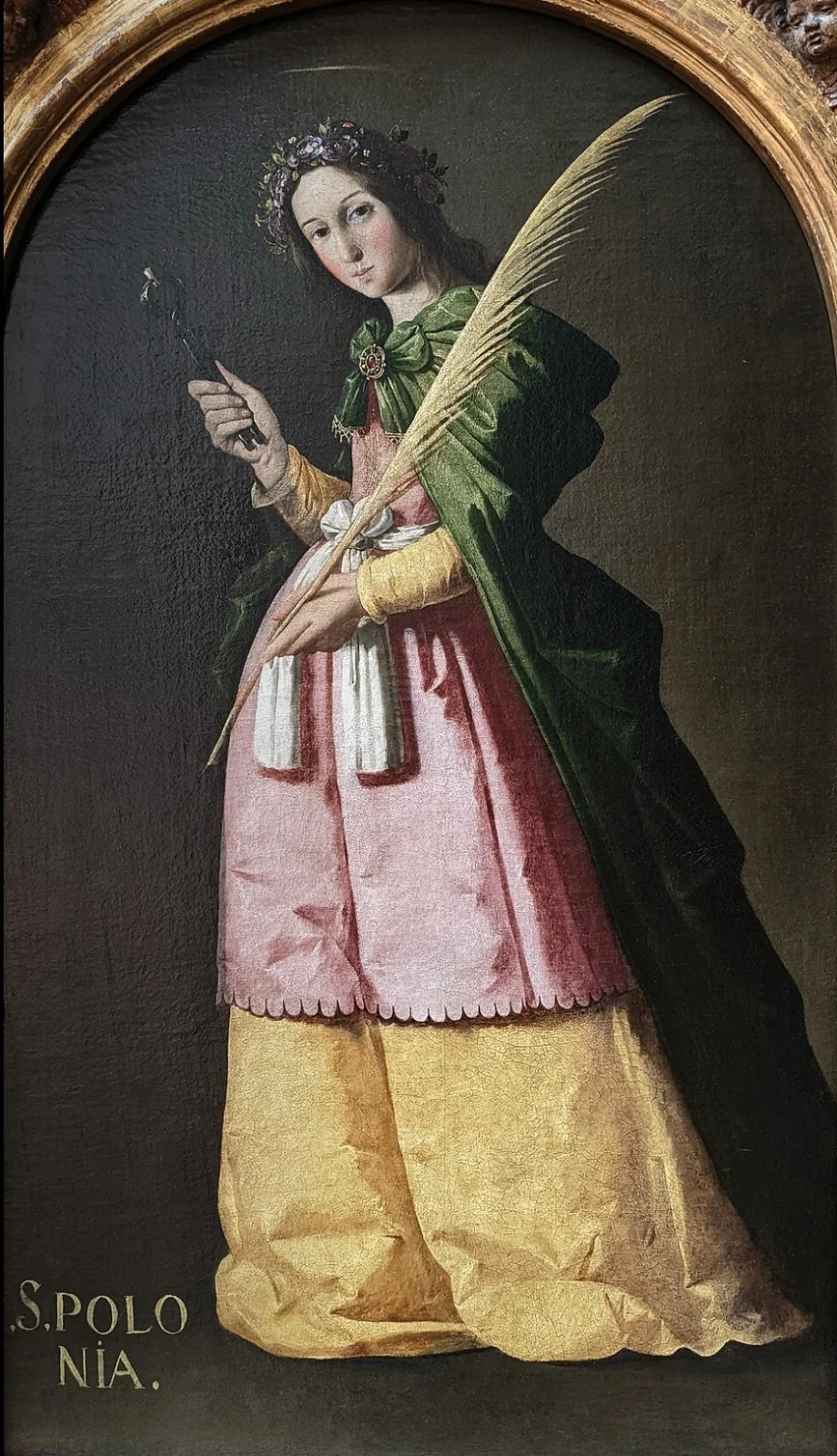
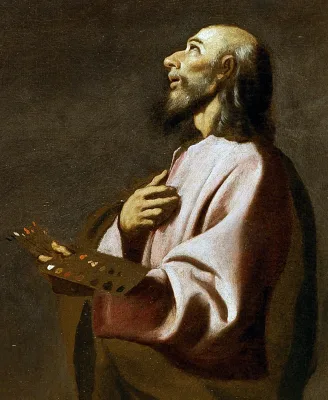
Zurbarán can turn a monk's plain white habit into an entire study of light, volume and texture. Then look at the objects — a cup, a piece of fruit, a flower. He gives ordinary things the same concentrated attention as sacred figures.
That's one of the keys to understanding why he can suddenly feel less like a Baroque painter and more like a modern one.
For lovers of Spanish painting, this is one of Paris's major exhibitions of the 2026–27 season.
Artlovers relevance
Inside the exhibition
Meet the artist
Key Movements
Medium
Genre
Description
Zurbarán 1598–1664 reassesses one of the great painters of the Spanish Golden Age through an ambitious selection spanning his long career. The exhibition begins with the intense religious imagery that established his reputation — solitary saints, monks and monumental monastic commissions — but expands the familiar image of Zurbarán through portraiture and still life. Across seven sections, chronology is occasionally interrupted to place related paintings together and make his formal inventions easier to see.
Zurbarán was once understood primarily through his relationship with Caravaggism and Counter-Reformation spirituality. Here, greater emphasis falls on something that twentieth-century artists recognised particularly clearly: the extraordinary construction of his pictures. Figures become almost sculptural volumes; backgrounds disappear into darkness; objects are isolated with startling precision; and colour can be unexpectedly sumptuous.
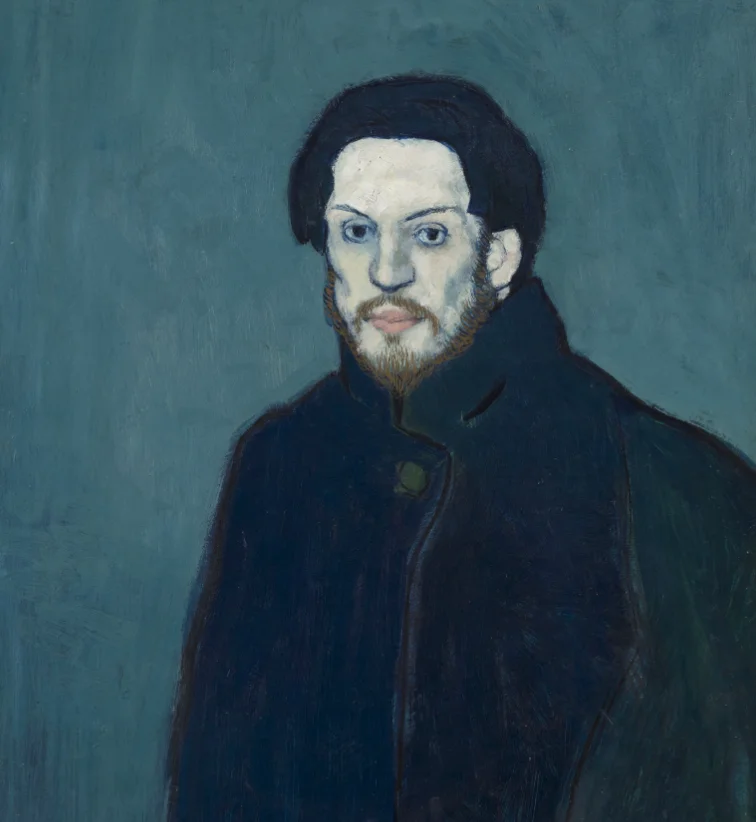
The exhibition even extends beyond Zurbarán's lifetime to examine his impact on the French avant-garde. Works associated with Manet, Picasso and Juan Gris reveal how artists looking for new ways to simplify form rediscovered a seventeenth-century Spanish painter as an unlikely precursor to modernism.
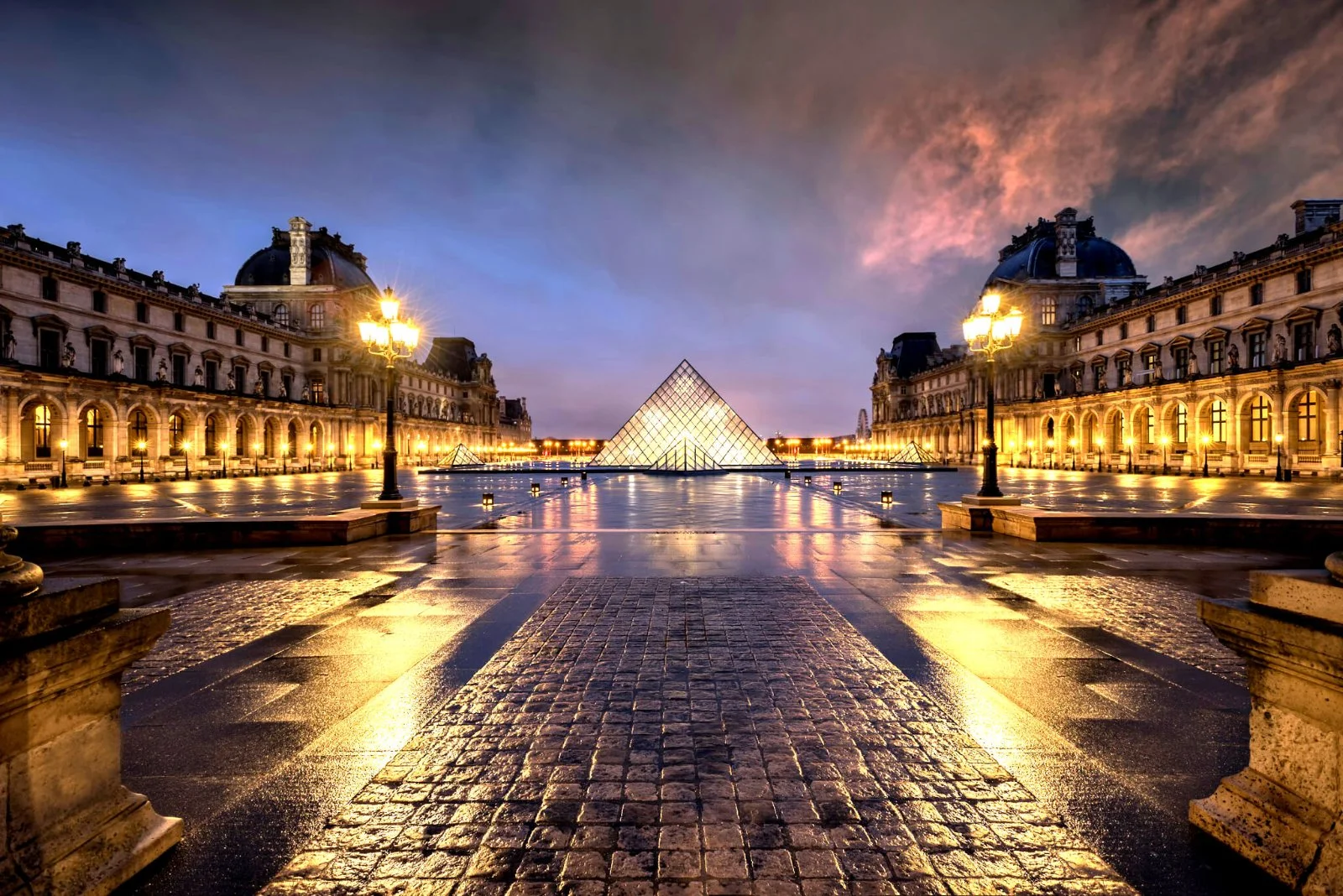
An additional reason to go: the Louvre presents Zurbarán alongside Sculpting Colour, devoted to masterpieces from the Museo Nacional de Escultura in Valladolid. The two exhibitions share a specially conceived scenography, creating a dialogue between Spanish Baroque painting and polychrome sculpture.
Francisco de Zurbarán (1598–1664) ranks alongside Velázquez and Murillo among the defining painters of seventeenth-century Spain. He became especially celebrated for religious commissions produced for monasteries and convents, creating figures whose severe stillness and physical presence made spiritual experience feel almost tangible.
But calling him simply a painter of religious austerity misses half the story. Zurbarán was also an exceptional colourist and observer of material reality. A white habit, ceramic vessel, piece of fruit or fold of cloth can command as much attention as a saint — one reason his work has fascinated modern artists.
Worth travelling for?
A substantial and rewarding retrospective for those interested in the Golden Age of Spanish painting and its enduring influence on modern art.
Artlovers verdict: if Velázquez shows you the spectacle of the Spanish Baroque, Zurbarán shows you its silence — and that silence can be extraordinarily powerful.
Experience as an Artlover
Follow the seven-part circuit to see the evolution of his style, and use the free mobile app to access audio content designed for both this and the adjacent sculpture show.
Zurbarán 1598–1664
Hours & rating from Google