At a glance
Jenny Holzer makes the Musée d’Orsay speak — turning artists’ letters, political texts and voices from the past into light, stone and words moving through the museum.
Why go
You'll see
Pace of visit
Don't miss

Artlovers Tip
Don’t read every word. Watch how the words behave: moving, glowing, disappearing or carved permanently into stone. Holzer makes the medium change how we interpret the message.
★★★★★ — Worth the trip
Inside the exhibition
Meet the artist
Key Movements
Description
J’ai vu runs at the Musée d’Orsay in Paris from 20 October 2026 to 21 February 2027, as part of the museum’s 40th-anniversary programme. Rather than occupying a conventional temporary-exhibition gallery, Holzer intervenes across the museum and its architecture.
At the centre of the project are words. Holzer has selected fragments from artists’ correspondence in the Musée d’Orsay archives, together with literary and political commentary from the period represented by its collection. These historical voices are redistributed through the media that have defined her career.
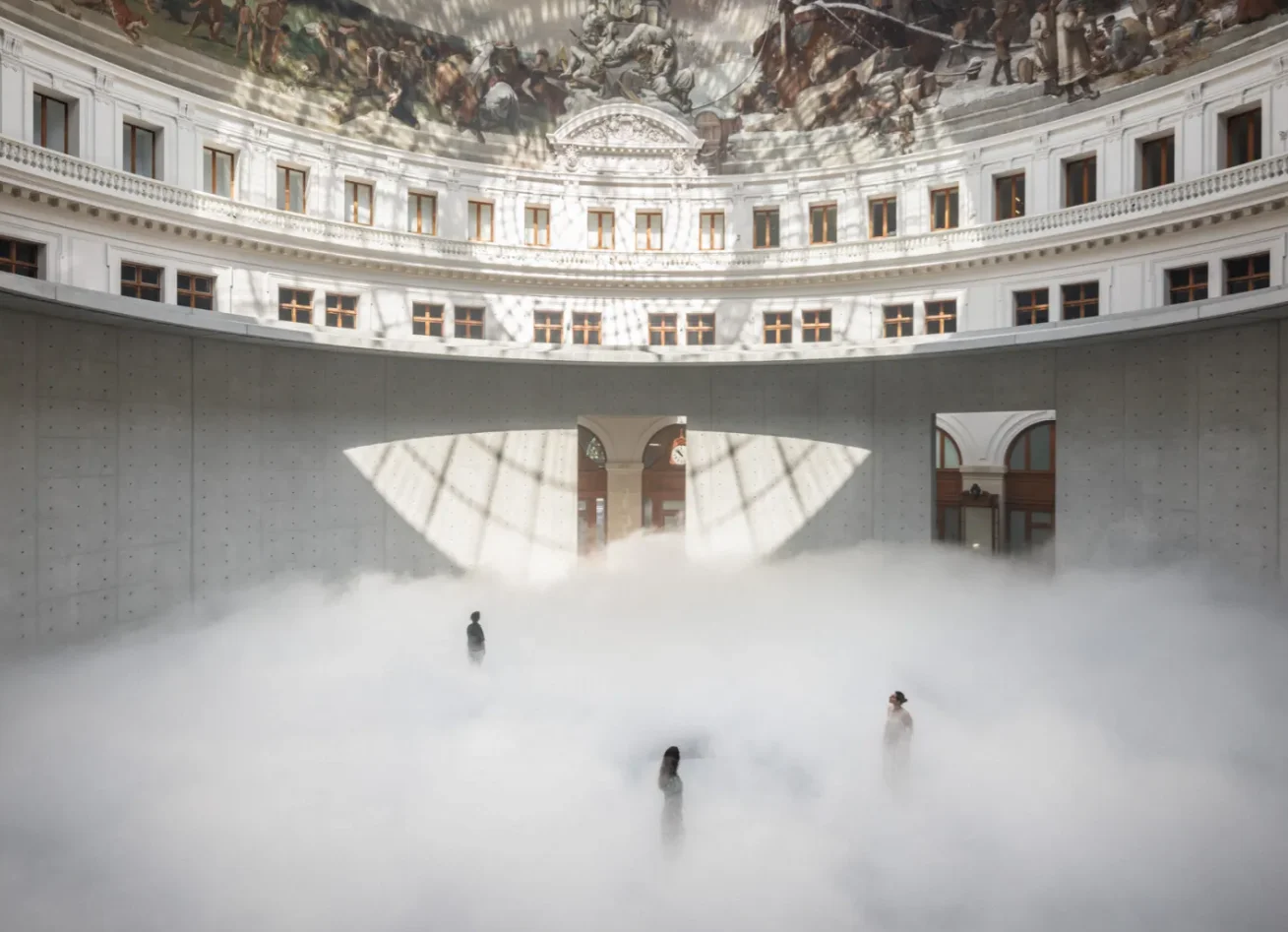
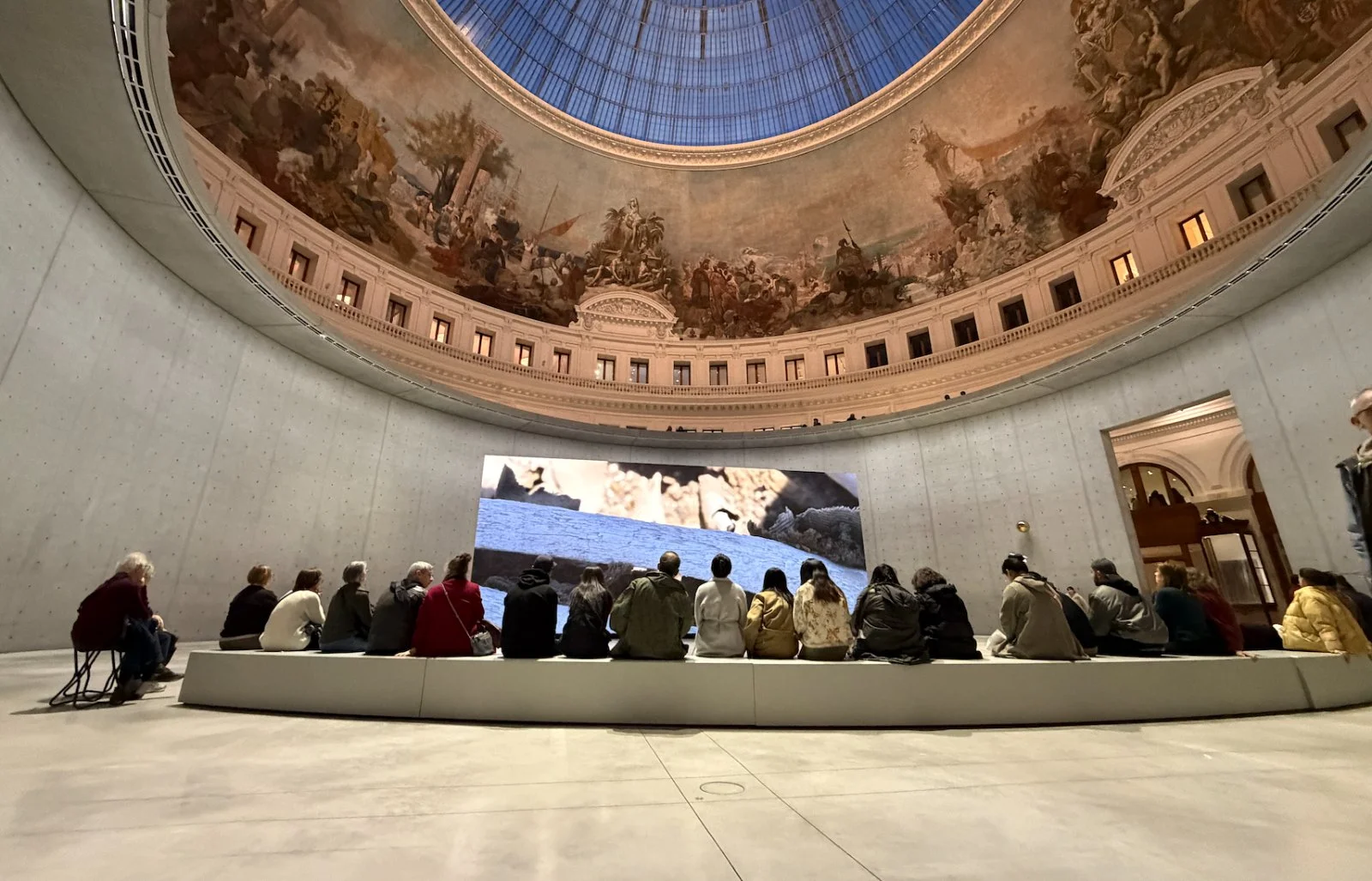
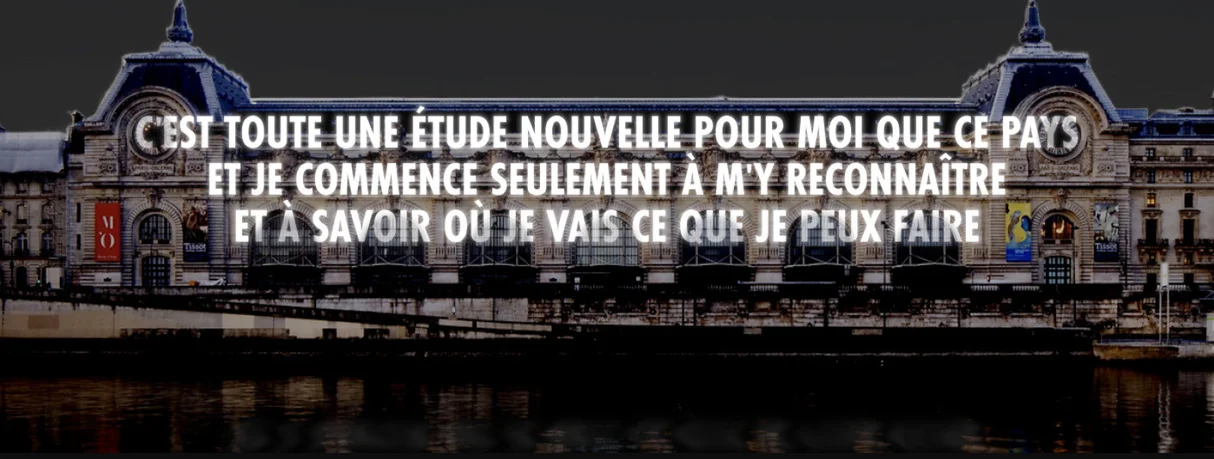
Outside, texts will be projected in light onto the museum’s historic façade. Inside, a specially conceived LED carries streams of language through galleries devoted to History Painting, Naturalism and Symbolism. The movement of the text also responds to the building’s original identity as the Gare d’Orsay railway station.
Holzer also introduces gold-, platinum- and palladium-leafed redaction paintings and newly created stone benches engraved with texts from the 1848–1914 period. The benches are deliberately positioned in dialogue with both Gae Aulenti's museum design and the permanent collection.
The result connects past and present rather than simply inserting contemporary art into a historical museum: the voices contained within the Orsay become Holzer's raw material.
Jenny Holzer (b. 1950, Ohio) is an American conceptual artist who has made language her primary artistic material. Since the late 1970s, she has placed provocative statements in public spaces using posters, electronic signs, projections, stone benches and monumental installations, addressing power, violence, politics, gender, truth and collective memory.
Worth travelling for?
★★★★★ — Worth the trip
This is exactly the kind of contemporary intervention that can make a familiar museum feel new. Holzer isn't simply bringing her work into the Orsay: she is using the museum itself — its archives, architecture, collection and history — as her material.
Jenny Holzer — J’ai vu
Hours & rating from Google