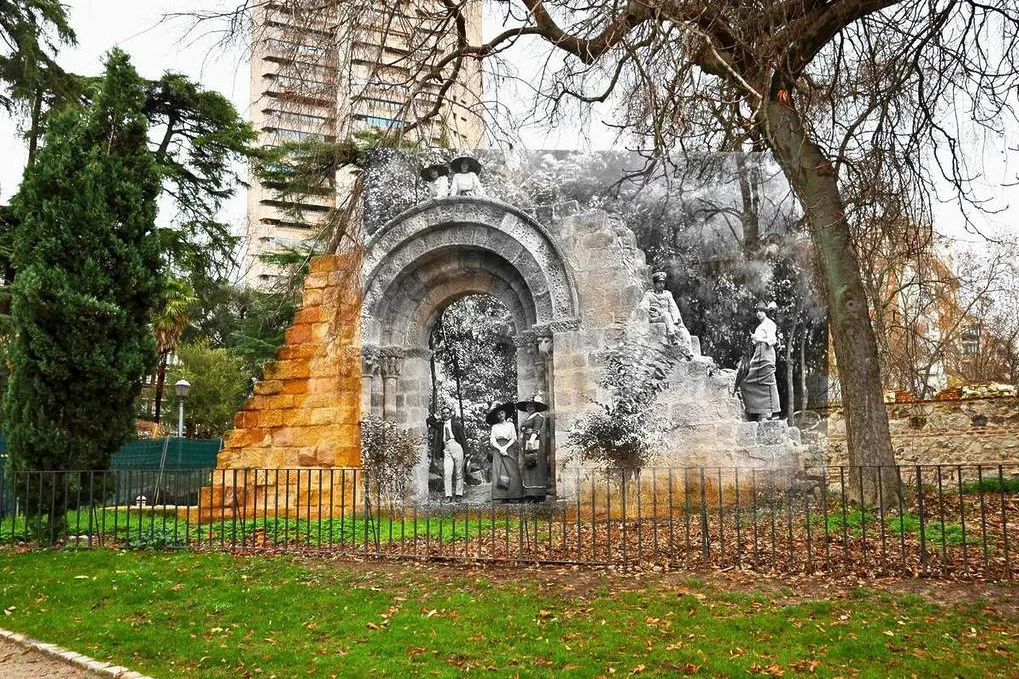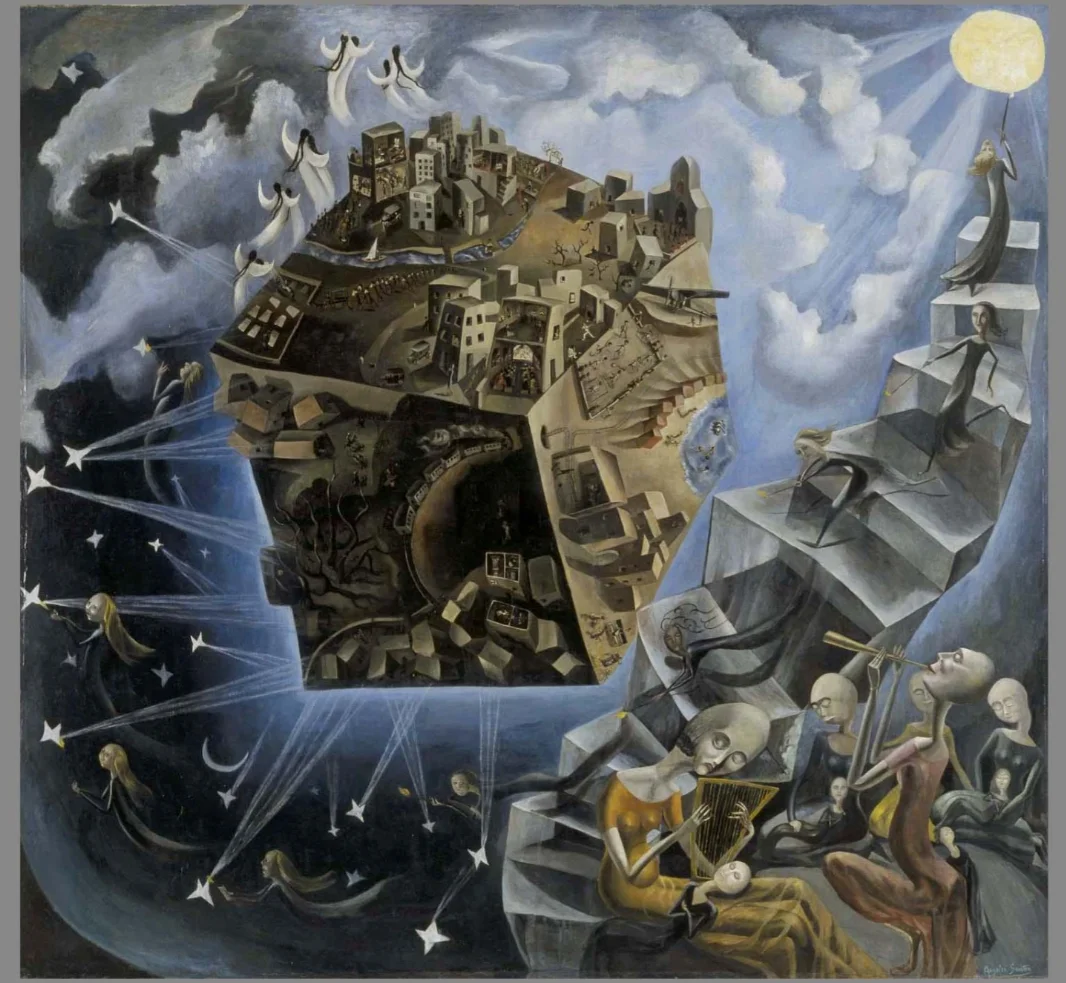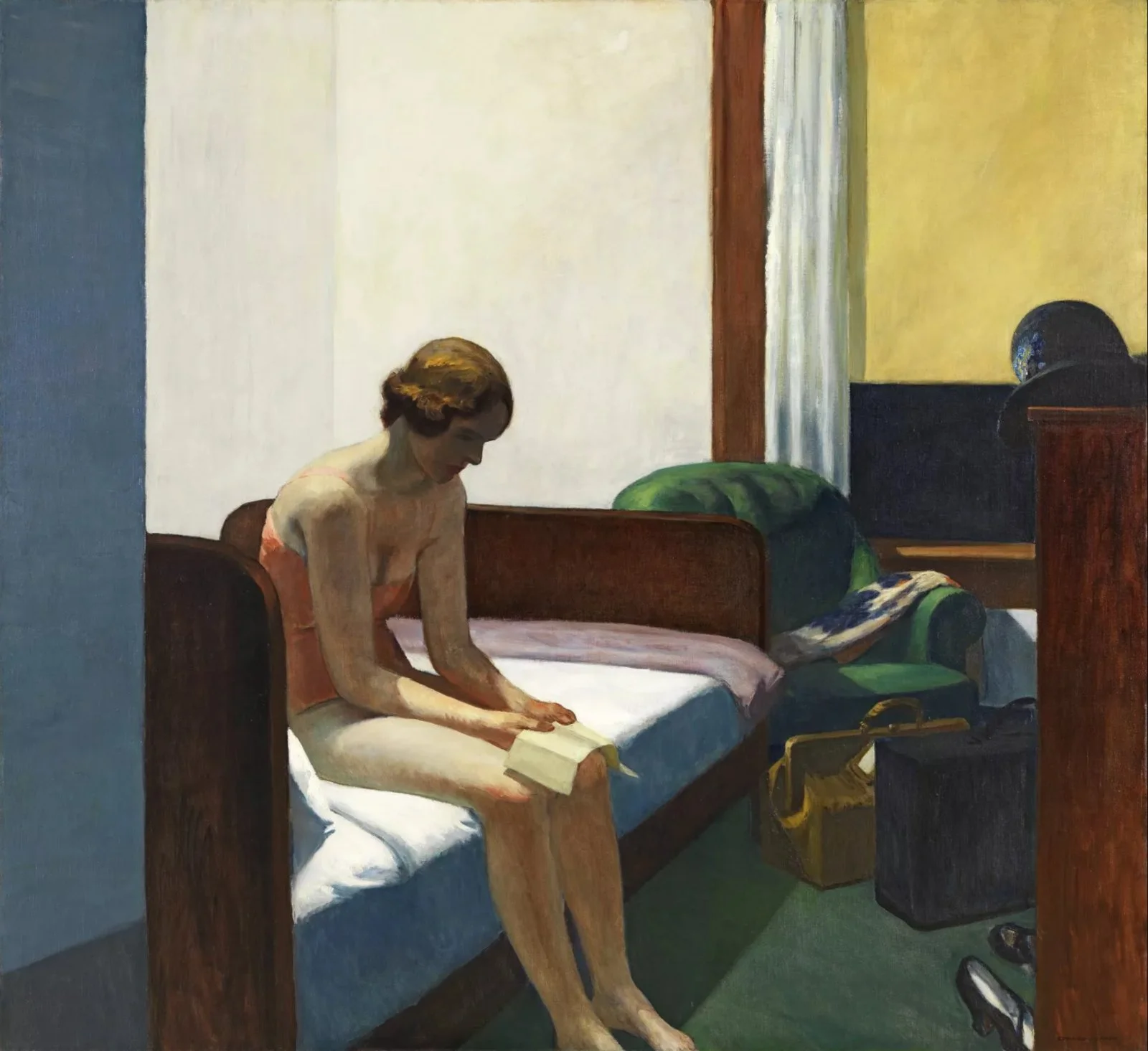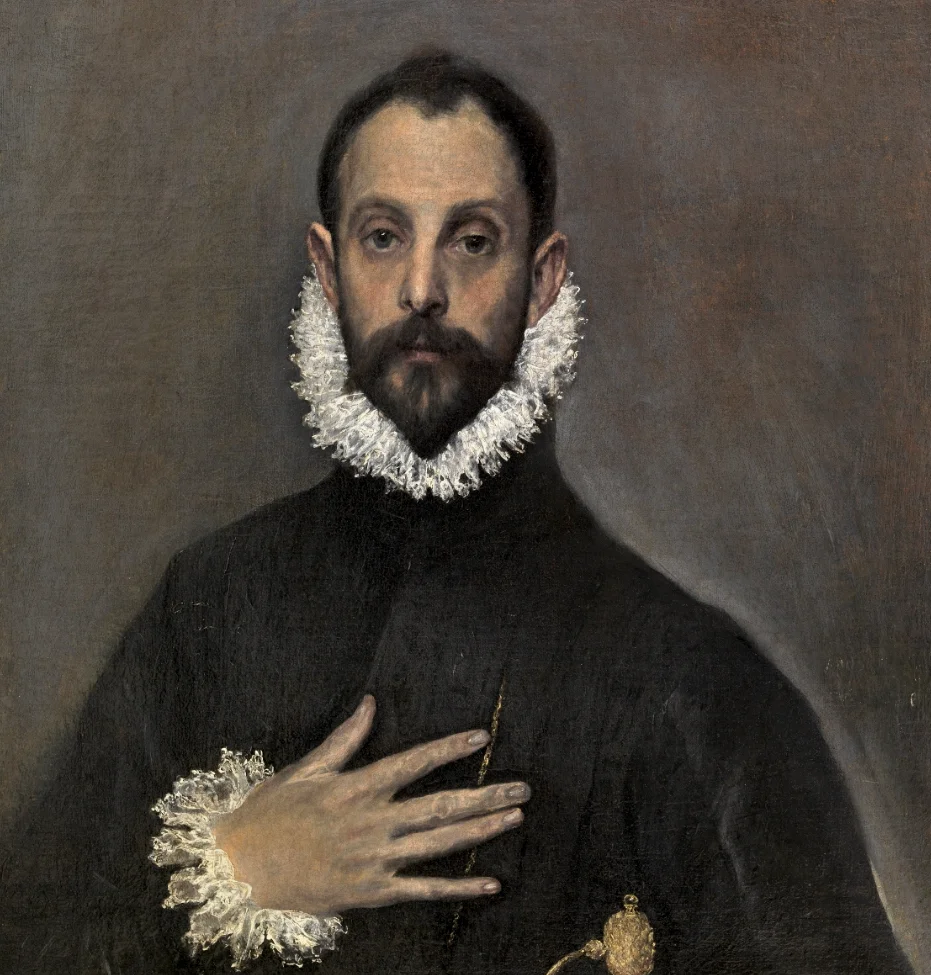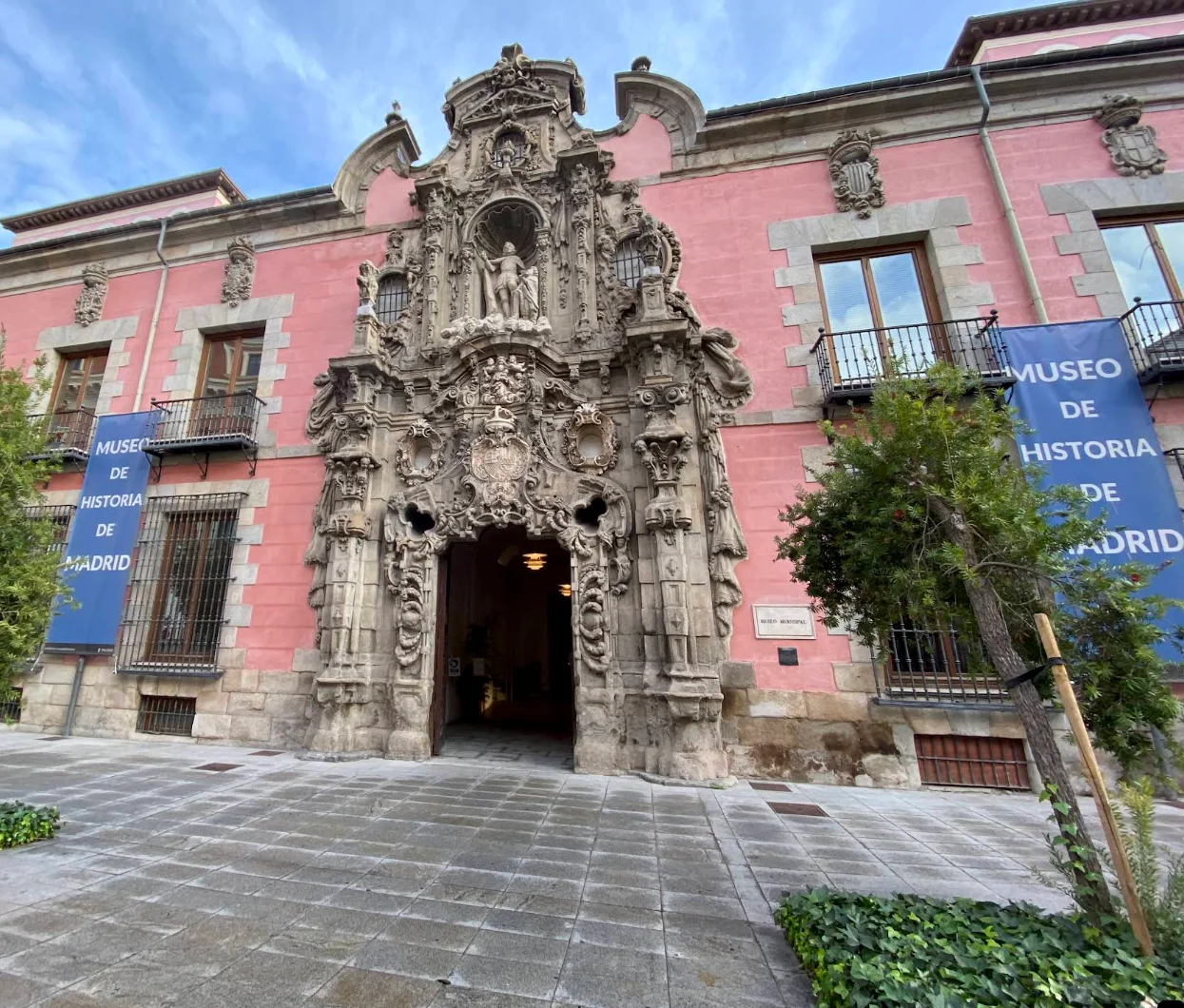
A free museum that turns Madrid into a story: streets, maps, cafés, kings, revolts, fashion, fiestas, and everyday life. Museo de Historia de Madrid is where the city stops being just a place you walk through — and becomes something you can read.
You may experience:
- Historic maps and city views
- Paintings and prints of Madrid life
- Decorative arts, furniture and objects
- Models and urban memory
- Temporary exhibitions connected to Madrid’s identity
- A quieter cultural stop between Malasaña, Tribunal, Chueca and Chamberí

About
The Museo de Historia de Madrid is dedicated to telling the story of Madrid from its origins to the early 20th century.
Located at Calle Fuencarral, 78, in the former Hospicio de San Fernando, the Museo de Historia de Madrid is one of the best places to understand how the city became Madrid. The building itself is already part of the visit: an 18th-century Baroque façade by Pedro de Ribera, right in the middle of one of Madrid’s most active urban areas.
The museum’s collection focuses on the history of Madrid from the moment it became capital of Spain in 1561 through the early 20th century. Instead of only presenting “great art,” it shows the city through paintings, prints, maps, models, furniture, decorative arts, photographs, posters, and objects of daily life.
This is a museum for people who love cities. You’ll see Madrid not as a tourist destination, but as a living organism: how it expanded, how people dressed, how they celebrated, how power staged itself, and how urban life changed over time.
Worth the trip
Yes — especially if you want to understand Madrid beyond the Prado, tapas and shopping.
What makes Museo de Historia de Madrid special is that it explains the city’s personality. It shows Madrid as capital, stage, marketplace, political symbol, social space and everyday home.
For Artlovers, it is worth including because cultural travel is not only about masterpieces. Sometimes the most powerful thing is understanding the city around the art: who lived there, how it grew, what it wanted to be, and why its streets still feel so alive.
© Google Museo de Historia de Madrid