At a glance
Before the Renaissance exploded, gold, silk, saints and Italian elegance were already transforming Spanish Gothic art.

Artlovers Tip
Inside the exhibition
Description
This is a major Prado exhibition about the artistic exchange between Italy and the Iberian Peninsula during the 14th and early 15th centuries. It explores how the innovations of the Italian Trecento travelled through the Mediterranean and reshaped Gothic art in Spain, especially in territories such as Catalonia, Aragon and the Balearic Islands.
You’ll see more than one hundred works across different media: painting, sculpture, goldsmithing, illuminated manuscripts, drawings, embroidery and silk textiles. Many are little known, and some had never been shown to the public before.
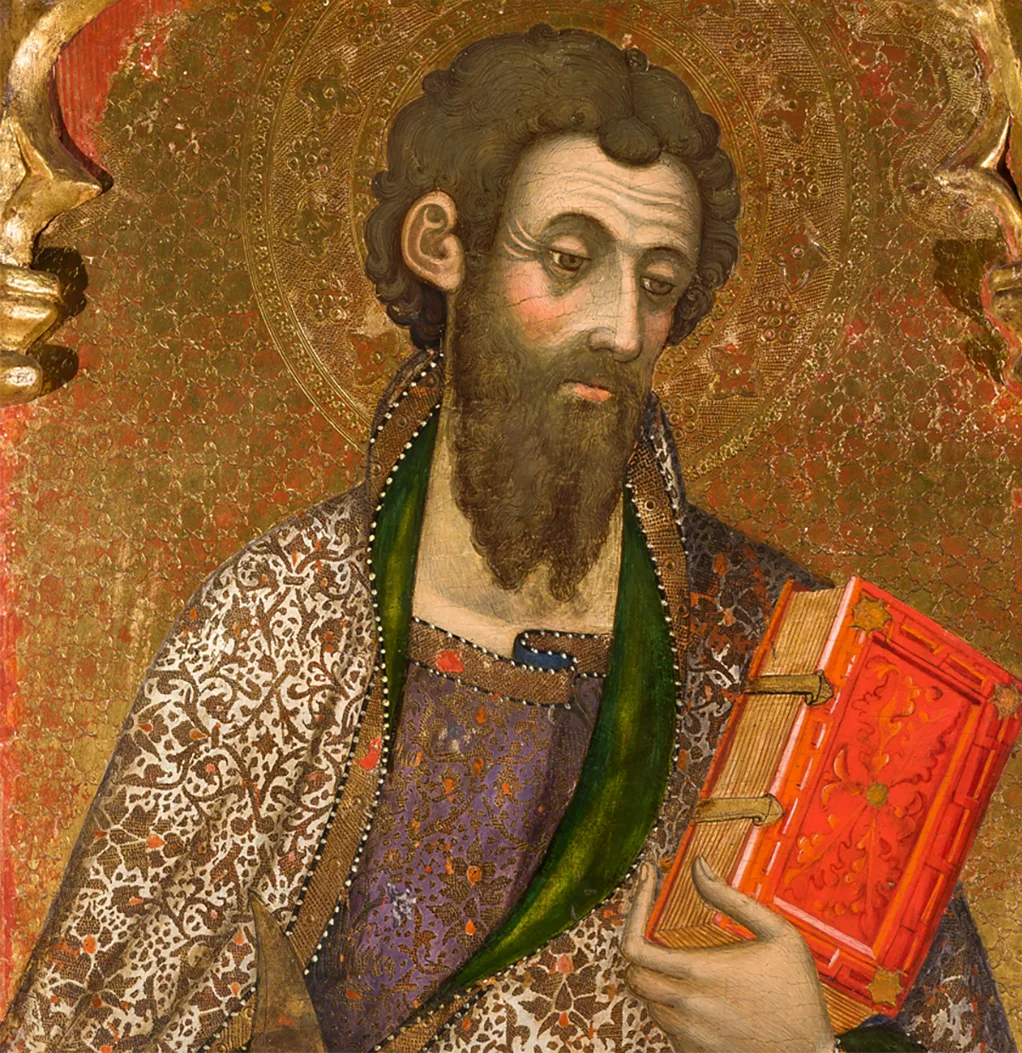
The exhibition is especially rich in panel painting, gold backgrounds, refined textiles, devotional images and altarpieces. Think of it as a Mediterranean world before the Renaissance became the main story: luminous, symbolic, spiritual, but already full of movement, luxury and new visual ambition.
Worth travelling for?
Because this exhibition helps rewrite the usual art-history route.
We often jump from Gothic to Renaissance as if everything important happened in Florence. But In the Italian Manner shows a more complex map: ideas moving by sea, artists adapting styles, patrons demanding new visual languages, and Spain absorbing and transforming Italian models in its own way.
For Artlovers, it is worth the trip because it reveals a less obvious Prado: not only Velázquez, Goya and Bosch, but a museum capable of opening deep medieval stories with beauty and scholarship. It is the kind of exhibition that makes you look again at gold — not as decoration, but as light, power and spiritual theatre.
Experience as an Artlover
Don’t rush the gold.
Stand close to the panels and look at the surfaces: the halos, fabrics, folds, architectural frames, gestures and small narrative details. Then step back and imagine the Mediterranean as the real protagonist — not a border, but a highway of images.
This is a perfect exhibition to pair with the Prado’s early Renaissance and devotional painting rooms. It gives you the “before” that makes the Renaissance feel less sudden and much more connected.
In the Italian Manner. Spain and the Mediterranean Gothic, 1320-1420
Artlovers relevance
Plan your visit
Hours & rating from Google