This is where art stops being beautiful… and starts being real.

Visit the Reina Sofía after the Prado. The contrast is powerful: from royal portraits and sacred dramas to fractured bodies, political images, abstraction and protest. The Reina Sofía is not where art becomes easier — it is where art becomes urgent.
Inside the exhibition
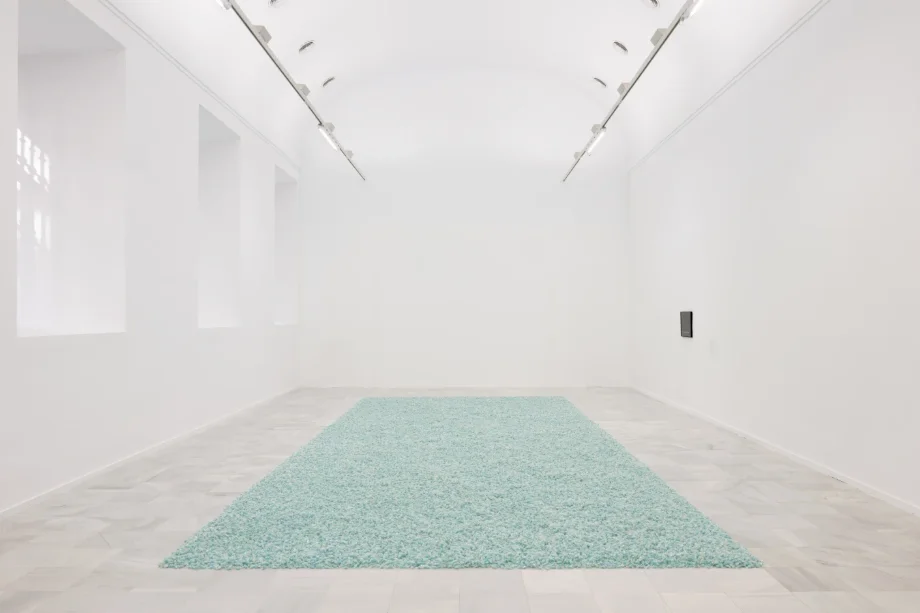
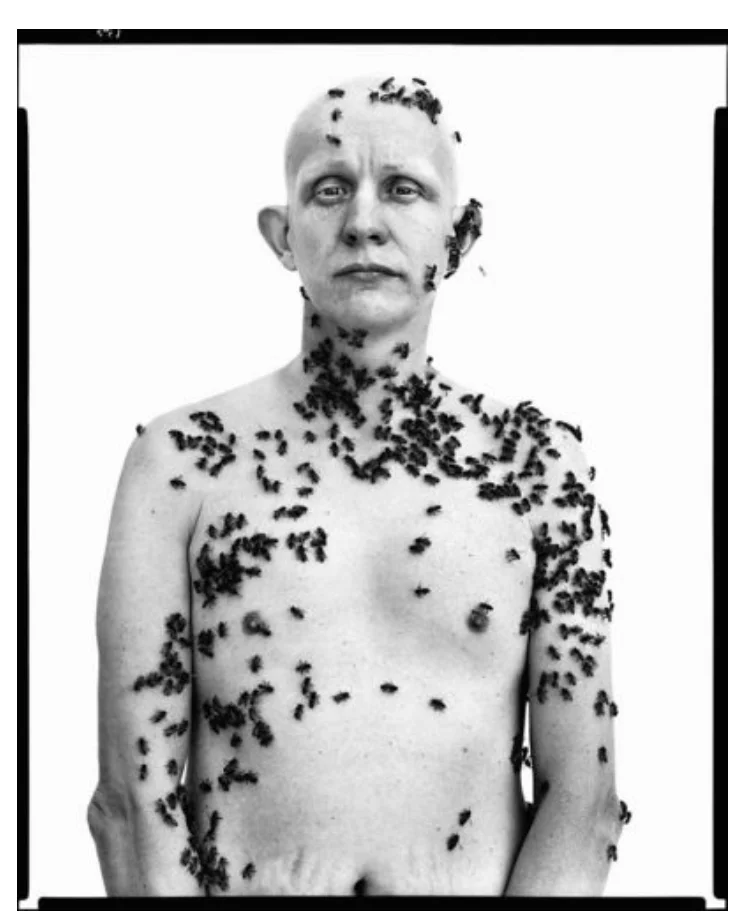
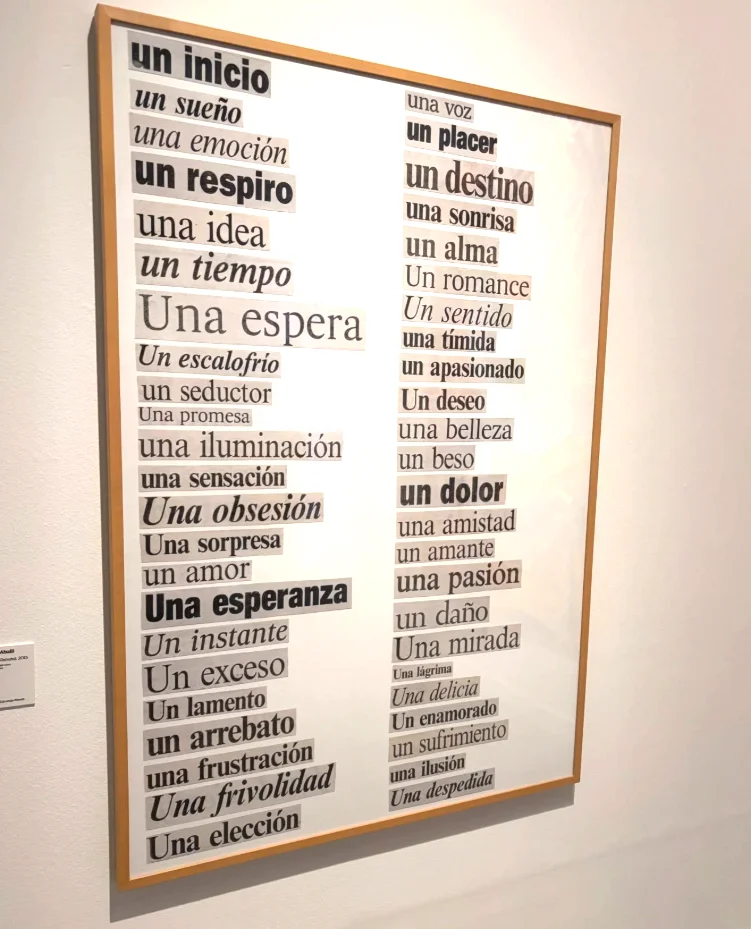
Modern and contemporary art: avant-garde, Cubism, Surrealism, abstraction, conceptual art, political art, feminist practices, performance, video, installation and contemporary visual culture.
This is not a collection built around one style. It is a museum of rupture: how artists responded to war, dictatorship, exile, identity, power, social change and the instability of the modern world.
The Reina Sofía collection is one of the key places to understand 20th- and 21st-century art in Spain, in dialogue with international and Latin American practices.
You’re watching art after certainty disappears:
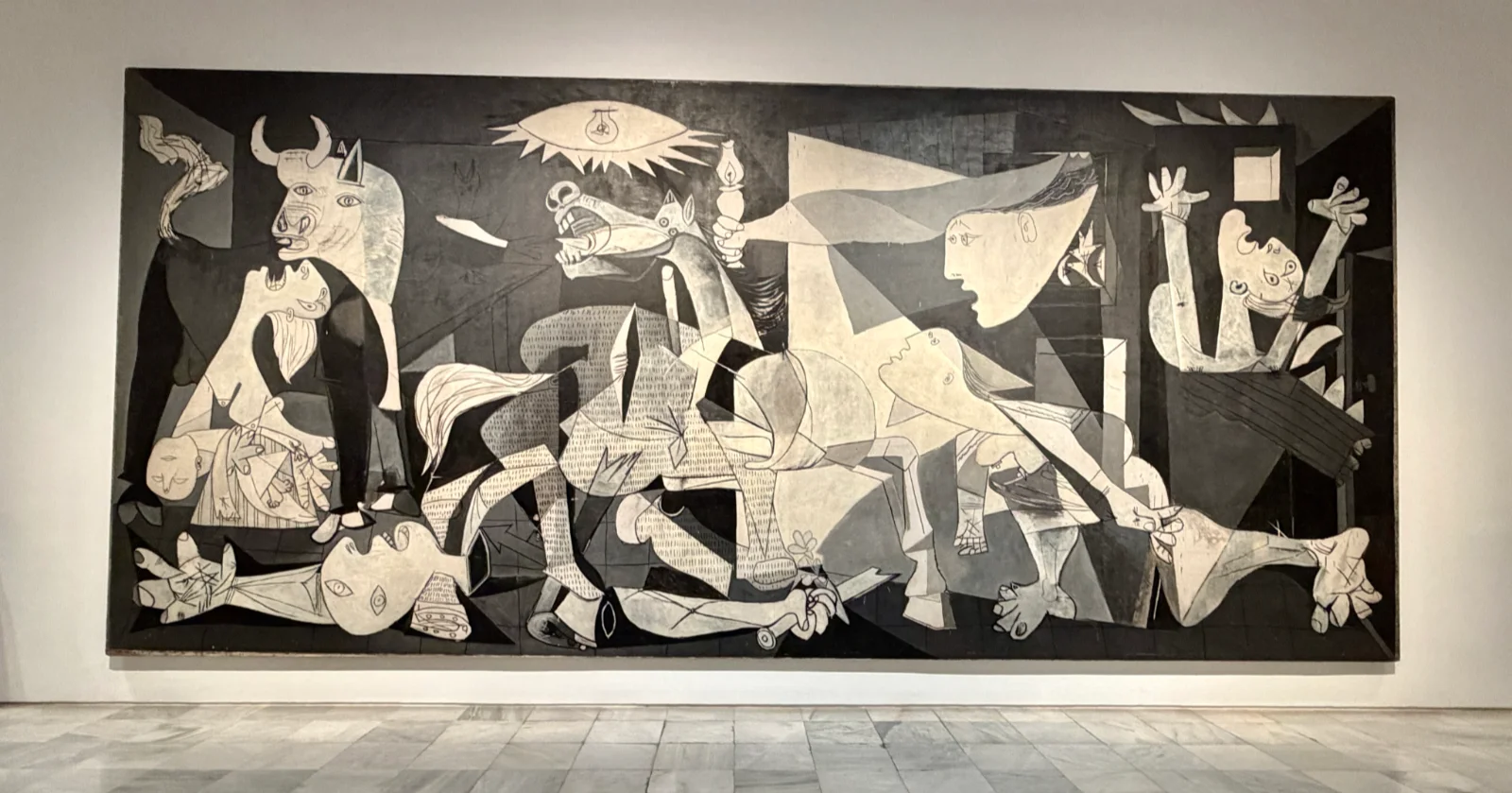
- Picasso’s Guernica as the emotional and political centre of the museum
- Spanish avant-garde, exile, civil war and post-war memory
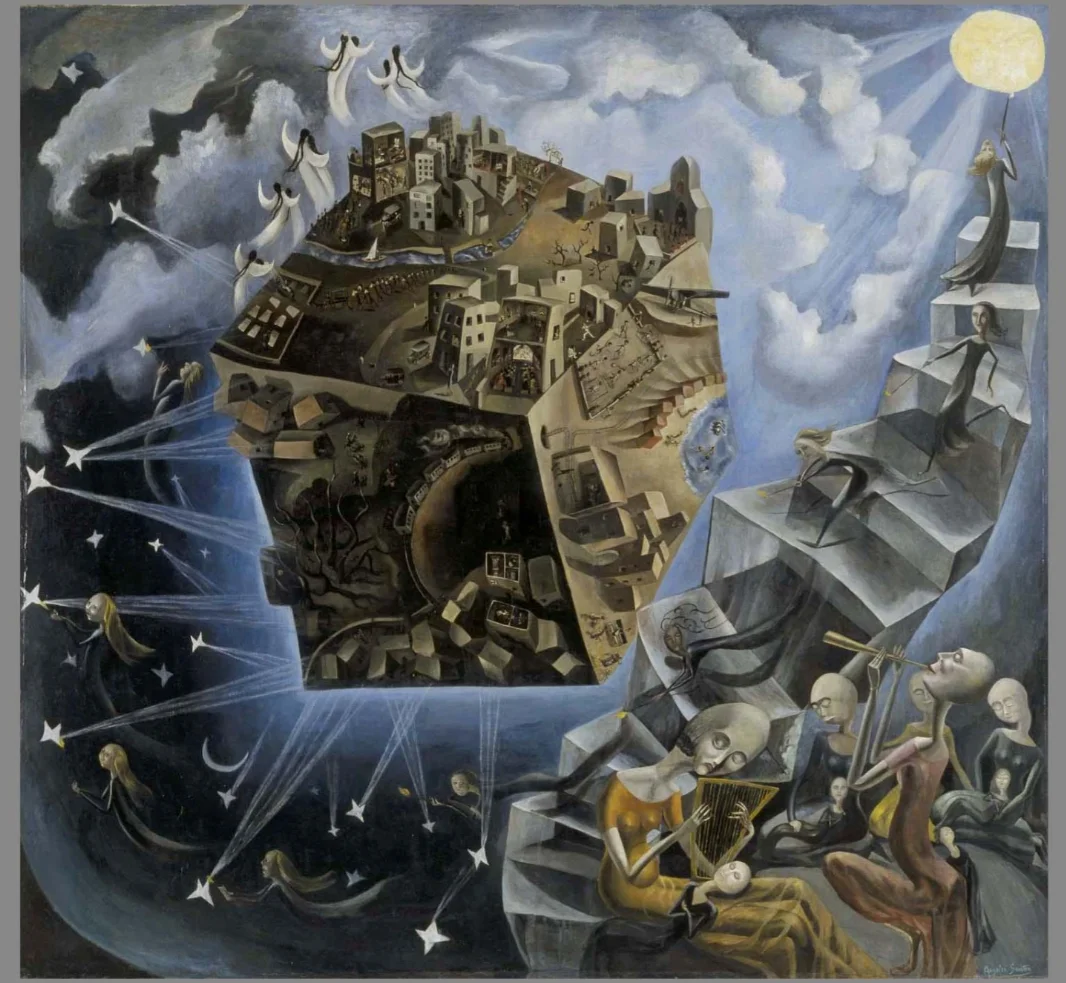
- Surrealist and experimental languages
- Abstraction, conceptual art and new media
- Feminist and political practices that challenge who gets represented
- Contemporary works that question institutions, territory, body, identity and power
The museum’s own collection display is currently evolving, with new readings and multiple narratives replacing a single linear story.
Worth travelling for?
Yes — essential, especially after visiting the Prado.
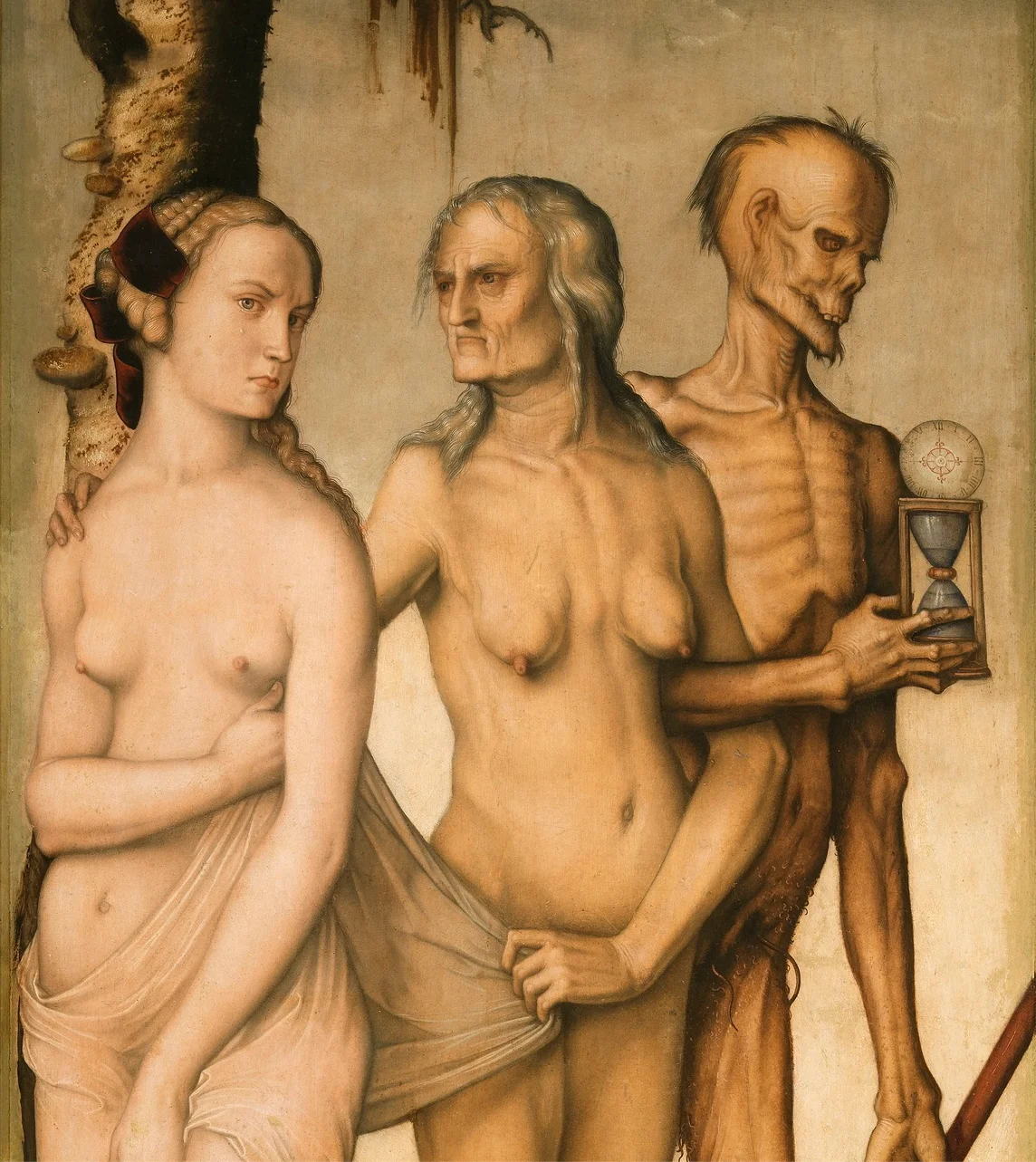
The Reina Sofía matters because it completes Madrid’s art story. The Prado gives you tradition, mastery and historical power. The Reina Sofía gives you fracture: the moment art becomes protest, trauma, experiment and social consciousness.
It is worth the trip because this is where you understand why modern art looks the way it does. It is not always comfortable, decorative or easy — but it is alive with the questions that shaped the last century.
Experience as an Artlover
Start with Guernica, but don’t stop there. Use it as the emotional anchor.
Explore the surrounding rooms to understand war, exile and modern Spain.
Don’t try to “finish” the museum in one visit — choose a route or theme.
Pay attention to the collection as a conversation, not a timeline.
Leave space for works that feel difficult or confusing: at Reina Sofía, that is often where the meaning begins.
The Collection — Museo Nacional Centro de Arte Reina Sofía
Hours & rating from Google