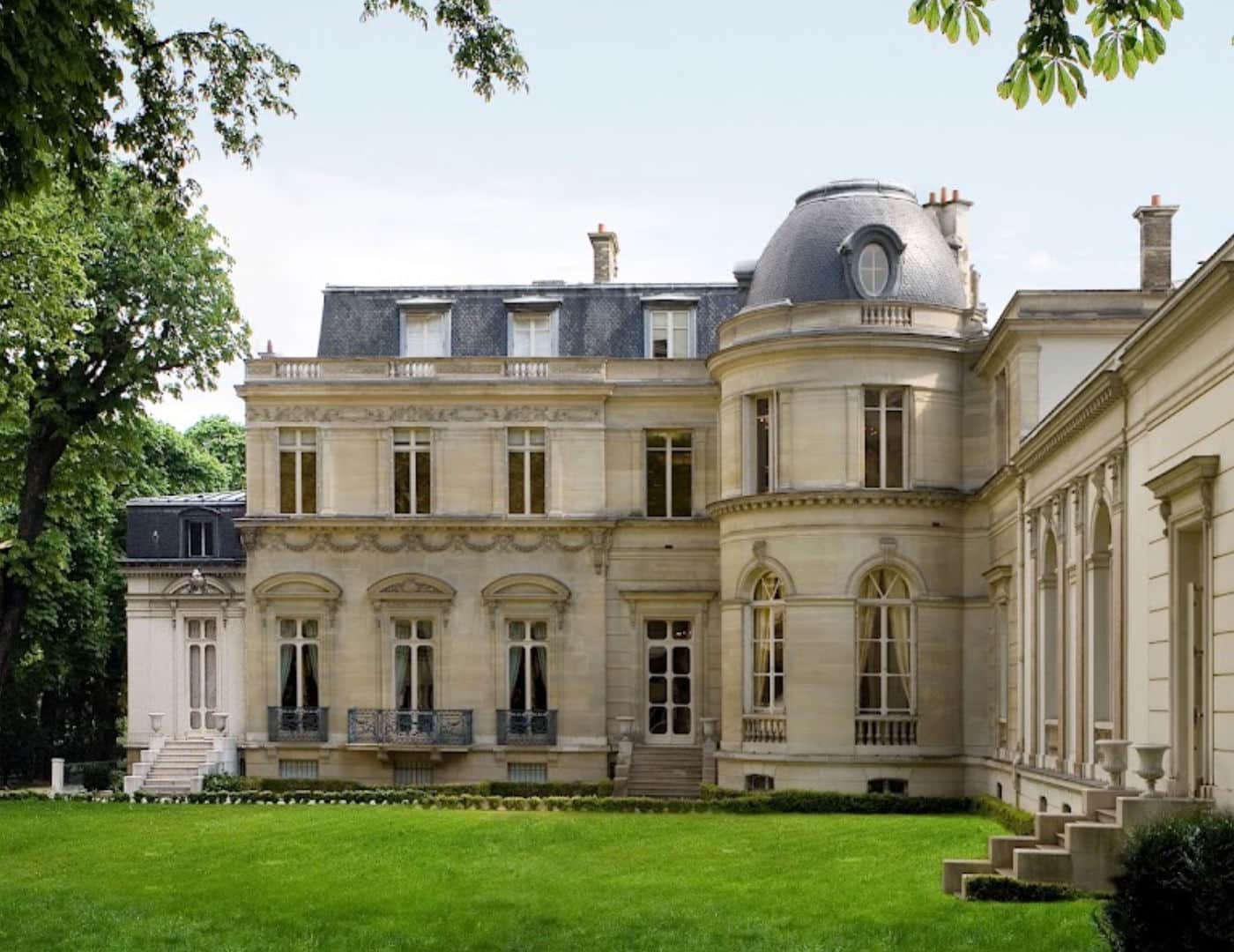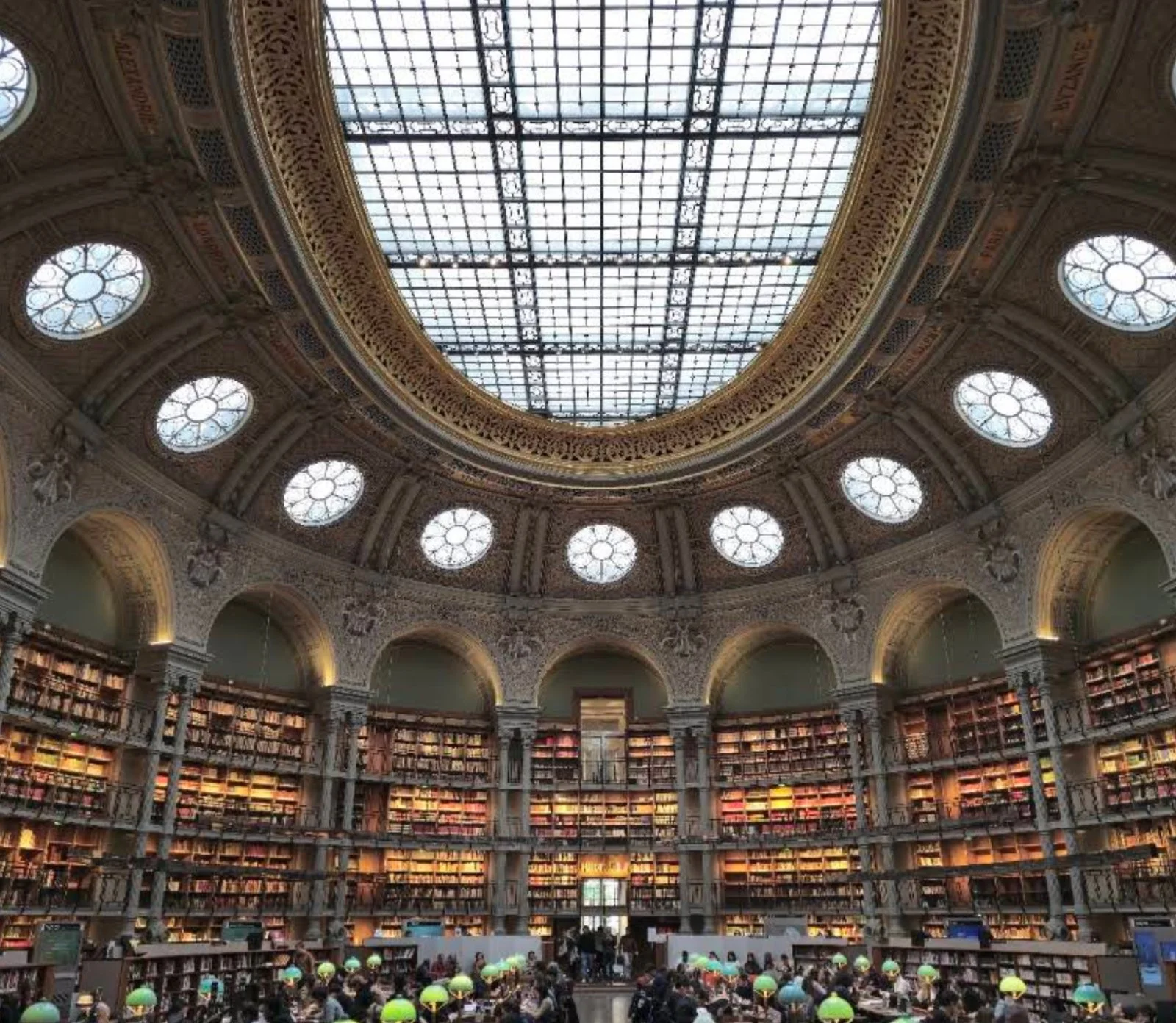
Part library, part museum and part architectural masterpiece: BnF Richelieu turns centuries of books, images and objects into one of Paris’s richest—and most surprising—cultural visits.
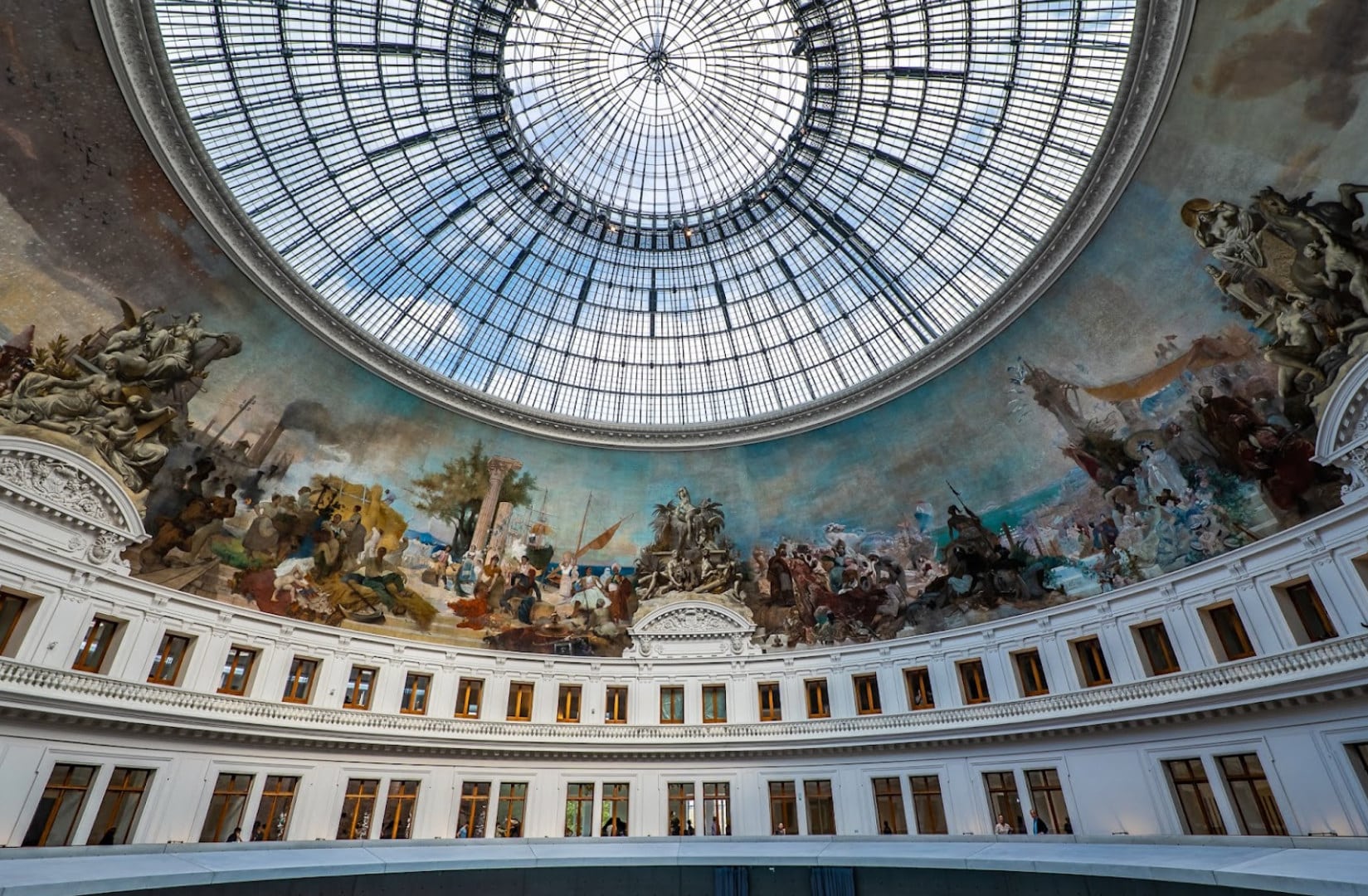
- The monumental, freely accessible Salle Ovale
- A museum displaying almost 900 objects from Antiquity to the present
- Temporary exhibitions built around the BnF’s exceptional holdings in manuscripts, prints and photography
Collection highlights
- The Grand Camée de France, created in Rome around AD 23 and considered the largest surviving cameo from Antiquity
- The Berthouville Treasure, more than 25 kilograms of Roman and Gallo-Roman silver
- The so-called Throne of Dagobert, dating from the eighth or ninth century
- The Chessboard of Charlemagne

Start with the museum while your concentration is fresh and leave the Salle Ovale until the end. Once inside the reading room, sit down beneath the glass roof and spend ten minutes doing what the space was created for: reading rather than photographing.
About the venue
About
Richelieu preserves the material memory of France in forms extending far beyond the printed book.
The institution brings together royal collecting, state archives, scholarly research and public access. Objects once reserved for rulers, librarians and specialists are now presented as part of a continuous visual history—from ancient Mediterranean civilisation to photography and contemporary graphic art.
The museum is especially valuable because it challenges the separation between “art” and “document.” A manuscript, map, coin or theatre costume can be studied as historical evidence and experienced as a visual object at the same time.
Worth the trip
One of the most rewarding cultural transformations in Paris.
Come for the spectacular Salle Ovale; stay for Roman treasures, medieval manuscripts, historic maps and one of Paris’s most beautiful Baroque galleries.
© Bibliothèque nationale de France (BnF)
Bibliothèque nationale de France (BnF) | Richelieu
Nearby route ideas
Library, passages and contemporary art
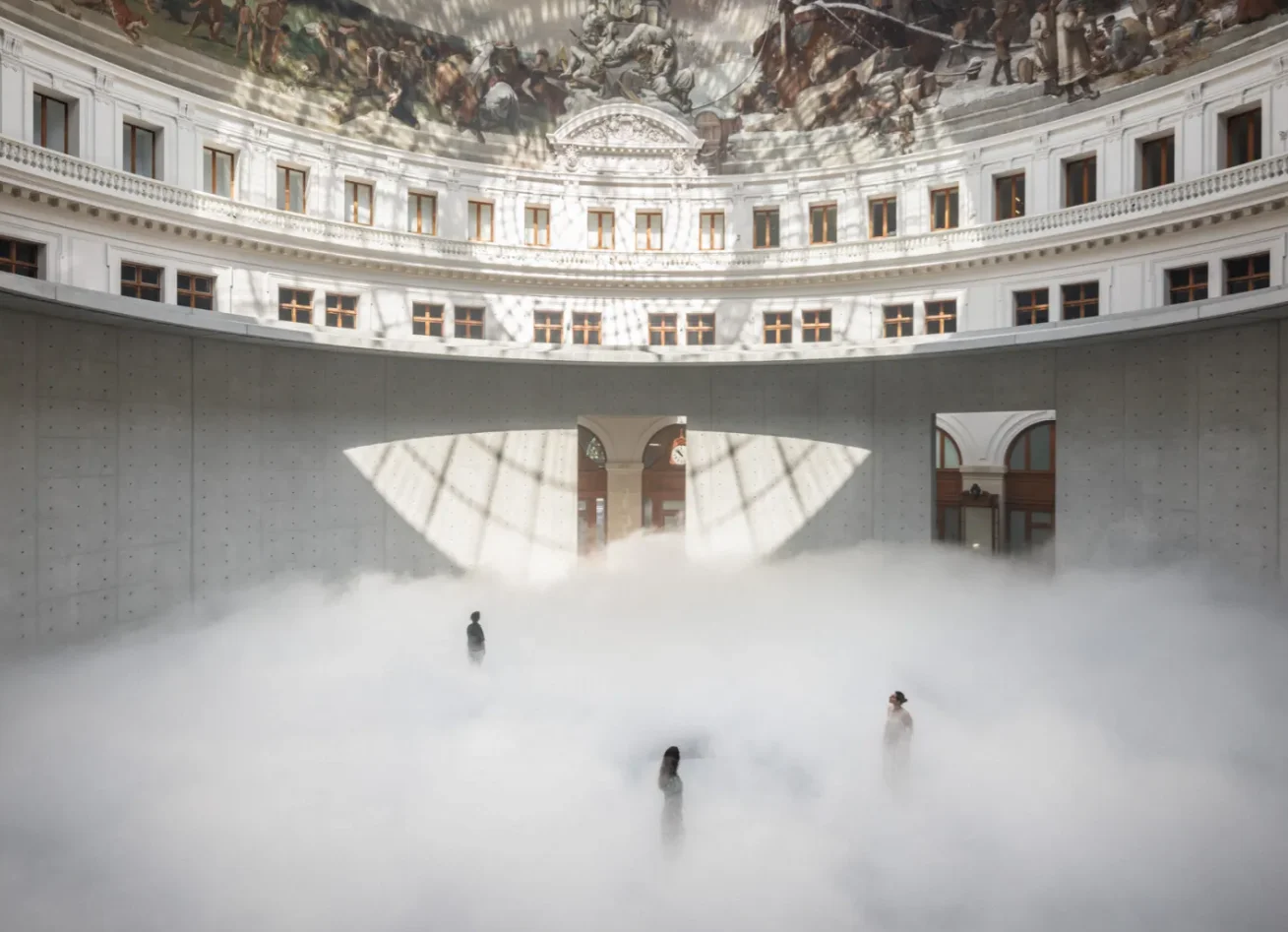
BnF Richelieu → Galerie Vivienne → Palais-Royal → Bourse de Commerce
Begin with the BnF museum and Salle Ovale, then exit through rue Vivienne into one of Paris’s most elegant covered passages. Continue through the Palais-Royal gardens before finishing with contemporary art at the Bourse de Commerce–Pinault Collection.
The route moves naturally from historic collecting and printed culture to contemporary artistic production.
Allow: Half a day
Best for: Architecture, books and contemporary art
From the national library to the Louvre
BnF Richelieu → Palais-Royal → Musée du Louvre → Tuileries Garden
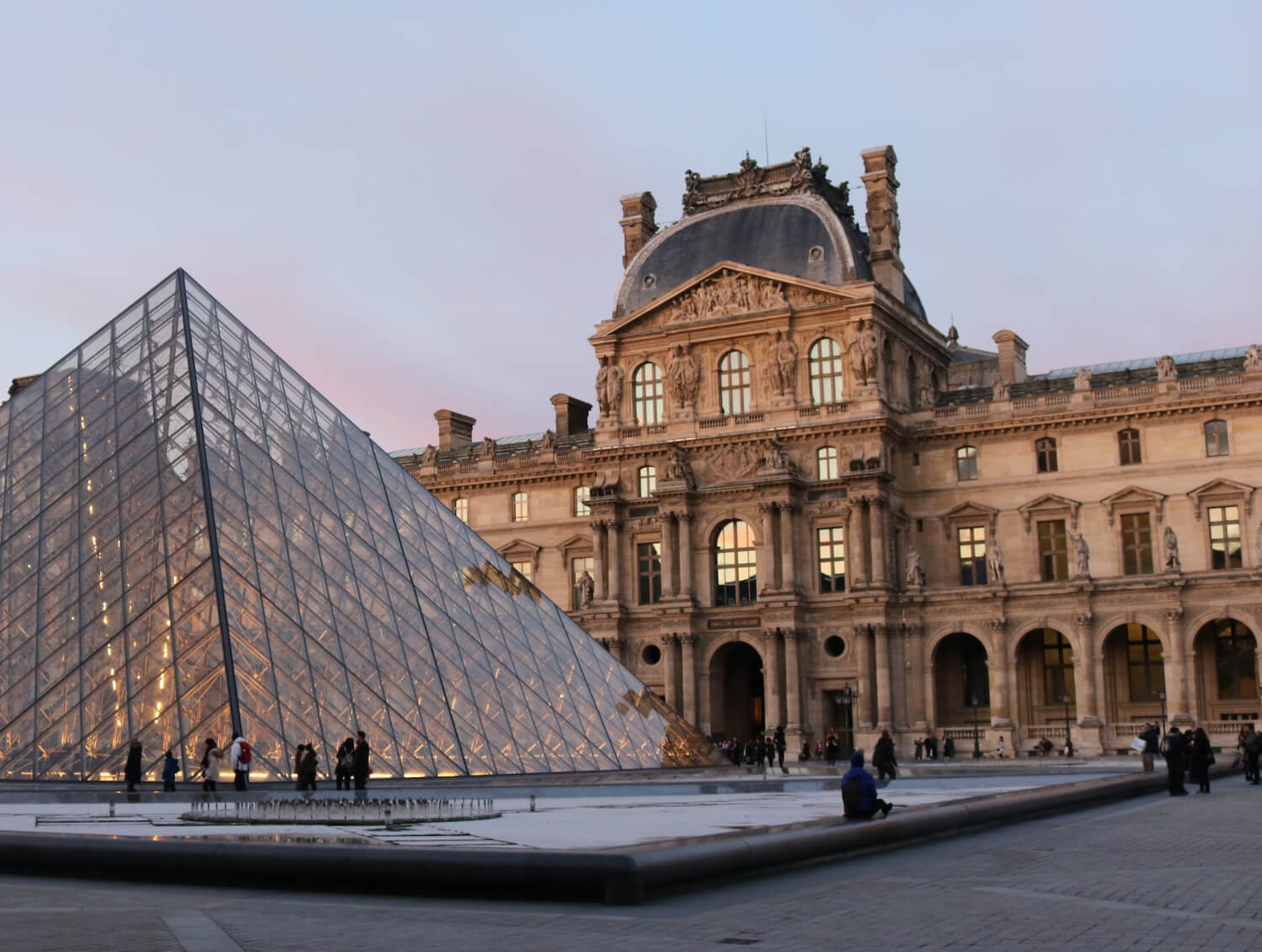
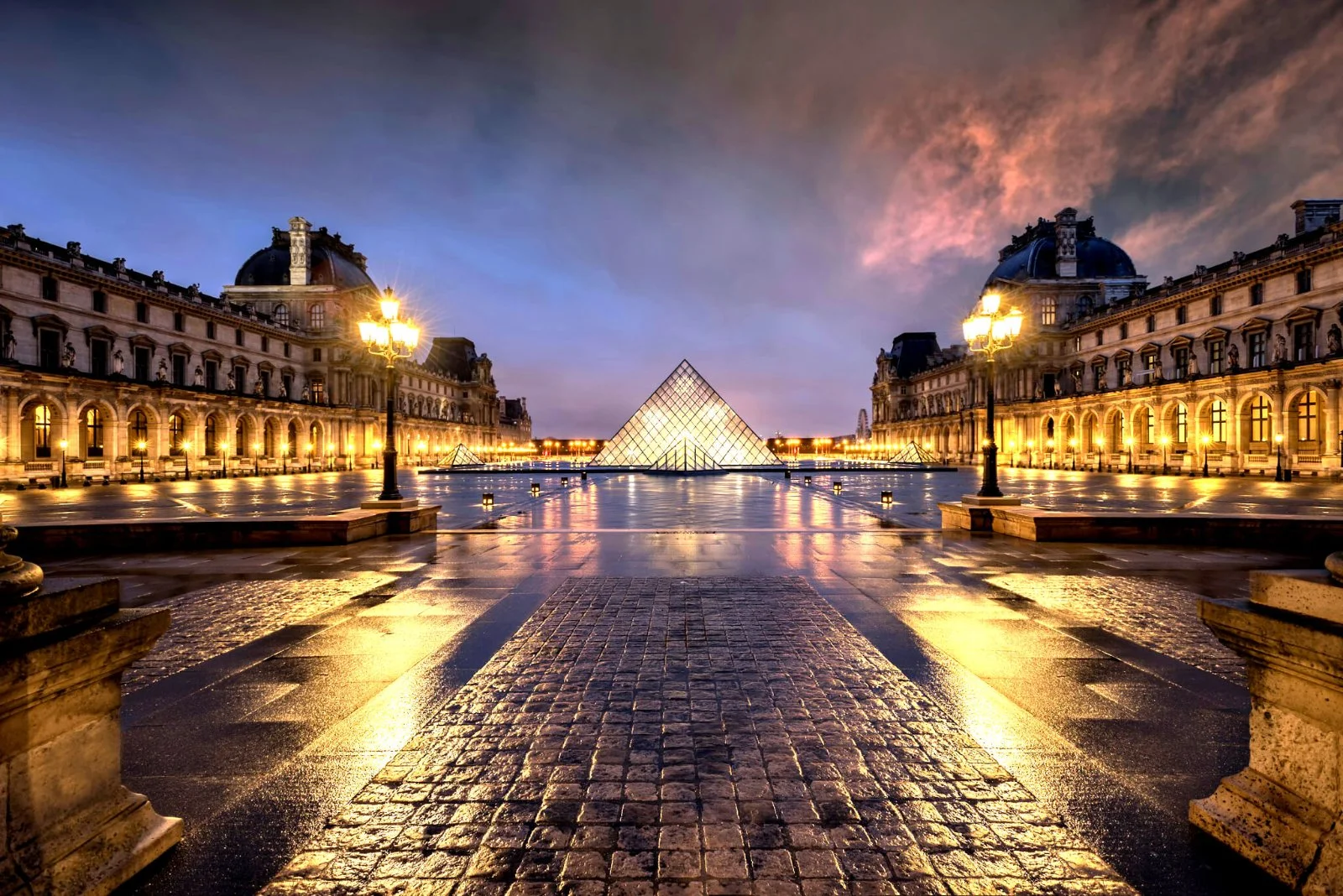
Richelieu provides the quieter, more intimate beginning. Walk through Palais-Royal before continuing to the Louvre, where royal collecting expands into a global museum on an entirely different scale.
Do not attempt a comprehensive visit to both museums. At the Louvre, choose one department or a short thematic route.
Allow: Half to full day
Best for: First-time visitors interested in French cultural institutions
Tip: Visit Richelieu in the morning and enter the Louvre after lunch—or reverse the route on Tuesday, using the BnF’s evening opening.
On show now