At a glance
An exploration of 17th-century Spanish polychrome wood sculpture, showcasing hyper-realistic figures that reveal the deep links between painting and carving in the Golden Age.
Why go
You'll see
Pace of visit
Don't miss

Artlovers Tip
Use the free mobile app to access combined audio content for both this show and the Zurbarán exhibition, as they are designed to be experienced together.
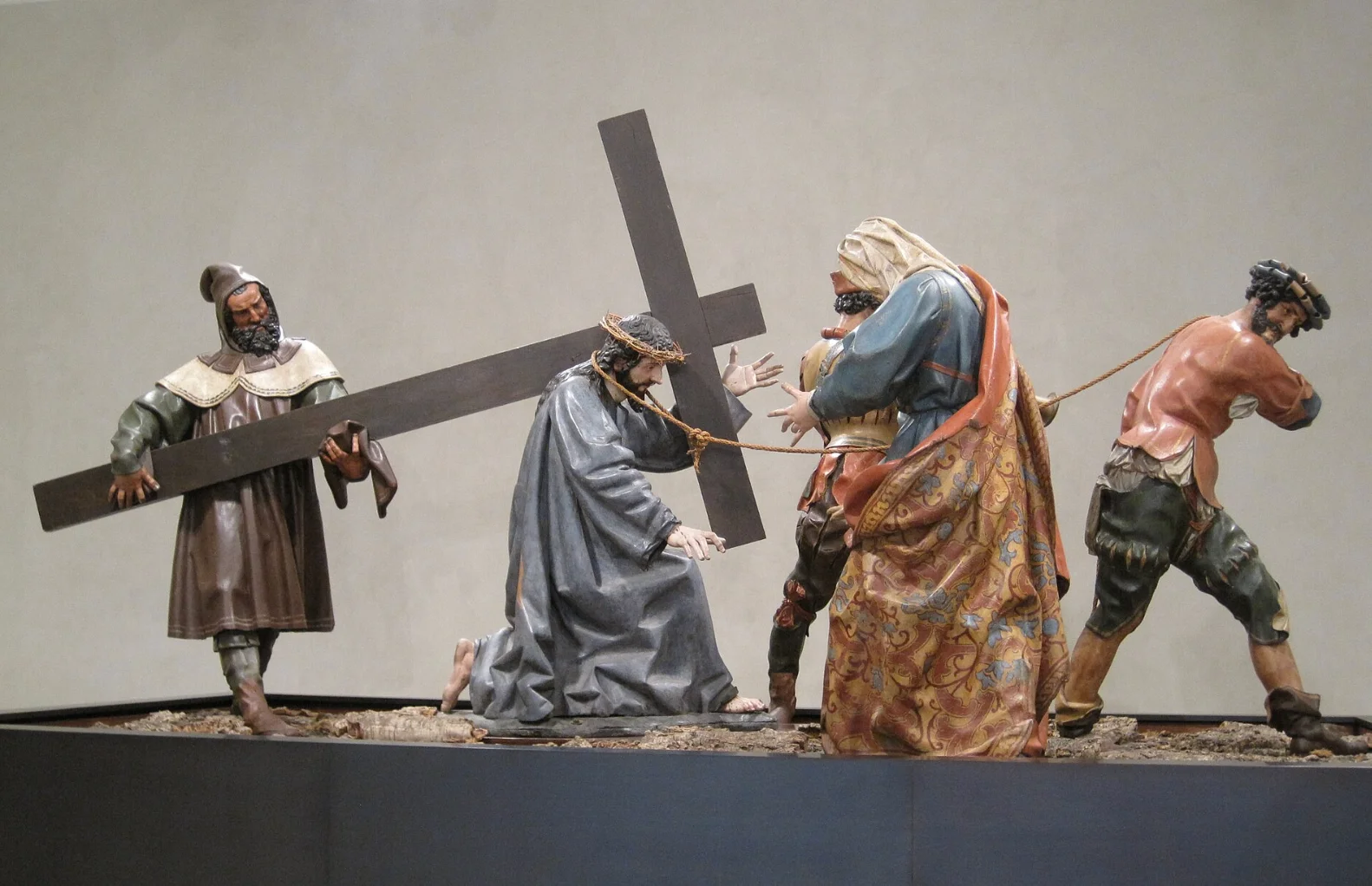
Look at the eyes, skin and wounds — then remember these are carved wood.
Spanish Baroque sculptors wanted to collapse the psychological distance between spectator and sacred event. Their astonishing realism wasn't virtuosity for its own sake: the more real the body appeared, the more immediate the emotional and spiritual experience could become.
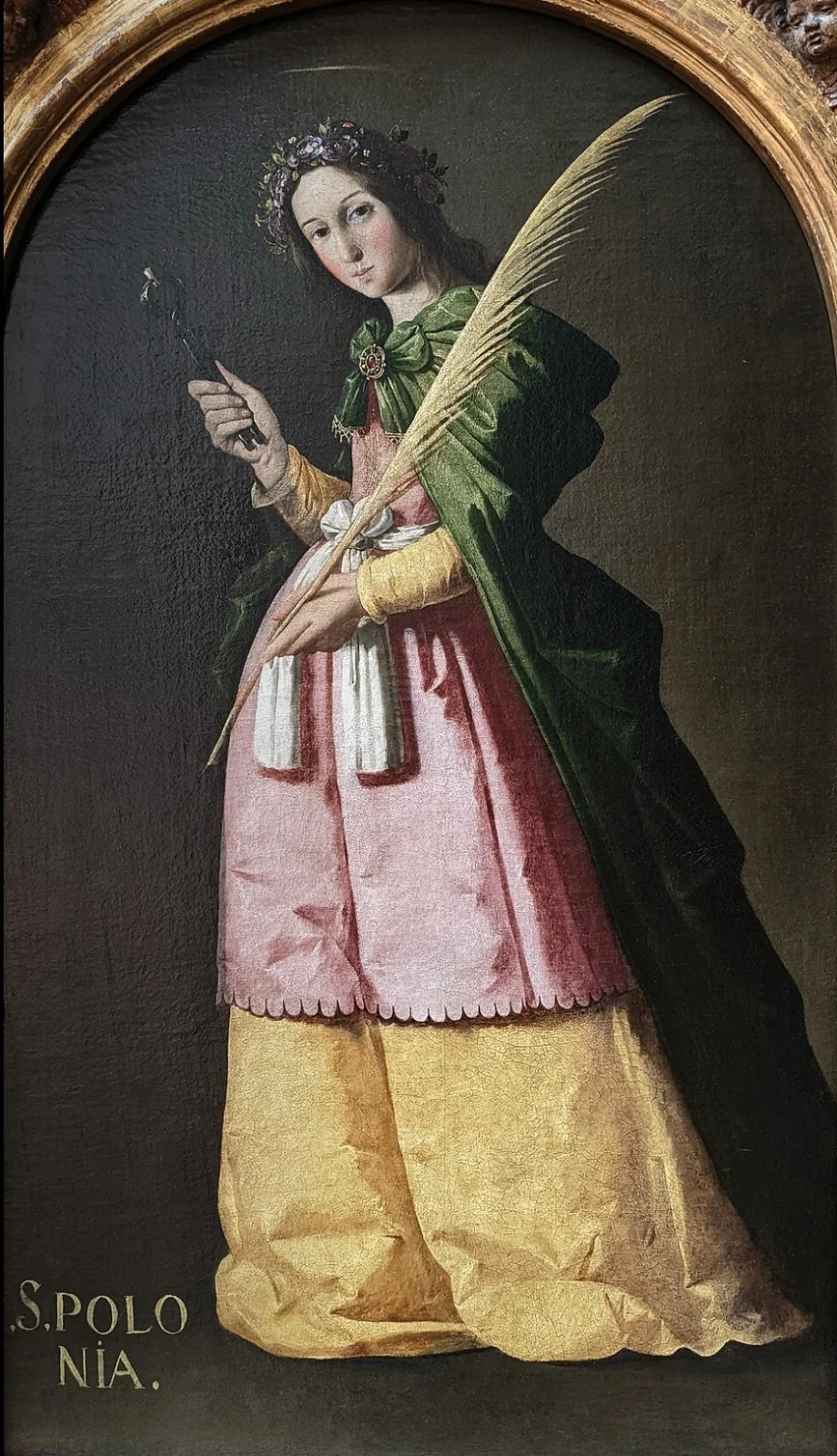
Then walk directly into Zurbarán. Seeing his painted saints after these sculptures may completely change the way you read the almost sculptural physical presence of his figures.
Artlovers relevance
Inside the exhibition
Meet the artist
Key Movements
Medium
Genre
Description
Sculpting Colour explores one of the most extraordinary characteristics of Spanish Baroque sculpture: its attempt to make sacred figures appear physically present in the viewer's world. Wood was carved, painted with extraordinarily realistic flesh tones and sometimes combined with textiles and other materials. Wounds, tears, hair, skin and clothing could become startlingly convincing.
But these sculptures were not originally created simply to be admired as museum objects. Some were carried through streets during religious processions; others supported private devotion or the veneration of saints and relics. The exhibition therefore explores not only how they were made but how they were used, dressed, touched, viewed and emotionally experienced in 17th-century Spain.
The selection spans major artistic centres from Valladolid and Castile to Madrid and Andalusia, showing important regional differences while bringing together many of the period's leading sculptors. Its partnership with the Museo Nacional de Escultura makes this an unusually concentrated opportunity to encounter masterpieces that normally remain in Valladolid.
Gregorio Fernández (1576–1636) was the dominant figure of the Castilian school, famous for an uncompromising naturalism capable of making sacred suffering feel almost physically present.
Alonso Cano (1601–1667) moved between painting, sculpture and architecture, while Pedro de Mena (1628–1688) became one of the great masters of emotionally intense devotional sculpture.
Particularly worth discovering is Luisa Roldán (1652–1706), “La Roldana,” an exceptional woman within the overwhelmingly male artistic world of Baroque Spain who eventually became sculptor to the royal court.
By sharing a gallery space and scenography with a concurrent exhibition on Francisco de Zurbarán, the show highlights how sculpture and painting functioned as twin arts. This arrangement allows for a direct comparison of texture, lighting, and religious intensity, providing a fuller picture of the cultural and spiritual climate in 17th-century Spain.
Worth travelling for?
A profound and tactile encounter with Spanish Baroque art, ideal for those who appreciate hyper-realism and the interplay between different artistic mediums.
Artlovers verdict: see the two exhibitions together. Zurbarán provides the silence; Sculpting Colour provides the physical drama. The dialogue between them is likely to be one of the Louvre's strongest art experiences of the 2026–27 season.
Experience as an Artlover
Walk through the thematic sections covering relics and devotion, paying particular attention to how the lighting emphasizes the realistic textures of the painted wood.
Sculpting Colour
Hours & rating from Google