At a glance
Monet looks effortless — but five closely studied paintings reveal the relentless experimentation, technical decisions and sheer work behind Impressionism.
Why go
You'll see
Pace of visit
Don't miss

Artlovers Tip
Not worth travelling to Paris for on its own, but absolutely worth building into an Orsay visit. It does something particularly useful for Artlovers: instead of simply showing more Monet masterpieces, it teaches you how to look at Monet differently.
It coincides with the centenary of his death, see it as a “Don’t miss inside the museum” rather than as a blockbuster exhibition.
Artlovers relevance
Inside the exhibition
Meet the artist
Key Movements
Description
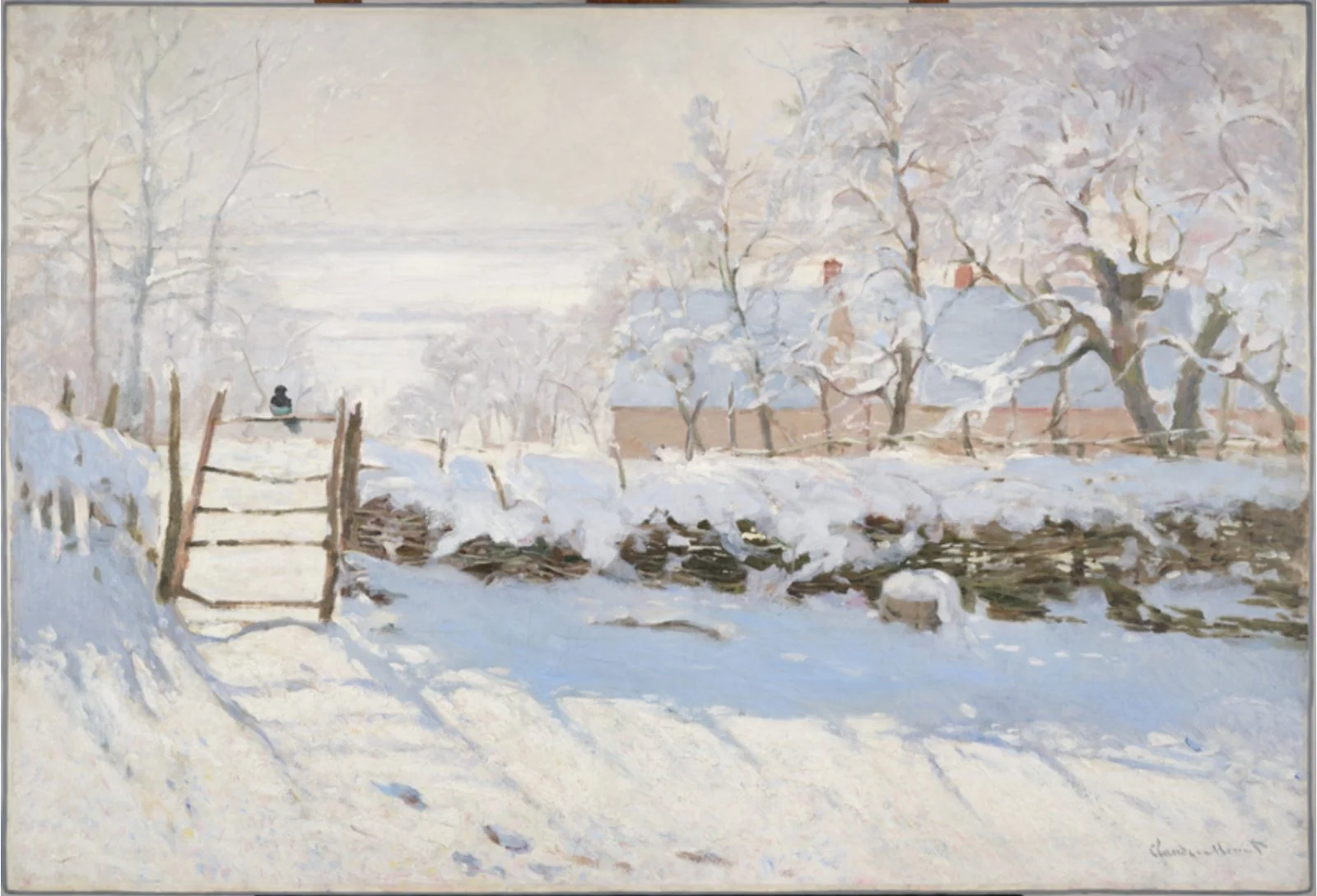
“I Spend My Life Painting” follows Monet from the early decades of his career to around the turn of the 20th century through five paintings selected for what recent conservation and technical research can reveal about their making. Landscapes along the Seine, waves, snow and changing seasons demonstrate his famous obsession with atmosphere and what he called his “sensations.” Yet the display deliberately looks beneath that apparent spontaneity.
The questions become surprisingly concrete. How do you paint a canvas three metres long outdoors in your garden? How do you construct a convincing snowy landscape? How can a life-size family meal be composed? Should the finished painting be varnished or left untouched? Letters shown beside the works bring Monet’s own working voice into the galleries, while research by the C2RMF and specialist restorers exposes a painter who was continuously testing materials and solutions.
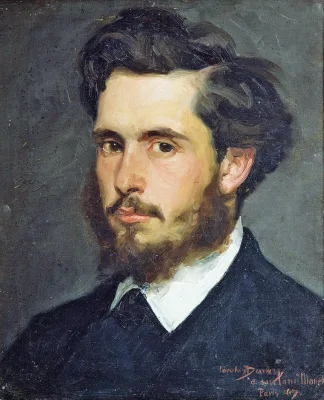
Claude Monet (1840–1926) was the central figure of French Impressionism and the artist whose 1872 painting Impression, Sunrise gave the movement its name. Across more than six decades, he repeatedly painted the same motifs under changing conditions of light, season and atmosphere — from the Seine and Normandy coast to haystacks, Rouen Cathedral and finally the water lilies at Giverny.
“I Spend My Life Painting”: A Claude Monet Itinerary
Hours & rating from Google