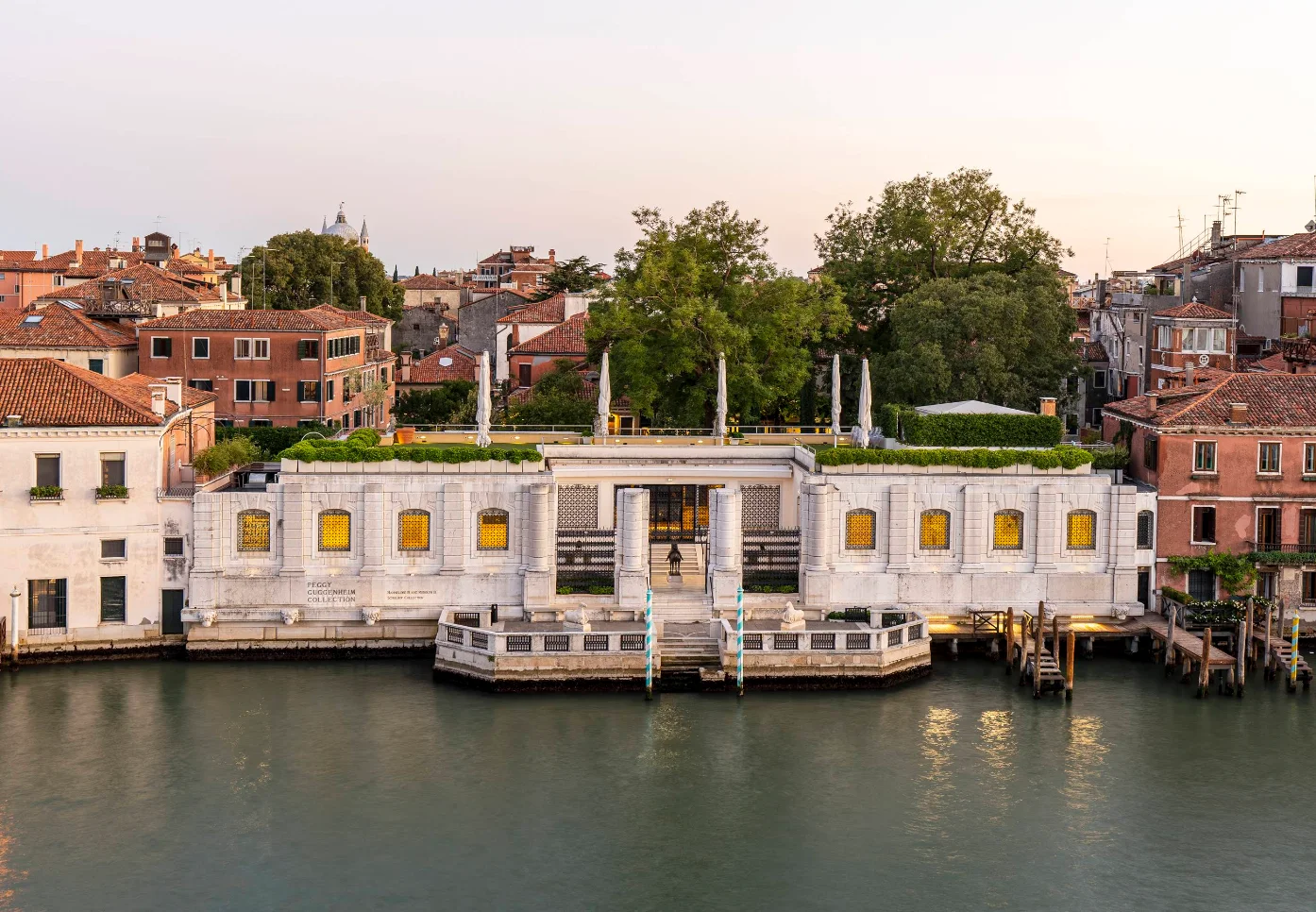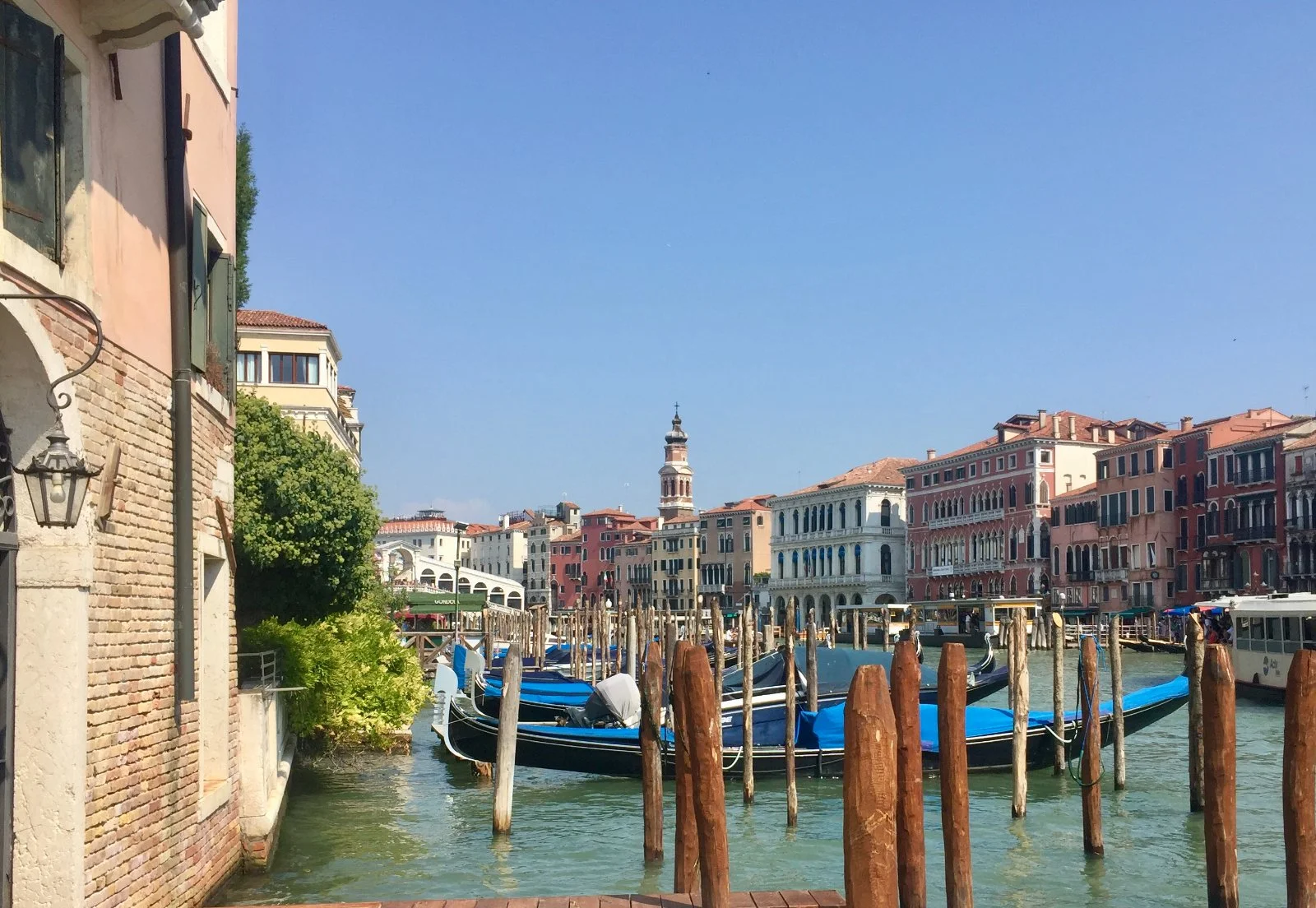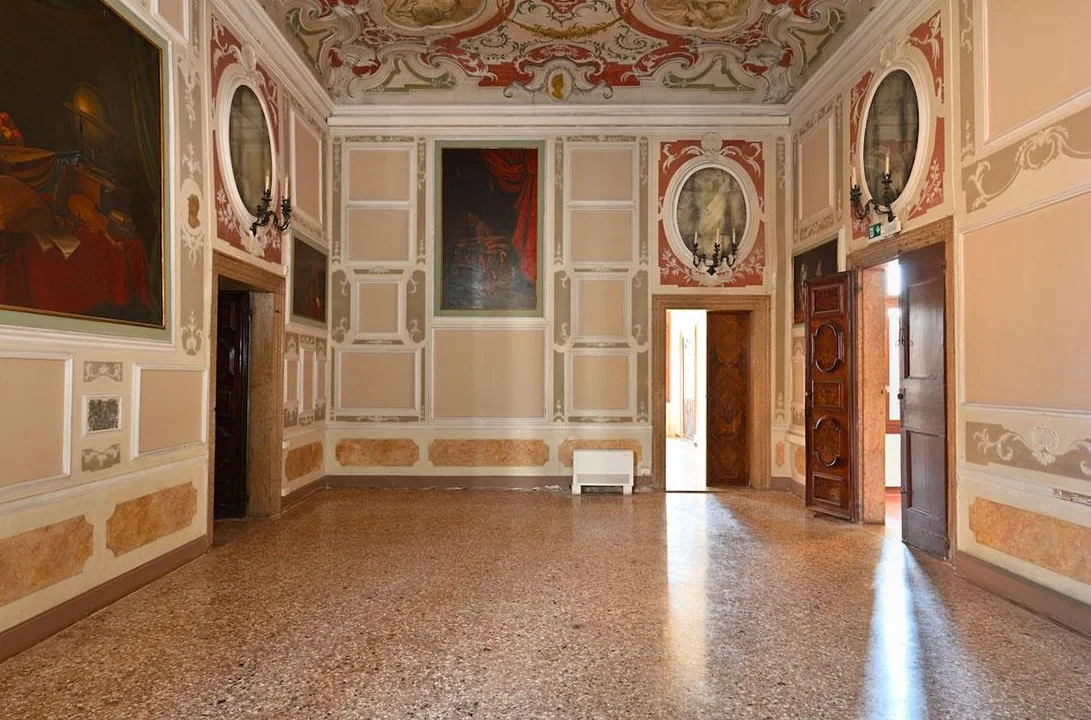
It sits quietly on the edge of the Dorsoduro, a Renaissance refuge away from the San Marco crush. Inside, the high-ceilinged piano nobile turns the Venetian light into something soft and meditative.
- The Piano Nobile: The palace's first floor maintains the traditional Venetian portego layout, offering a grand perspective that anchors contemporary installations.
- Campo dei Carmini Views: Looking through the leaded glass provides a curated view of local life, framing the 14th-century church across the square.
- The Hidden Garden: A 2,500-square-meter sanctuary behind the palace, offering a rare encounter with greenery in a city of stone and water.

About
The Palazzo Vendramin ai Carmini greets you with the dignified restraint of a 16th-century residence. To enter is to leave the sun-drenched stones of the Campo dei Carmini for the cool, shadowed ascent to the piano nobile. The layout, centered around a grand hall, feels both expansive and intimate, framing the surrounding canals and the rare expanse of a private garden through tall, rhythmic windows.
You're watching the way the canal reflections ripple across the terrazzo floors while visitors move slowly between the side rooms. There is a specific quietude here, a sense of a domestic space that has gracefully surrendered to the weight of contemporary art and history.
Worth the trip
- Venetian Domesticity: It offers a physical encounter with the architecture of a noble residence without the overwhelming crowds of the more famous palazzos.
- Biennale Intimacy: Frequently hosting satellite exhibitions, the venue allows for a slower, more contemplative engagement with global art.
- Spatial Flow: The transition from the public square to the private garden via the soaring central hall captures the architectural soul of Venice.
© Palazzo Vendramin ai Carmini