
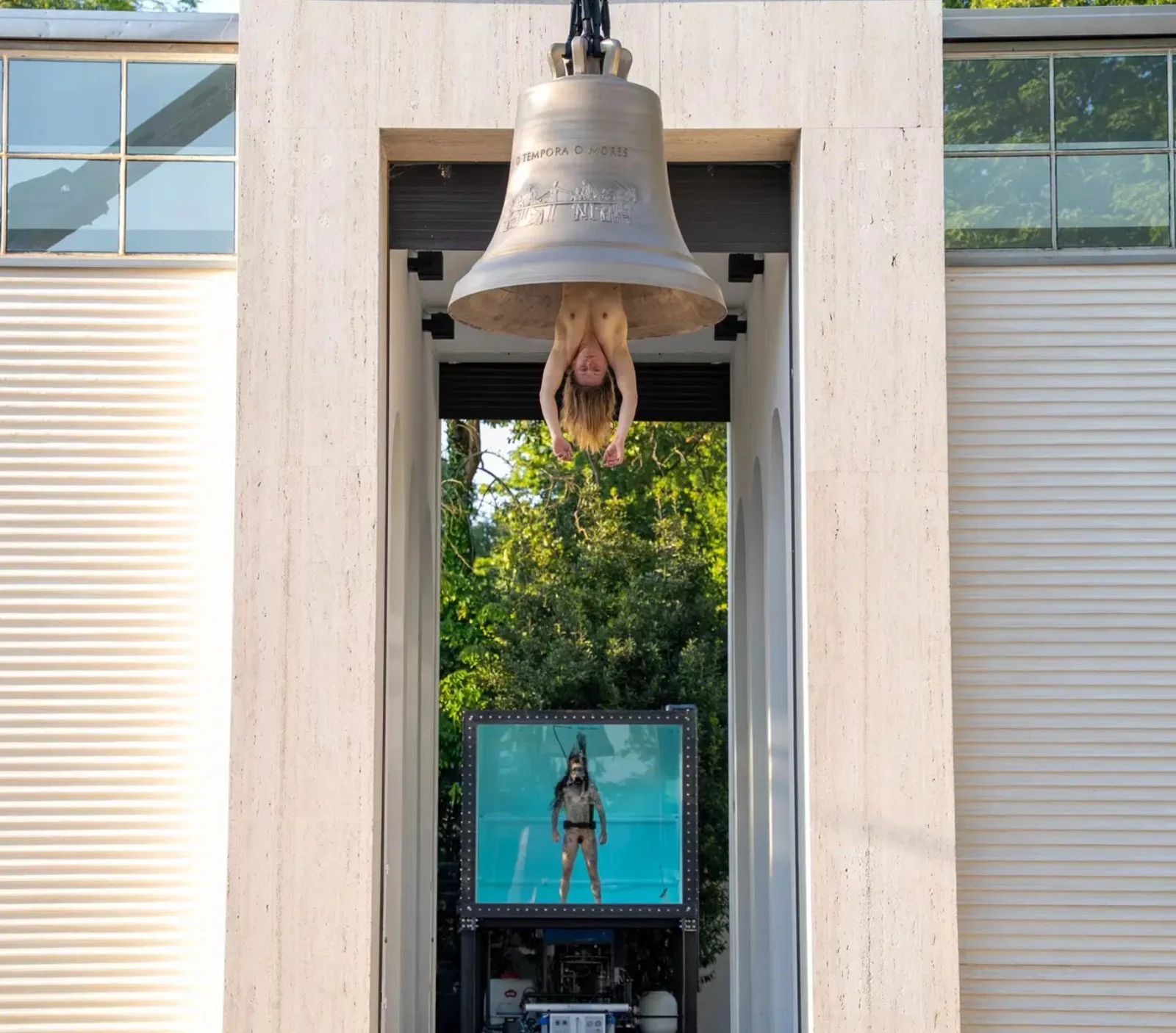
Marina Abramović: Transforming Energy
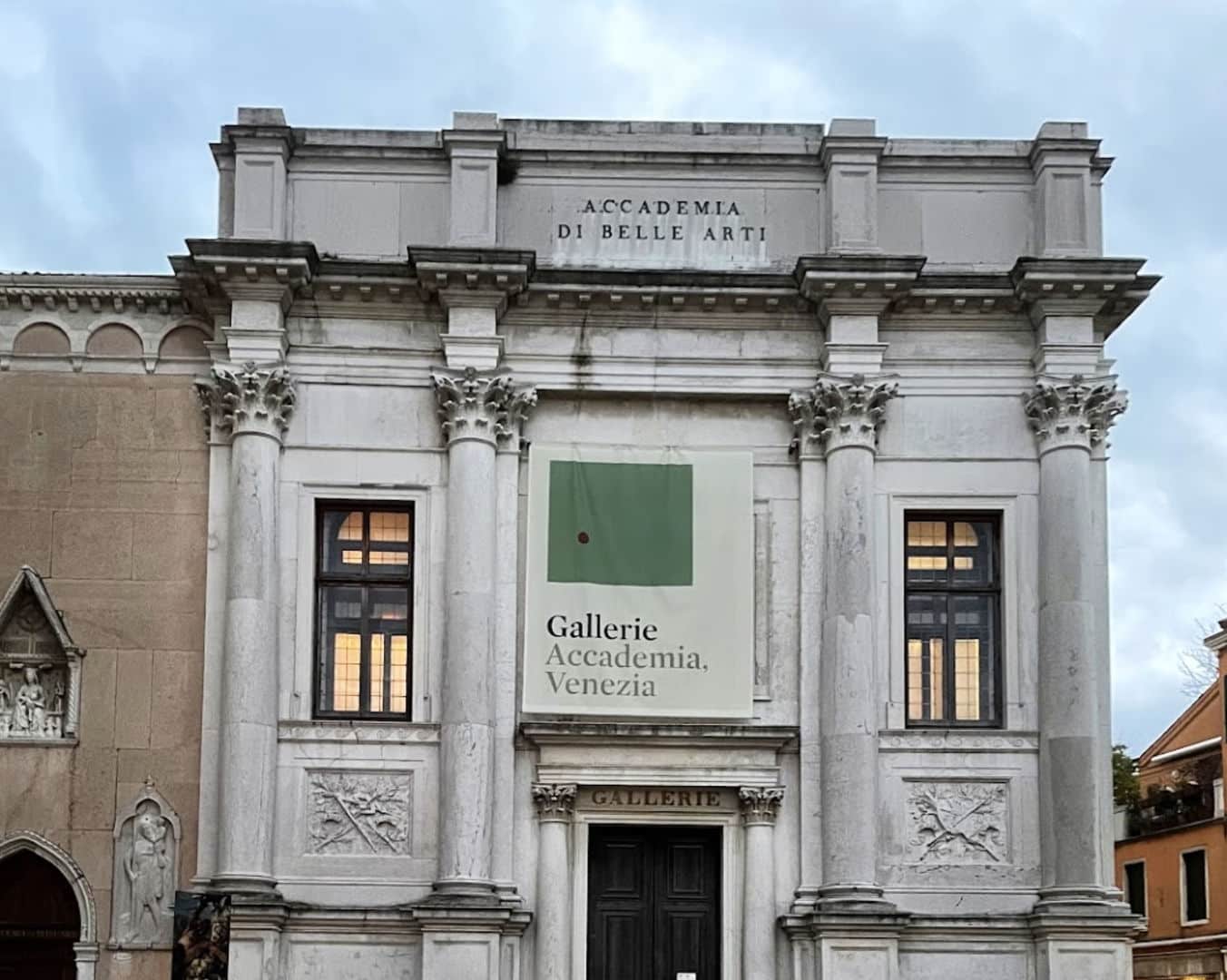
Gallerie dell’Accademia di Venezia
Contemporary Art
Venice is an art destination in Italy with 26+ museums and galleries — including Gallerie dell’Accademia di Venezia, Palazzo Grassi Venice and Punta della Dogana – Pinault Collection — and 17 exhibitions currently on view.
Venice is a city where art does not live inside museums only — it floats through palaces, churches, canals, biennials, private collections and contemporary pavilions.
For art lovers, Venice is not just a destination. It is a stage where every façade, bridge, church and canal becomes part of the experience. Avoid rushing Venice. Choose one main art area per day — Dorsoduro, San Marco, Castello, Giudecca — and let the city reveal itself between visits.
What makes it a destination for art lovers
Venice is worth the trip because it offers something almost no other city can: art history and contemporary art in the same theatrical setting. You can move from Byzantine mosaics and Renaissance altarpieces to Tintoretto, Titian, Peggy Guggenheim, Palazzo Grassi, Punta della Dogana and the Venice Biennale — all inside a city that already feels like an artwork.
For art lovers, Venice is not just a destination. It is a stage where every façade, bridge, church and canal becomes part of the experience.
Worth the trip if you love:
Renaissance painting · architecture · contemporary art · private collections · biennials · palaces · slow walking · art with atmosphere.
Art in Venice
Venice matters because it is one of the few cities where art history, architecture and urban life are impossible to separate. Before you enter a museum, you are already inside a visual world built from water, stone, gold, reflection and theatrical perspective. This is a city that shaped Renaissance painting, maritime power, religious imagery and the European imagination.
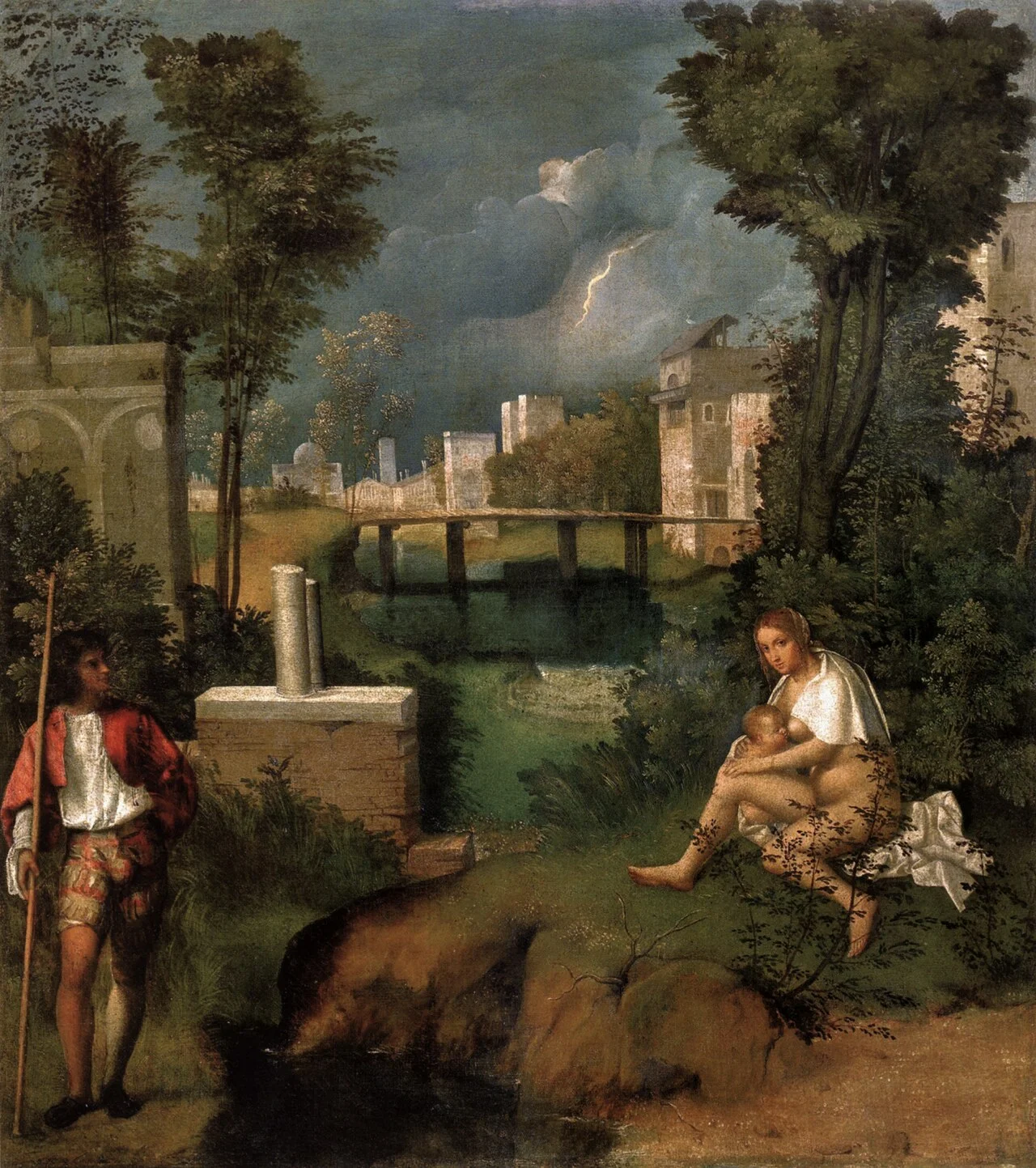
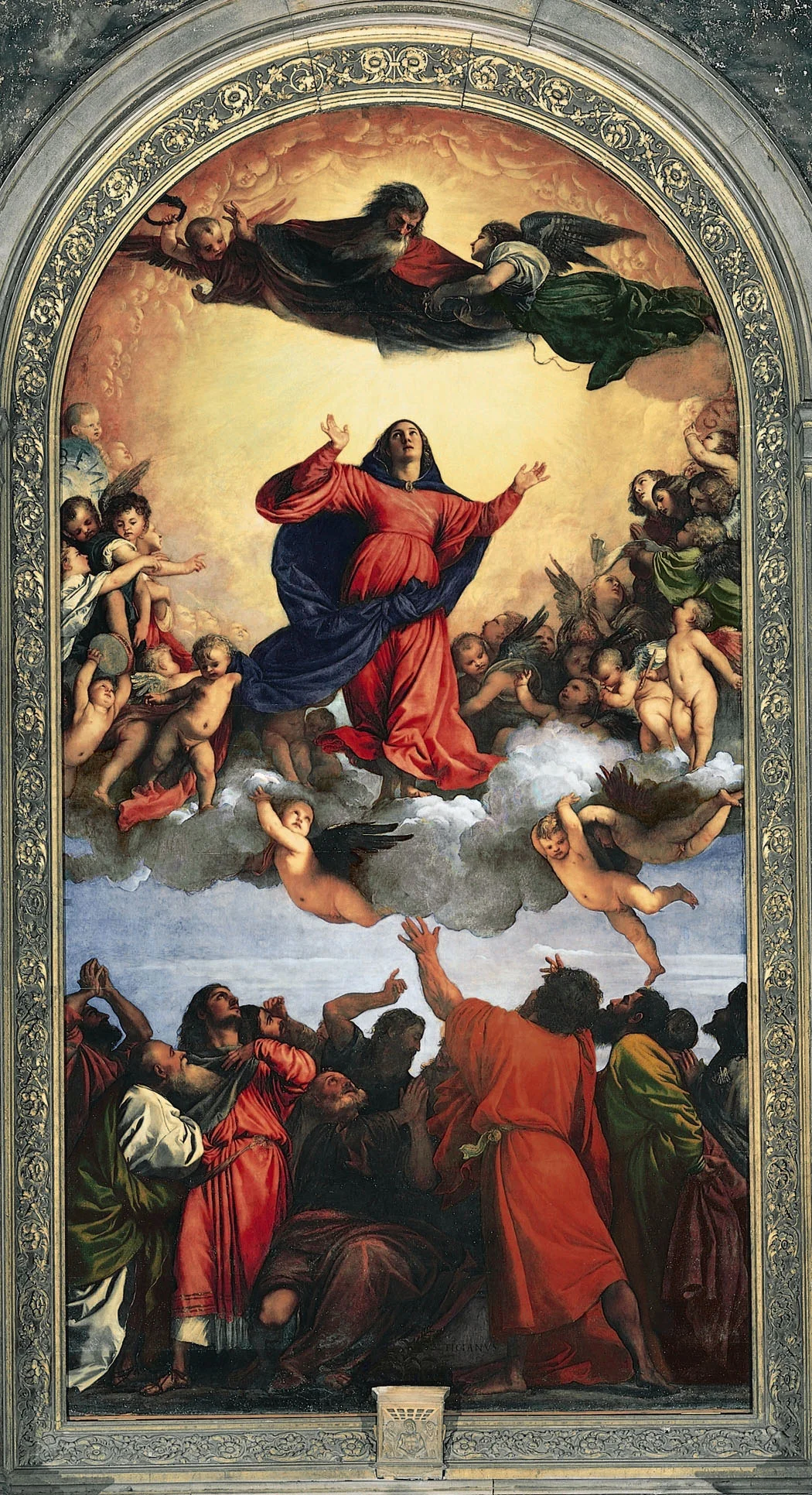
For historical art, Venice is essential. The city carries the legacy of Titian, Tintoretto, Veronese, Bellini, Carpaccio and Tiepolo, with masterpieces spread across churches, scuole, palaces and museums. The Gallerie dell’Accademia is one of the key places to understand Venetian painting, while churches such as Santa Maria Gloriosa dei Frari, San Giorgio Maggiore and Scuola Grande di San Rocco turn the city itself into an open museum.
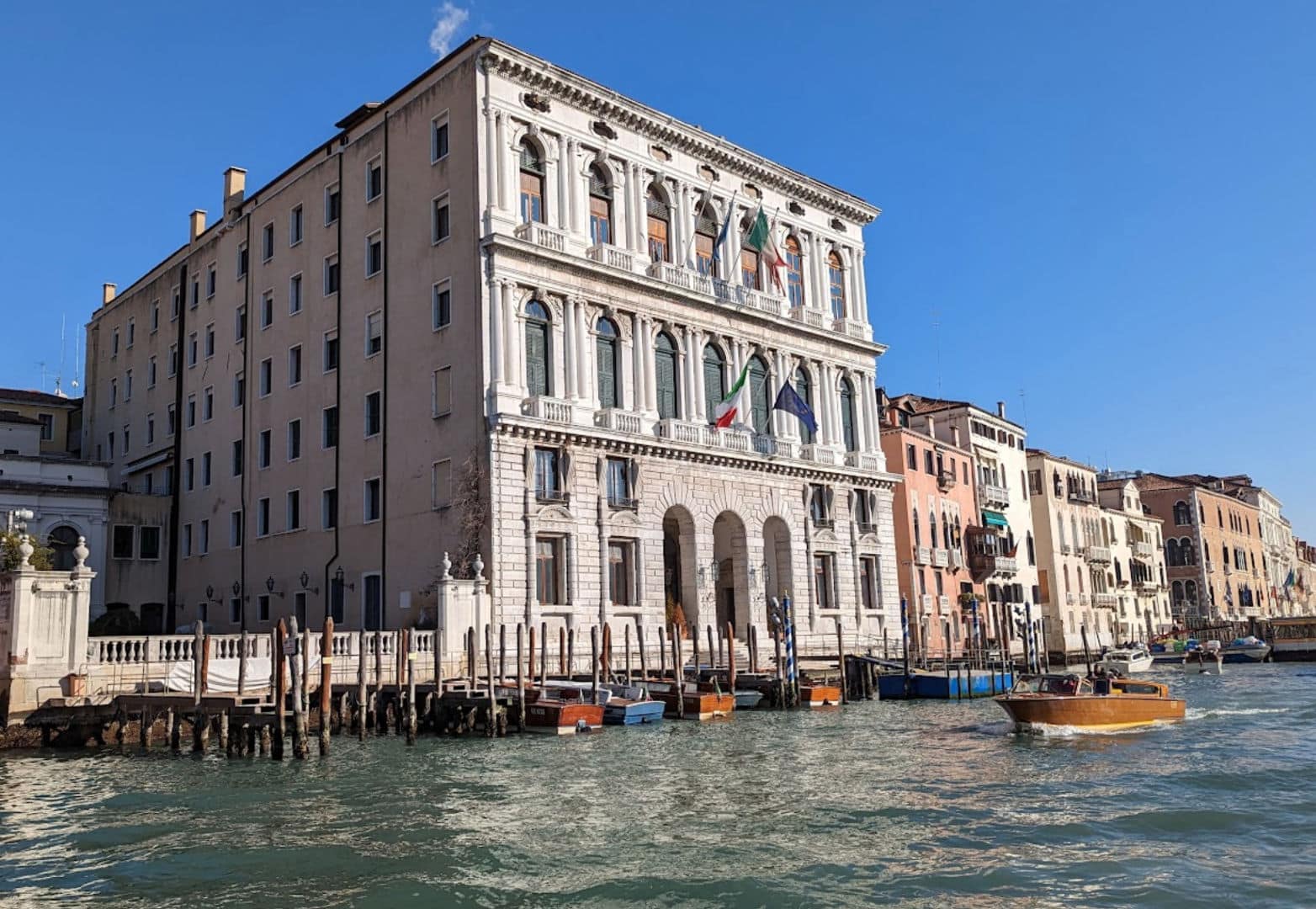
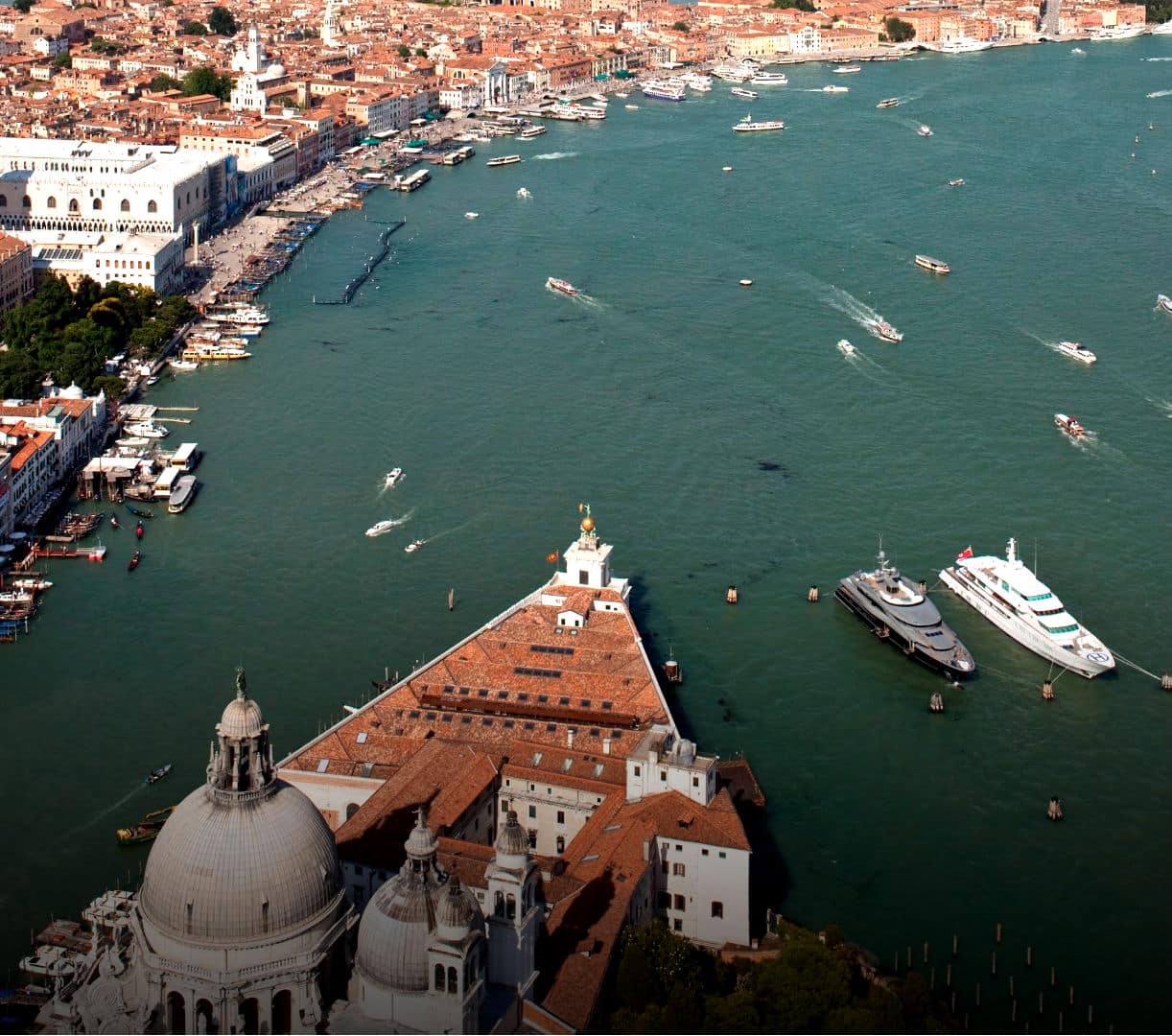
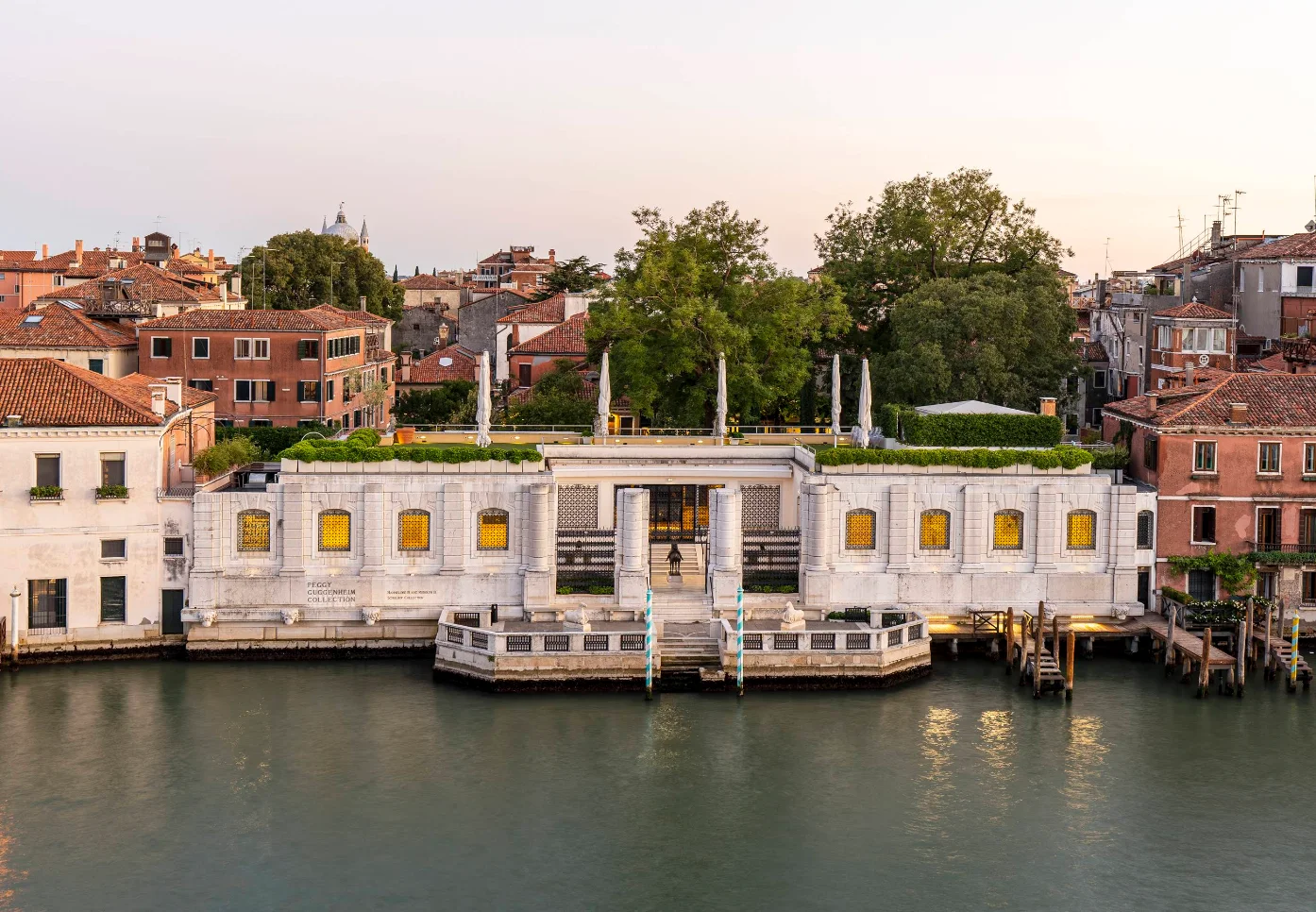
But Venice is not frozen in the past. Its contemporary power is just as important. The Peggy Guggenheim Collection, located in Peggy Guggenheim’s former Venetian home, presents major European and American twentieth-century art and is described by the museum as the most important museum of its kind in Italy. The Pinault Collection brings contemporary exhibitions to Palazzo Grassi and Punta della Dogana, two extraordinary spaces that connect global art with Venetian architecture.
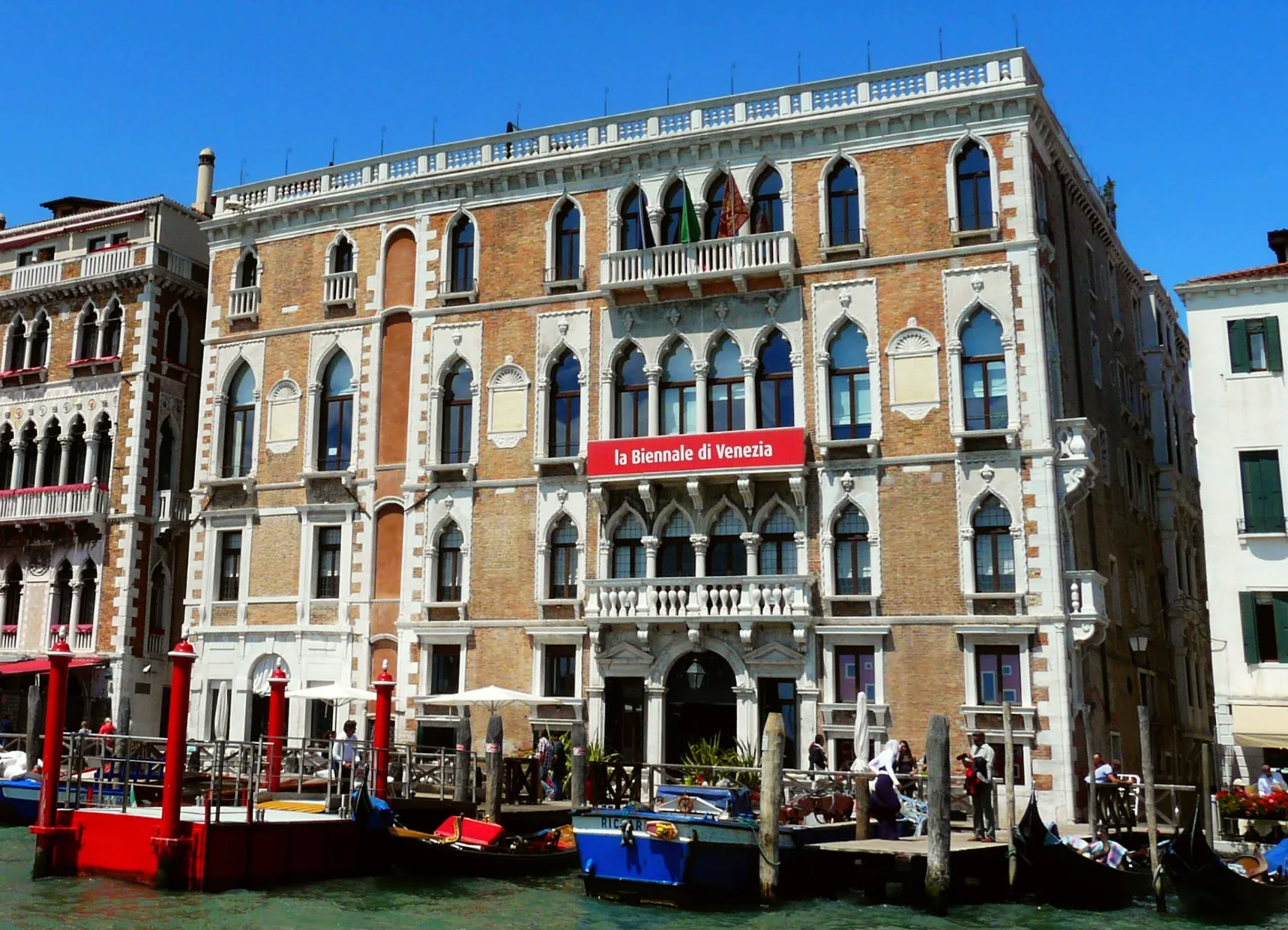
And then there is the Biennale. In Venice, contemporary art does not simply hang on walls; it occupies national pavilions, shipyards, gardens, palaces and hidden buildings. The Biennale transforms the city into a global conversation — sometimes beautiful, sometimes political, sometimes difficult, always alive.
Venice is also a city for art shops, bookshops, glass, textiles, restoration studios and quiet discoveries. You do not experience it by checking things off a list. You experience it by walking slowly, crossing bridges, entering unexpected churches, taking the vaporetto, and letting art appear where you did not plan to find it.
When to travel to Venice for art lovers
April – June · September – November
Spring and autumn are the best seasons for art travelers in Venice. The city is more walkable, the light is beautiful, and the cultural calendar is at its strongest without the heaviest summer heat.
In Biennale years, Venice becomes one of the most important contemporary art destinations in the world.
Artlovers Tip:
For the full contemporary art experience, travel between May and November during the Biennale. For a slower and more atmospheric Venice, choose late April, May, September or October.
Keep exploring

Art Districts