A radical exploration of craftsmanship and beauty as an act of resistance within a historic Venetian palazzo.

Inside the exhibition
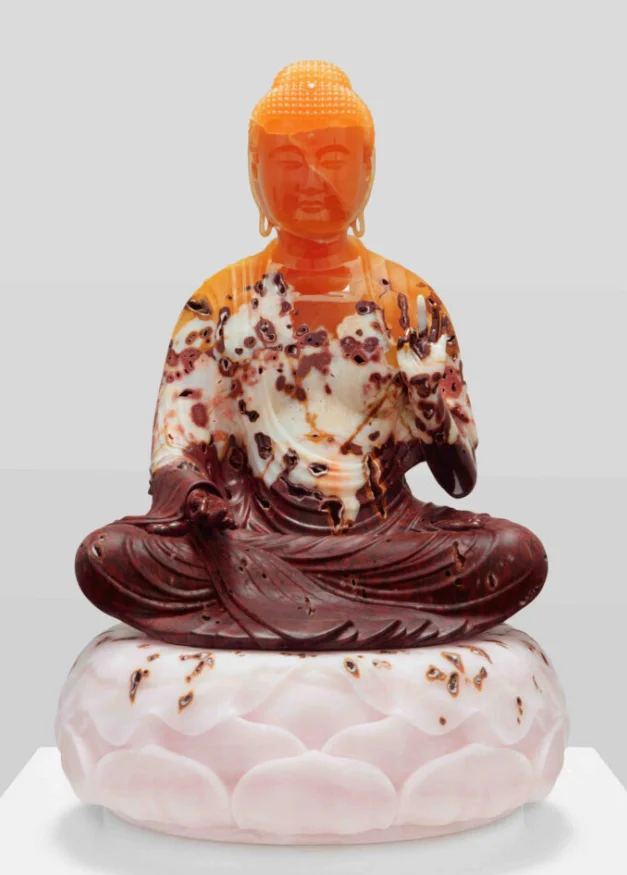
Dries Van Noten ventures into curation, gathering over two hundred objects that blur the lines between high fashion, ceramics, and experimental design. By framing beauty as a form of protest, the exhibition argues that the act of making—slow, intentional, and deeply human—is a necessary response to a fractured world.
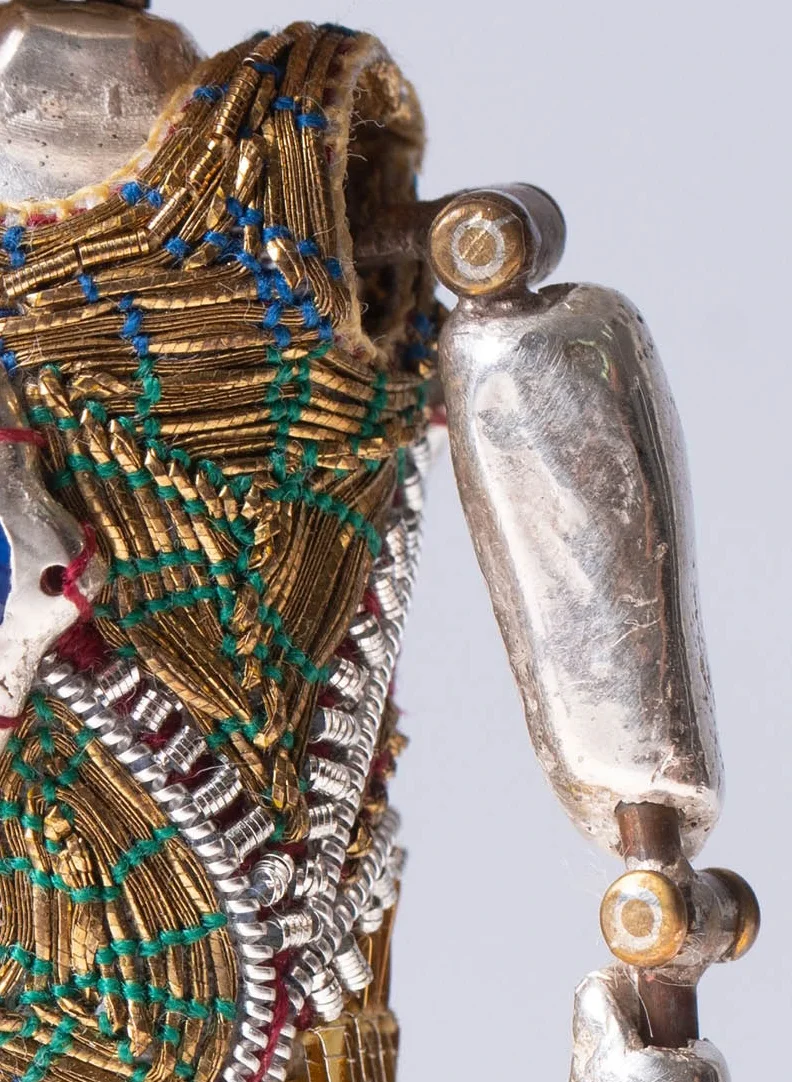
You're watching light filter through the ornate windows of Palazzo Pisani Moretta, illuminating the intricate textures of a Christian Lacroix gown and the crystalline surfaces of Isaac Monté's sculptures. As you move through the Piano Nobile, the rhythmic dialogue between Lionel Jadot's repurposed materials and the ancient frescoes overhead creates a sense of suspended time, where each object feels like a quiet, deliberate provocation.
Worth travelling for?
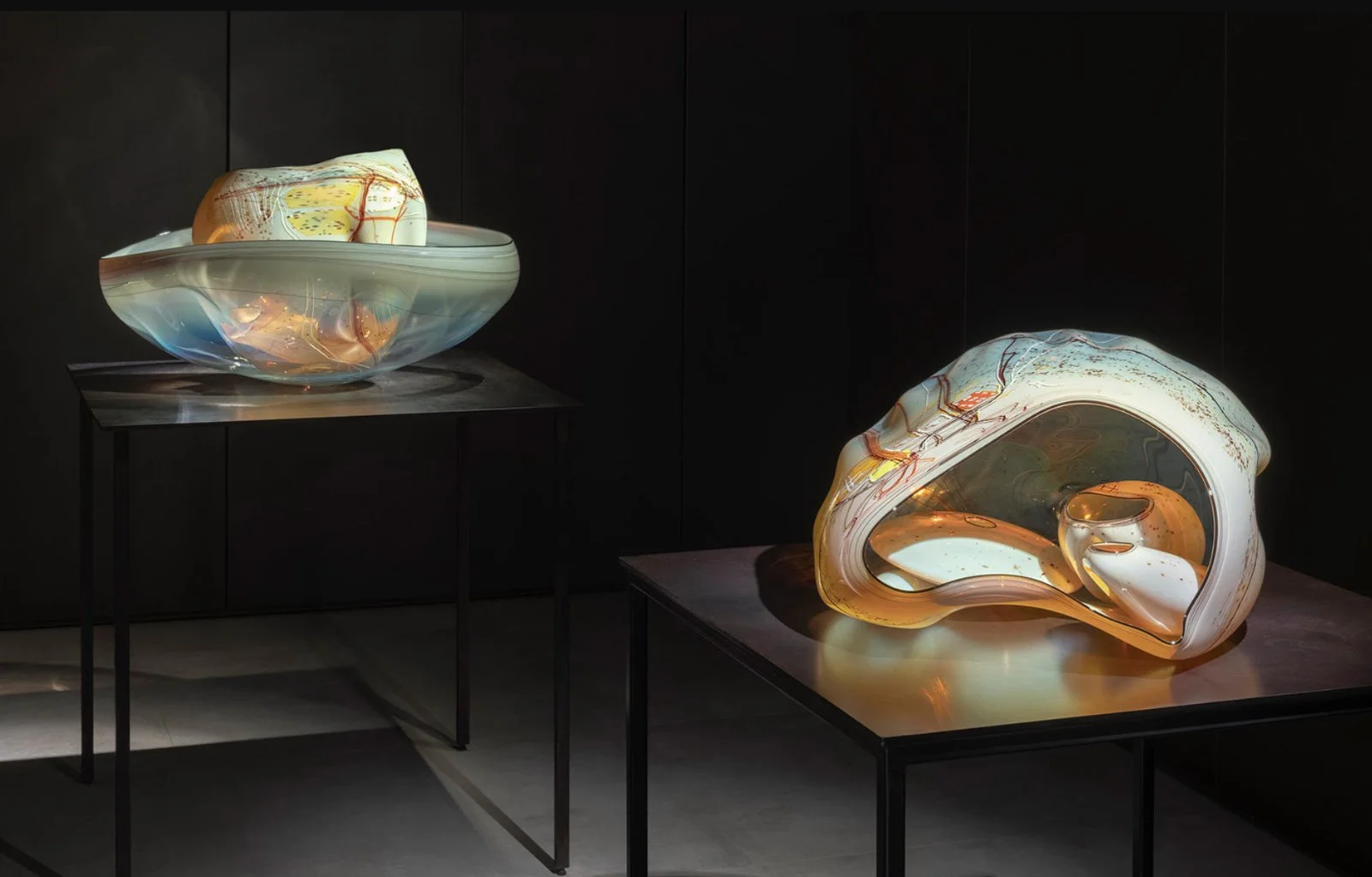
- Venetian Dialogues: The exhibition occupies the private rooms of Palazzo Pisani Moretta, allowing rare contemporary pieces to interact with historic frescoes and Murano chandeliers.
- Material Alchemy: From Kaori Kurihara's botanical ceramics to Lionel Jadot's SLV Chair, the show celebrates the physical traces of the maker's hand across diverse disciplines.
- Curatorial Vision: This is a rare opportunity to see the world through Dries Van Noten's eyes, understanding how he weaves together jewellery, glass, and photography into a singular narrative.
Experience as an Artlover
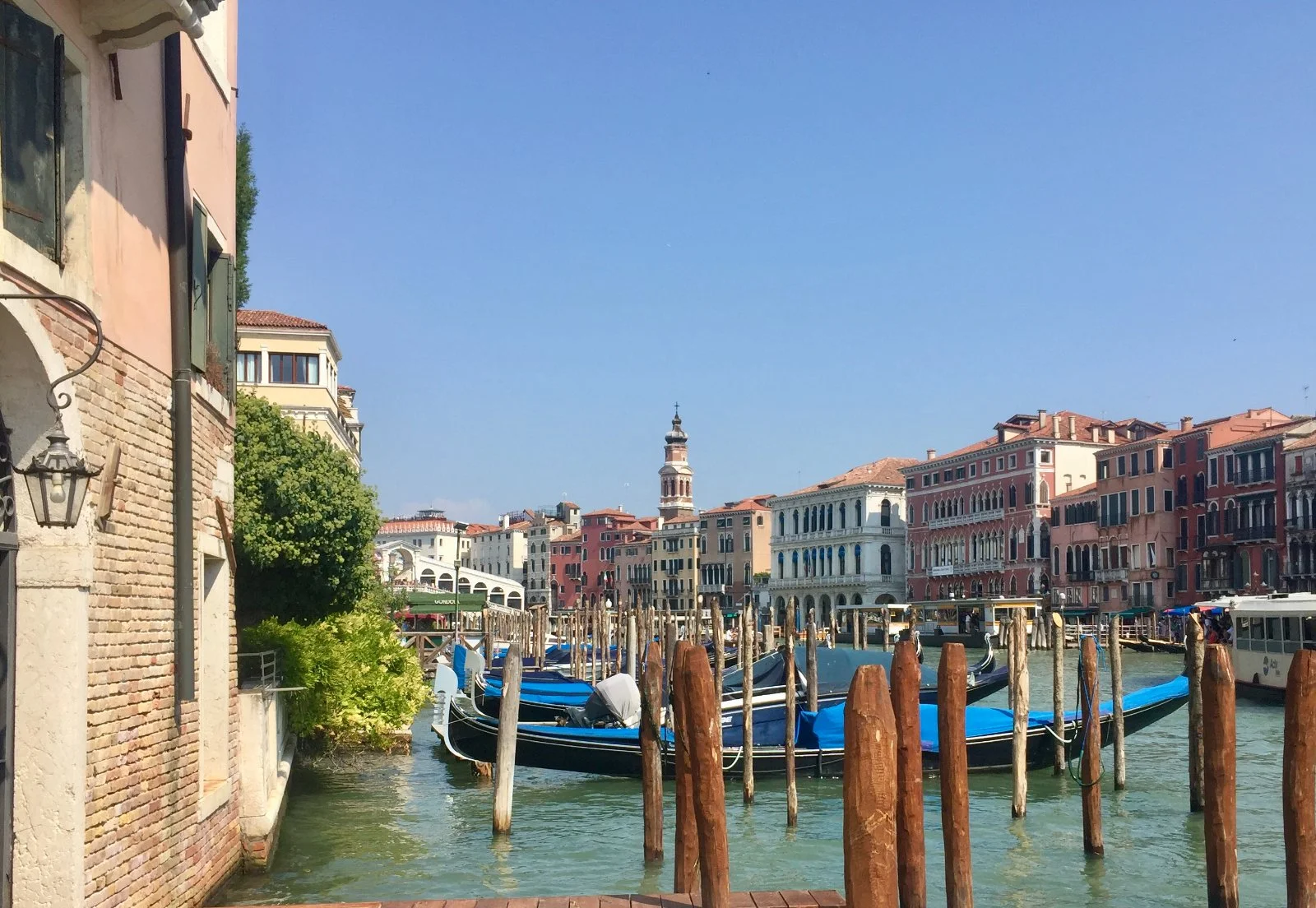
Start at the ground floor and let the rhythm of the objects guide you upward through the grander levels of the palazzo. Take time to look at the intersections where contemporary glass by Ritsue Mishima meets the building's own architectural heritage. After leaving the Palazzo, walk towards the Rialto and find a quiet spot near the Grand Canal to reflect on how these objects of protest feel against the weight of Venice's own history.
The Only True Protest Is Beauty
Hours & rating from Google