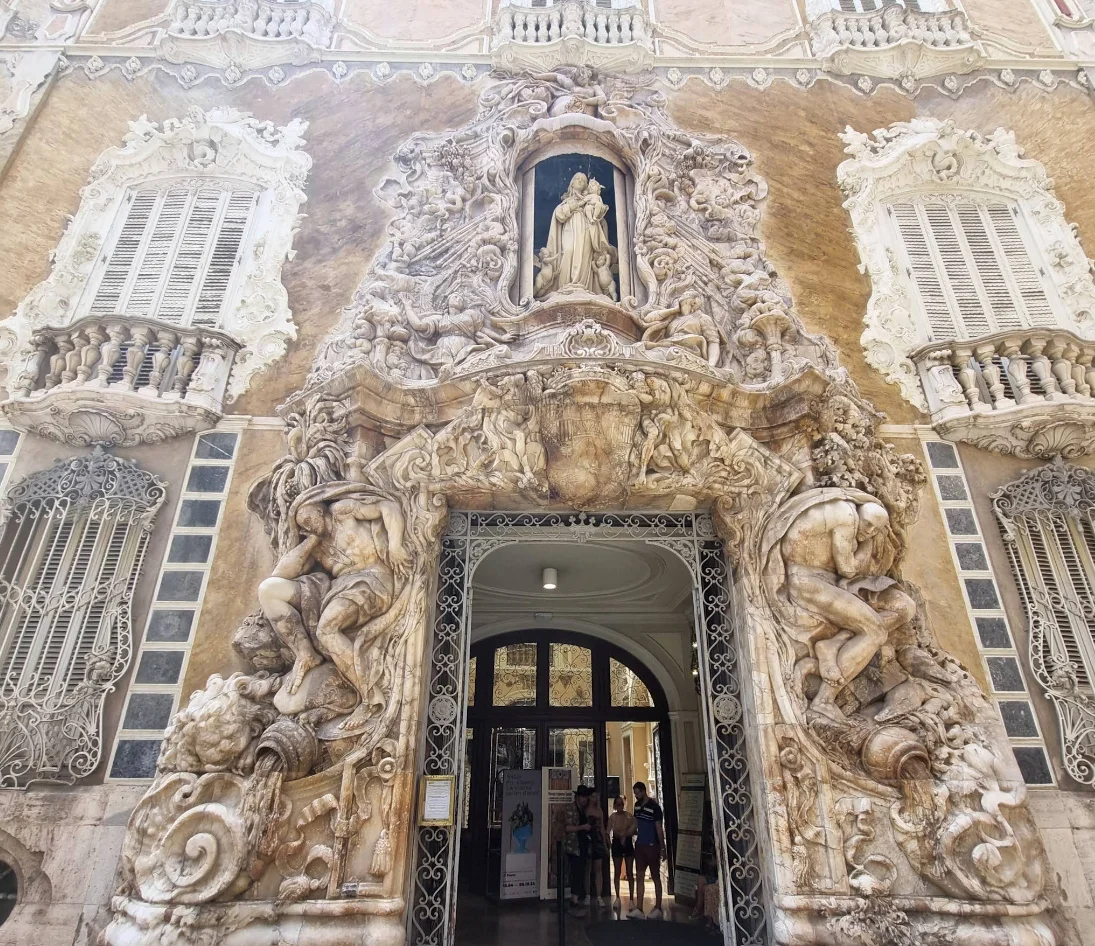
A palace that looks like a fantasy, filled with one of Valencia’s most distinctive artistic languages: ceramics. Museo Nacional de Cerámica y Artes Suntuarias González Martí is where decorative art becomes history, identity and pure visual pleasure.
This is one of Valencia’s most beautiful museum experiences because it combines art, architecture and atmosphere. It is not just about objects in vitrines; it is about entering a palace and reading a city through materials, decoration, taste and craft.
You may encounter:
- Valencian ceramics and tile traditions
- Porcelain, decorative arts and luxury objects
- Historic furniture, textiles and costumes
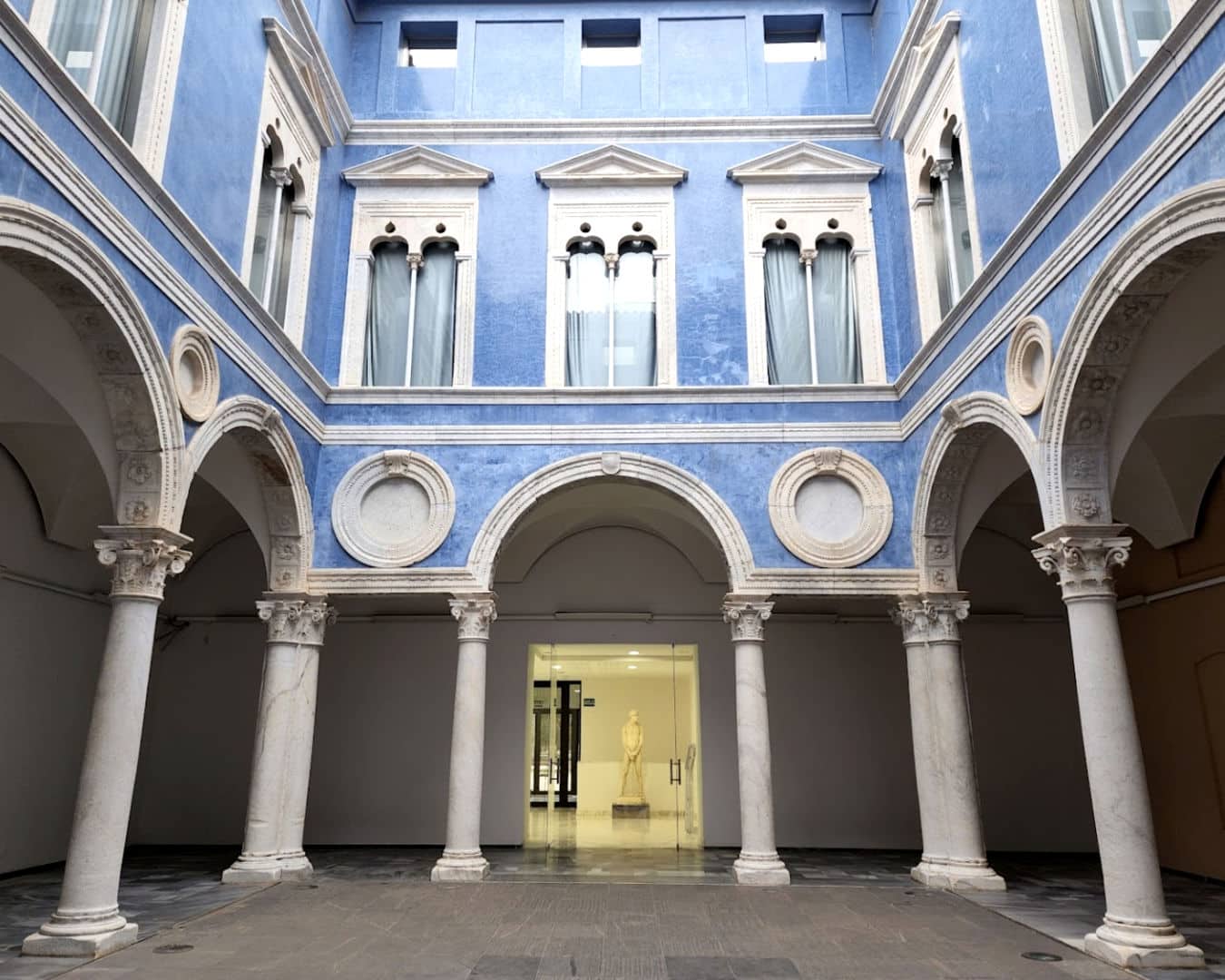
- The palace rooms of the Marqués de Dos Aguas
- A dramatic Baroque façade, one of the museum’s great icons
- A very different side of Valencia: refined, decorative, intimate and theatrical

Go in the morning, when the centre is calmer, and take a moment outside before entering. The façade is not just an entrance — it is part of the artwork. Then pair the visit with a walk toward Plaza de la Reina, La Lonja, or the elegant streets around Calle Poeta Querol.
For Artlovers, it is a necessary Valencia stop because it shows that art is not only painting and sculpture. Sometimes art is a tile, a plate, a room, a façade, a gesture of ornament — and in Valencia, that language matters deeply.
This is an easy and rewarding museum, not too dense unless you want to study the collection in detail. Allow around 60–90 minutes. It works very well as a central Valencia stop between historical monuments, shopping streets and cafés.
About
The museum is housed in the spectacular Palacio del Marqués de Dos Aguas, at Calle Poeta Querol, 2, in central Valencia. Before you even enter, the building announces itself: an extraordinary Baroque façade, theatrical stonework, and the kind of entrance that makes you stop in the street.
Founded in 1947, the museum was created from the ceramic collection donated by Manuel González Martí and Amelia Cuñat. Today it is dedicated not only to ceramics, but also to decorative and sumptuary arts: porcelain, furniture, textiles, costumes and objects that show how beauty lived inside domestic, aristocratic and ceremonial spaces.
Worth the trip
Yes — especially if you want to understand Valencia through craft, beauty and material culture.
What makes the Museo Nacional de Cerámica González Martí special is that it turns ceramics into something larger than decoration. Here, ceramics speak about trade, domestic life, power, taste, ritual, local identity and Mediterranean visual culture.