At a glance
Feminist Pop meets the horror of war: bodies running, landscapes burning, and painting used as a form of witness.

Artlovers Tip
Inside the exhibition
Meet the artist
Description
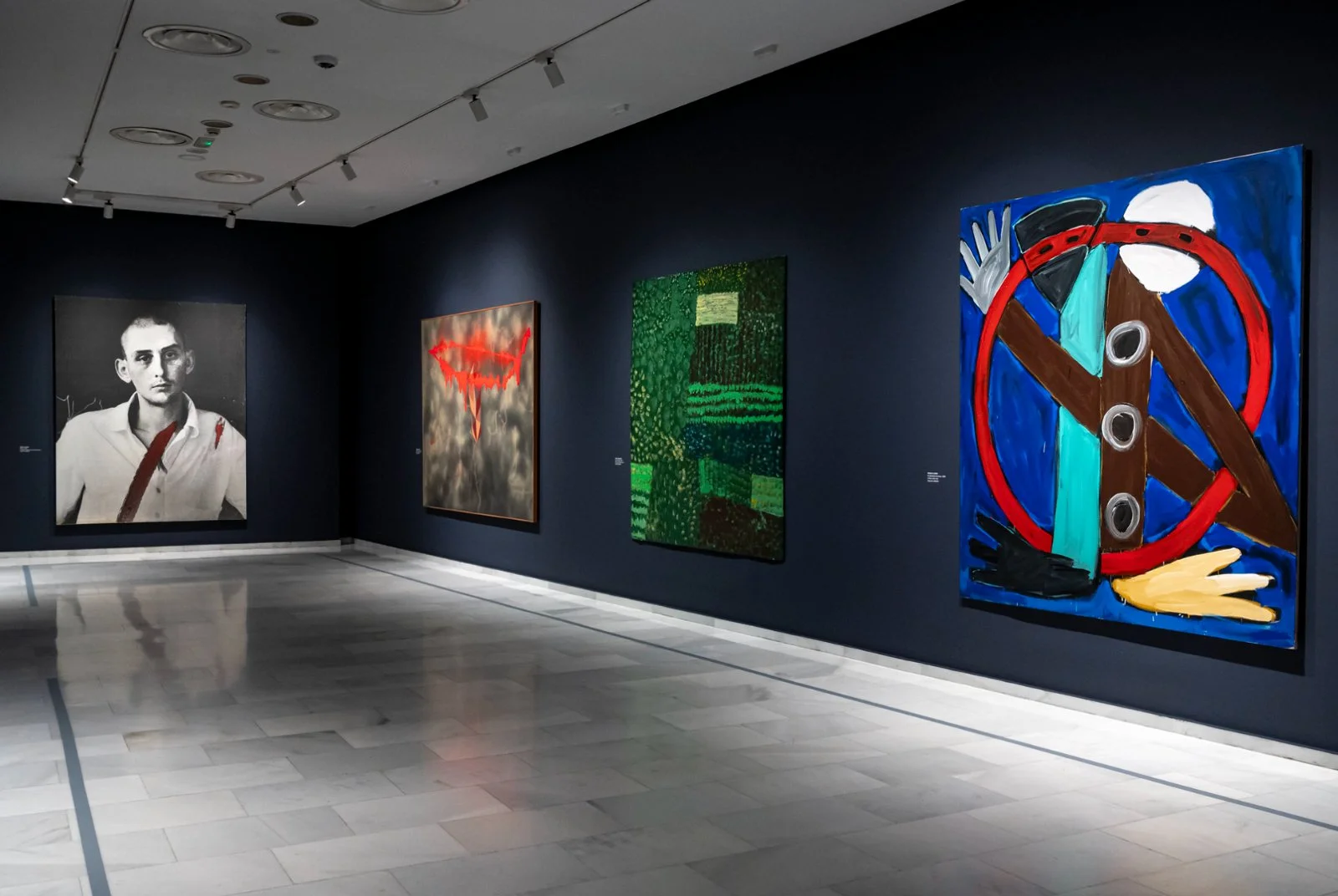
This exhibition is a retrospective journey through more than five decades of Isabel Oliver’s work, connecting two major forms of violence: the historical representation of women’s bodies and the brutality of war. Oliver is one of the key figures of Valencian feminist and critical art, trained at the School of Fine Arts of Sant Carles and later professor of painting at the Universitat Politècnica de València.
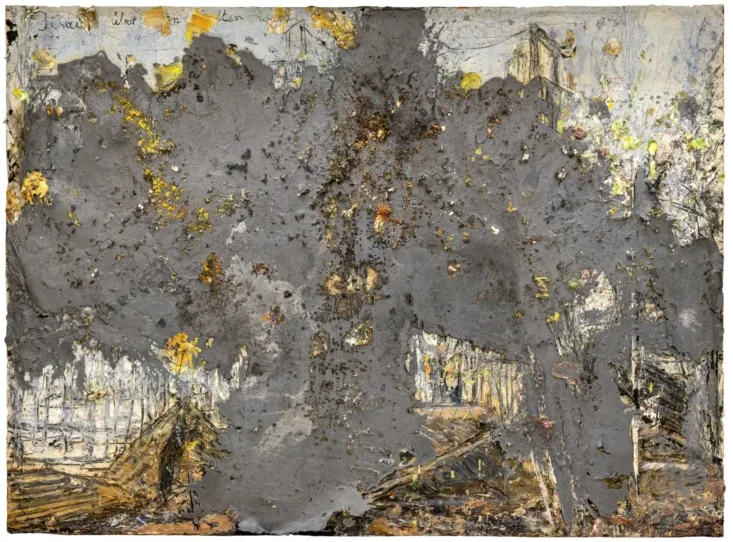
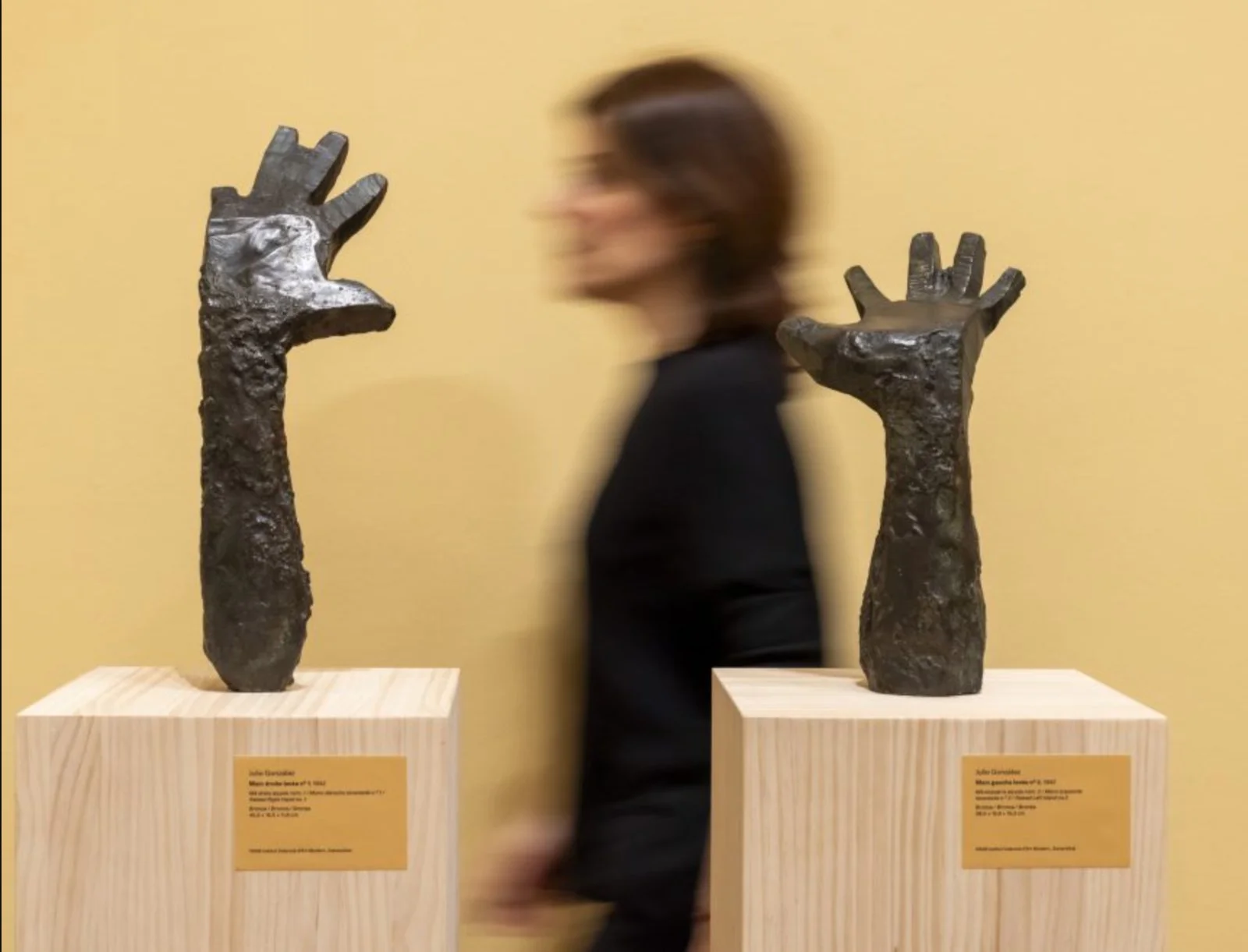
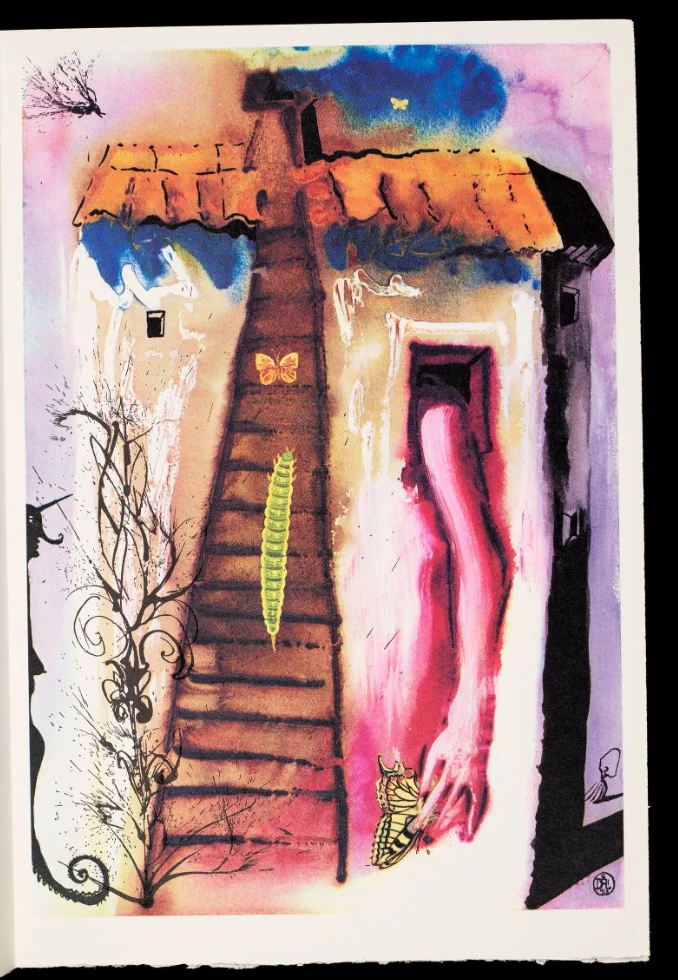
The exhibition brings together iconic series from her career with recent works made in response to contemporary conflicts. According to MAKMA, the show includes around 60 works, with 18 recent “Landscapes of Barbarity” created specifically for Fundación Chirivella Soriano. These new paintings evoke destroyed buildings, burning horizons, wounded cities, and the visual memory of war.
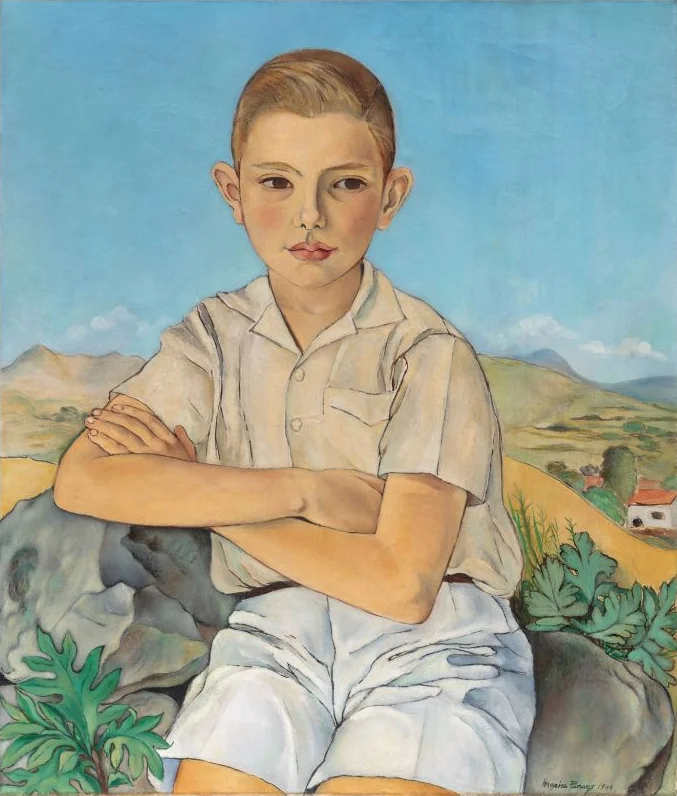
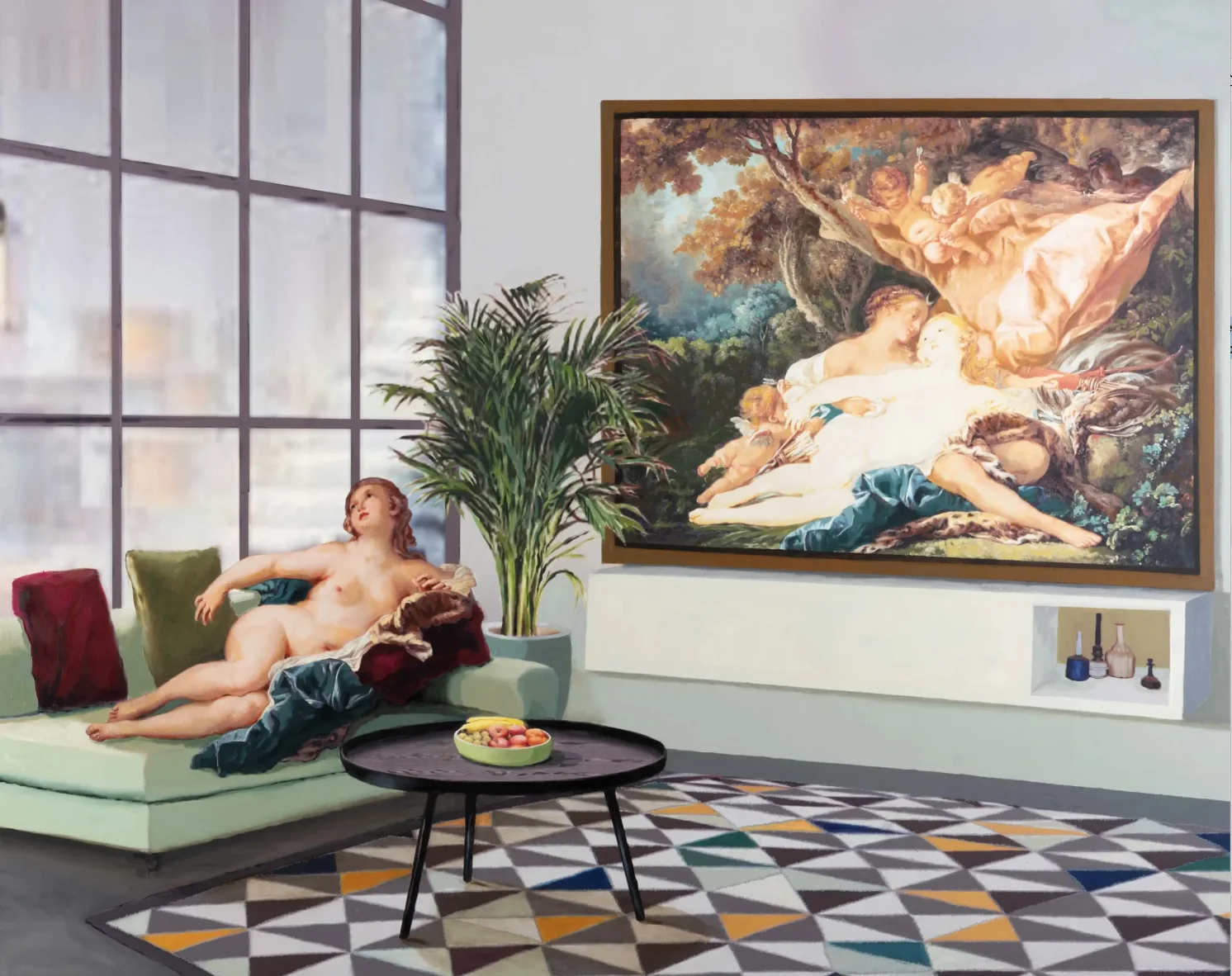
The “bodies in flight” also refer to female bodies escaping the way art history has often turned them into objects. Oliver’s work confronts both the violence of representation and the violence of destruction: the body as battlefield, the city as wound, painting as refusal to look away.
Worth travelling for?
Isabel Oliver makes painting feel politically urgent without losing its visual force.
Her work was linked early to feminist Pop and critical image-making in Spain, and her international visibility grew after her inclusion in The World Goes Pop at Tate Modern. Tate describes Oliver’s work as using women in domestic or imaginary scenes to critique their role in Spanish society.
For Artlovers, this exhibition is worth seeing because it does something rare: it connects feminist art history with the brutal images of today’s wars. It is not comfortable, and it should not be. It asks how images can denounce, remember, and resist when language becomes too weak.
Experience as an Artlover
Start with the bodies. Then move to the landscapes.
Look at how Oliver treats the female figure: not as passive image, but as a place of tension, escape and resistance. Then look at the war landscapes as emotional evidence — not documentary illustration, but painting trying to process what is almost impossible to understand.
This is a show to see slowly. Let the colour, matter and discomfort work before trying to explain everything.
Isabel Oliver. Bodies in Flight. Landscapes of Barbarity
Artlovers relevance
Plan your visit
Hours & rating from Google