At a glance

Artlovers Tip
Artlovers relevance
Inside the exhibition
Meet the artist
Key Movements
Medium
Description
The final creative period of Antoni Tàpies, from 2002 until his death in 2012. At the end of his life, Tàpies didn’t become softer.
He became more essential: fewer elements, more silence, more weight.
Informalism, material painting, postwar abstraction, symbolic language and late modern painting.
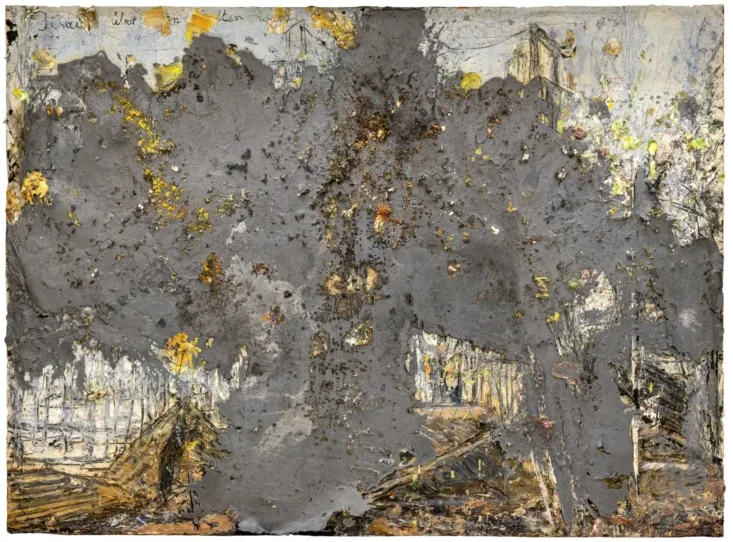
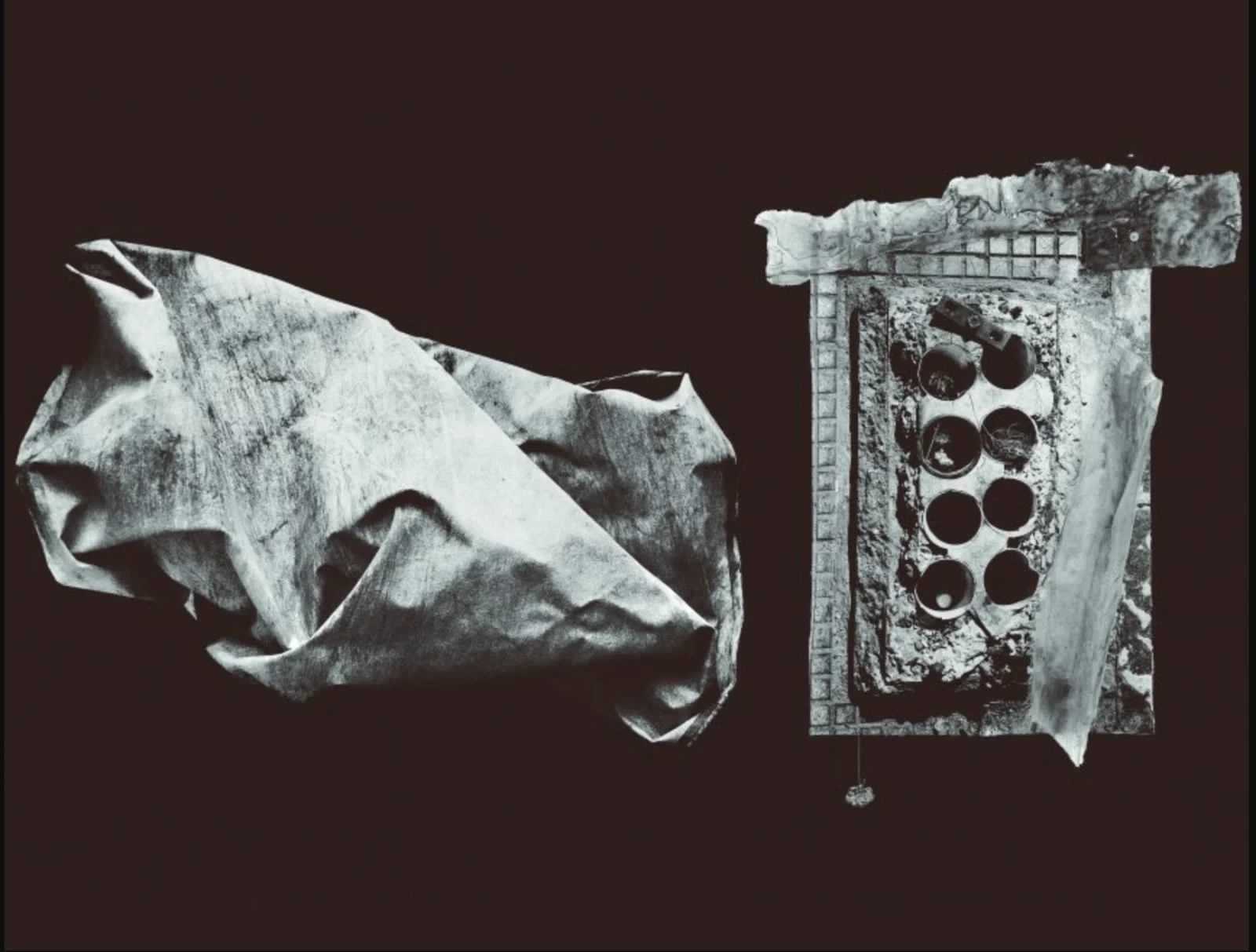
Tàpies is often linked to Informalism, but this final period shows something more intimate and concentrated: matter, signs, marks, voids and surfaces reduced to their most powerful form.
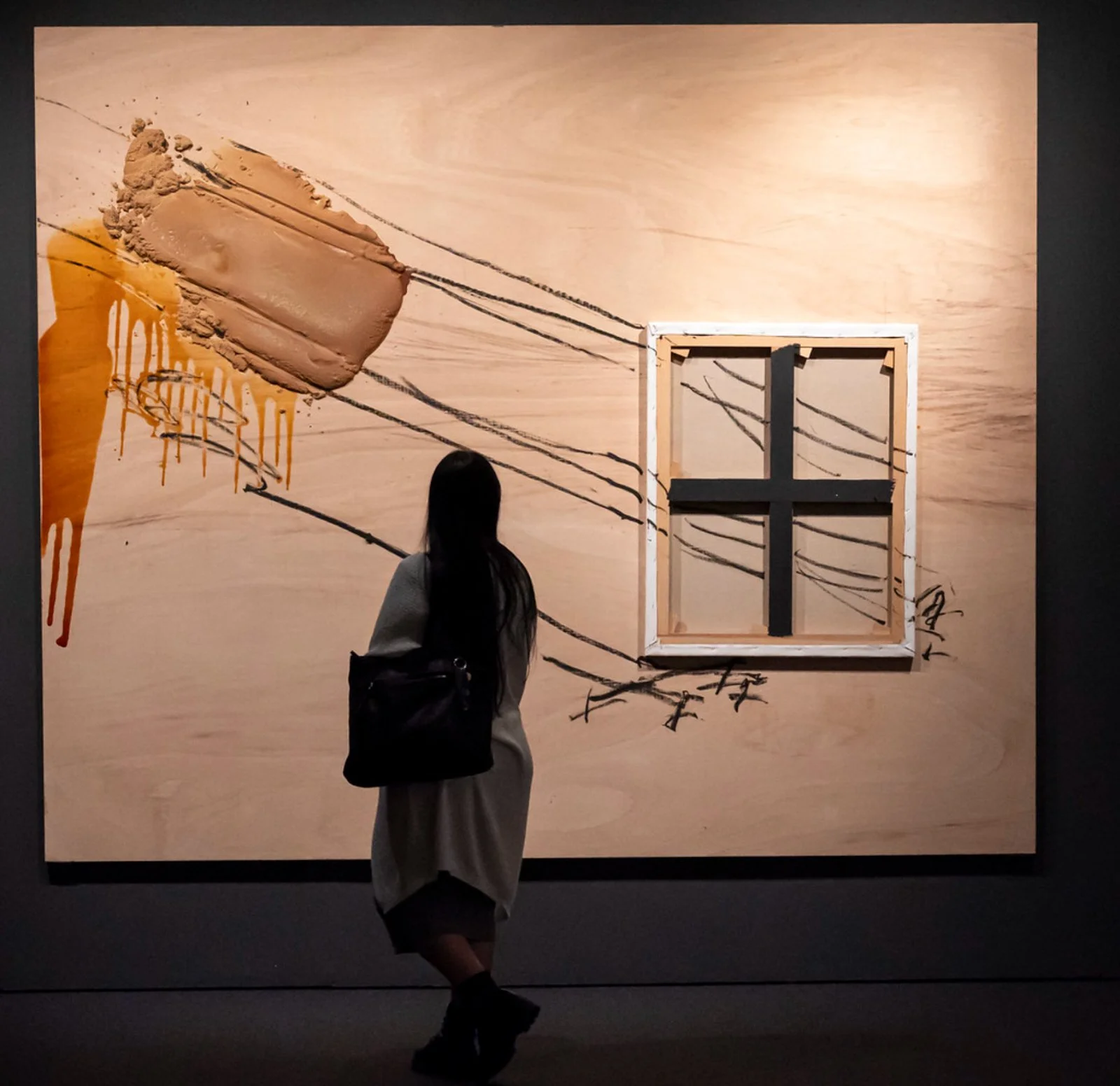
Tàpies. Última década (2002–2012) focuses on the artist’s last ten years of production. The exhibition brings together works from the final stage of a career that lasted around six decades, offering a look at a period that is less known to the general public.
You’re watching:
- Late works where Tàpies condenses his visual language
- Matter, signs, crosses, textures and almost sacred-looking surfaces
- A more private and essential Tàpies
- Works created mostly for his family environment, many of which had not been publicly exhibited before, according to reporting on the show
- A final decade where the artist keeps experimenting with radical simplicity
The exhibition feels quiet, but not weak. It is the opposite of decorative art: it asks you to stay, read the surface, and feel the gravity of what remains.
Worth travelling for?
Yes — especially if you want to understand the late Tàpies, not only the famous Tàpies.
This matters because late works often reveal what an artist no longer needs to prove. In Tàpies’ case, the final decade becomes a space of concentration: fewer gestures, fewer materials, but a stronger sense of presence.
It is also valuable because the exhibition gives access to works closely connected to the artist’s private circle, making the show feel more intimate than a standard retrospective.
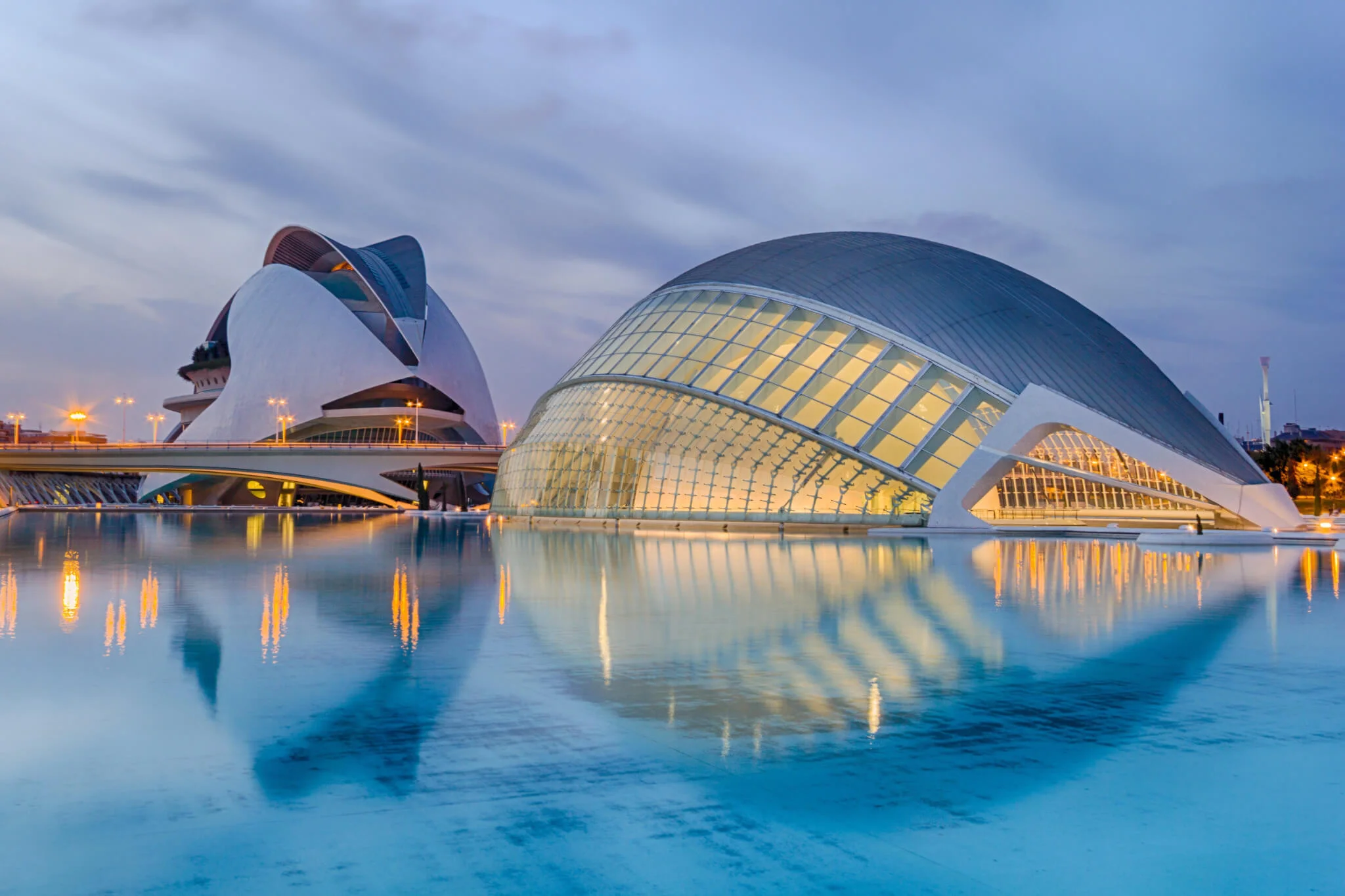
If you are in Valencia, this is a strong stop for modern and contemporary art lovers — especially when paired with Fundación Bancaja’s broader programme around major 20th-century artists.
Experience as an Artlover
Don’t look for spectacle. Look for silence, matter and signs.
Step close to the surfaces: Tàpies speaks through texture.
Then step back and let the whole image become almost like a wall, a wound, or a trace.
Pay attention to what feels reduced: the late work is about intensity, not abundance.
Take your time. This exhibition is built for slow looking.
Tàpies. Last decade (2002–2012)
Hours & rating from Google