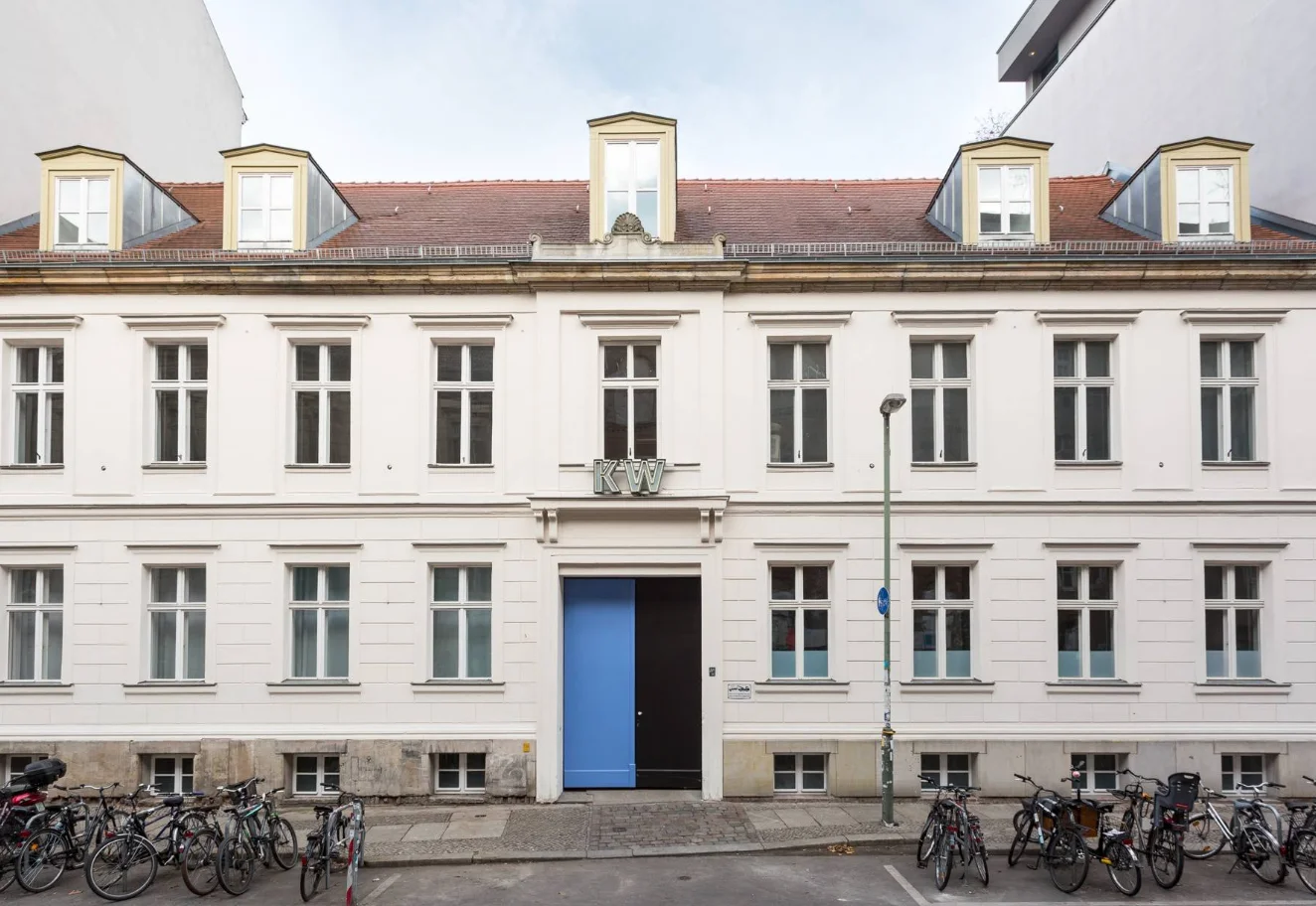
Berlin’s grand exhibition house for contemporary art, photography and cultural history. Gropius Bau is where major international shows meet one of the city’s most beautiful historic buildings.
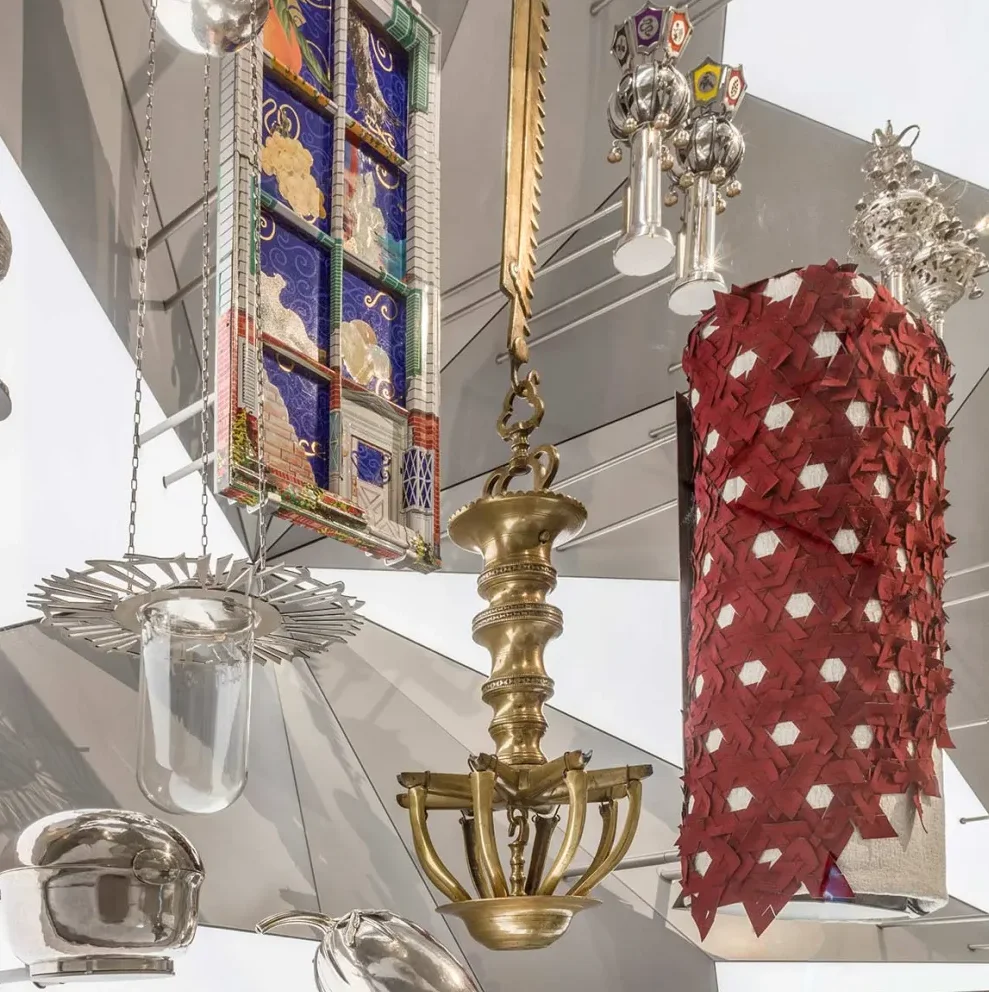
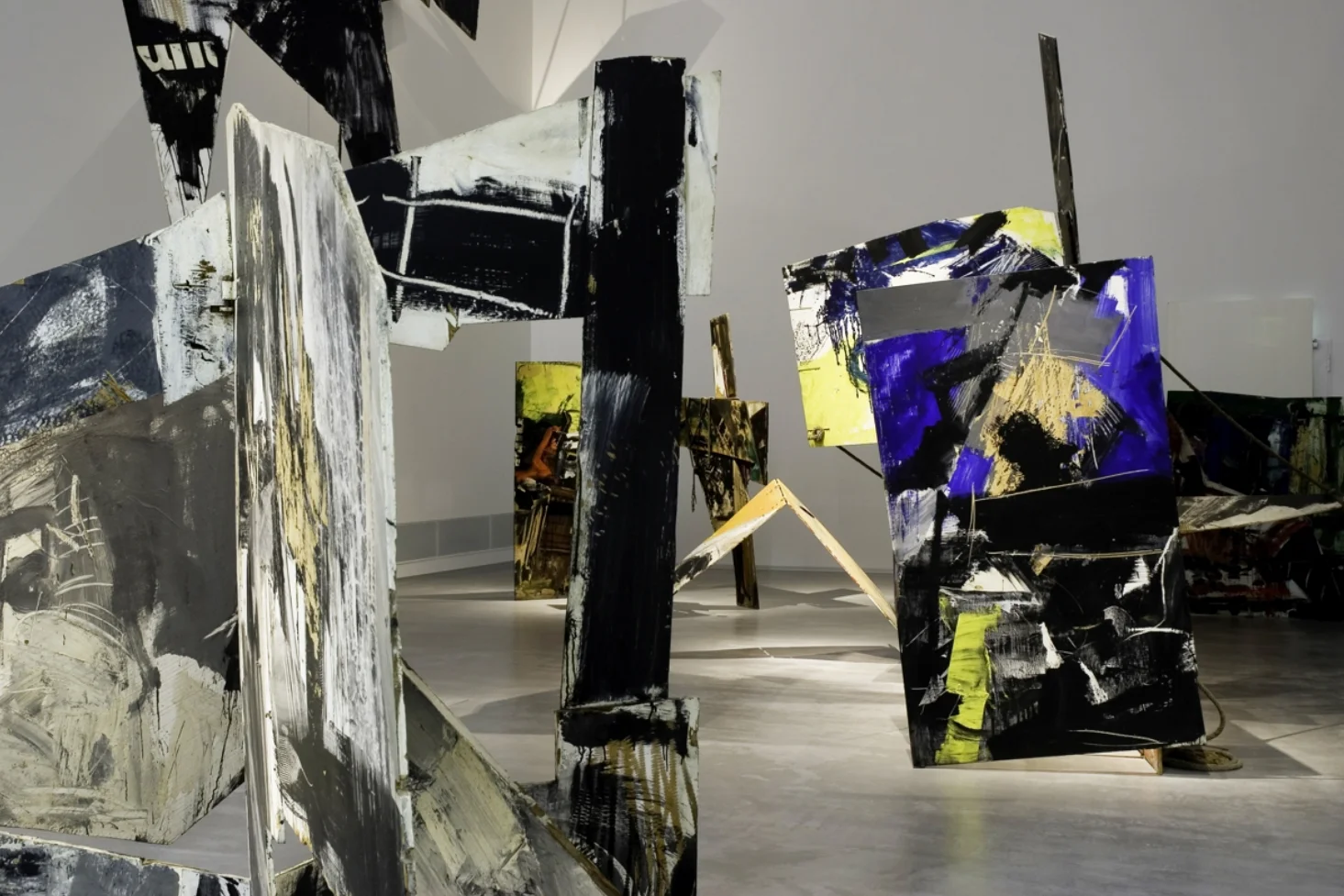
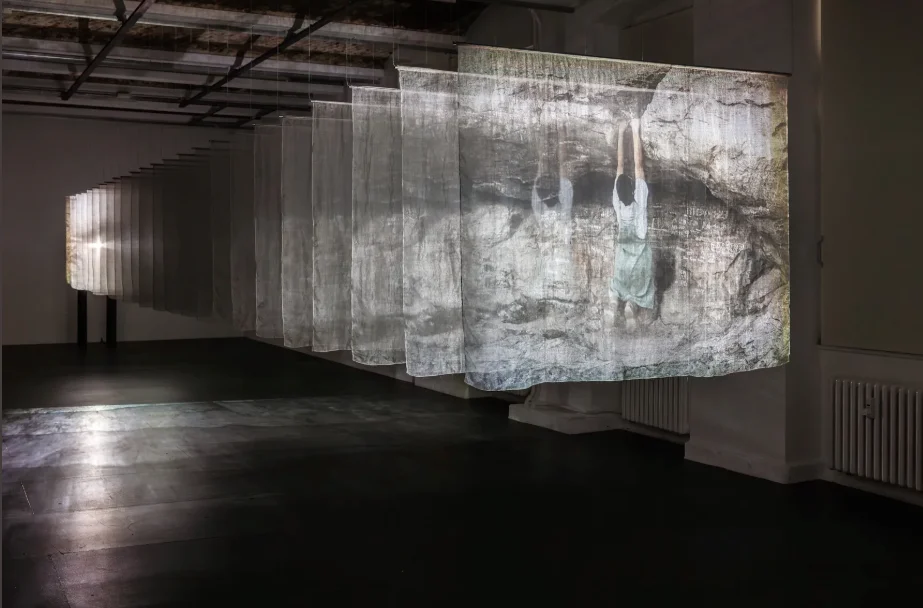
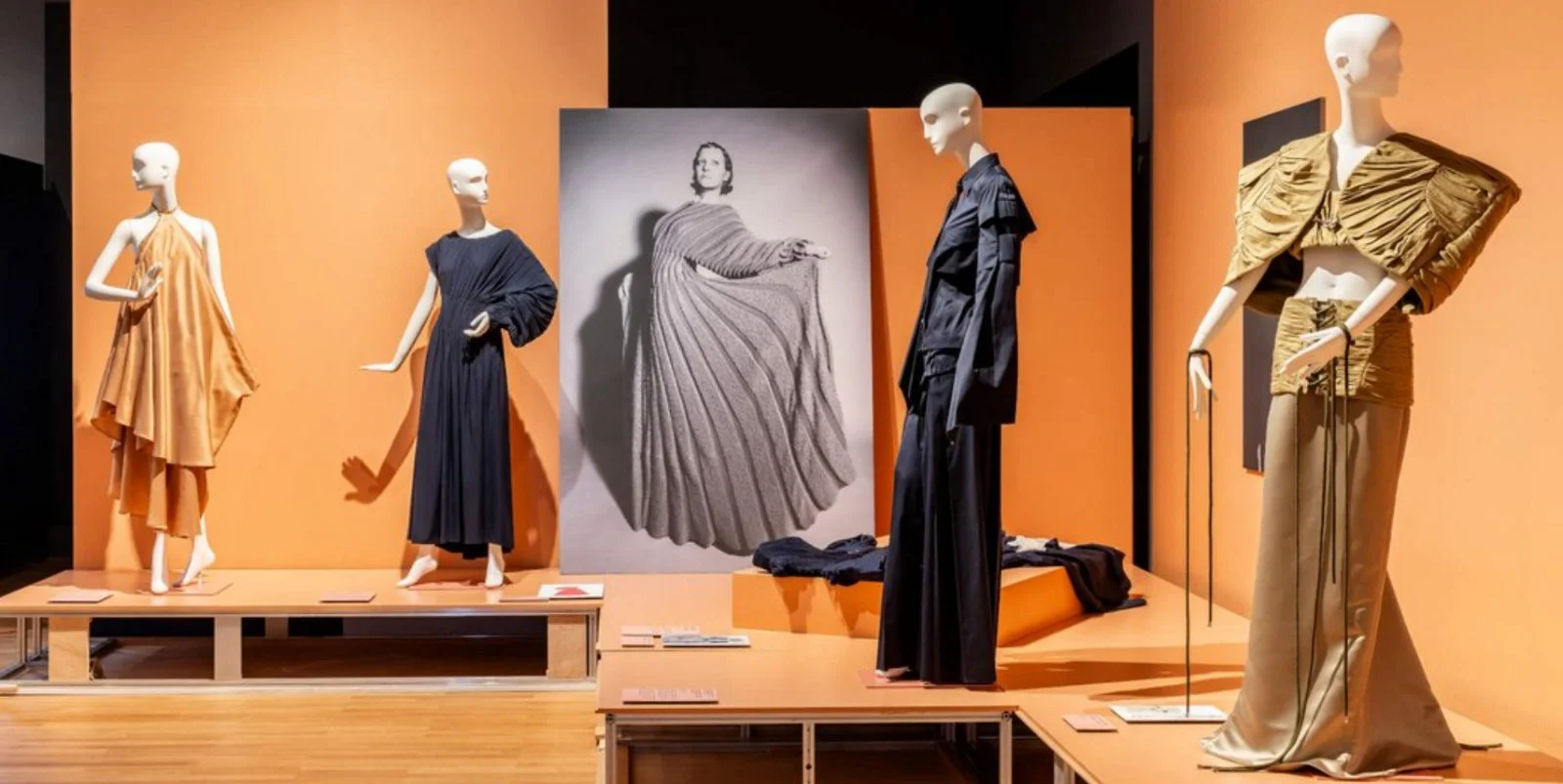
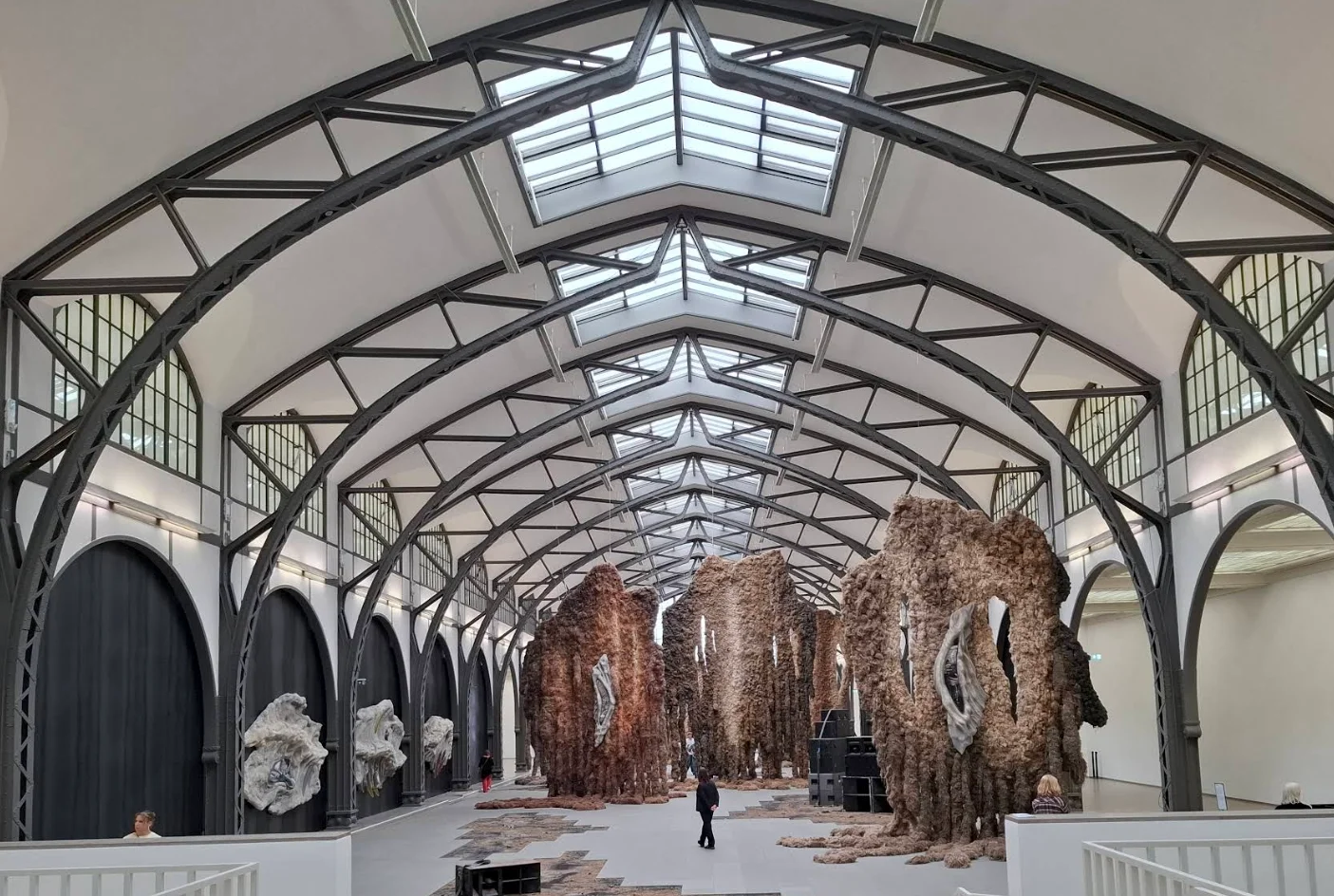
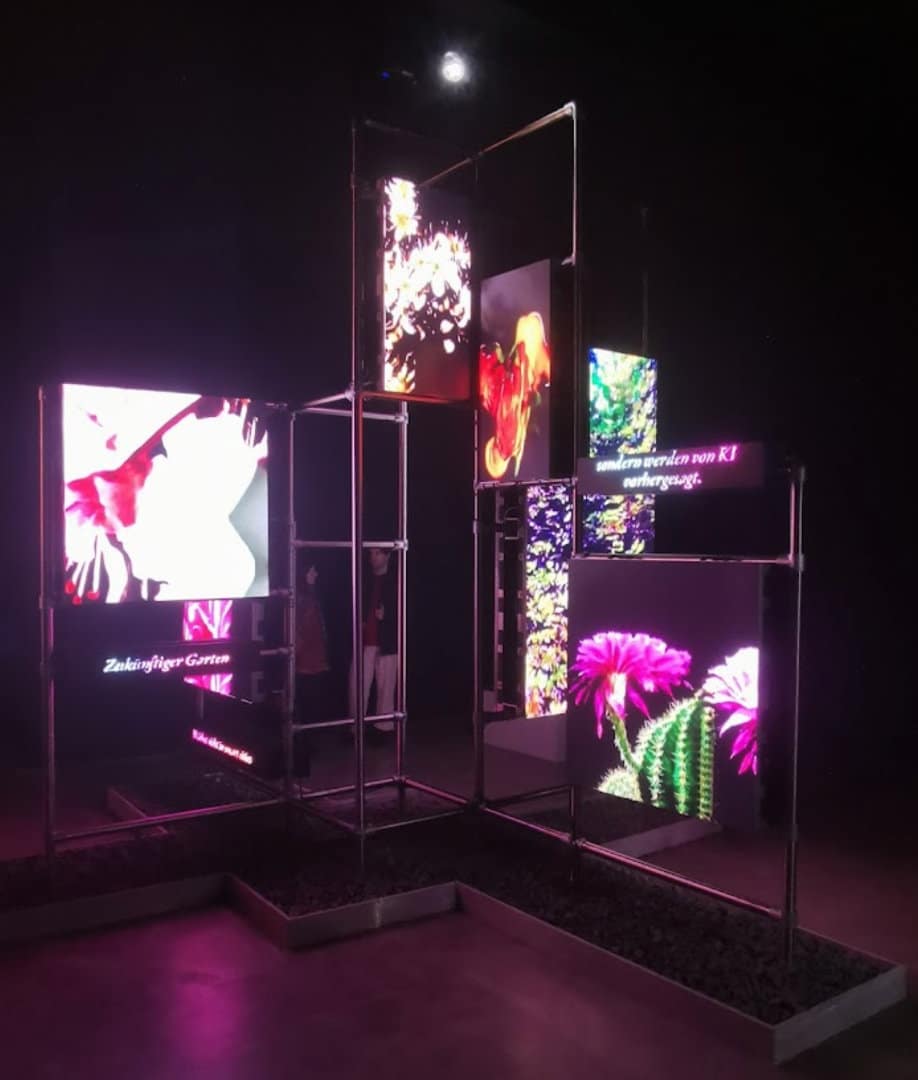
At Gropius Bau, the visit depends completely on the current exhibition programme. The building can host monumental contemporary installations, photography retrospectives, political exhibitions, performance-based projects or historically focused shows.
You may encounter:
- Major temporary exhibitions
- Contemporary art, photography and installation
- Performance, sound and interdisciplinary projects
- Cultural-history exhibitions with strong visual narratives
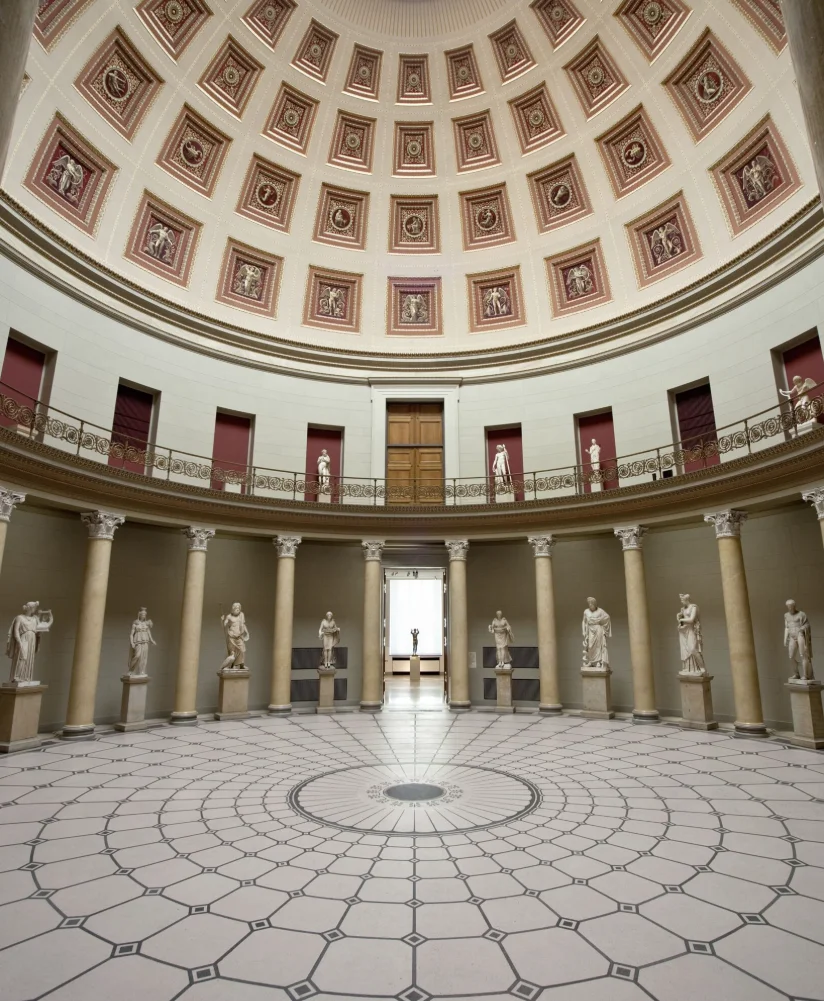
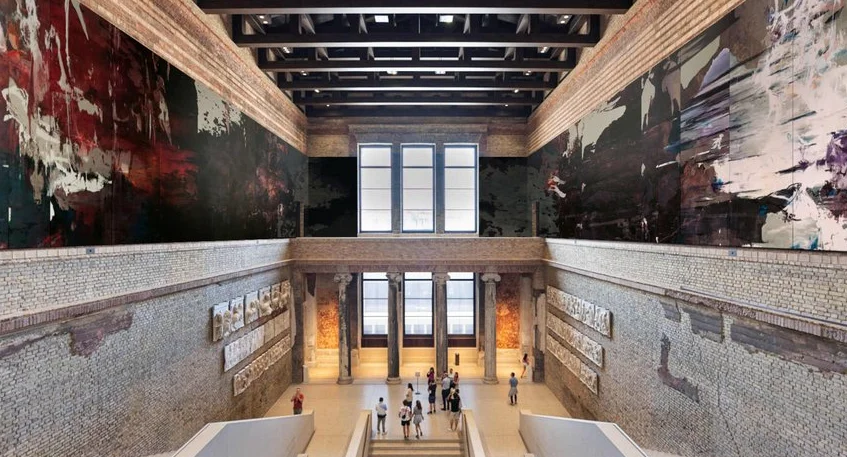
- A spectacular central atrium and historic exhibition rooms
- A powerful location near Berlin’s 20th-century memory sites

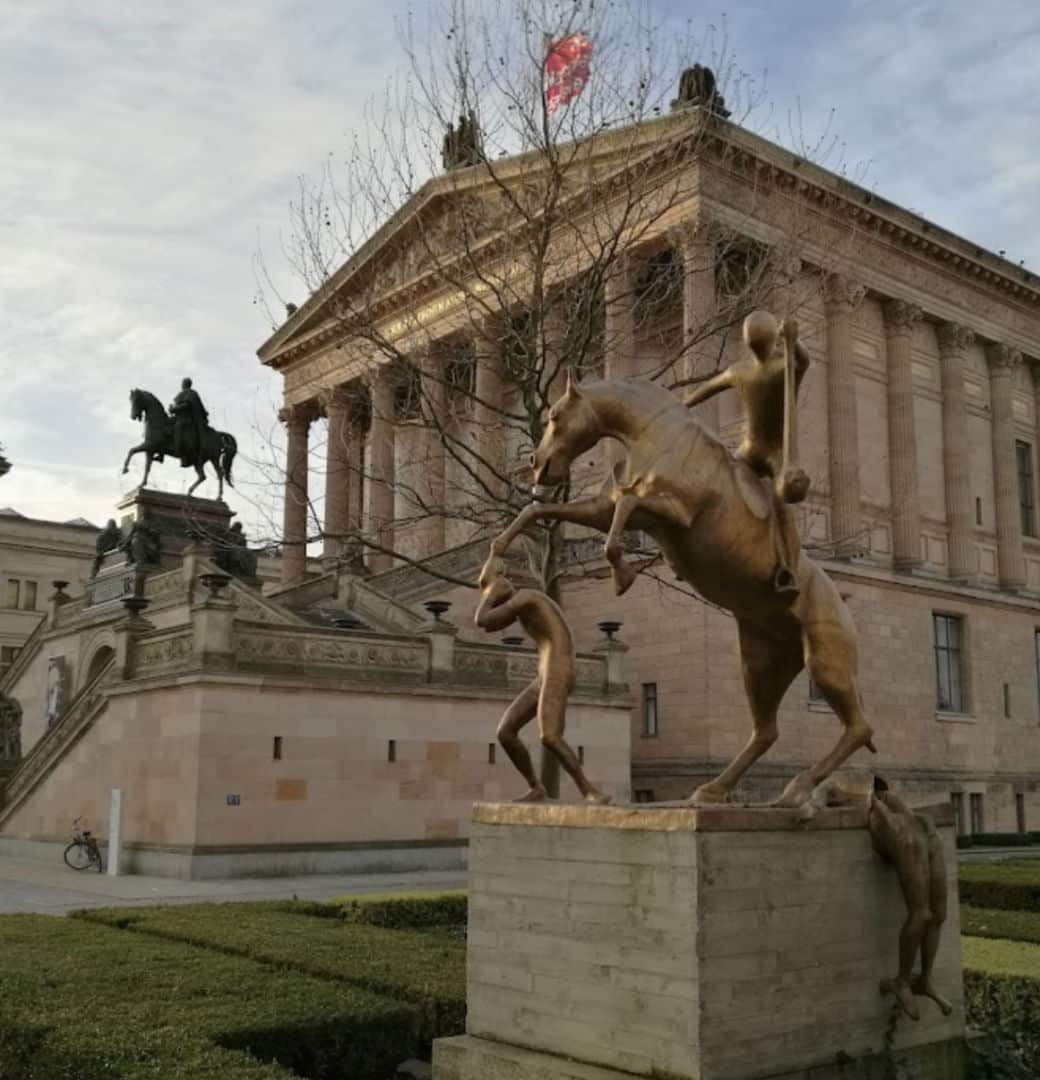
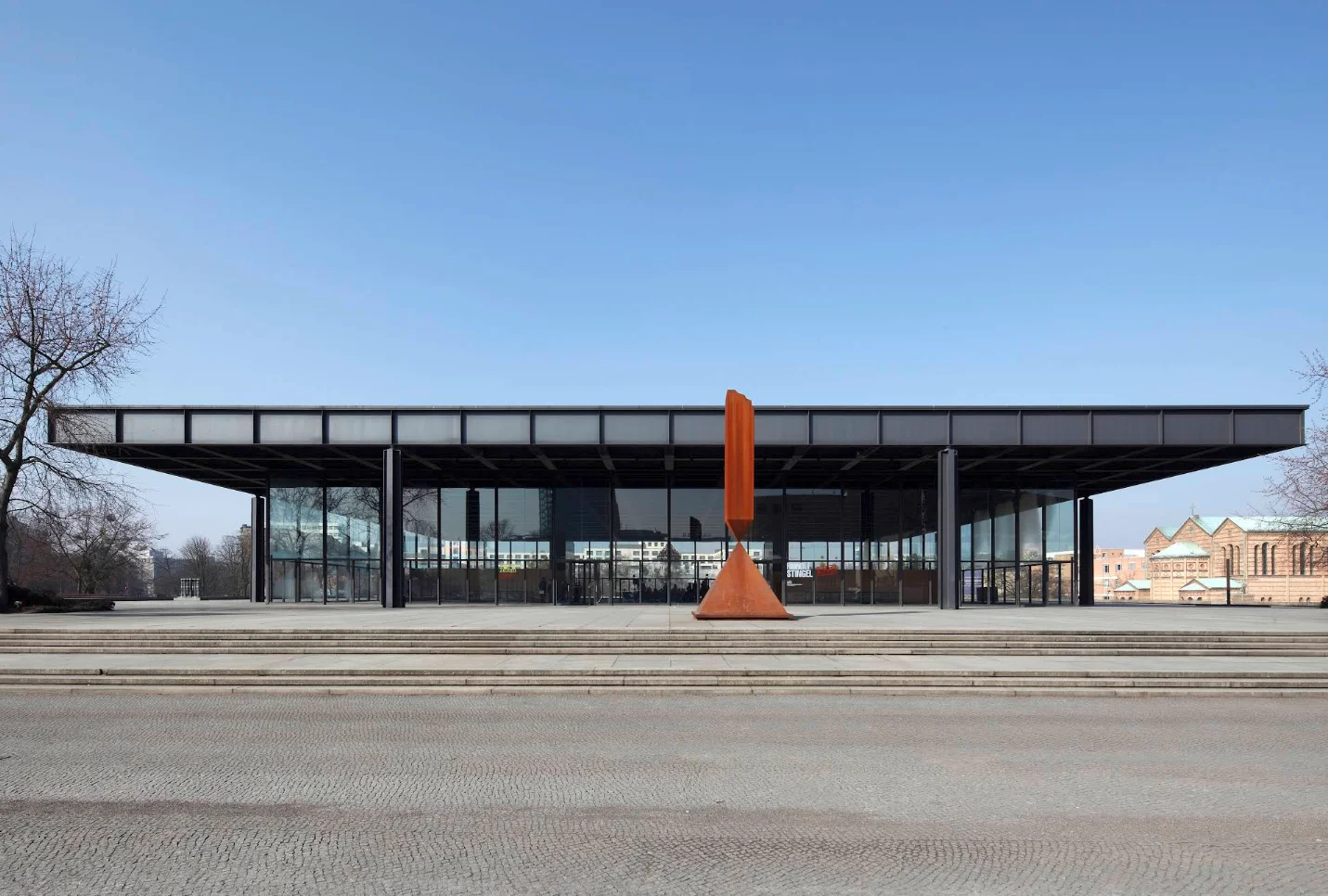
Pair Gropius Bau with Topography of Terror, Potsdamer Platz, or the Neue Nationalgalerie / Kulturforum. The location makes the visit feel very Berlin: art, architecture, memory and history all within a few minutes’ walk.
This is usually a medium-to-dense visit. Allow around 90 minutes to 2 hours, depending on the exhibition. If there is a major retrospective or immersive project, give it more time. Since there is no permanent collection, always check the current programme before going.
About
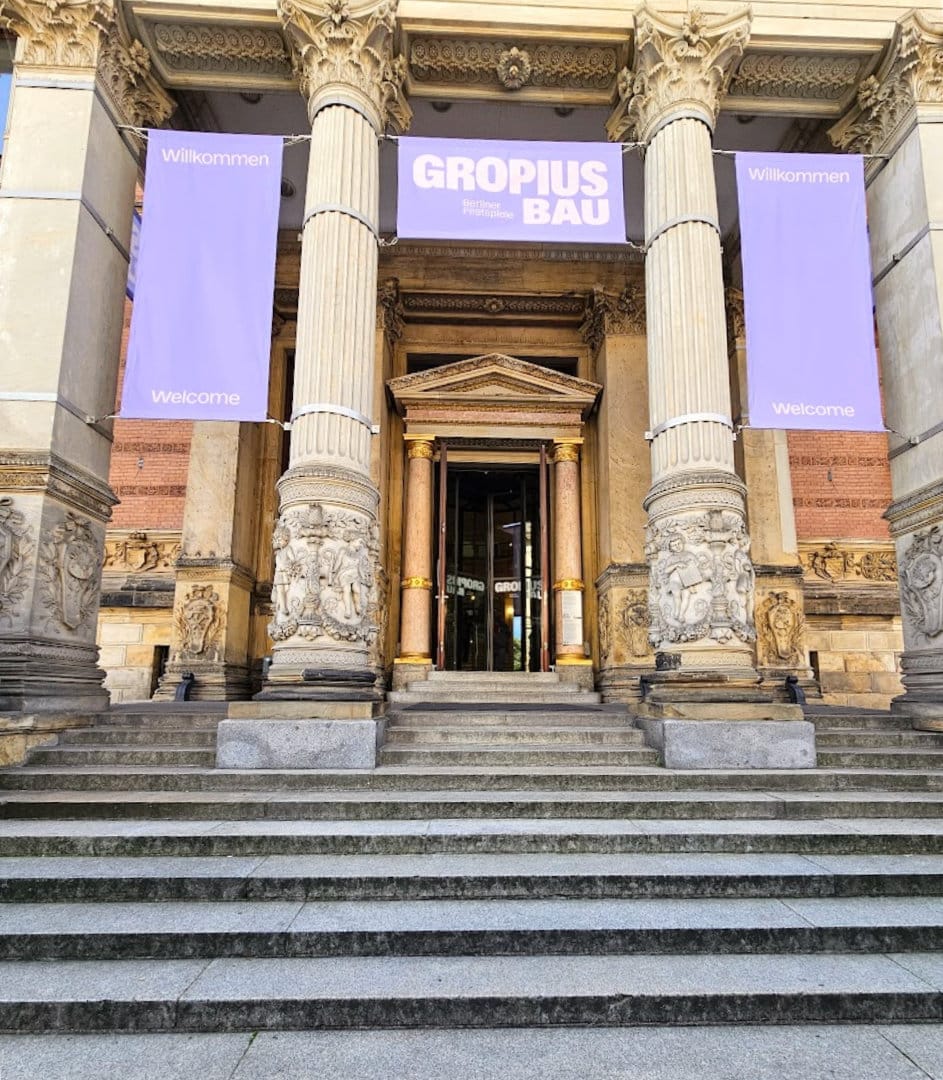
Gropius Bau is located at Niederkirchnerstraße 7, close to Potsdamer Platz, the Topography of Terror and the former line of the Berlin Wall. Built between 1877 and 1881 by Martin Gropius and Heino Schmieden, it was originally conceived as a museum of applied arts and is today one of Berlin’s most important exhibition venues.
It is not a museum with a permanent collection. Gropius Bau works as a large-scale exhibition centre, part of the Berliner Festspiele, presenting contemporary art, photography, performance, cultural history and major international projects.
Worth the trip
Yes — especially if you want Berlin beyond classic museums and gallery districts.
What makes Gropius Bau special is the combination of scale, architecture and intellectual ambition. It can feel both grand and experimental: a 19th-century building hosting urgent contemporary questions.
For Artlovers, it is worth including because it captures one of Berlin’s strongest cultural moods: history is never far away, but art keeps reopening the conversation.
© Creative Commons