A body that refuses silence: art, resistance, feminism and survival from inside the pressure of East German history.

A must-see Berlin 2026 exhibition: raw, political, feminist and deeply human — Gabriele Stötzer turns art into an act of presence, resistance and refusing to be silenced.
Inside the exhibition
This is the largest institutional solo exhibition to date dedicated to Gabriele Stötzer, an artist whose practice has moved across photography, performance, film, painting, literature, textile works, object art and public actions for more than five decades.
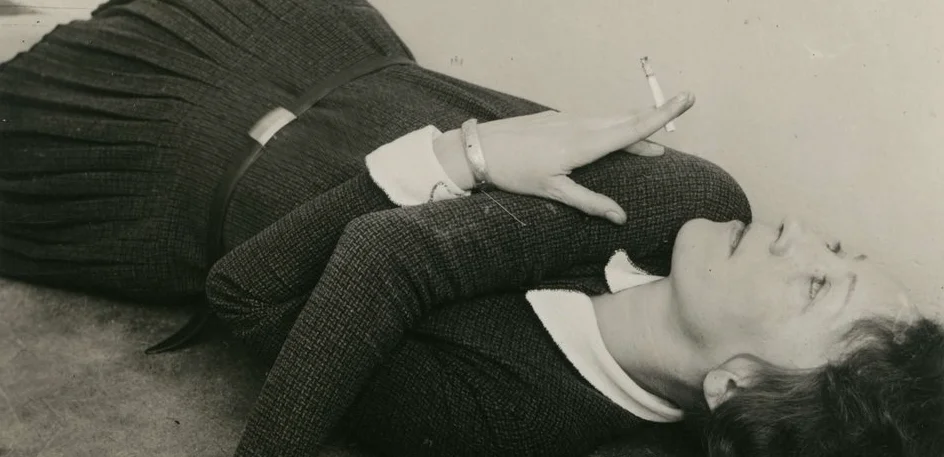
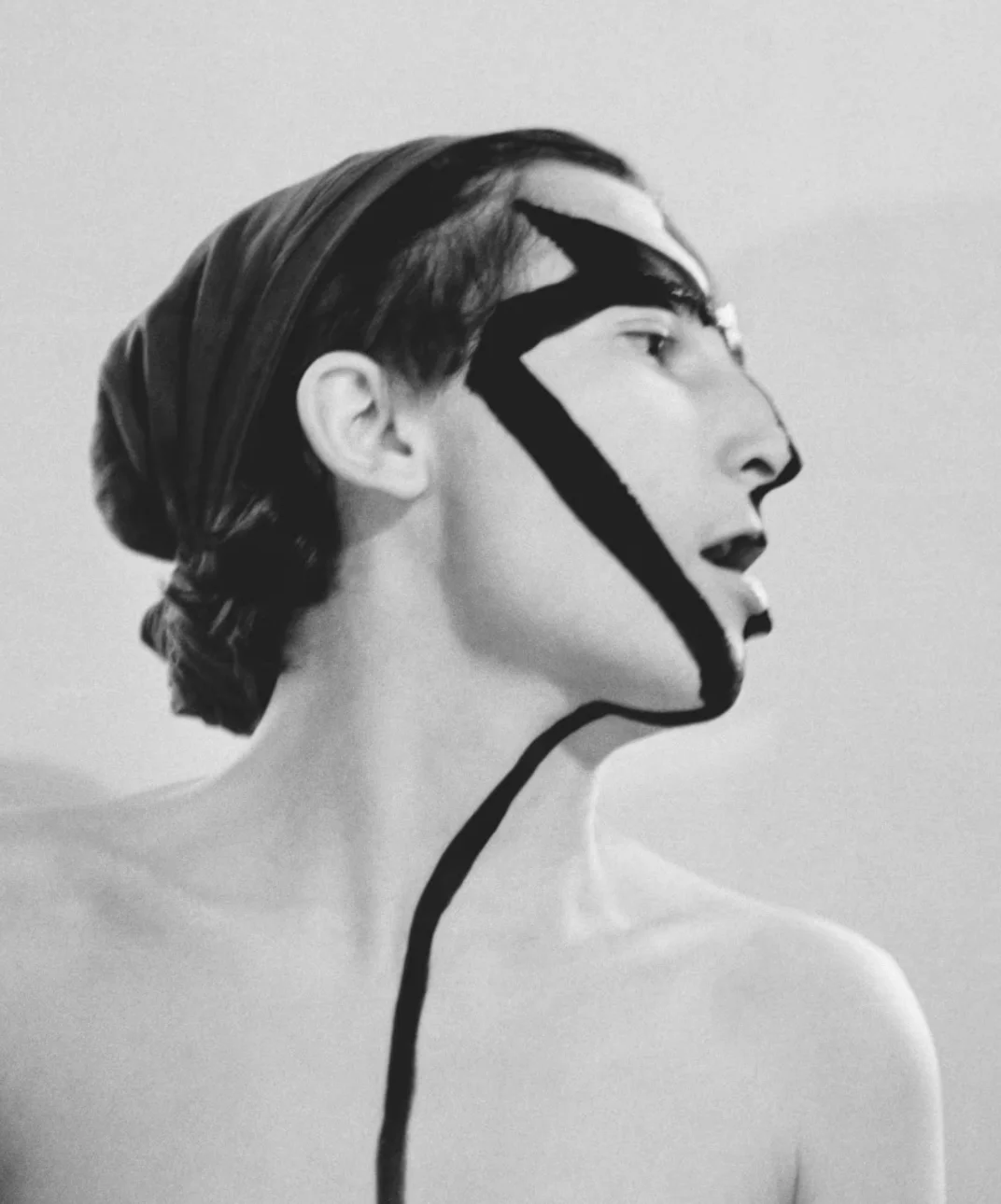
Stötzer’s work is inseparable from her biography and the political conditions of the GDR. Born in Thuringia in 1953, she developed an experimental artistic language shaped by imprisonment, surveillance, censorship and self-organised networks. Her own body often becomes central — not as an object to be looked at, but as a site of resistance, feminist self-assertion and social confrontation.
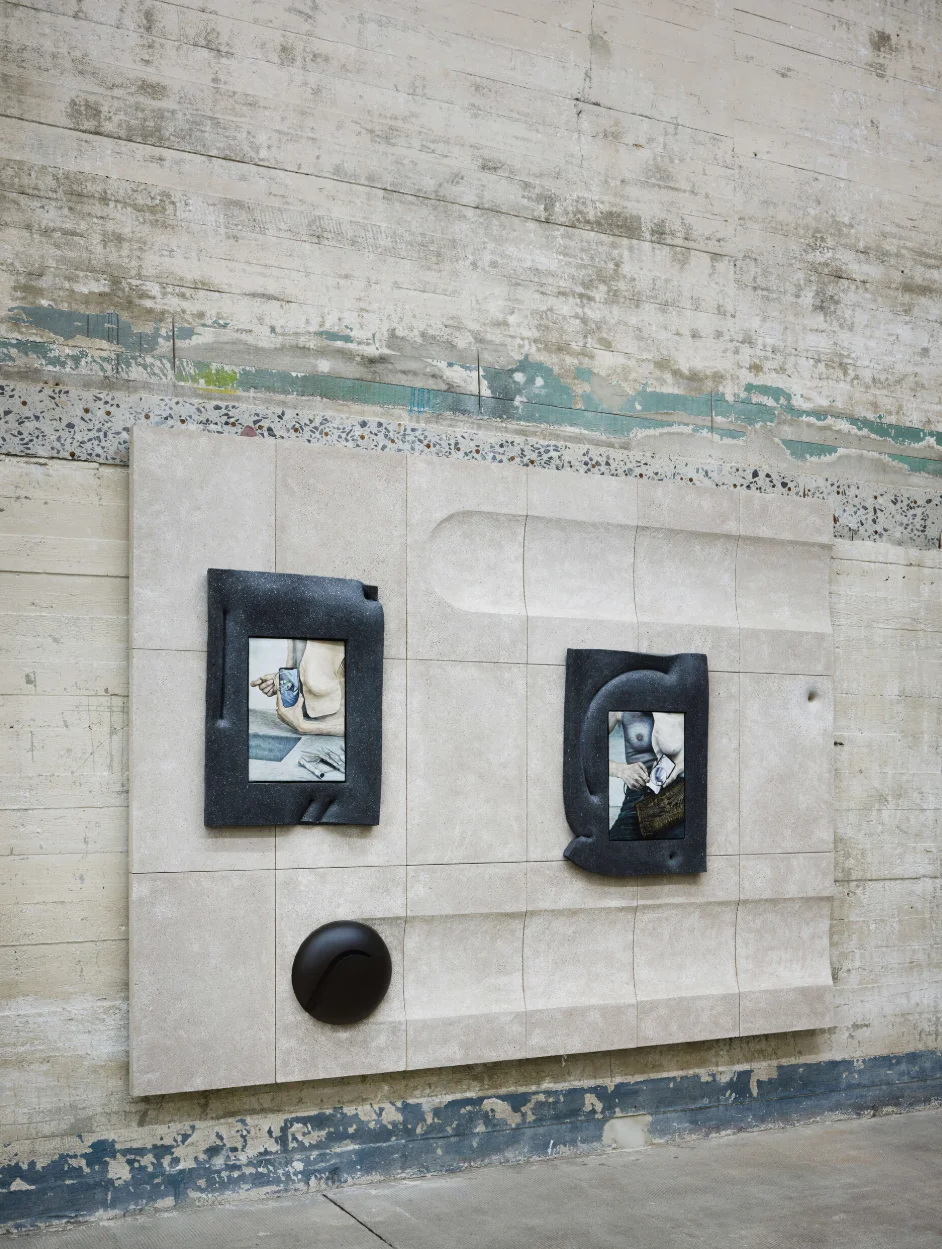
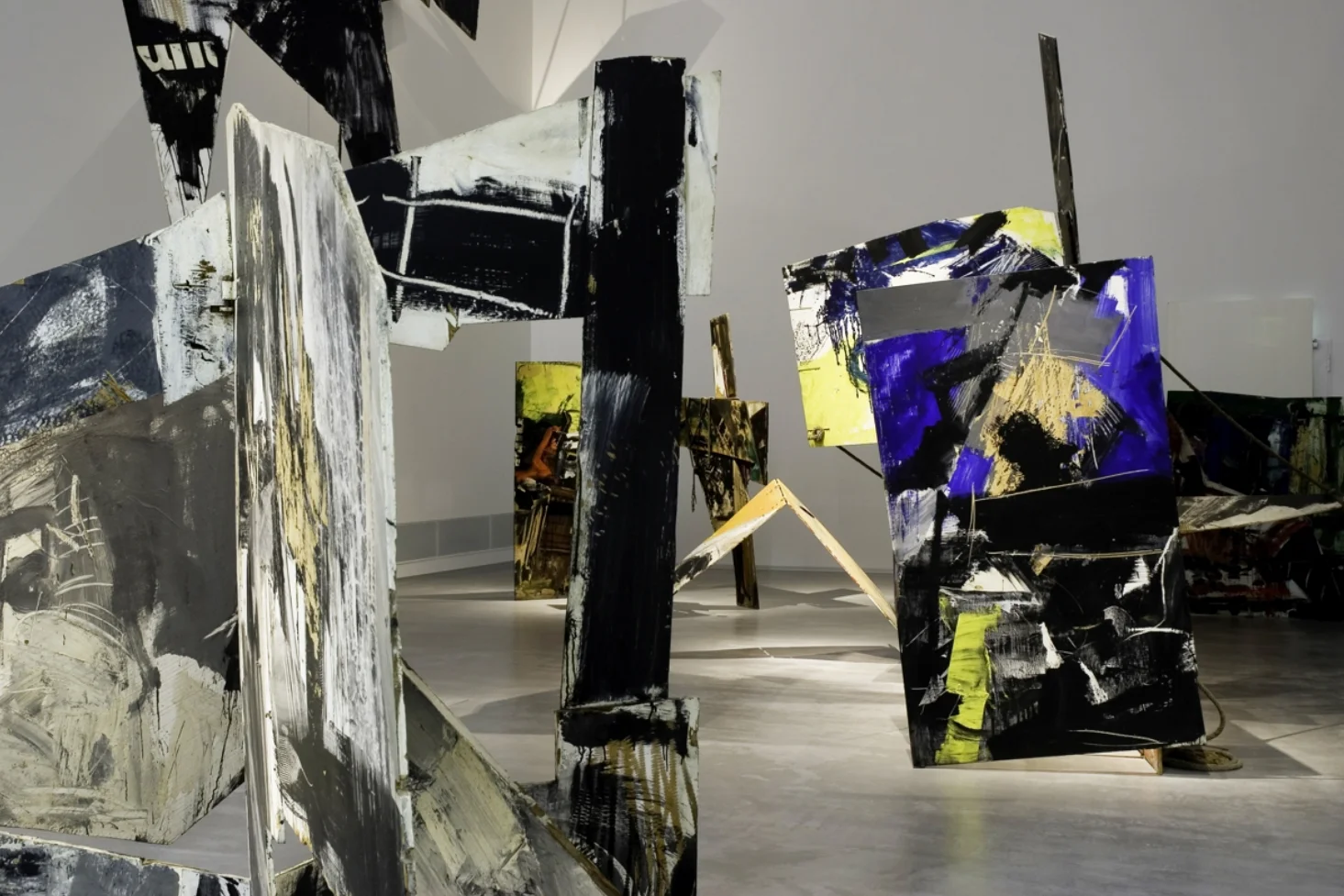
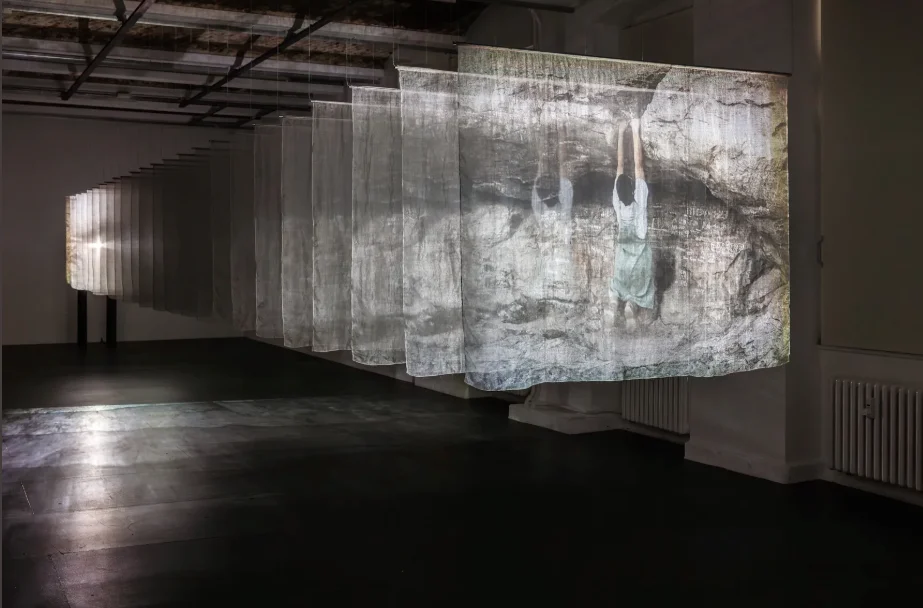
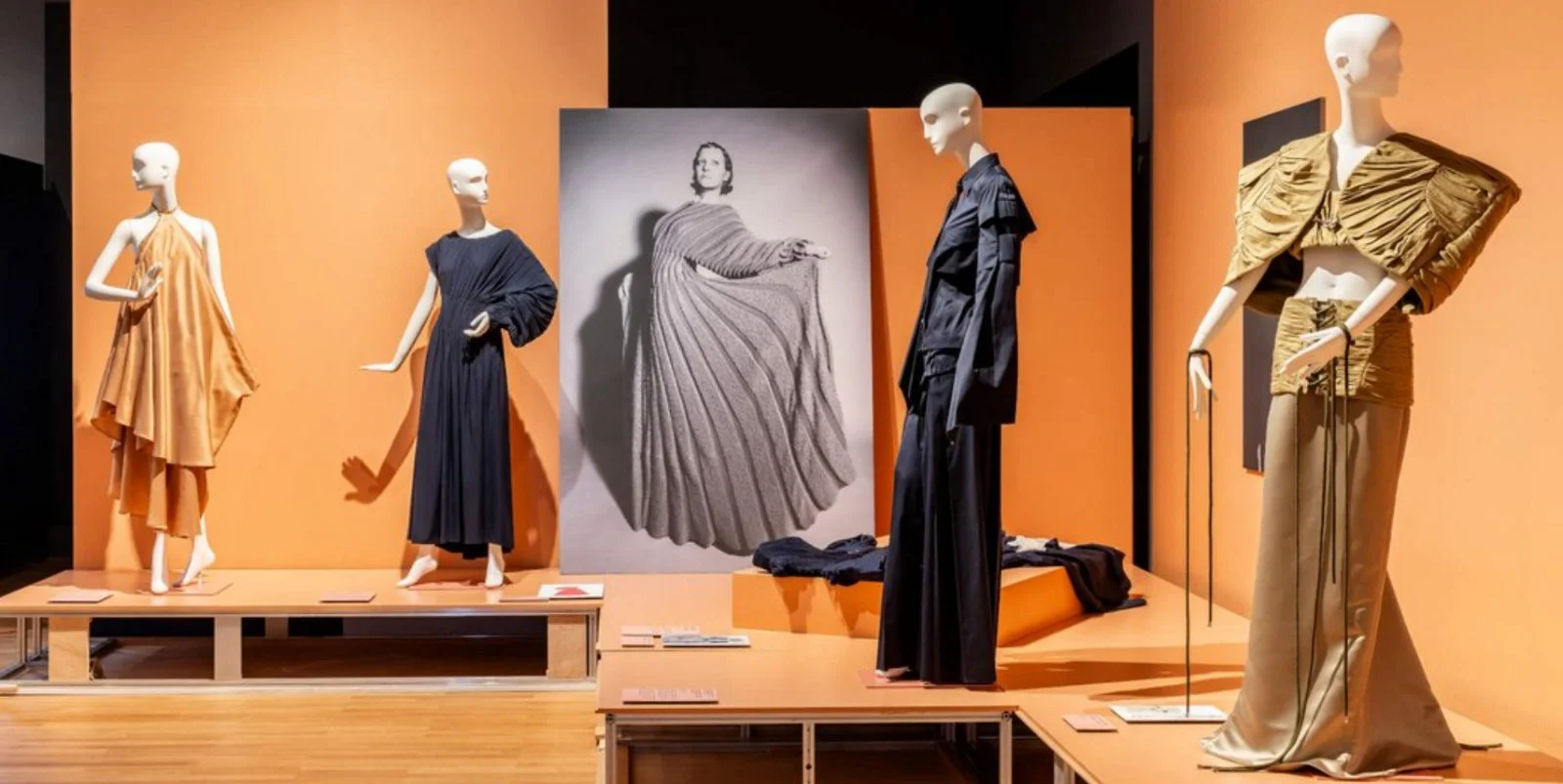
The exhibition brings together around 150 works, showing the breadth of her practice: videos, photographs, textile works, Super-8 film, performance documentation, public actions and large textile or wool-based figures.
Worth travelling for?
Because Stötzer’s work shows what it means to make art when visibility itself is risky.
This is not art as decoration or career strategy. It is art as testimony, pressure, body, friendship, defiance and survival. Her practice emerged under state repression, but it does not belong only to the past. Today, it speaks directly to questions of autonomy, gender, control, censorship and the right to be present without being silent.
For Artlovers, this is worth the trip because it adds a necessary layer to Berlin’s art story: not only the big museums, the market or the post-Wall myth, but the underground, feminist and dissident voices that shaped culture from the margins.
Experience as an Artlover
Don’t visit it as a simple historical exhibition about the GDR.
Start with the body. Look at how Stötzer uses herself, other women, fabric, gesture, movement and performance to create spaces of freedom under pressure. Then follow the networks: the friendships, collaborations and self-organised scenes that allowed art to exist when official culture tried to control it.
This is a show to read with your eyes and your nervous system.
Gabriele Stötzer. Being there and not remaining silent
Hours & rating from Google