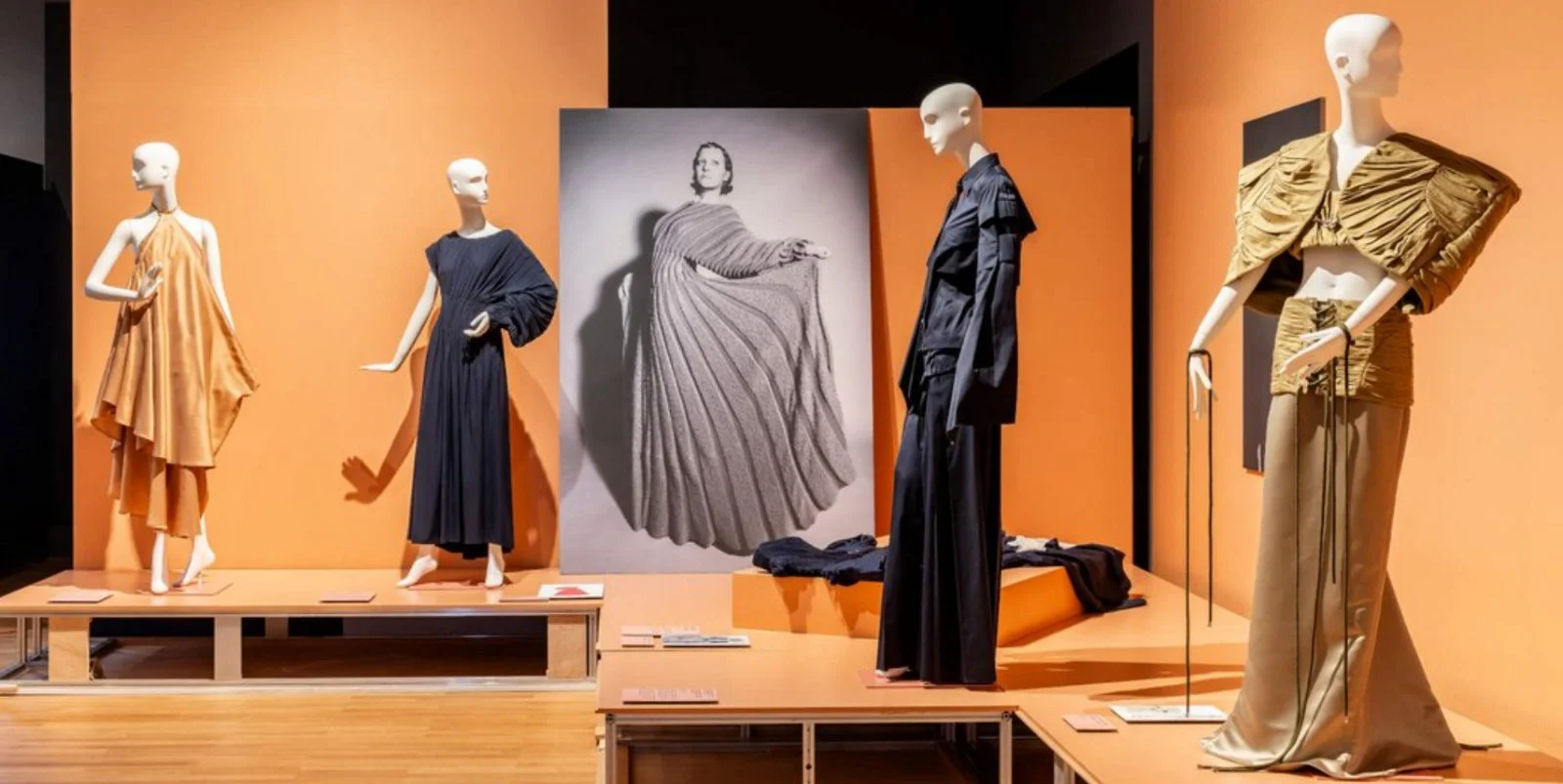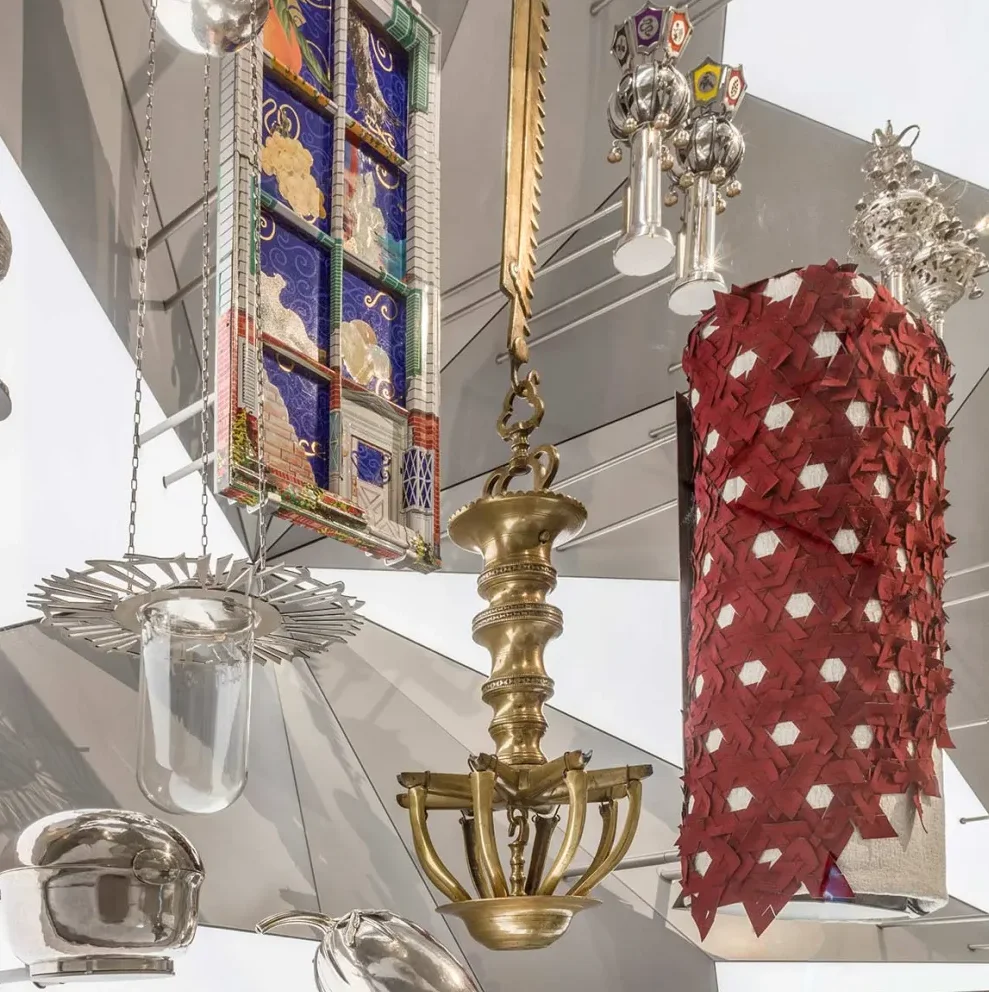
A journey through German Jewish history that refuses to be only about loss — it is also about culture, ritual, voices, survival, humour, music, memory and life.

Visit time / Density: Very dense. Allow at least 2 hours for the core exhibition. If you want to experience the architecture, read properly and include temporary exhibitions or the museum gardens, plan 3 hours or more.
A Berlin essential — powerful, generous and deeply human. Not just a museum of memory, but a place to understand Jewish life as history, culture, rupture and living presence.
Inside the exhibition
This is the heart of the Jewish Museum Berlin: a large, immersive exhibition covering more than 3,500 square meters and presenting Jewish history and culture in Germany from the Middle Ages to the present.
The route is structured around major historical chapters: the beginnings of Jewish life in German-speaking lands, emancipation and Enlightenment, persecution and extermination under National Socialism, life after 1945, and Jewish life in Germany today.
But the exhibition is not only chronological. It also opens thematic rooms around religion, music, family collections, ritual, sacred objects, everyday life and contemporary Jewish voices. You move through objects, media, installations, documents, art, sound and interactive elements — not as a distant history lesson, but as a living cultural story.
Worth travelling for?
Because this museum makes clear that Jewish history in Germany cannot be reduced to the Holocaust, even though that rupture is central and unavoidable.
The exhibition gives space to devastation, but also to continuity: faith, language, family, migration, music, food, intellectual life, humour, debate and present-day Jewish culture. That balance matters deeply. It allows visitors to understand Jewish life not only as memory of persecution, but as a living, complex and plural presence.
For Artlovers, this is worth visiting because the building and the exhibition work together. Daniel Libeskind’s architecture creates disorientation, voids and emotional pressure, while the core exhibition brings back voices, objects, stories and life. It is one of Berlin’s essential cultural experiences.
Experience as an Artlover
Do not visit it as a quick museum stop.
Start with the architecture: the axes, the voids, the feeling of rupture. Then move into the core exhibition and let the human details guide you — a ritual object, a family story, a voice, a song, a letter, a contemporary testimony.
The strongest experience comes when you hold both things together: historical trauma and living culture. This is not only a museum about what was destroyed. It is also about what continued, changed, returned and speaks today.
Jewish Life in Germany: Past & Present Core Exhibition
Hours & rating from Google