At a glance
From protective military clothing to global fashion symbol: discover how one ingenious coat became an enduring expression of British design.
Why go
You'll see
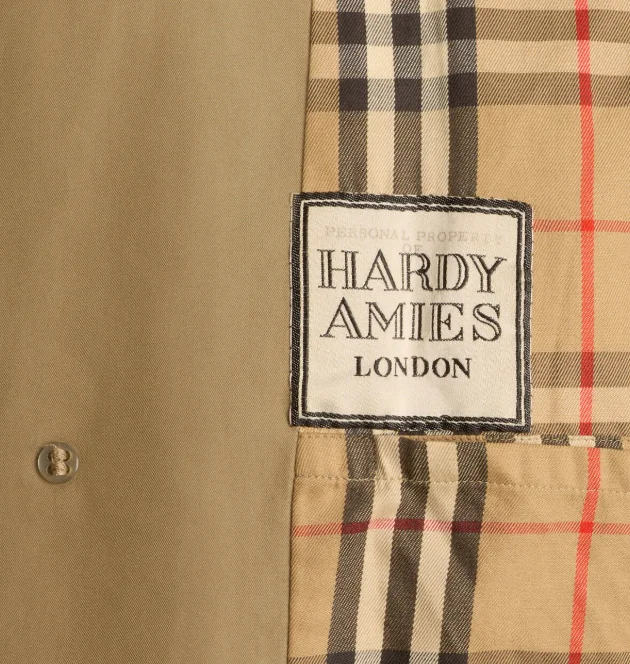
Early catalogues and rarely exhibited objects from the Burberry Archive. The development of cotton gabardine, invented by Thomas Burberry in 1879. Construction details including hand-finished collars, storm flaps, throat latches and House Check linings. A Burberry car coat owned by British fashion designer Hardy Amies. Nineteen runway looks from the past 25 years, including interpretations by Christopher Bailey and Daniel Lee. Unexpected versions of the trench in metallic silk, embroidery, saturated colour and elaborate prints.
Pace of visit
A focused archival presentation housed within a single gallery space.
Don't miss
The 1979 car coat featuring a personalised label belonging to the British designer Hardy Amies.
Compare the original functional components with their later decorative reinterpretations.

Artlovers Tip
Look closely at the 2015 mirror-embroidered coat to see how traditional artisanal techniques are applied to modern high-fashion materials.
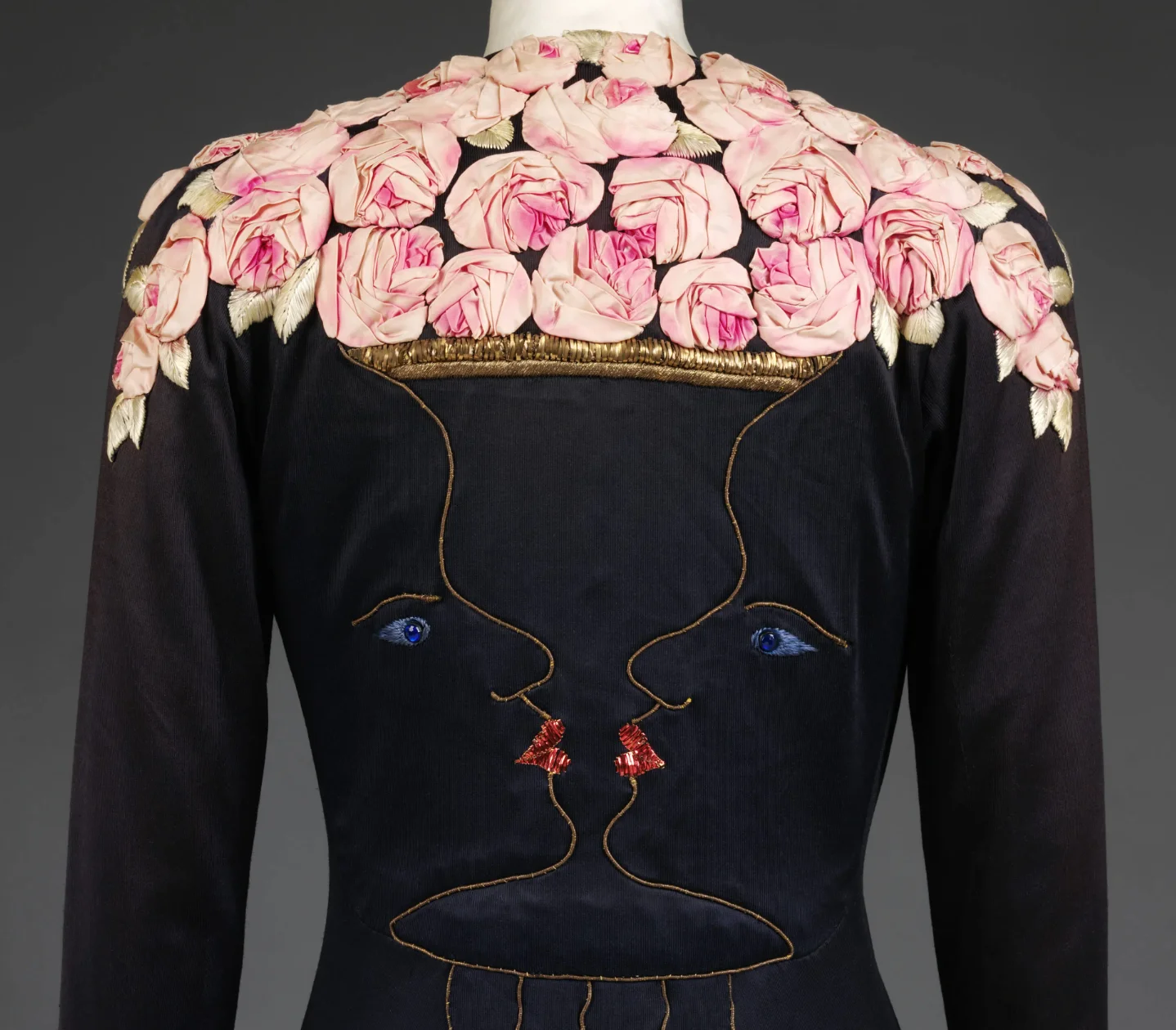
Pair it with Schiaparelli: Fashion Becomes Art if visiting before 8 November 2026. Burberry demonstrates how function becomes an icon; Schiaparelli shows fashion escaping function altogether. The contrast makes a particularly strong fashion itinerary inside the V&A.
Inside the exhibition
Description
The Burberry Trench: Crafting an Icon charts the transformation of the trench coat from technical outerwear and military clothing into one of the most recognisable garments in international fashion. Organised around Invention, Craft and Creativity, the display connects material innovation with changing ideas of style and British identity.
Its story begins with Thomas Burberry’s development of cotton gabardine in 1879. Lightweight, breathable and resistant to bad weather, the fabric provided an alternative to the heavy waterproof clothing of the period. The exhibition then examines how the coat’s distinctive components were designed to offer protection before becoming part of its visual identity.
The final section moves onto the runway, where 19 looks demonstrate how Burberry has repeatedly altered the trench’s proportions, materials, colours and cultural associations. These contemporary transformations reveal why the design has survived: its underlying structure remains recognisable even when almost everything around it changes.
The display also marks the beginning of a broader collaboration between Burberry and the V&A, preceding the opening of the museum’s redesigned Burberry Gallery of fashion in autumn 2028.
Thomas Burberry founded the company in England in 1856, initially focusing on clothing suited to Britain’s unpredictable weather. His development of gabardine established the house’s reputation for technically sophisticated outerwear and helped shape the garment that would become the Burberry trench.
The coat’s military associations gave it authority and purpose, but its adoption by explorers, actors, designers and successive generations of wearers carried it far beyond its original context. Cinema, photography and popular culture helped transform it into a symbol of elegance, mystery and understated British style.
Under creative directors including Christopher Bailey and Daniel Lee, Burberry has continued to reinterpret the trench while retaining its characteristic construction and visual codes. It remains both a commercial signature and a compelling example of how practical design can acquire lasting cultural meaning.
Worth travelling for?
A focused and stylish stop for anyone interested in the technical history of British fashion and the evolution of a classic design staple.
The Burberry Trench: Crafting an Icon
Artlovers relevance
Plan your visit
Hours & rating from Google