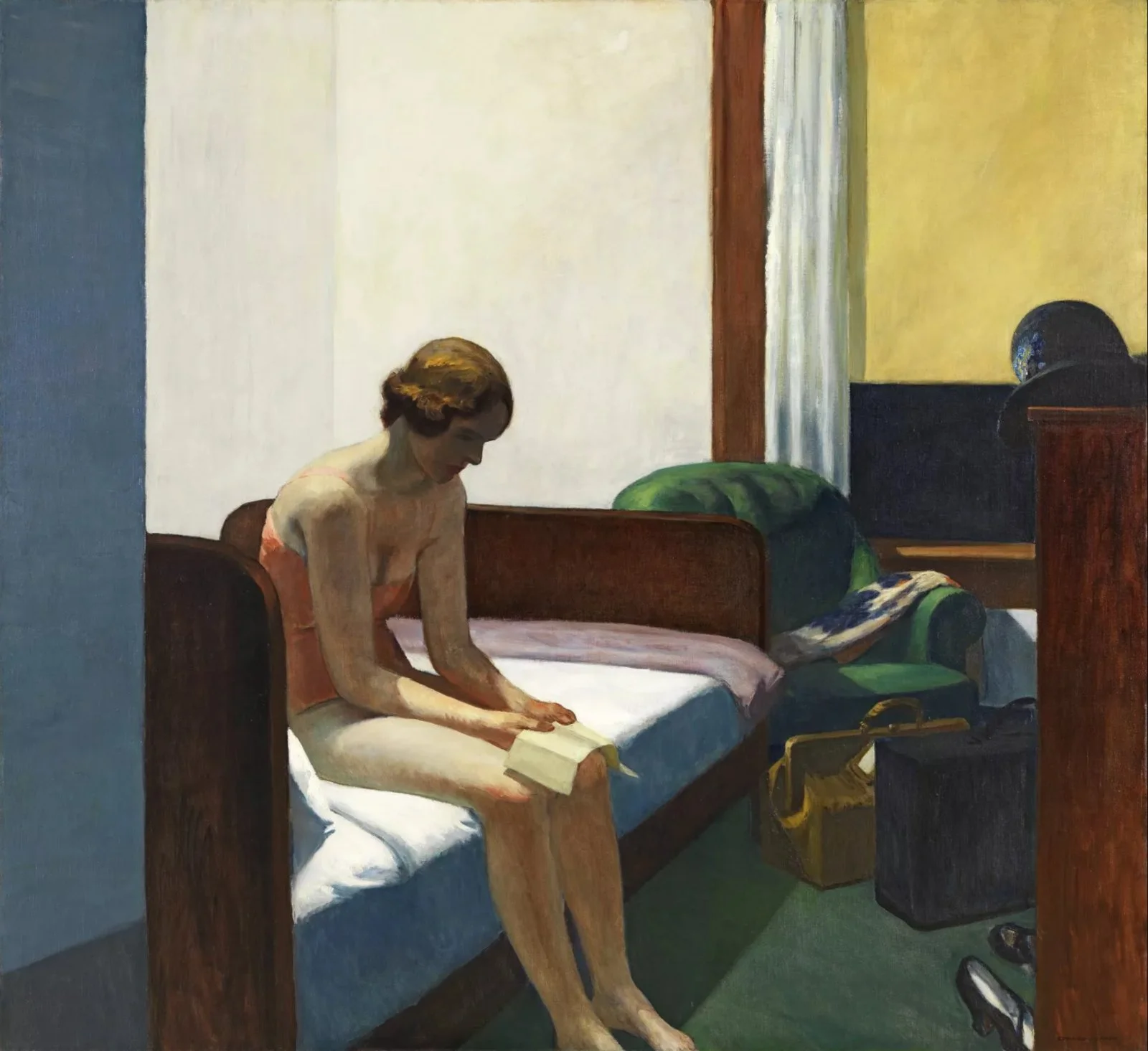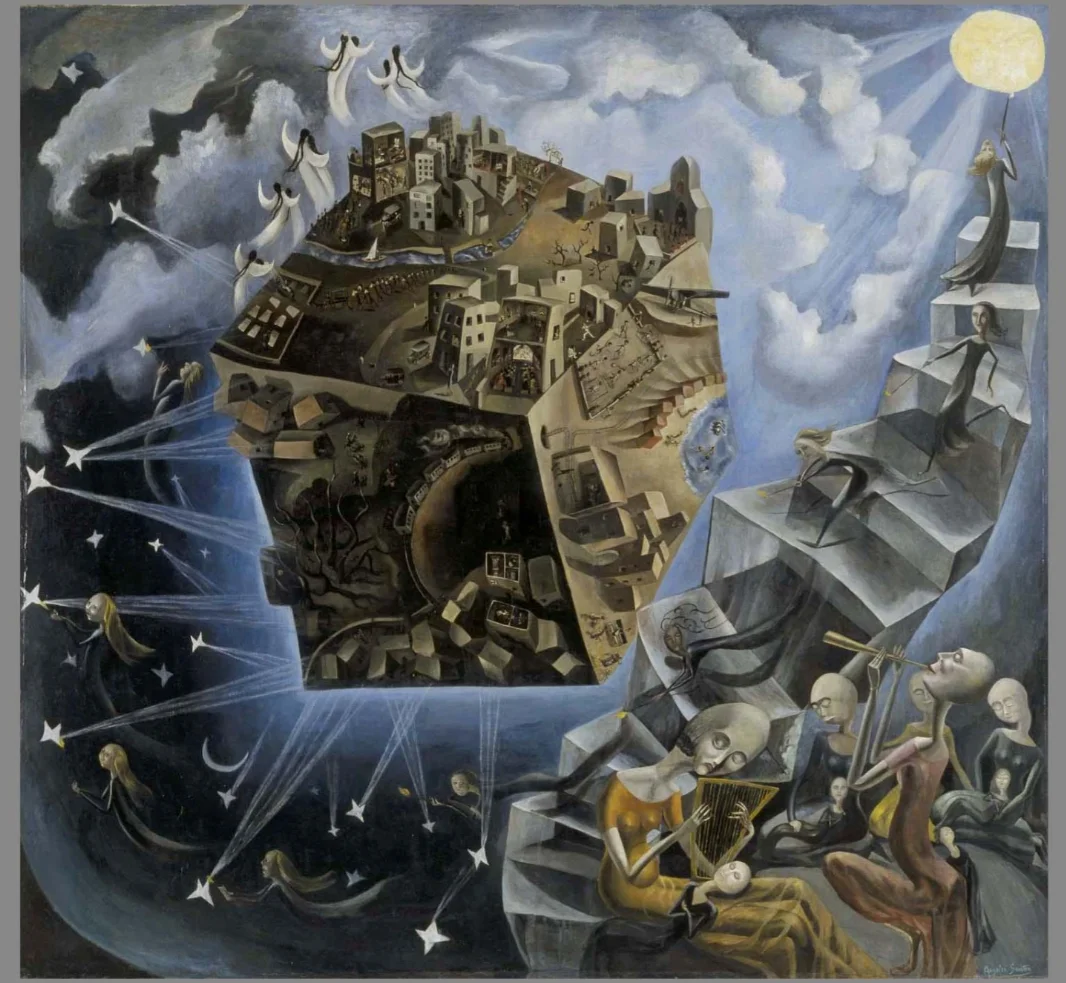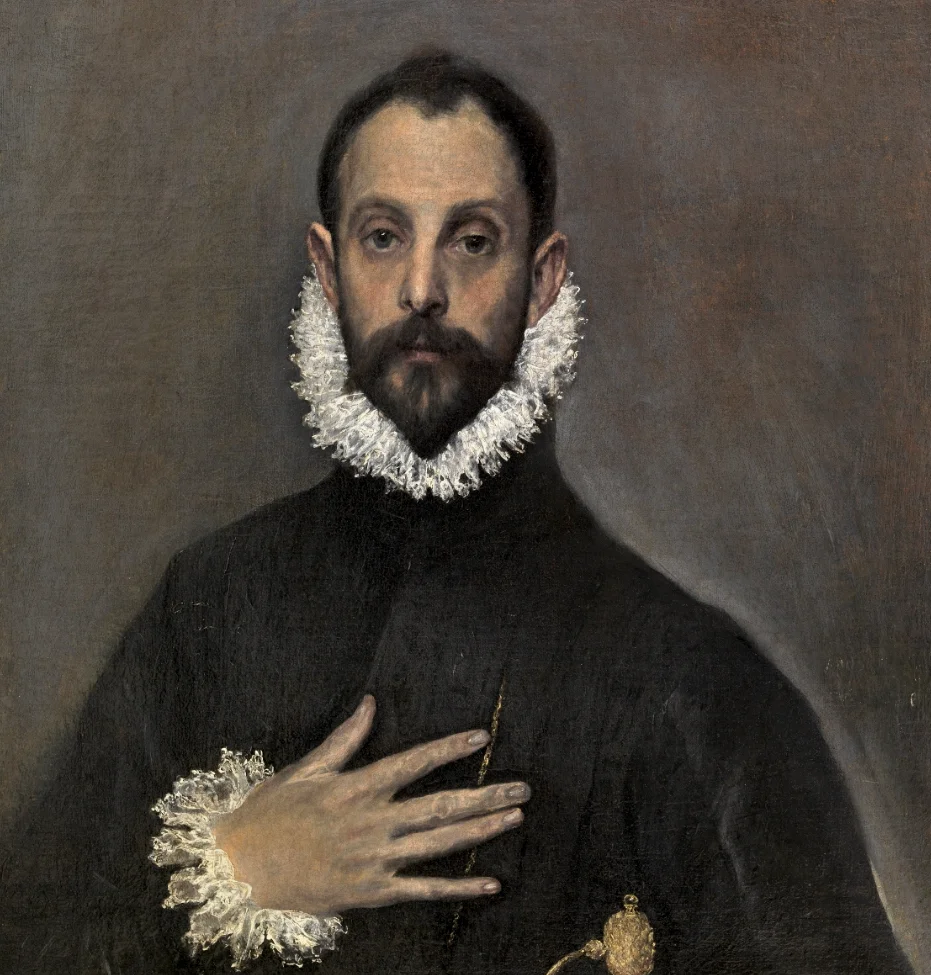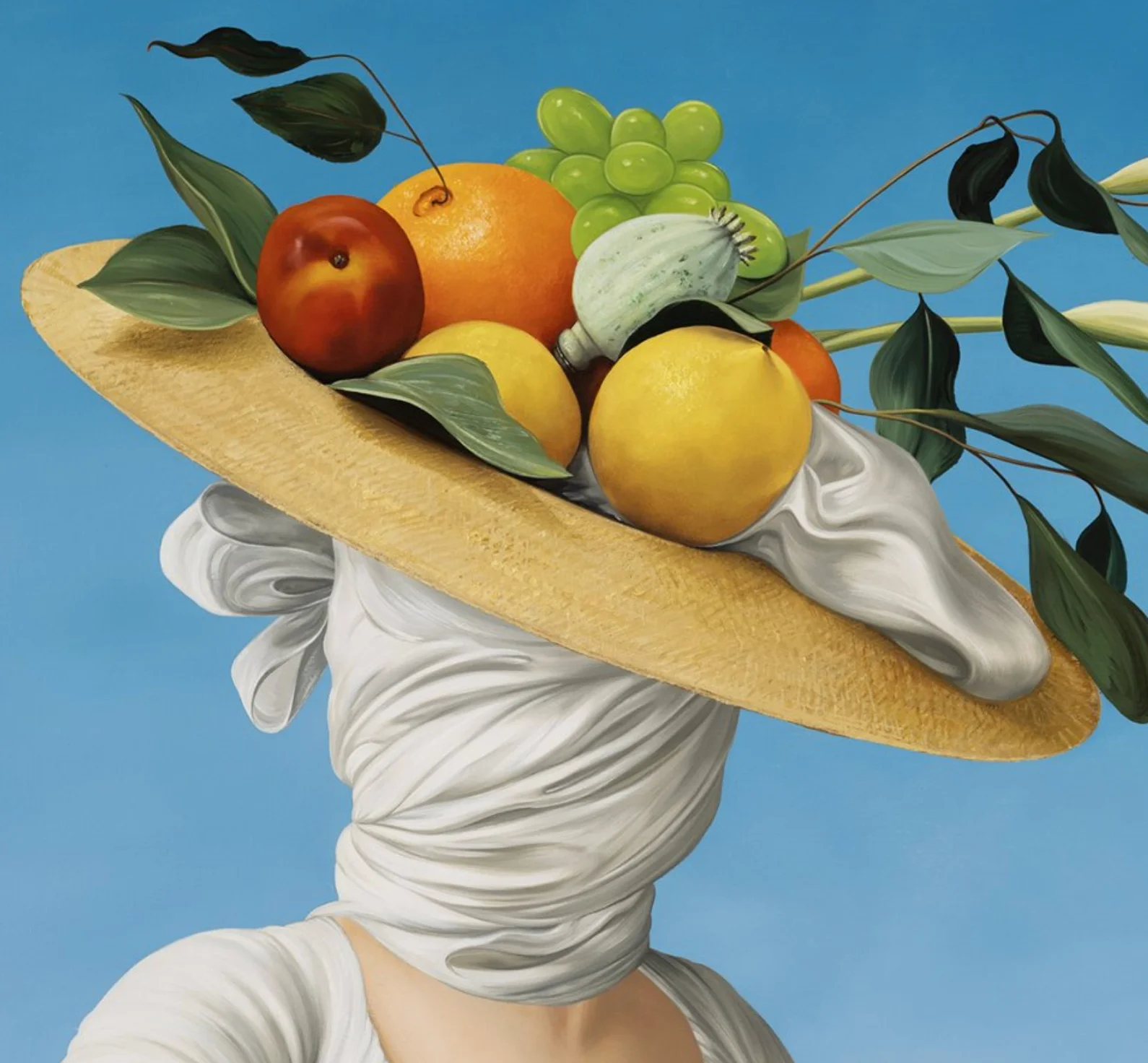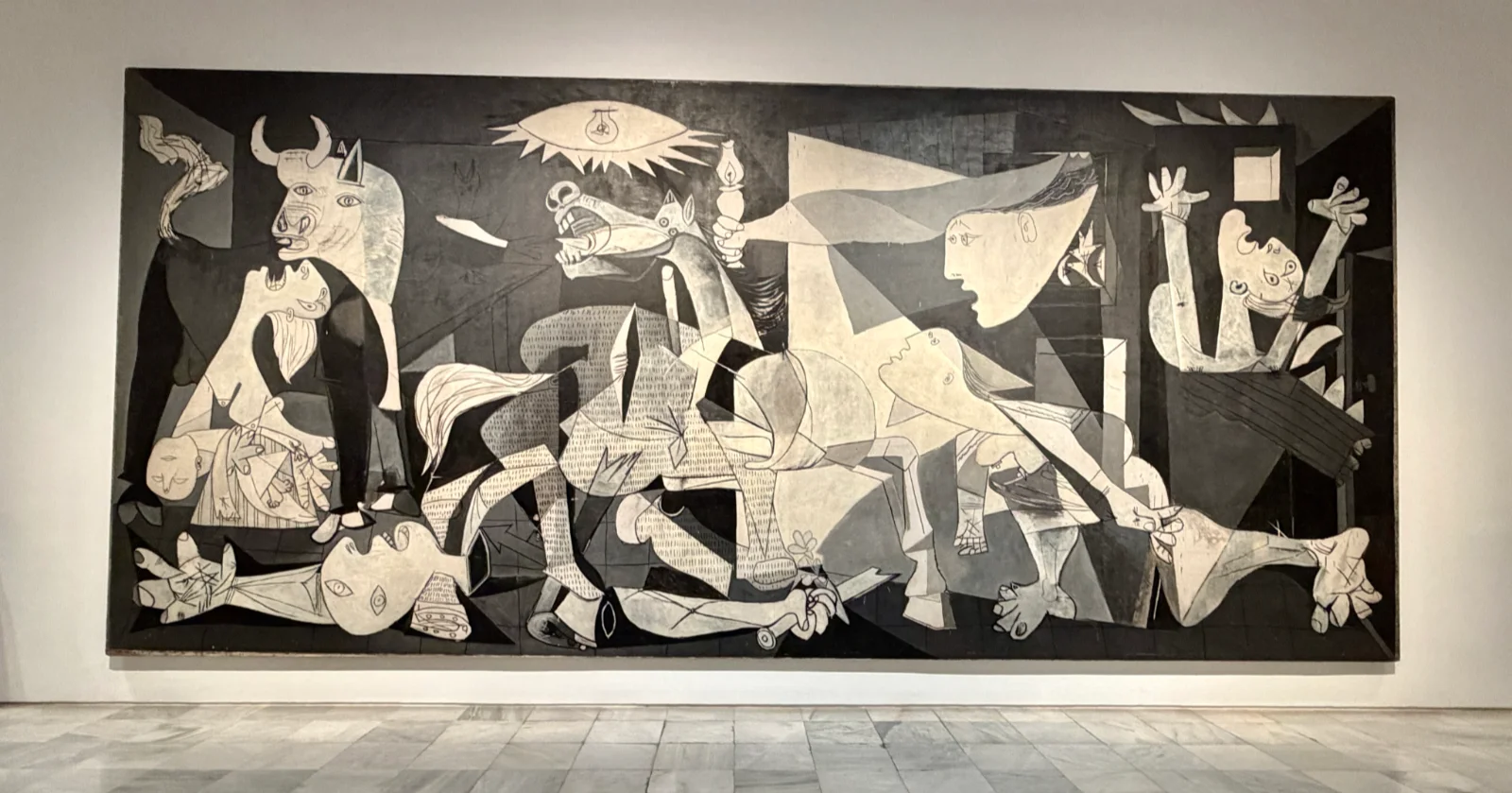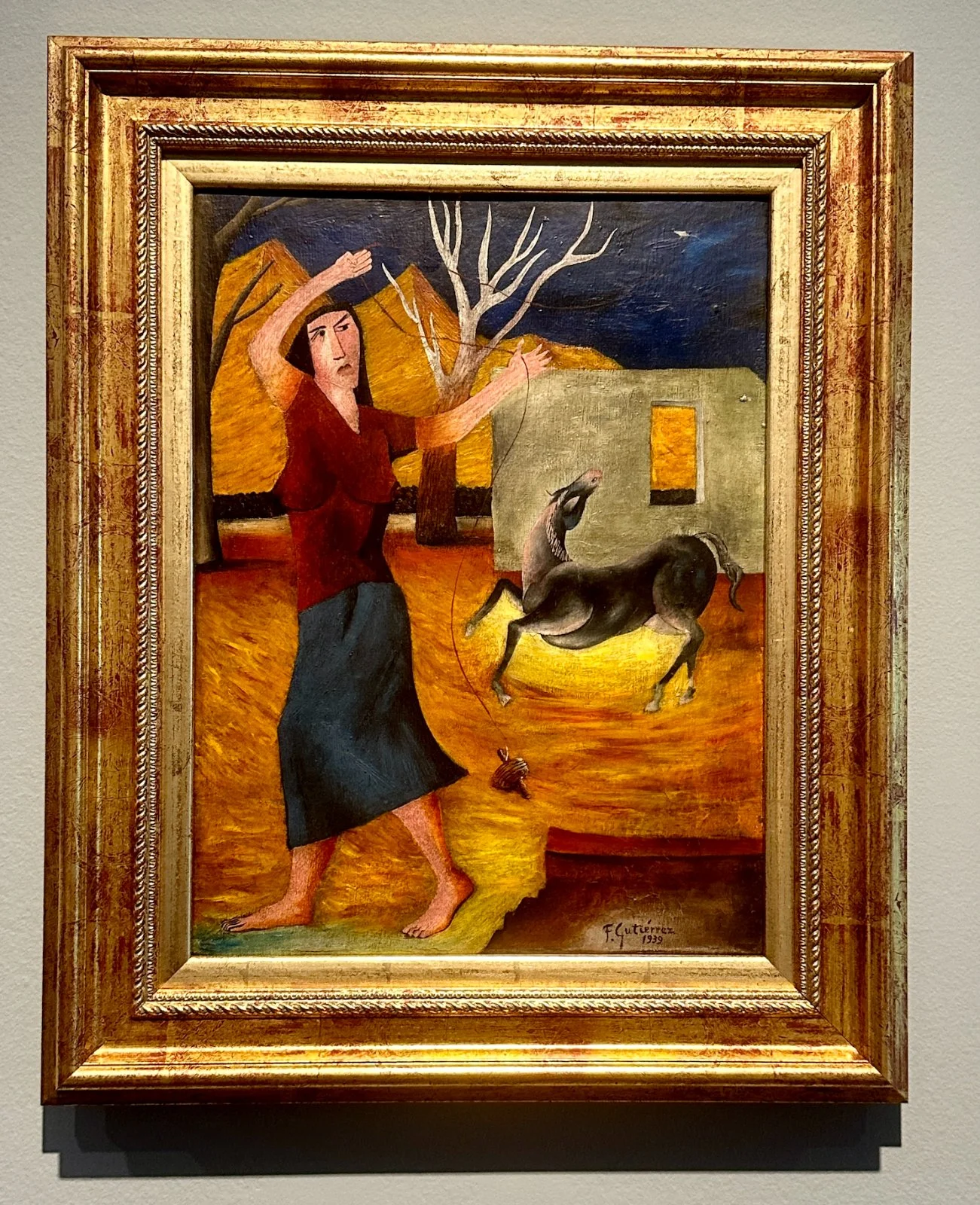
Modern art in Latin America was not a footnote. It was rebellion, identity, politics, experiment — and a different way of imagining the future.
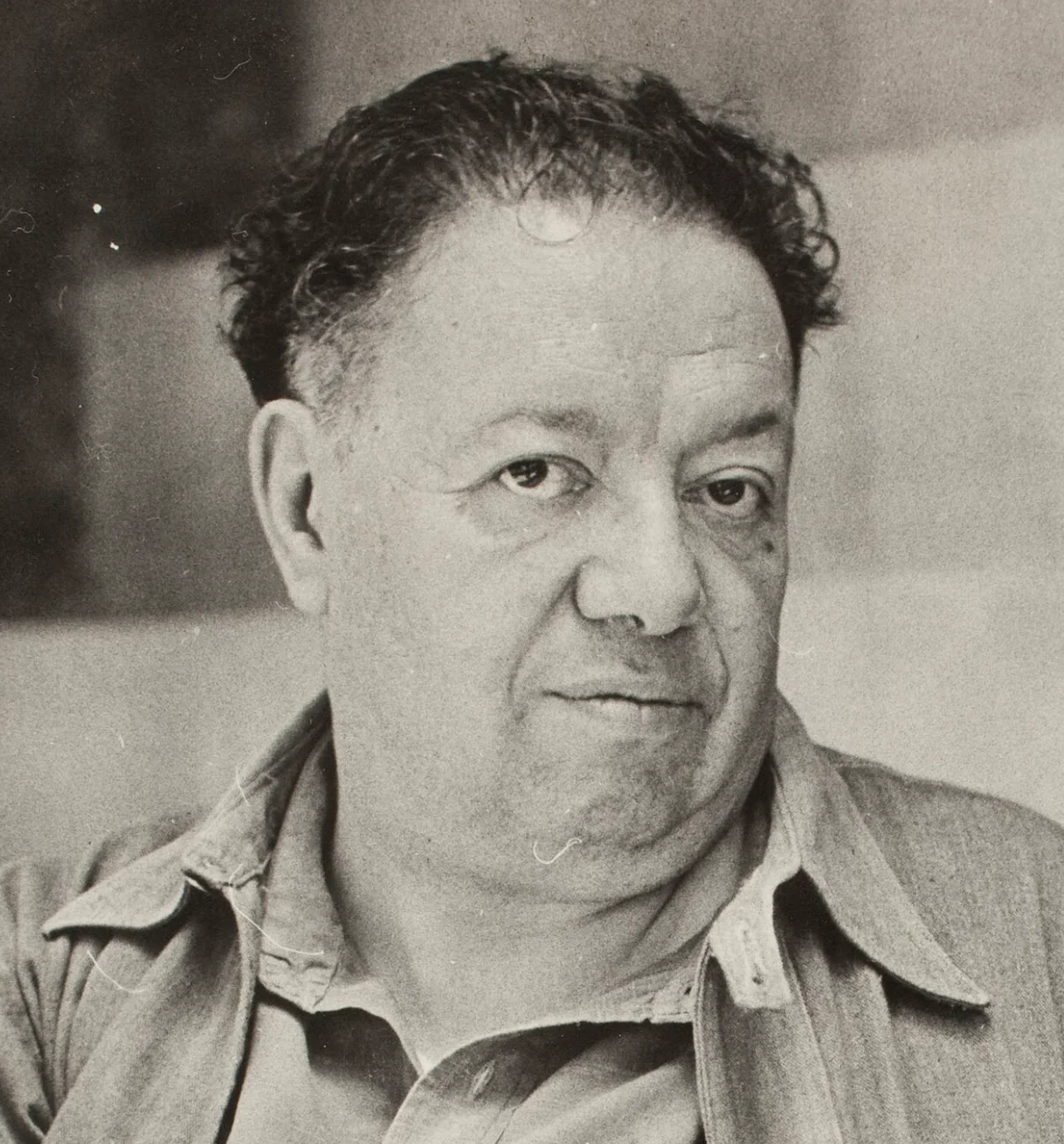

Inside the exhibition
Works from the Vicky and Marcos Micha Levy collection
Latin American and Mexican avant-garde art of the 20th century, including Mexican modernism, muralist energy, surrealist currents, kinetic art, and cross-cultural modernist exchanges.
The moment art stopped following rules — and started redefining them.
A curated exhibition exploring the avant-garde movements of the 20th century in latin America, specially Mexico through the collection of Vicky and Marcos Micha Levy. It focuses on a key turning point when art broke away from tradition and began to reinvent itself.
Works connected to major movements such as Cubism, Surrealism, and Abstraction, with artists like Pablo Picasso, Salvador Dalí, and Wassily Kandinsky (depending on the selection).
More than individual names, the exhibition highlights a collective shift in how art was created and understood.
Avant-garde Rebellions of the 20th Century brings to Europe, for the first time, a selection of 100 works from the Vicky and Marcos Micha Levy Collection. The show gathers major Mexican artists including Diego Rivera, José Clemente Orozco, David Alfaro Siqueiros, Saturnino Herrán, Miguel Covarrubias, Francisco Toledo, and Mathias Goeritz, among others.
You’re watching:
- Mexican modern art as a force of cultural identity
- Artists who helped define new visual languages in the Americas
- Dialogues between Mexico, Latin America, Europe, and the United States
- Works connected to avant-garde experimentation, political imagination, and artistic independence
- A collector’s vision of modern art as risk, not decoration
The exhibition reads like a map of artistic rebellion: artists moving between countries, ideas, styles and histories — refusing to let modernity be told from only one place.
Worth travelling for?
Yes — especially if you want to understand modern art beyond the usual European canon.
Because this exhibition expands the story of the 20th-century avant-garde. It places Mexico and Latin America at the centre of the conversation, not as echoes of Europe, but as places where modern art was actively reinvented.
It matters because the show also brings attention to artists whose role in avant-garde narratives has often been less visible in traditional art history. For Artlovers, that makes it especially valuable: it is not only a beautiful exhibition, but a correction of perspective.
Experience as an Artlover
Don’t read the exhibition as one single movement — follow the collisions between styles, countries and ideas.
Look for the tension between art and politics, identity and experimentation.
Pay attention to how Mexico becomes both a subject and a laboratory of modernity.
Notice the links between local roots and international avant-garde networks.
Think about collecting as storytelling: this is also one collector’s way of preserving rebellion.
Avant-garde rebellions of the 20th century
Hours & rating from Google