At the end of his life, Matisse didn’t slow down. He invented a new way to make color move.
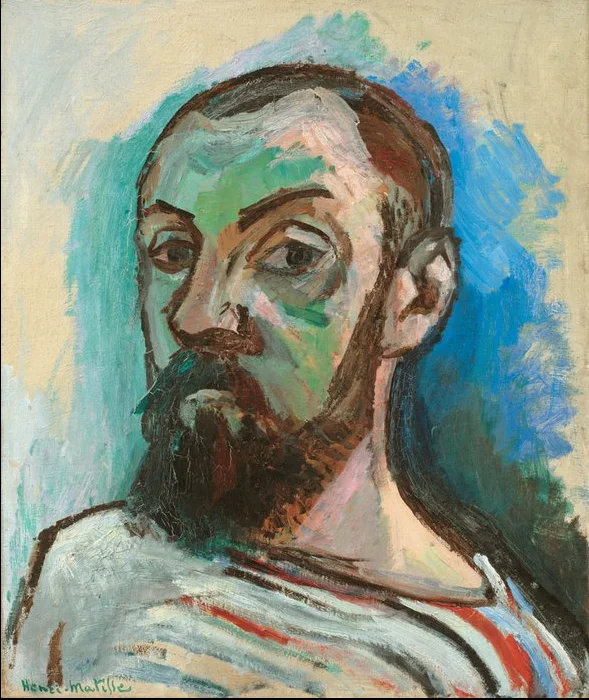

Inside the exhibition
Late modernism, Fauvist legacy, cut-outs, drawing, decorative art, illustrated books, textiles, stained glass and radical color abstraction.
This is Matisse after 1941: older, physically limited, but artistically freer than ever. Instead of retreating, he transformed scissors, painted paper and pure color into one of the most joyful late styles in modern art.
Matisse. 1941–1954 focuses on the artist’s final creative period, from the years of World War II to his death in 1954. The exhibition follows the moment when Matisse rethinks his entire practice: painting, drawing, bookmaking, cut-outs, textiles and stained glass begin to speak the same language of color, line and movement.
You’re watching:
- Late paintings and drawings where line becomes increasingly essential
- Illustrated books, including the world around Jazz
- Gouache cut-outs where color and form become inseparable
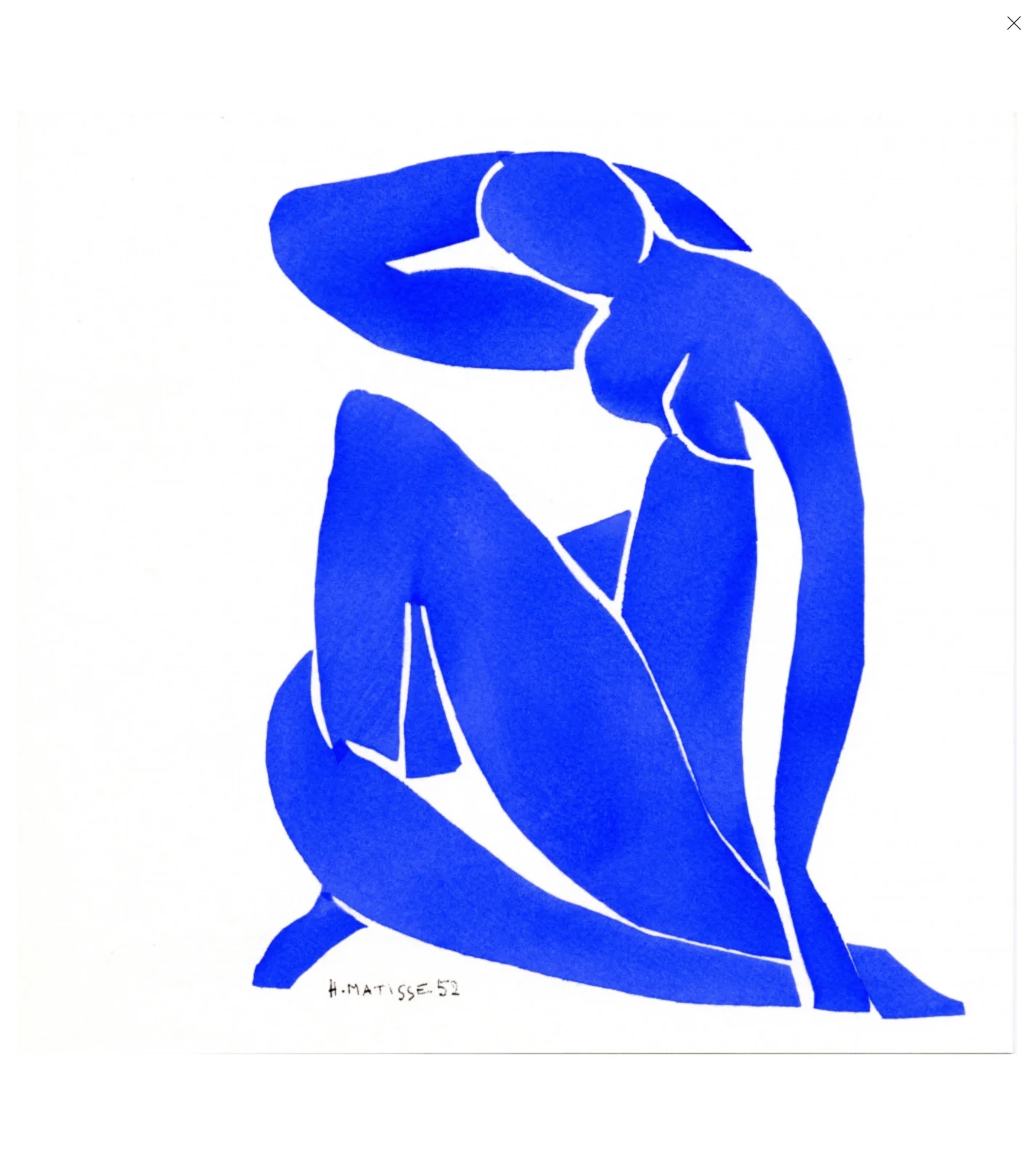
- Works connected to his monumental late language, including blue nudes and large paper compositions
- A final chapter where limitation becomes invention, not decline
The exhibition shows Matisse building a new visual world from fragments: cut, pinned, rearranged, expanded — until color feels almost alive.
Worth travelling for?
Yes — absolutely. This is one of the major art trips of 2026.
Because this exhibition is about reinvention at the very end of a life. After serious illness and surgery in 1941, Matisse entered a period of extraordinary experimentation, developing the cut-out technique that would define his late work.
It matters because the late Matisse changed modern art’s relationship with color. The cut-outs are not “lesser” works because they use paper and scissors. They are a radical solution: drawing directly with color.
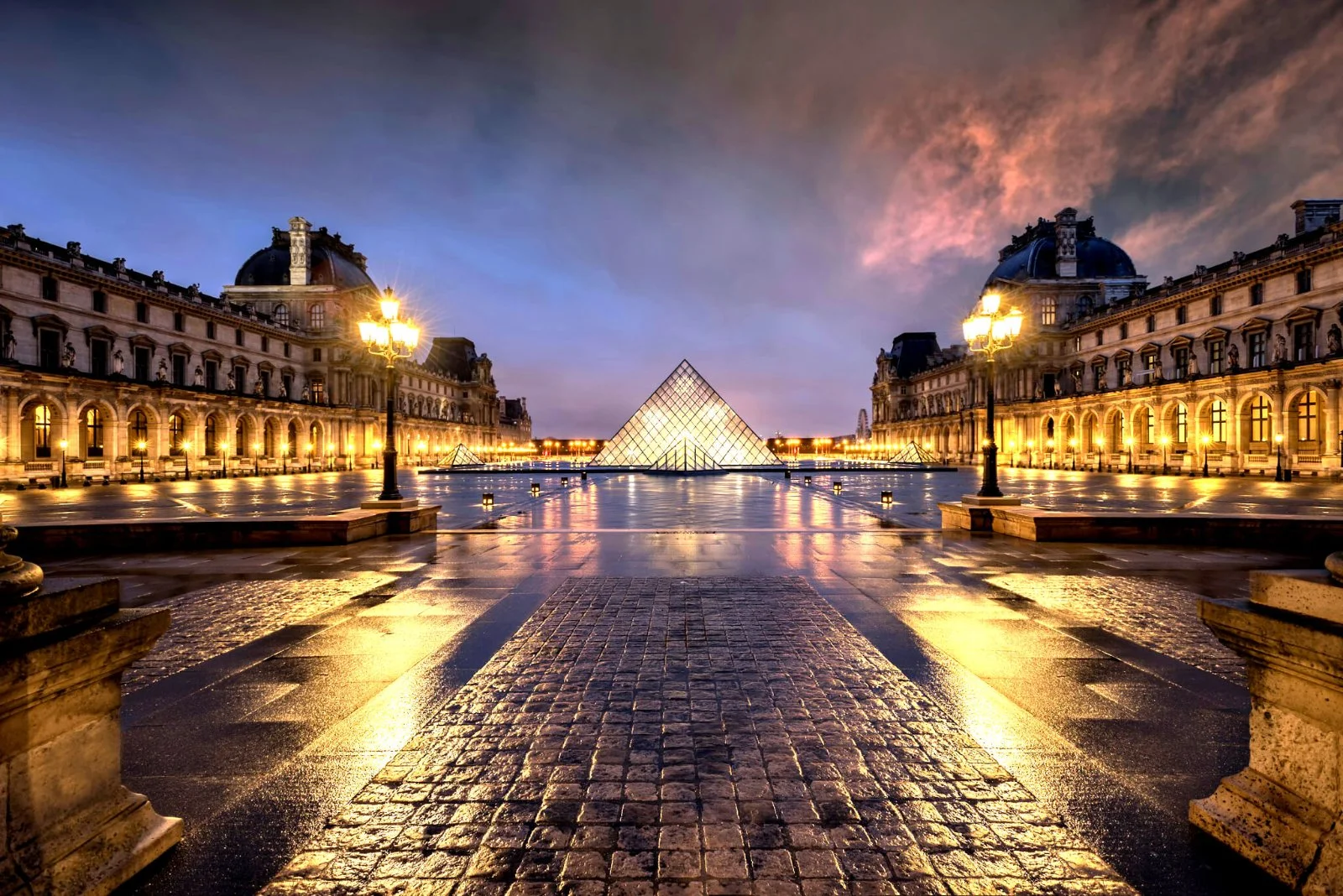
Paris + Grand Palais + late Matisse is exactly the kind of exhibition that can justify planning a journey around art.
Experience as an Artlover
Don’t rush to the famous cut-outs first — follow the transition from drawing and painting into paper.
Look at how color becomes structure, not decoration.
Notice the physical intelligence of the cut-outs: curve, edge, rhythm, scale.
Think about the artist’s body: limited mobility, but expanding imagination.
Let the exhibition feel joyful without making it superficial — joy here is a serious form of freedom.
Matisse. 1941–1954
Hours & rating from Google