At a glance
Two generations of conceptual art meet around authorship, absence and the strange afterlife of ideas — including works that may exist only as rumours.
Why go
You'll see
Pace of visit
Don't miss

Artlovers Tip
Think about who actually owns an idea. If an artist mentions a work but never makes it, can someone else complete it? And if they do, whose artwork is it? That question links Broodthaers and Kurant unusually well — and may be more important here than searching for a visual resemblance between their works.
Artlovers relevance
Inside the exhibition
Meet the artist
Key Movements
Medium
Description
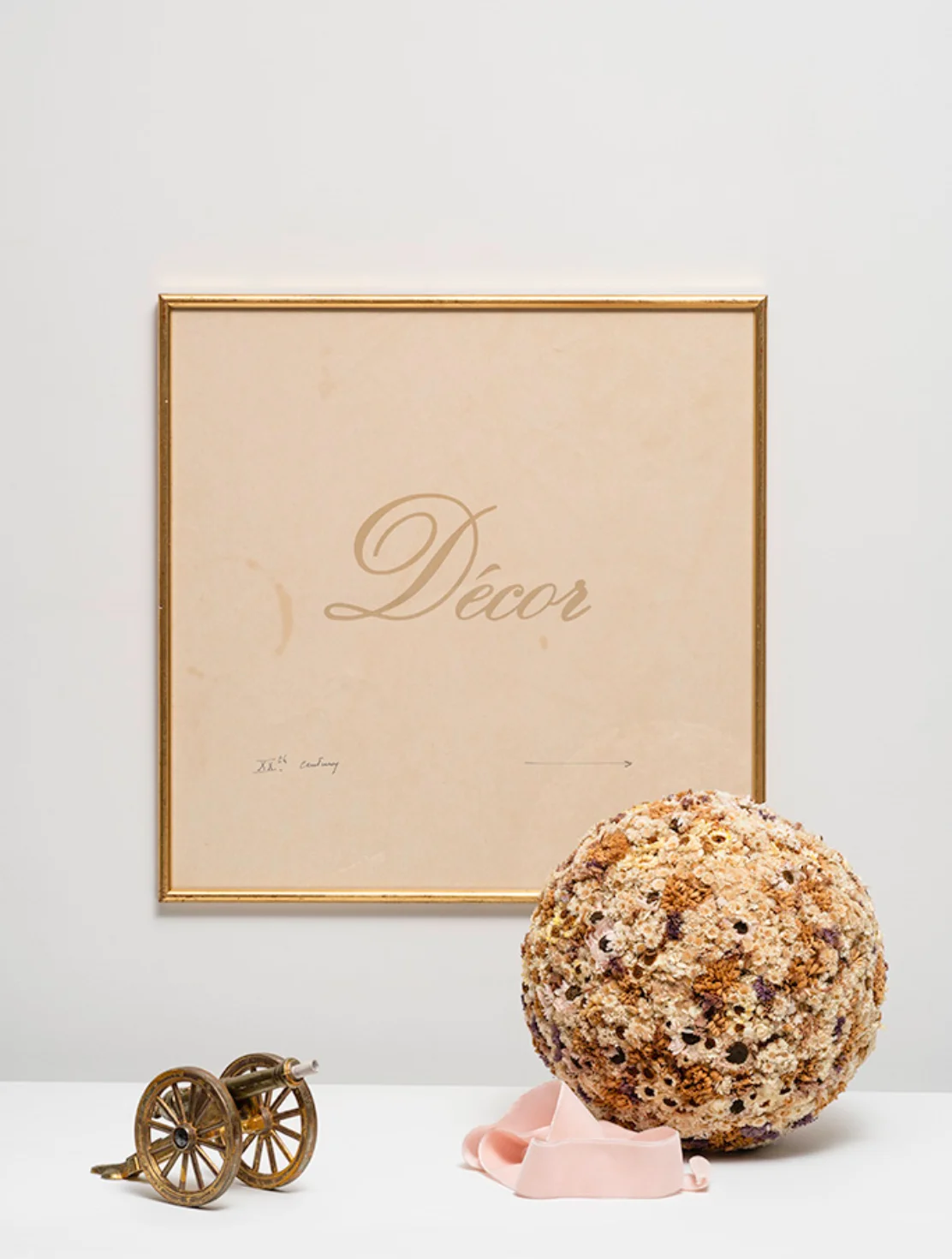
Belmacz has so far announced the exhibition simply as Marcel Broodthaers and Agnieszka Kurant, without publishing a full curatorial text or checklist. What is already compelling, however, is the conceptual relationship between them. Broodthaers spent his career questioning how museums, language, objects and cultural authority manufacture artistic meaning. Kurant approaches many of the same questions from a contemporary perspective shaped by algorithms, artificial intelligence, immaterial labour and speculative value.
Their connection is particularly direct through Phantom Estate. Kurant developed the work after hearing about unrealised projects associated with Broodthaers’ estate and began investigating whether an artwork could exist without a stable author or even without ever having been physically produced. The project eventually included “phantom works” derived from incomplete or rumoured ideas by Broodthaers and other deceased conceptual artists.
Marcel Broodthaers (1924–1976) was a Belgian poet who turned to visual art in his forties and became one of the most influential figures of European Conceptual Art. His practice used language, books, found objects, film and invented museum structures to question how institutions and markets determine what becomes art.
Agnieszka Kurant (b. 1978) is a Polish conceptual artist whose work investigates collective intelligence, artificial intelligence, immaterial economies, authorship and forms of value that emerge from networks rather than individual creators. Her projects often begin with things that are missing, invisible, fictional or not yet fully formed.