Experimental avant-garde, informalism, performance, conceptual art, street action, self-mythology and arte vivo.

Inside the exhibition
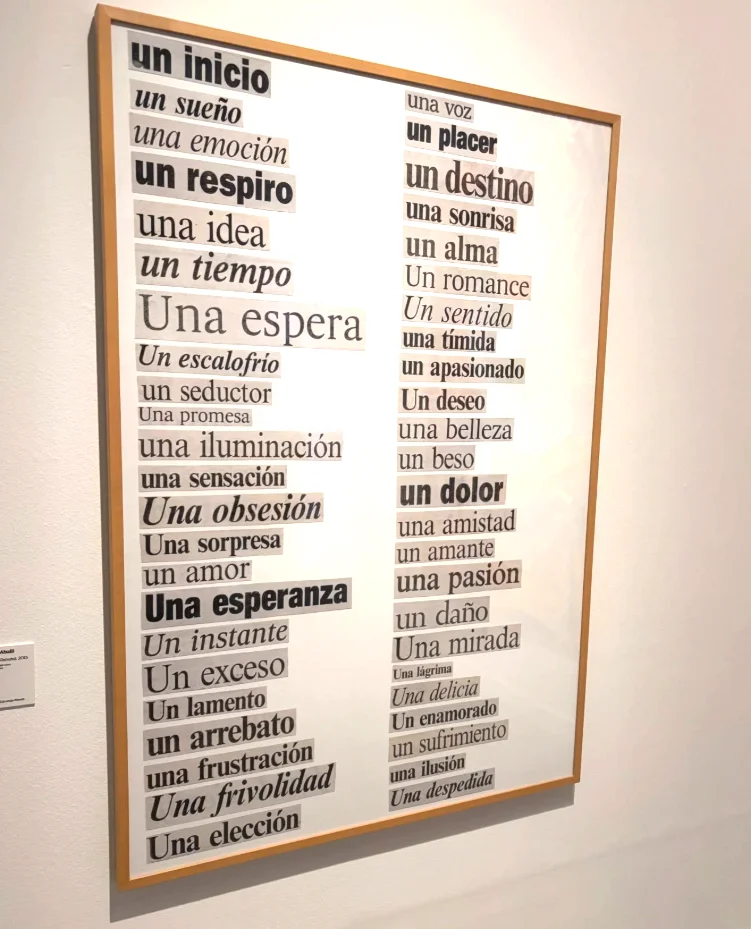
Greco moved through painting, writing, performance, collage, public action and life-as-art. His practice is difficult to reduce to one movement because he turned instability itself into method: drifting, appearing, declaring, marking, performing and disappearing
Alberto Greco (1931 – 1965) was a true original who lived his life as a work of art. Based in Buenos Aires and later Barcelona, he was a bold painter, a poet, and even an actor who loved to stir things up. Whether he was hosting "rolling exhibitions" or simply exploring the city, Greco turned his everyday experiences into a grand performance, mixing creativity with a touch of drama and a lot of personality.
The exhibition, Viva el arte vivo, takes you on a journey through Greco’s short but incredibly intense life. You’ll follow his path as a restless traveler, moving from the mountains of Argentina to the artistic hubs of Paris, Rio de Janeiro, Rome, New York, and beyond.
His art was always on the move, just like he was. For Greco, "arte vivo" (living art) wasn't about following a strict plan or creating things just for people to buy. He saw it as the art of the future—an unpredictable, open-ended adventure that celebrated the excitement of the unknown.
Viva el arte vivo looks back at the short but intense artistic life of Alberto Greco — Buenos Aires, 1931; Barcelona, 1965 — through works and documents from 1949 to 1965.
You’re watching:
- Early writings and informalist paintings
- Actions and objets vivants
- Drawings made in Madrid
- Collages connected to self-promotion and public image
- Materials linked to arte vivo / vivo-dito, his radical idea of making life itself the material of art
- References to his movements through Buenos Aires, Paris, Rio, São Paulo, Rome, Madrid, Piedralaves, New York, Ibiza and Barcelona.
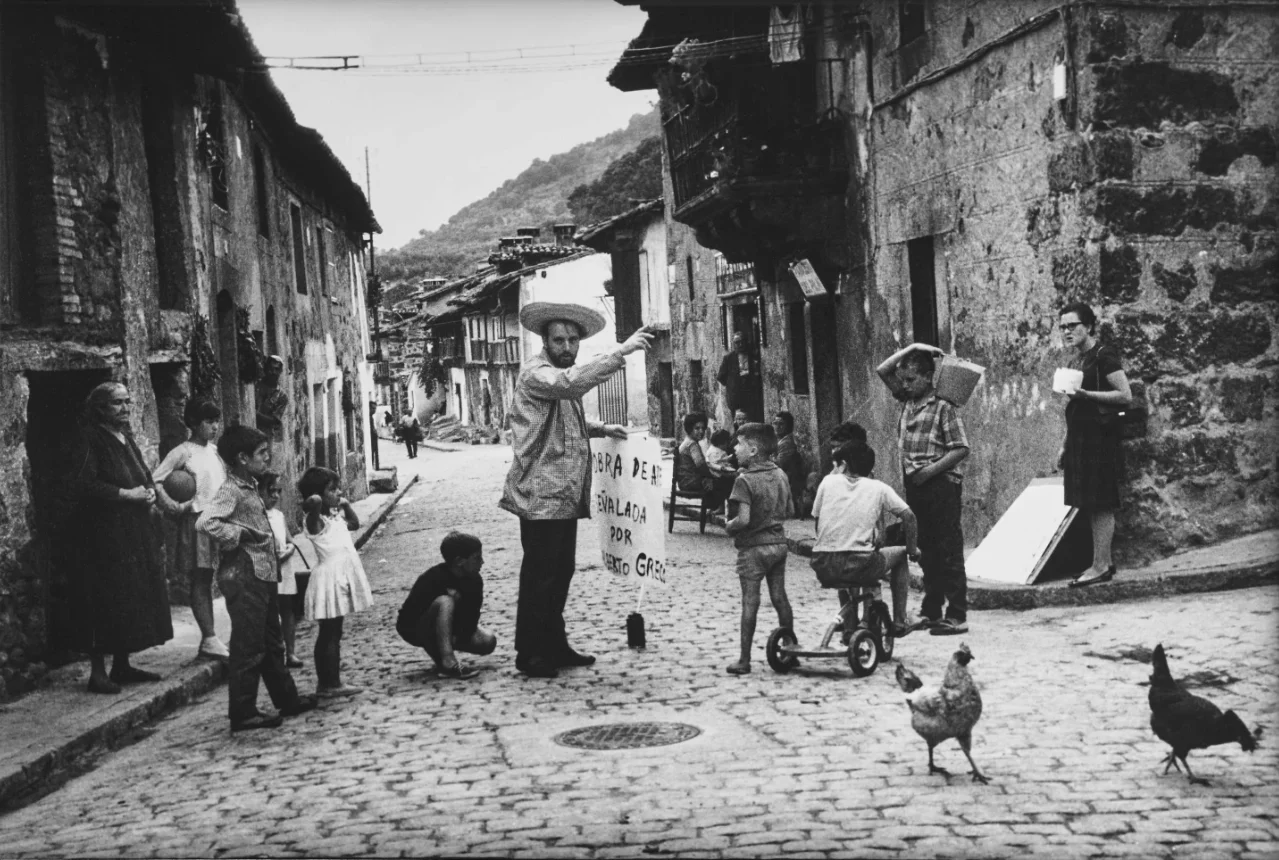
The exhibition shows an artist who didn’t simply make artworks — he created situations. People, streets, markets, bathrooms, gestures, conversations and cities could all become part of the work.
Worth travelling for?
Especially if you want to understand how art broke out of the canvas before contemporary performance became mainstream.
Greco matters because he pushed art toward life, action and presence. In 1962, in Paris, he founded arte vivo, a practice where real situations, people, movement and time became artistic material. Later, in Spain, his work continued through actions, public gestures and “vivo-dito” moments.
Experience as an Artlover
Don’t look for a clean linear career — follow the energy, movement and interruptions.
Think of the documents as traces of actions, not just archival material.
Pay attention to writing: Greco used words as declaration, performance and image.
Look for the shift from painting as object to life as event.
Read the exhibition through cities: Greco’s route is part of the work.
Alberto Greco
Hours & rating from Google