Once one of the Prado’s most famous paintings. Later almost forgotten. Now, The Famine Painting returns to ask a powerful question: who decides what becomes a masterpiece?

Inside the exhibition
Early 19th-century Spanish history painting, with strong links to official art, patriotic narrative, political imagery, and the construction of national memory.
This is not simply a painting about hunger. It is a painting about how art can become propaganda, public emotion, and cultural myth — and how that myth can later collapse.
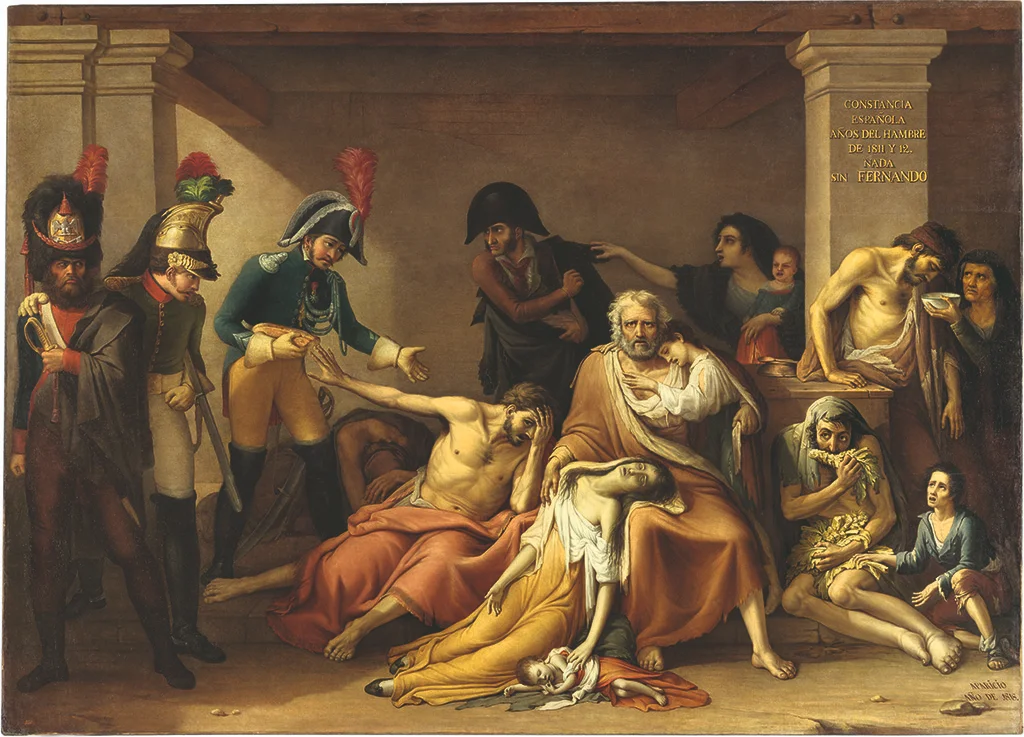
This exhibition launches the Prado’s new format “A Work, a Story”, built around one artwork and the many histories attached to it. The chosen painting is José Aparicio’s monumental The Year of the Famine in Madrid, made in 1818 and connected to the famine suffered in Madrid during 1811–1812, under the Napoleonic occupation.
You’re watching:
- A huge canvas that once had extraordinary public visibility
- A dramatic image of hunger, civic suffering, and political loyalty
- A work celebrated in its own time, then gradually pushed out of the canon
- A painting whose reputation moved from popularity to rejection
- A case study in how museums, politics, taste, and history decide what survives
The exhibition places the work in dialogue with its own rise and fall: from a celebrated image in the early Prado to a painting later seen as marginal, old-fashioned, or uncomfortable.
Worth travelling for?
Yes — especially if you are interested in how museums create, forget, and rewrite art history. If you want a Prado visit that goes beyond “greatest hits.” This is a rare chance to see the museum thinking out loud about its own history.
This show matters because it is not only about José Aparicio. It is about the life cycle of an artwork: how something can become famous, political, controversial, unfashionable, forgotten — and then newly relevant again.
The Prado presents the painting as a way to reflect on changing artistic judgement, the birth of public museums, the idea of national storytelling, and the fragile status of cultural icons. The work was once highly visible in the Prado’s early history, but later fell out of favour and ended up outside the museum’s central narrative.
Experience as an Artlover
Don’t approach it only as “is this beautiful?” — ask why it mattered so much in 1818.
Look for the political message behind the emotion.
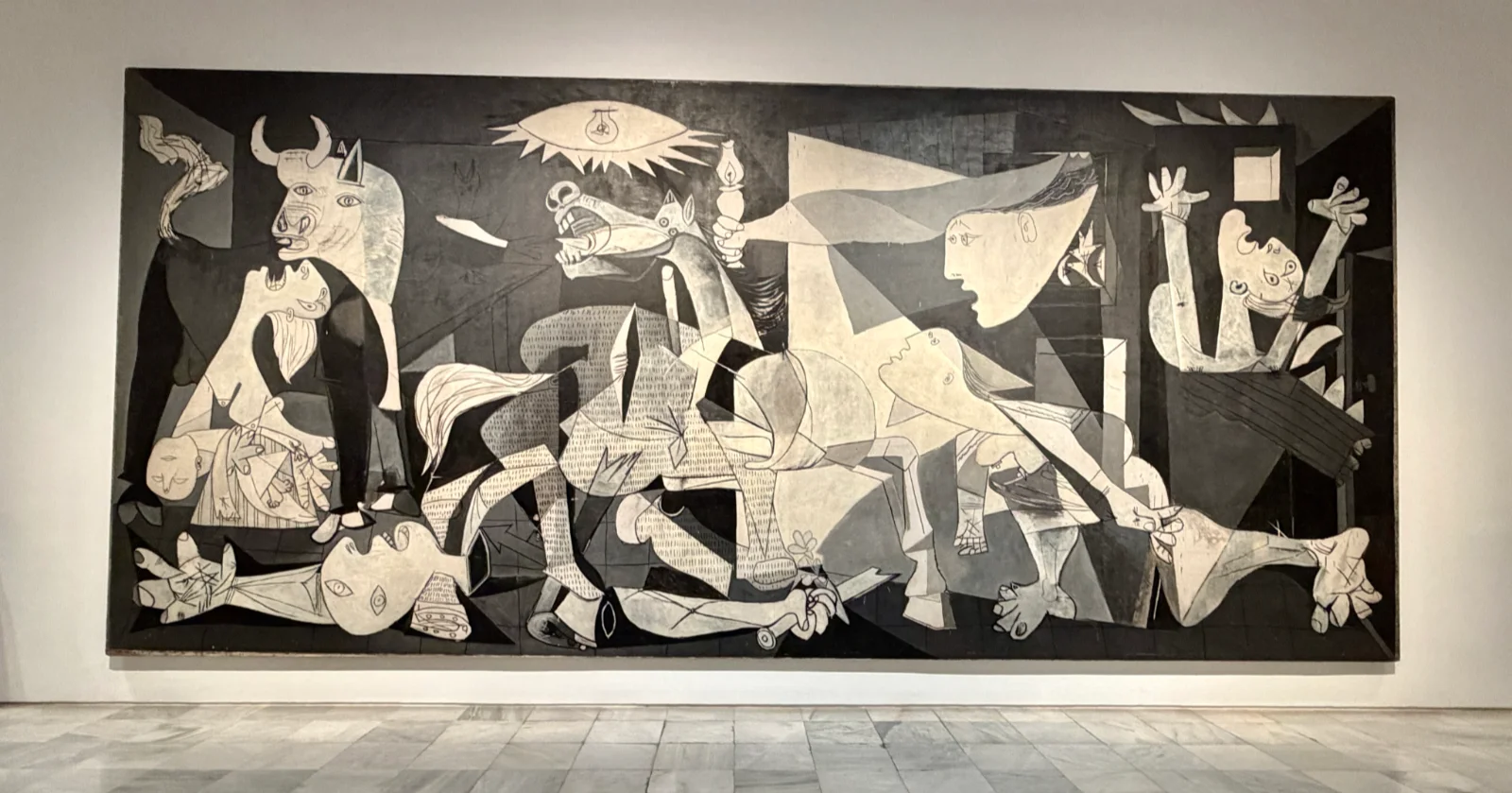
Compare its treatment of suffering with the way Goya represents violence and trauma.
Think about how a museum can turn a painting into an icon — or remove it from view.
Read it as a story of fame, decline, and return.
A work, a story: The Famine Painting
Hours & rating from Google