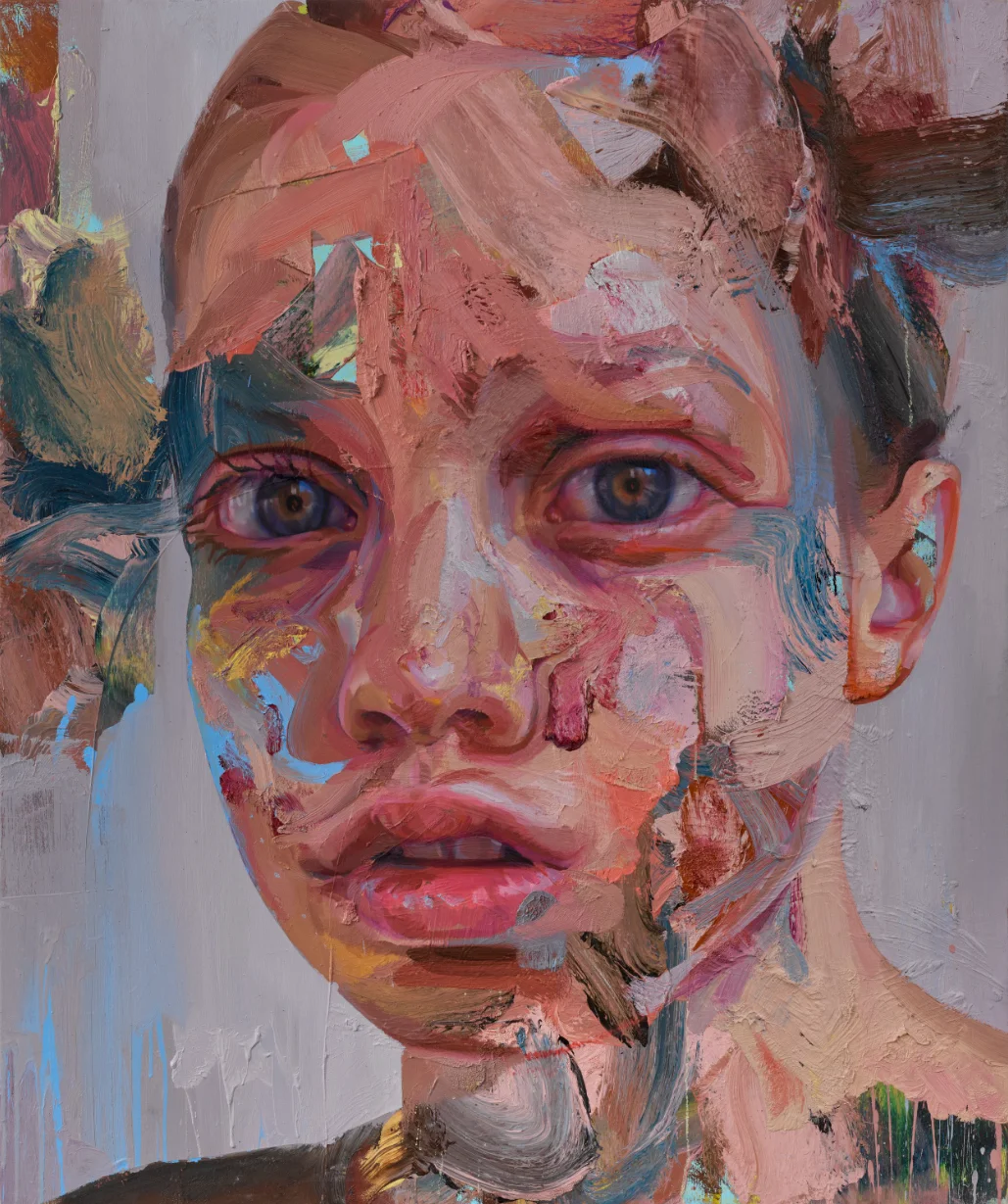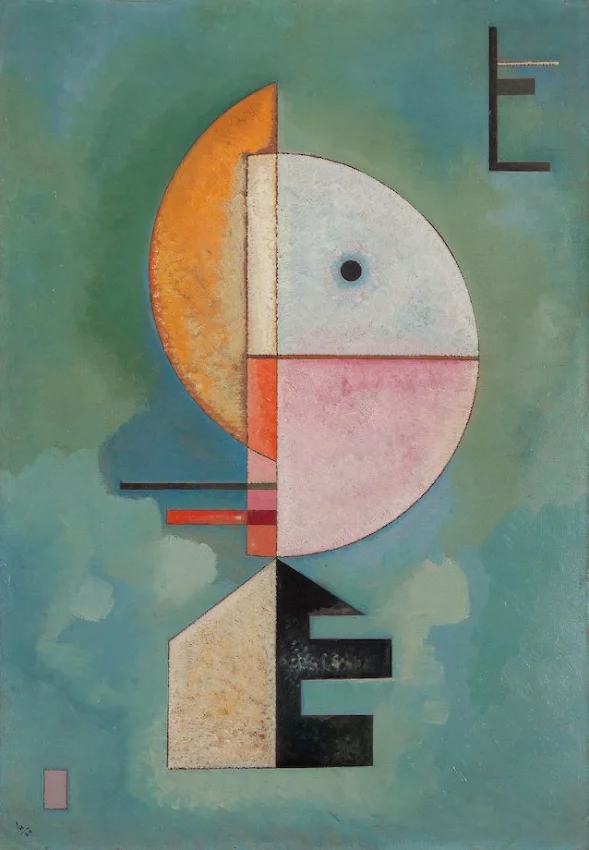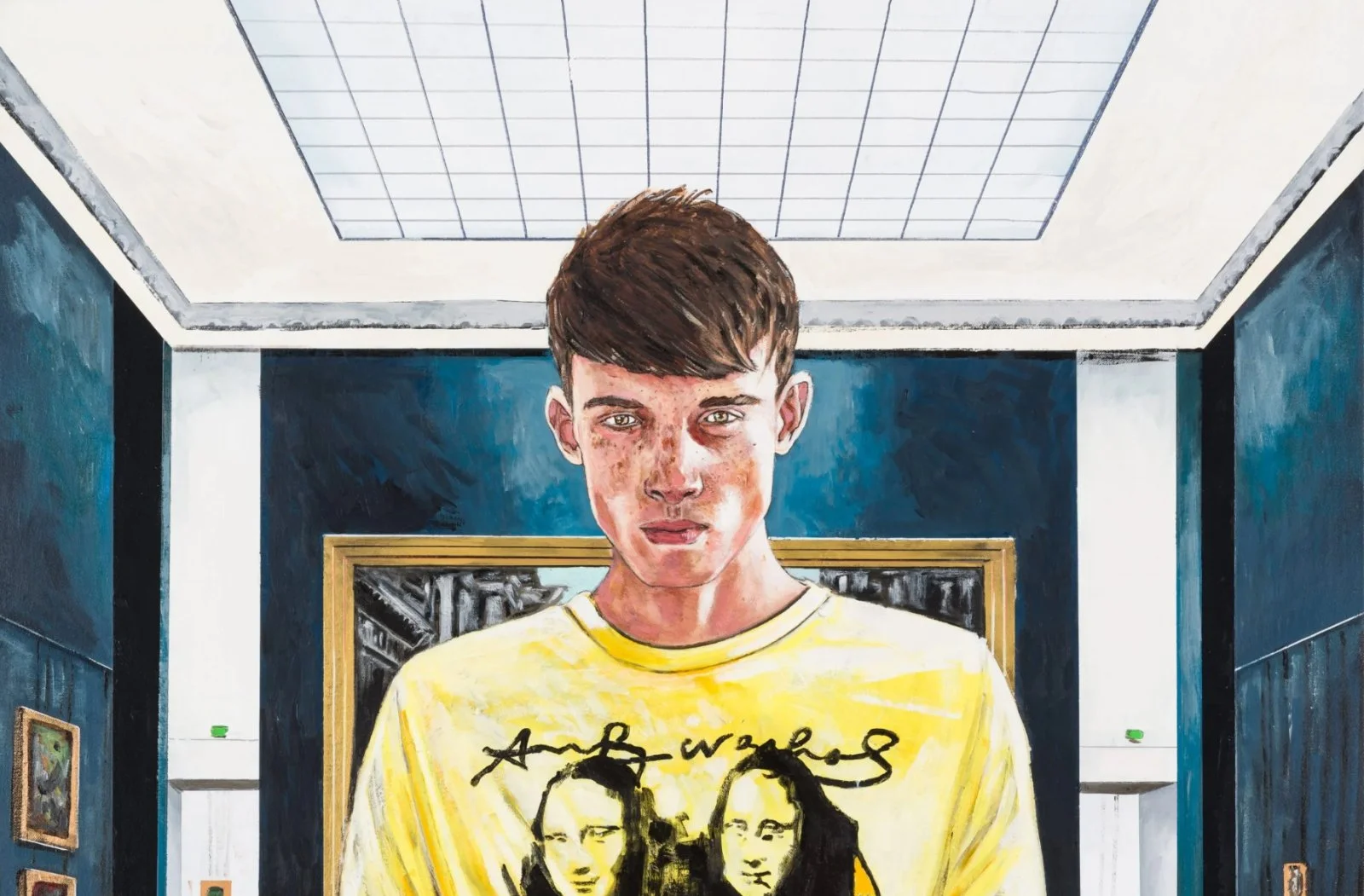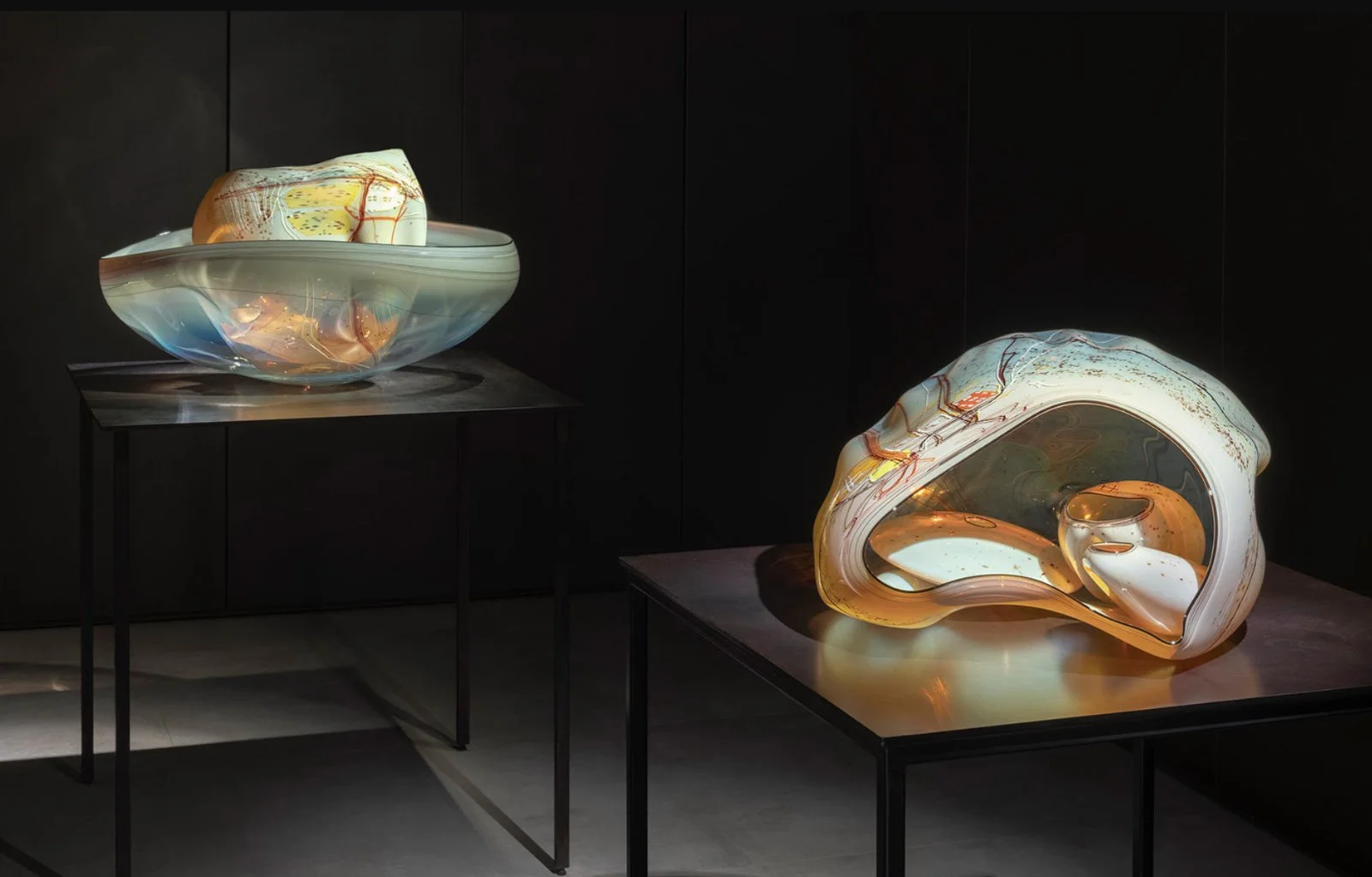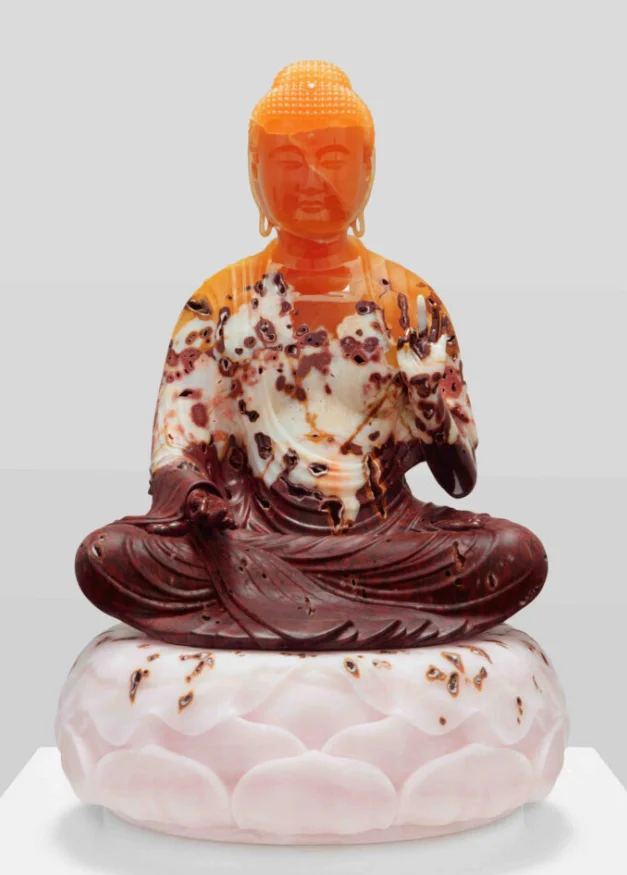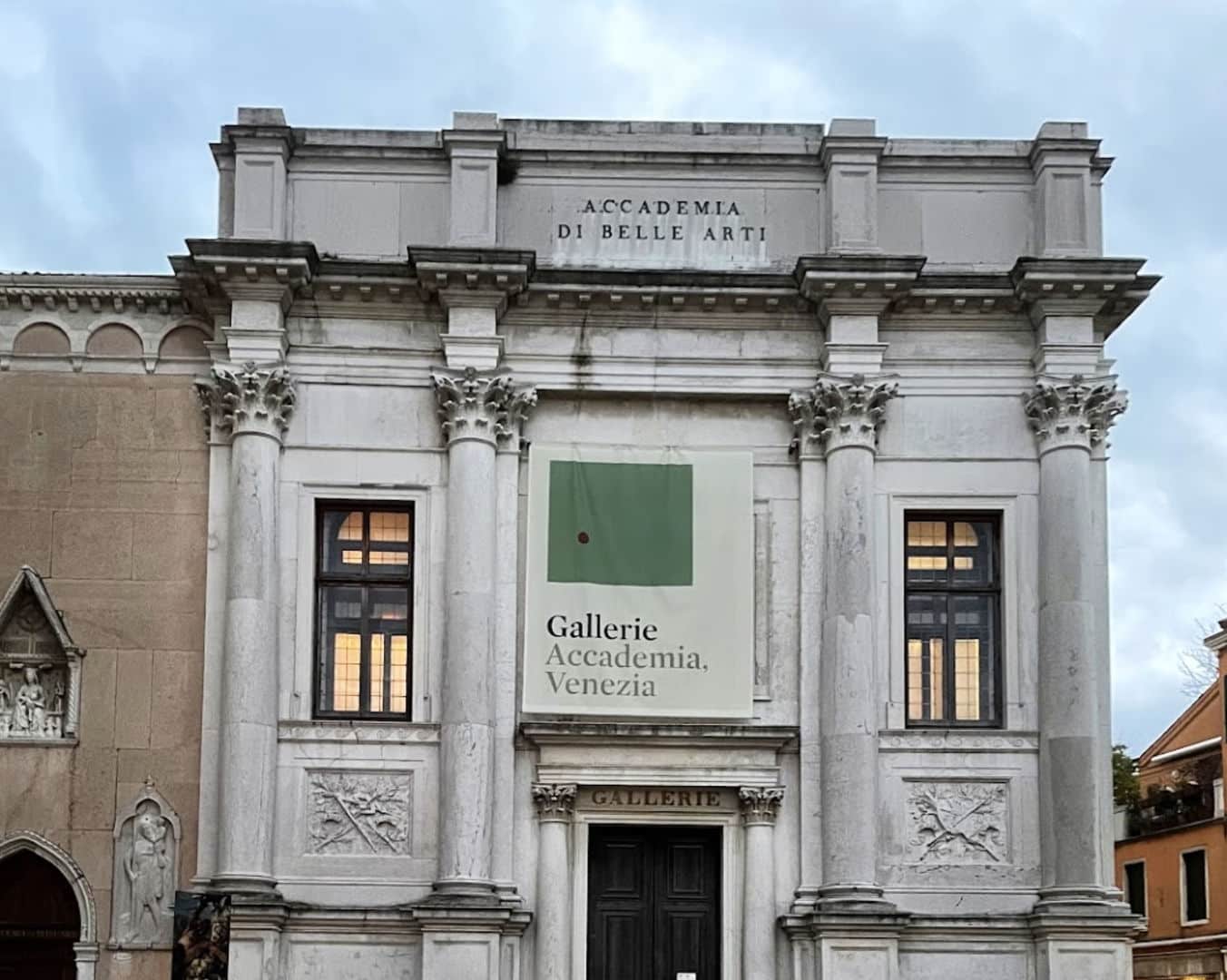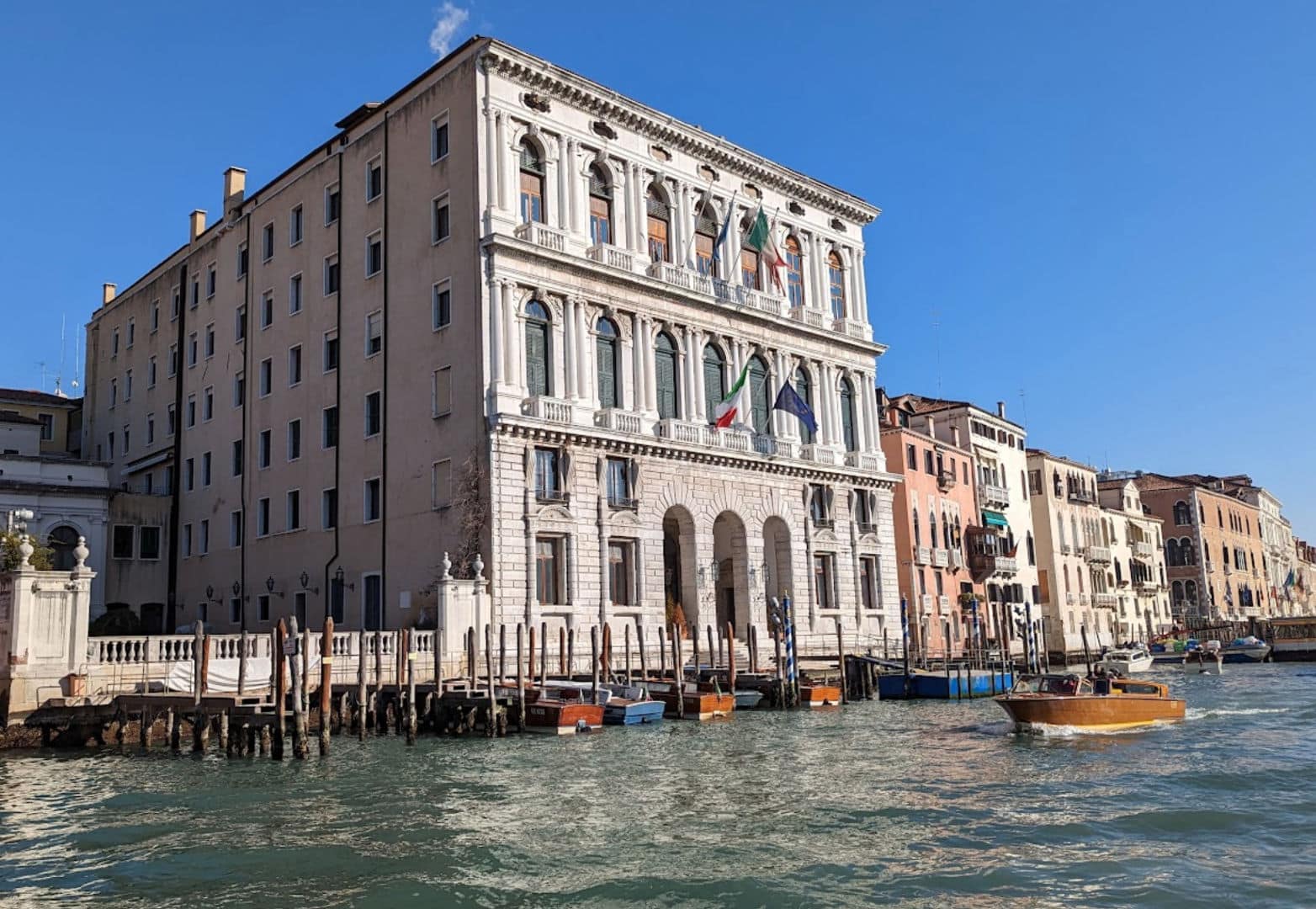
The heavy door at Campo San Polo opens into a 14th-century silence. Here, the sharp geometry of 20th-century art finds an unlikely, grounding home within the Gothic bones of Palazzo Donà Brusa.
- The Piano Nobile: The primary exhibition space where 20th-century rediscoveries are staged beneath a rare and beautifully preserved wooden Gothic vault.
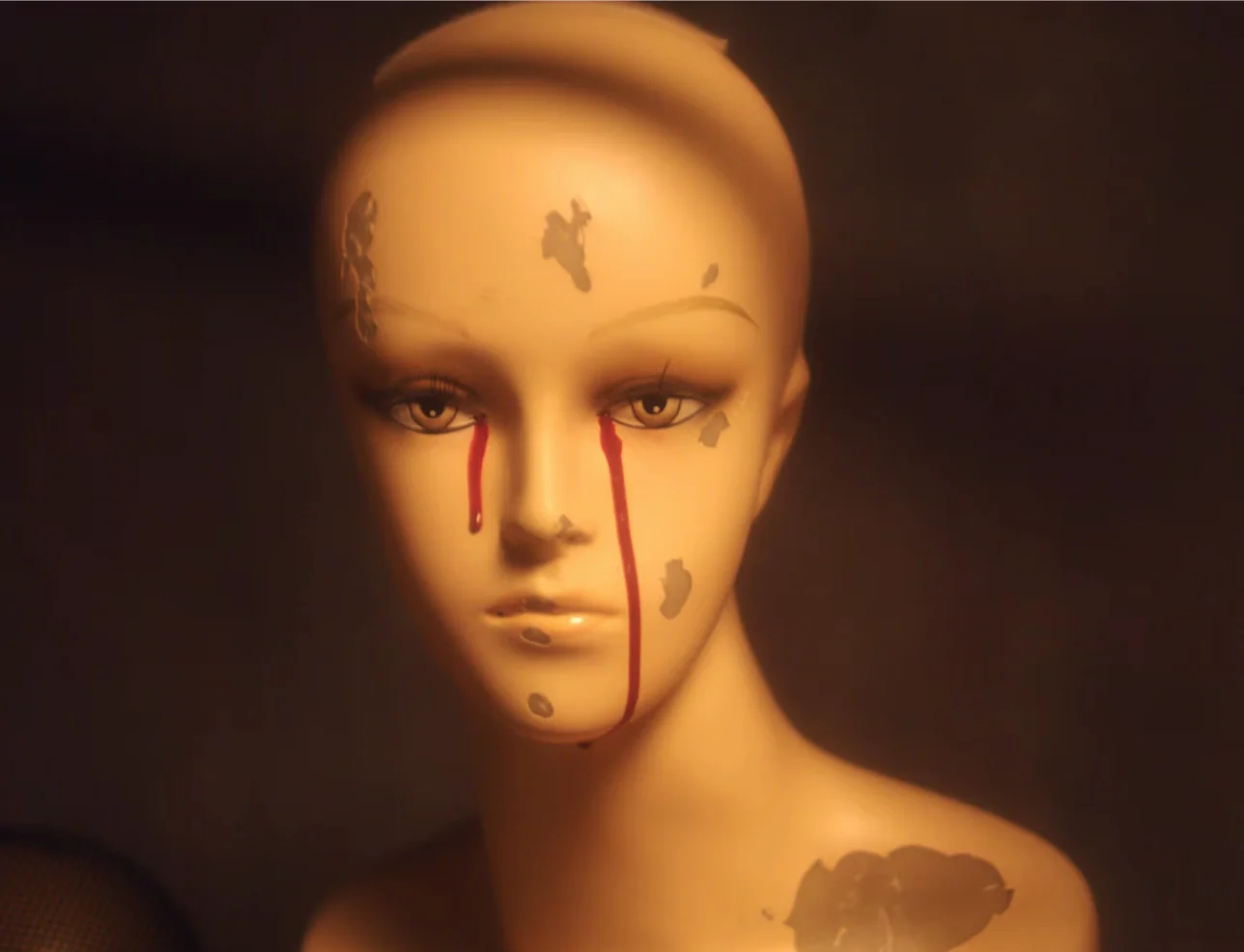
- The Crypt: A subterranean gallery on the ground floor used for site-specific contemporary installations that play with the damp, atmospheric history of Venice.
- Pastellone Flooring: Take a moment to look down at the traditional Venetian floors, whose seamless, marbled texture serves as a neutral stage for modern masterpieces.
- The Internal Courtyard: A hidden outdoor pocket of the palace where sculpture and modern forms breathe in the open Venetian air.

About
Entering Palazzo Donà Brusa feels like stepping into a layered history of Venetian life. The 14th-century bones of the building, once home to the Fonseca family of painters and writers, provide a stark, elegant contrast to the 20th-century works curated within. You feel the weight of the timber Gothic ceilings above as you glide across floors of traditional pastellone, a surface as soft to the eye as it is resilient to time.
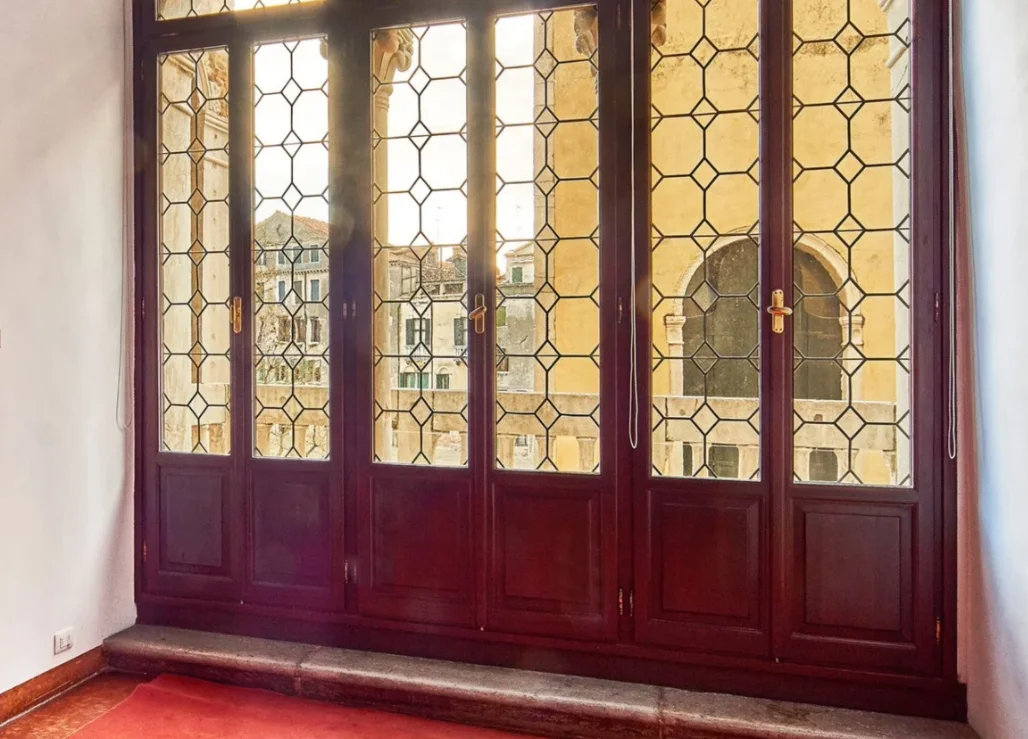
You're watching the soft lagoon light filter through tall windows, illuminating the textures of avant-garde canvases against the ancient masonry. Visitors move with a slow, deliberate cadence through the noble floor, their footsteps muffled by the historical gravity of a space that has transformed from a private residence into a vessel for artistic revival.
Worth the trip
- Architectural Dialogue: The rare opportunity to observe 20th-century avant-garde works inside a 14th-century palace creates a tension that is deeply and uniquely Venetian.
- Curatorial Rigor: The gallery’s commitment to the "rediscovery" of lesser-known artists provides a sophisticated alternative to the city's more crowded commercial art circuits.
- A Creative Legacy: Standing in the former home of the Fonseca family of painters allows you to feel the continuity of Venice as a site of production, not just a museum of the past.
© Tommaso Calabro Venice