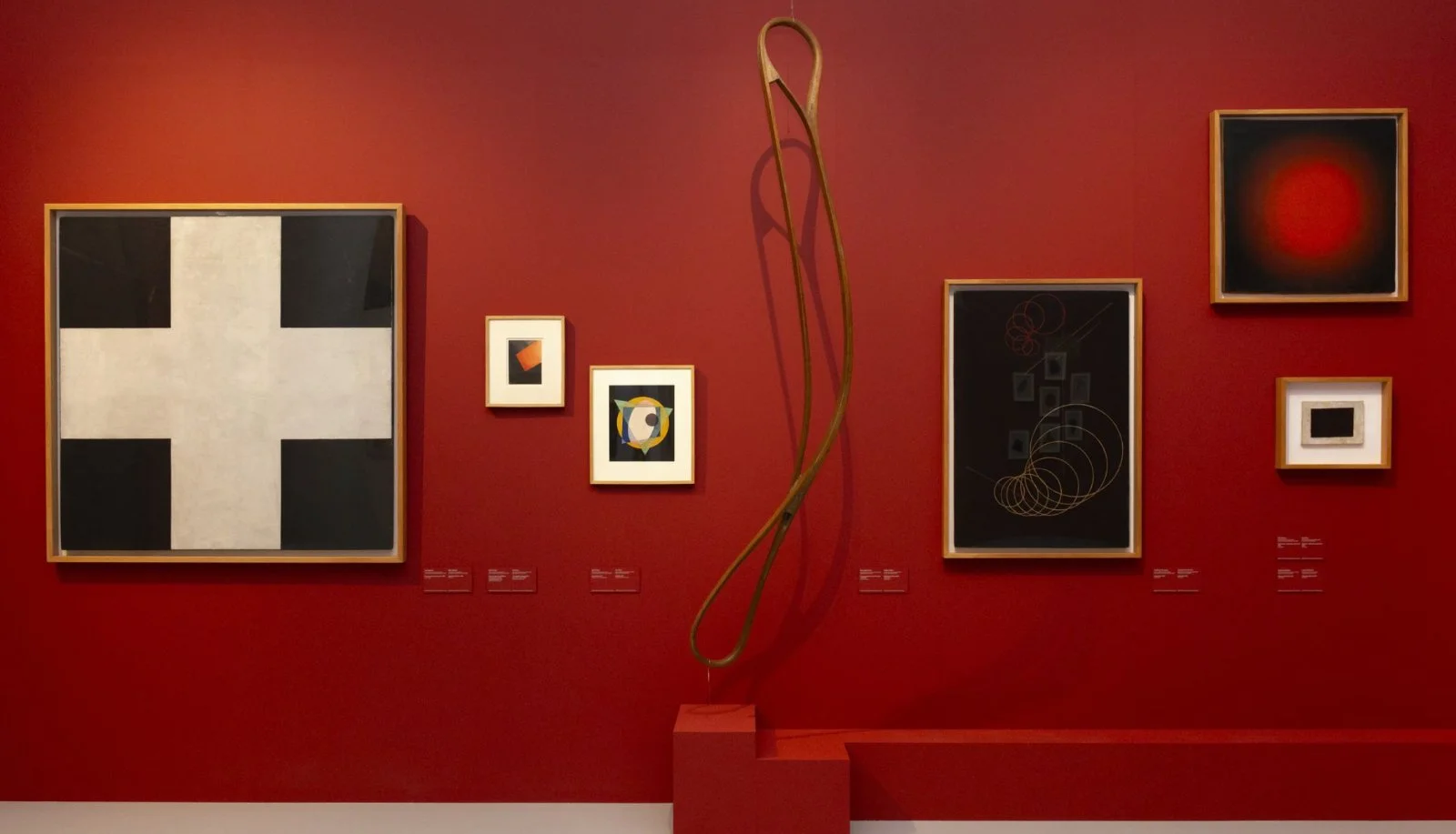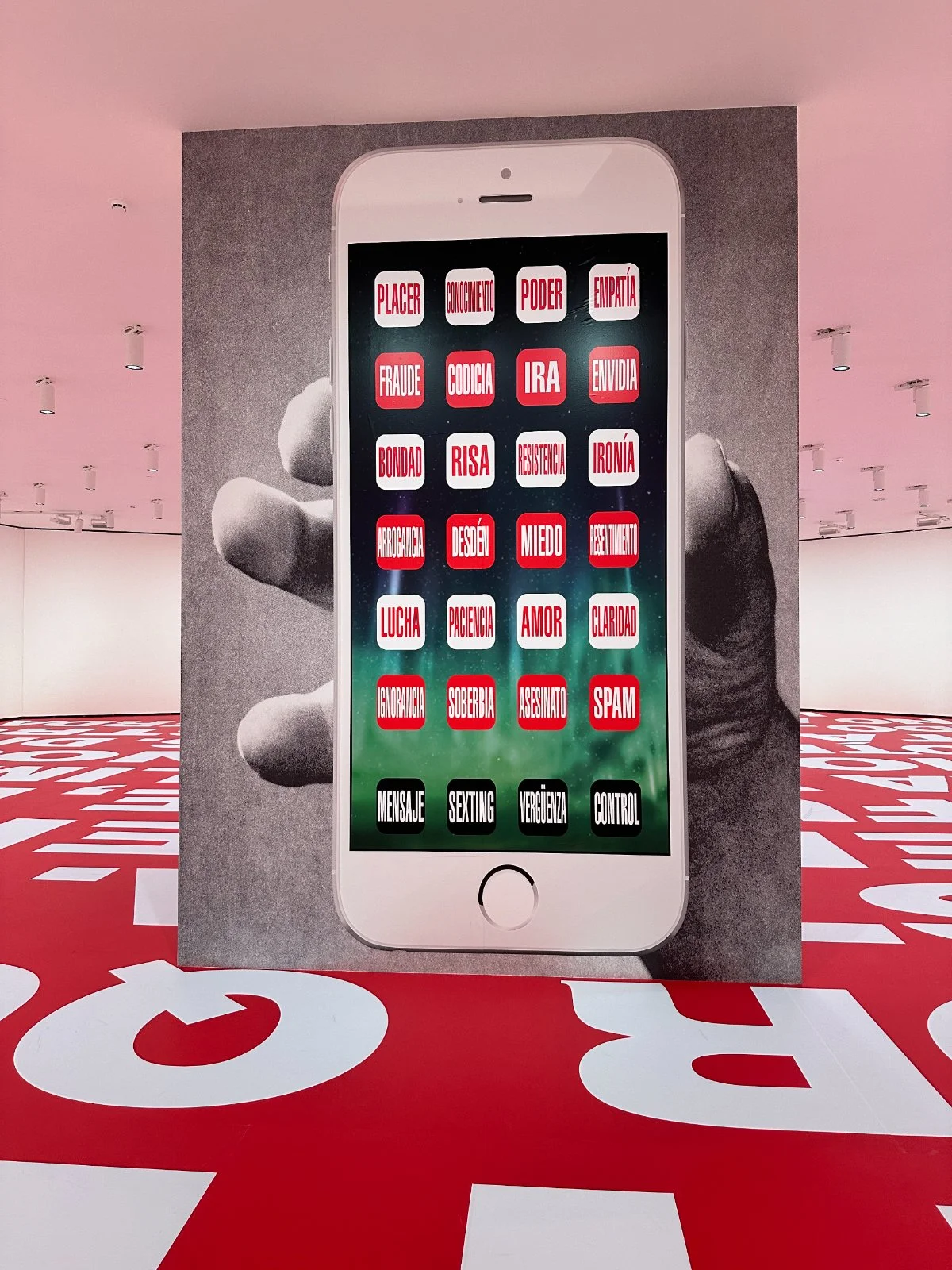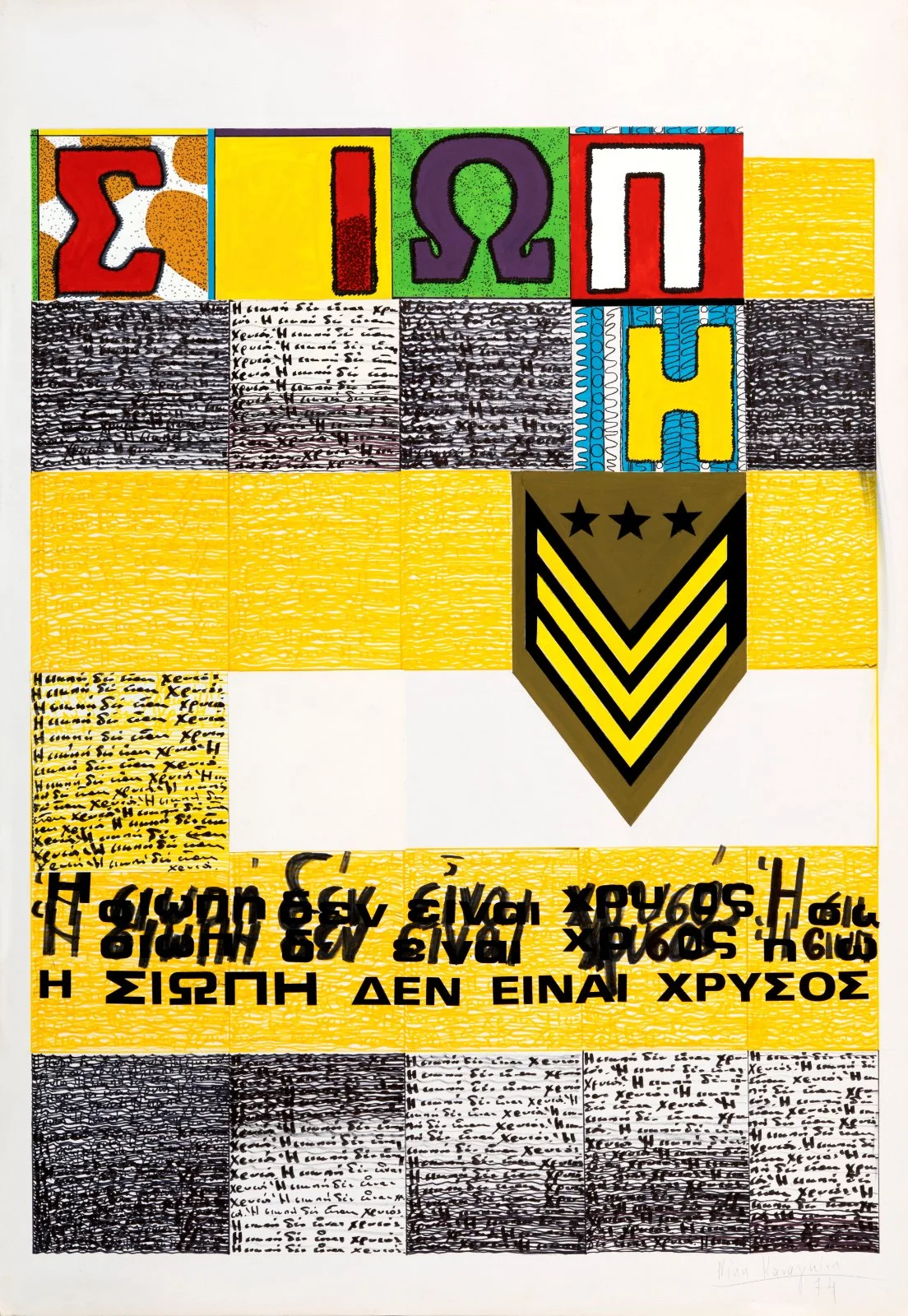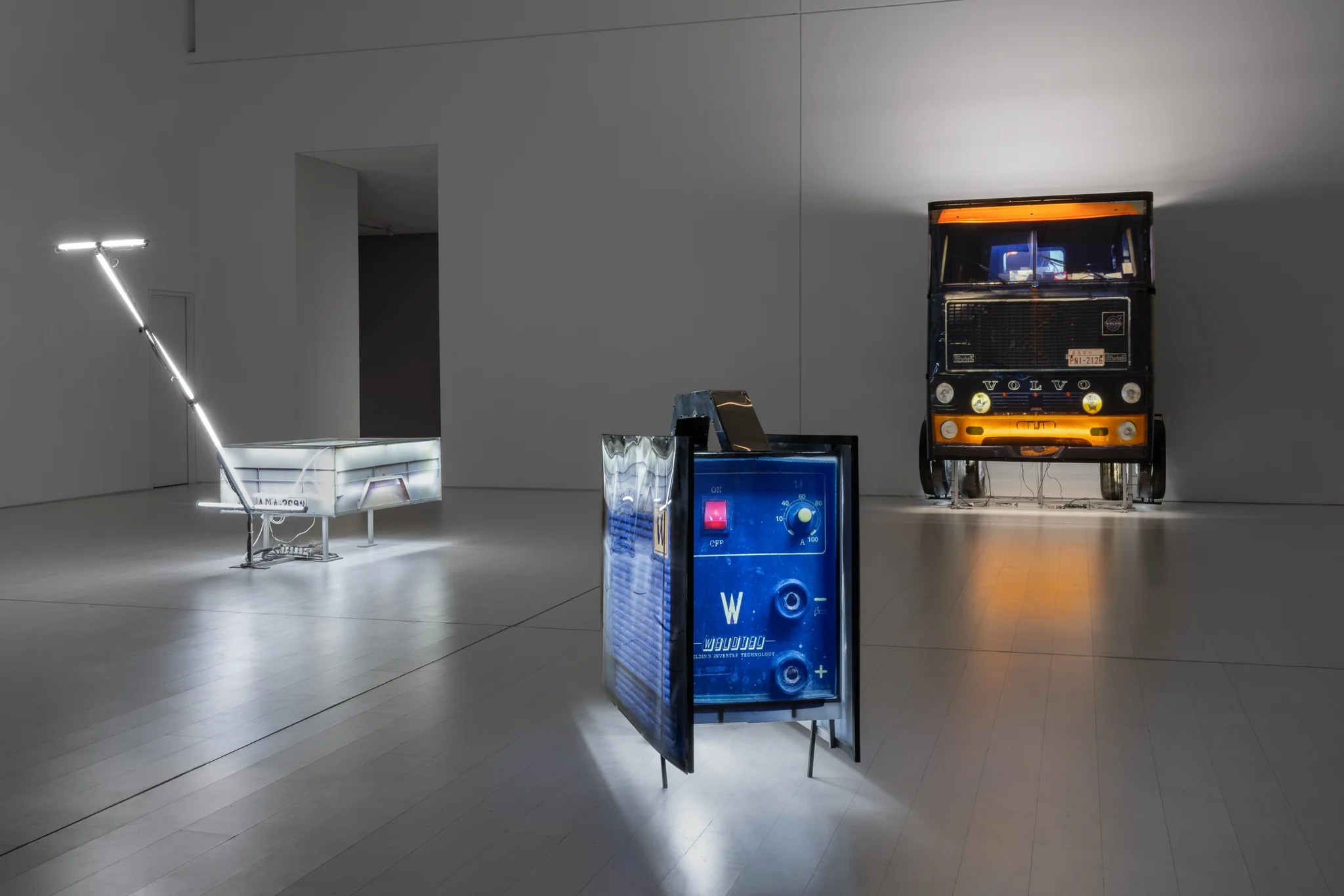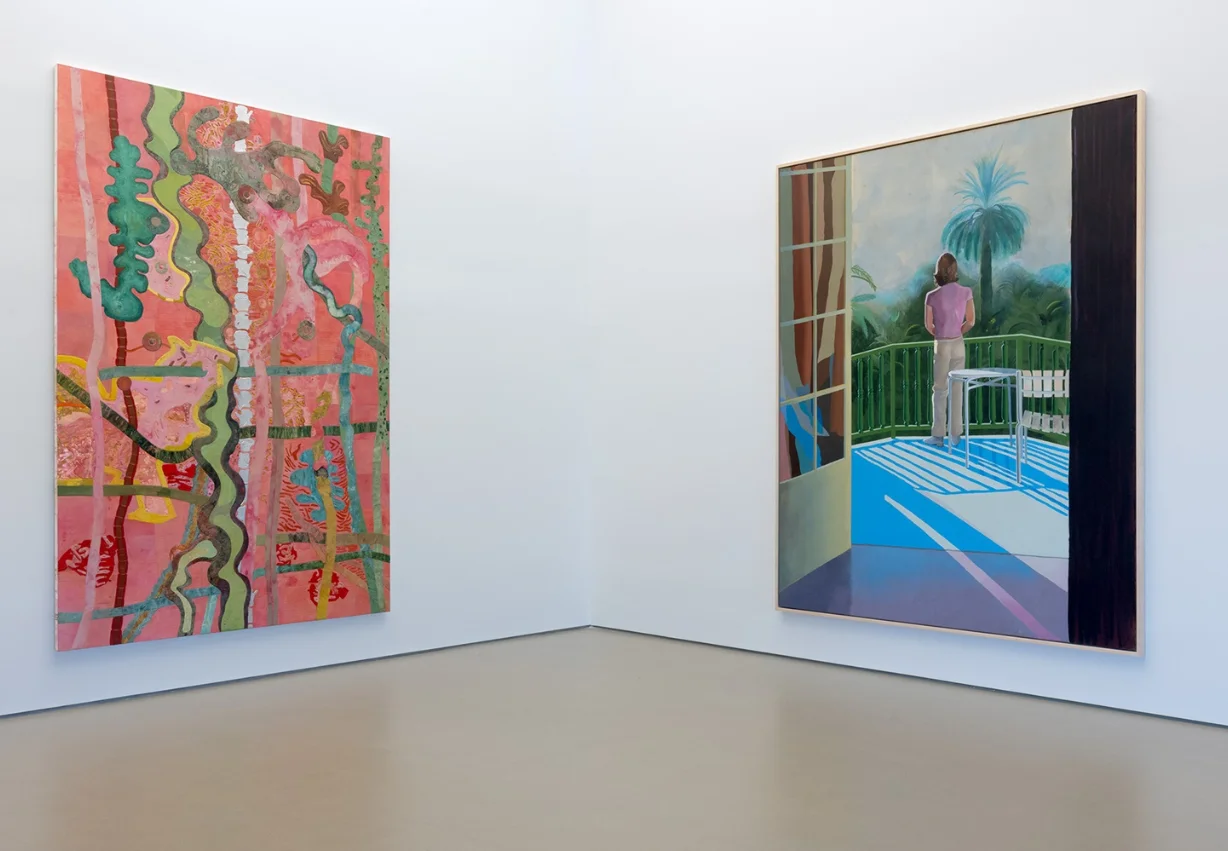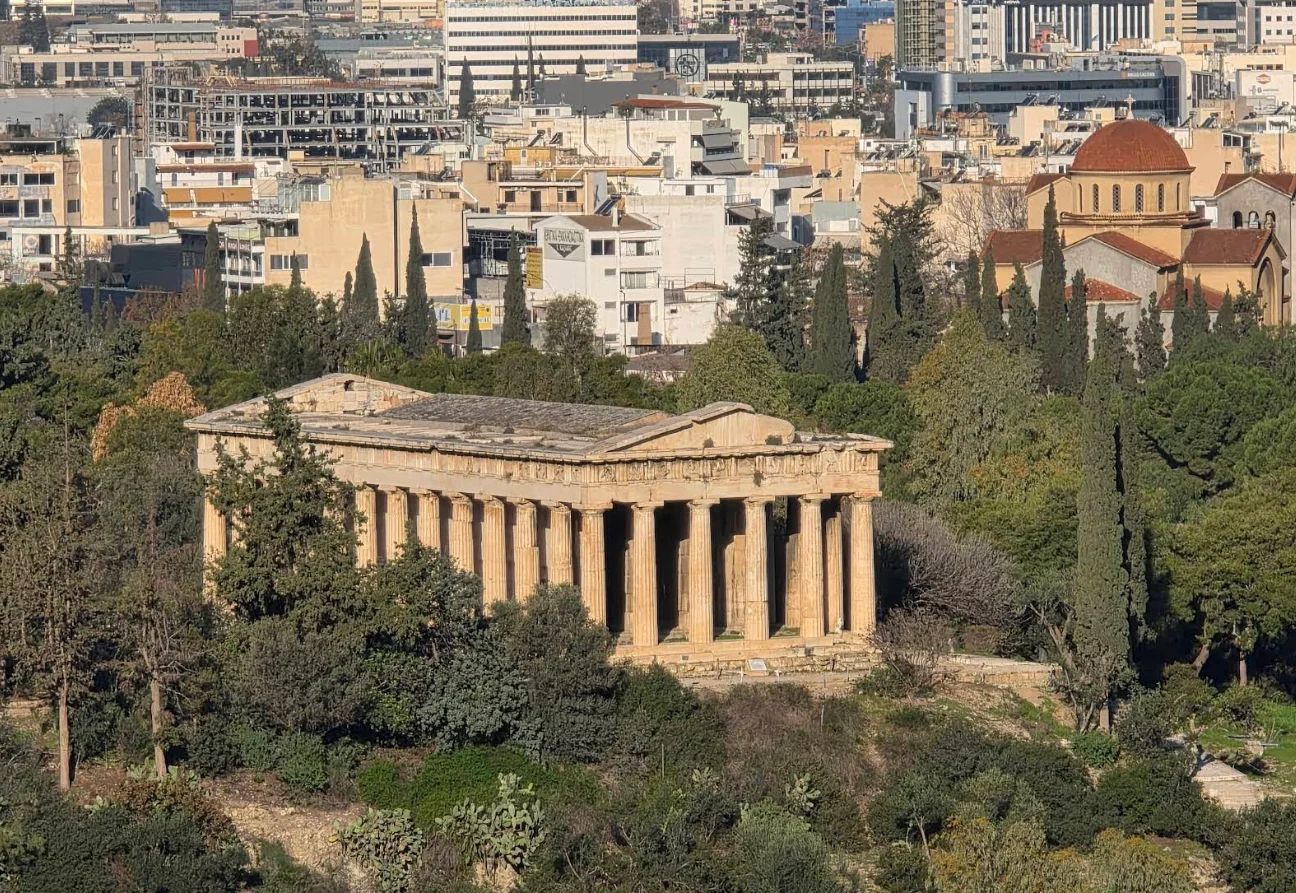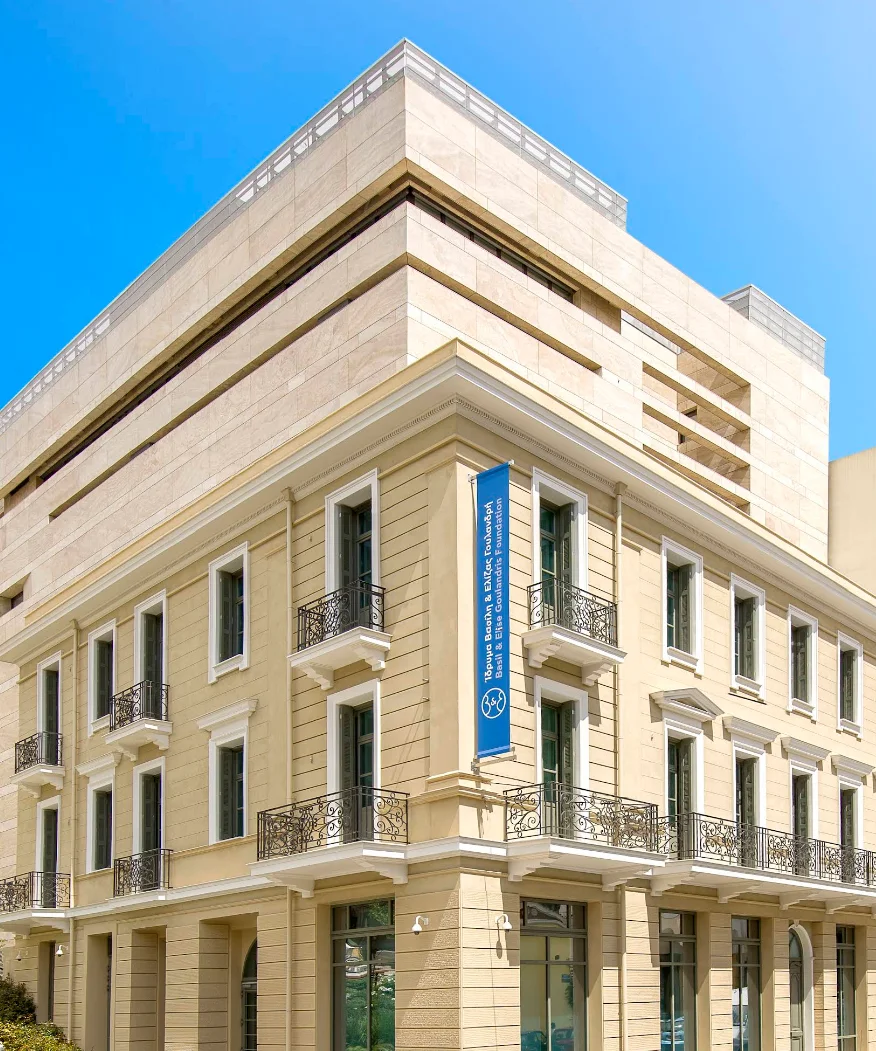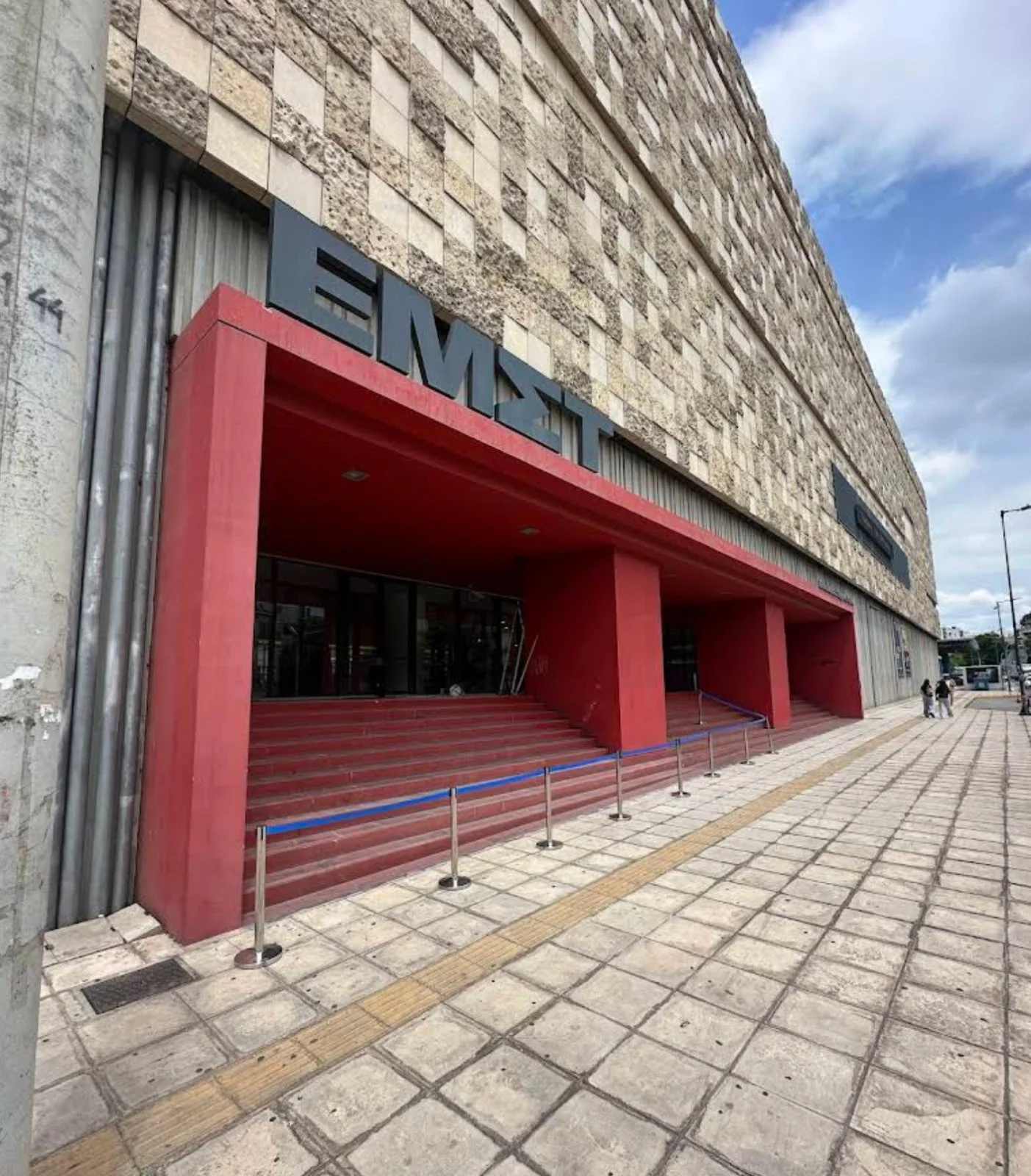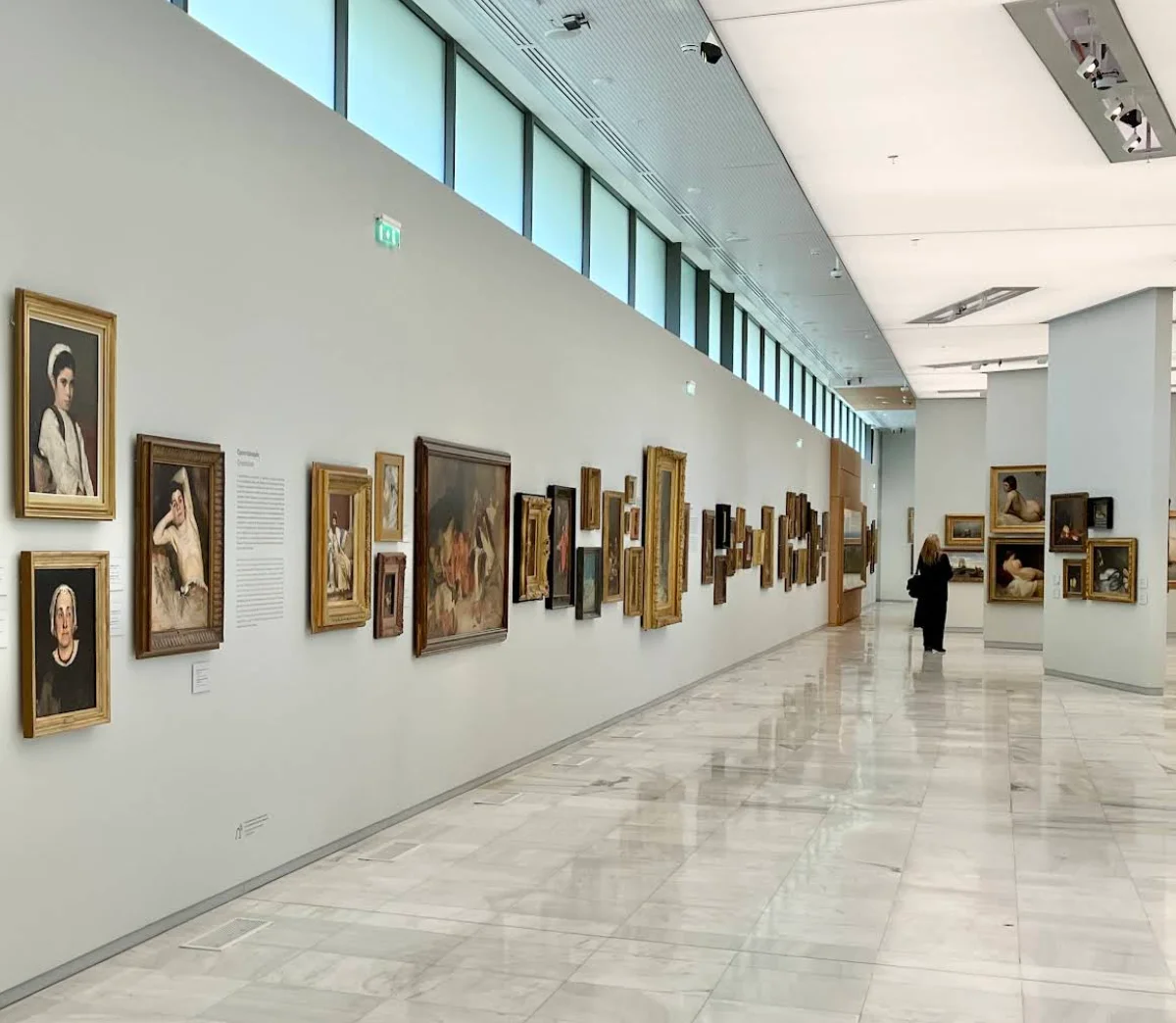
Athens is not only ancient temples and marble ruins. At the National Gallery, you see how modern Greece learned to paint itself.
The permanent collection includes more than 1,000 works of modern Greek art, with rooms dedicated to post-Byzantine art, Domenicos Theotokopoulos / El Greco, the Ionian Islands School, the painting of the independent Greek state, 19th-century bourgeois culture, Greek modernism, European painting and modern Greek prints.
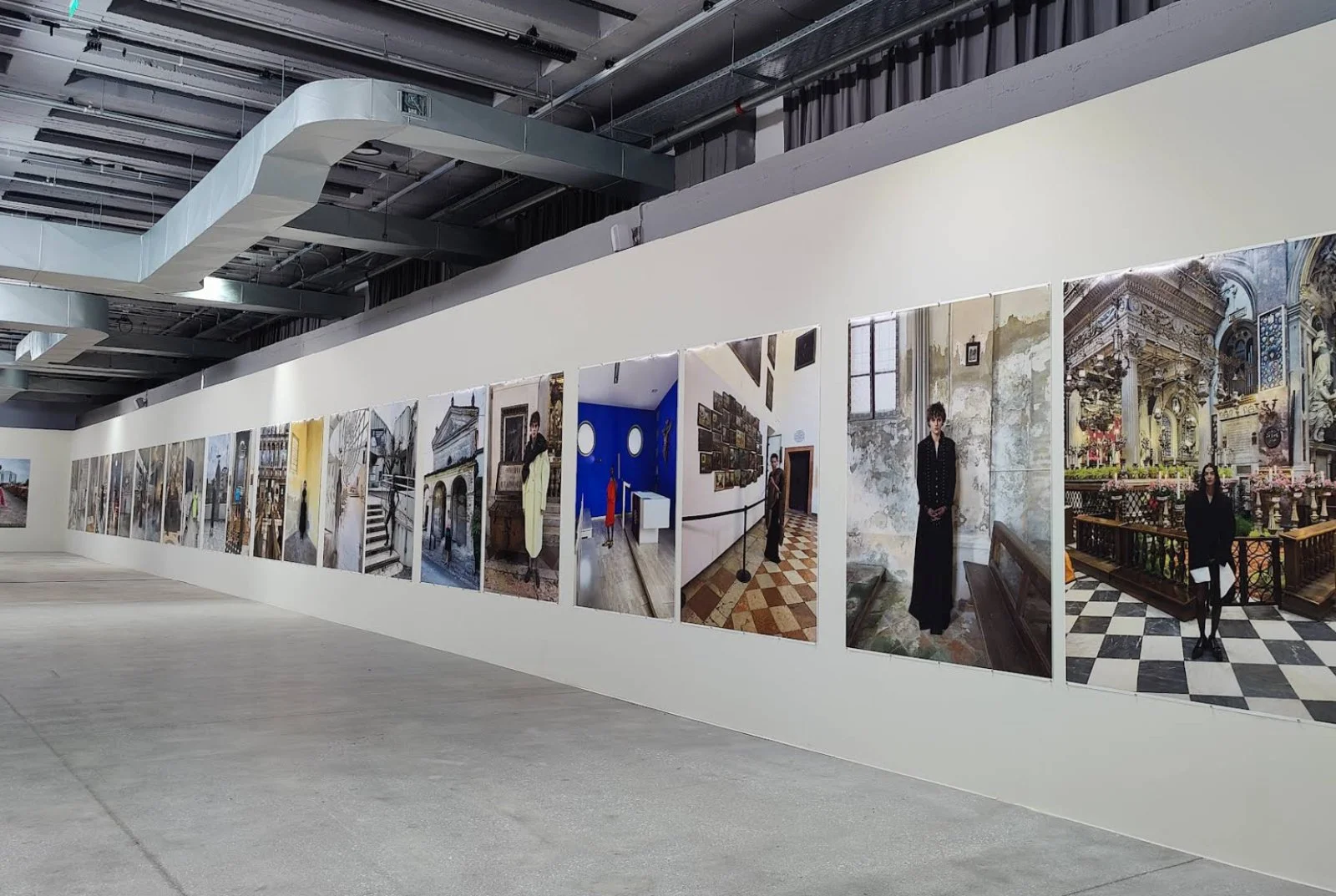
The museum also has temporary exhibitions, a sculpture garden, a library and archive, conservation spaces, and several annexes beyond the central Athens building.

Check opening hours and ticket information before visiting, especially around holidays or temporary exhibitions.
The museum is accessible, with ramps, elevators and visitor support services. There are also bicycle racks near the main entrance.
Best for:
Art travelers who want to understand Greek art beyond antiquity.
Museum lovers looking for a deeper Athens.
Visitors interested in national identity, modernism, painting and cultural history.
Anyone who wants a less obvious but essential stop in the city.
About the venue
More info
The National Gallery – Alexandros Soutsos Museum is Greece’s leading art museum, dedicated mainly to Greek art from the post-Byzantine period to modern and contemporary times, with selected European works also in the collection.
It is the place to understand Greek identity beyond archaeology: revolution, landscape, religion, bourgeois life, modernism, exile, memory, and the long conversation between Greece and Europe.
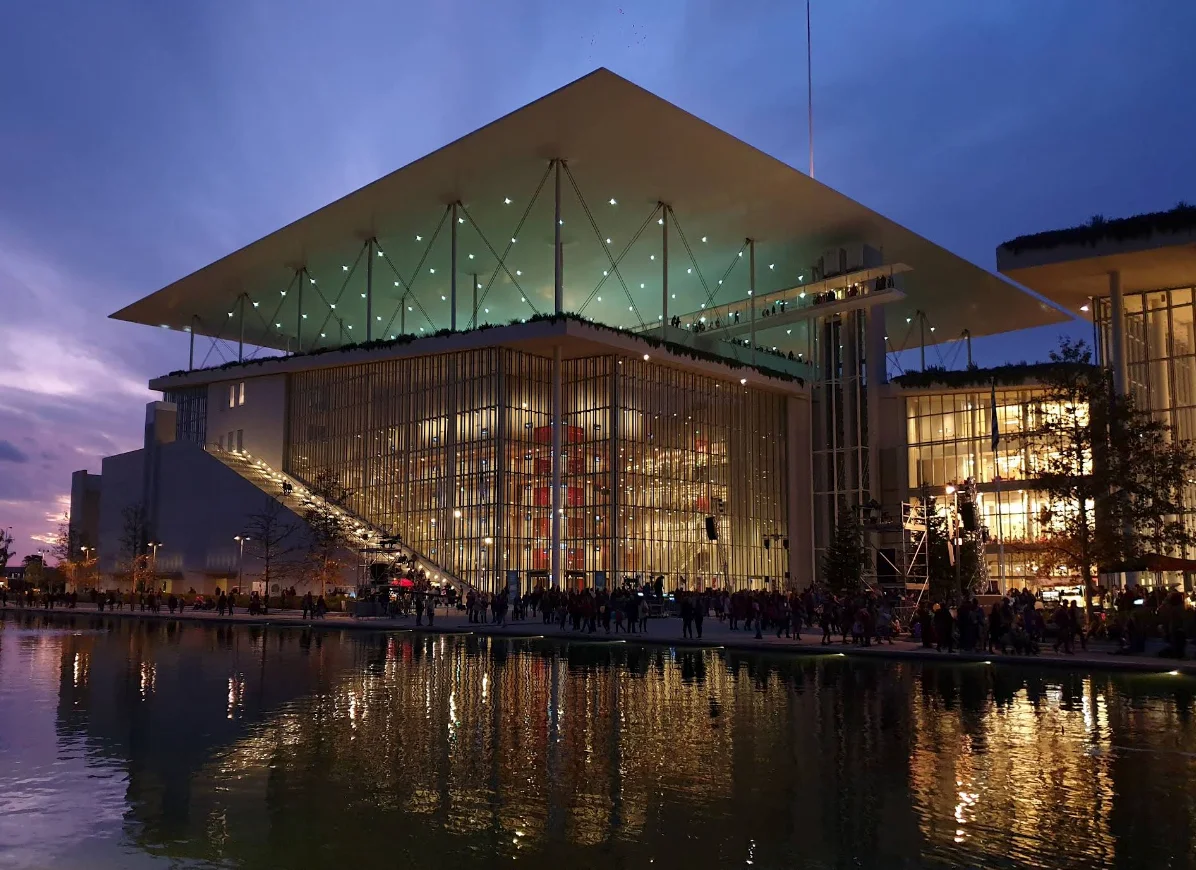
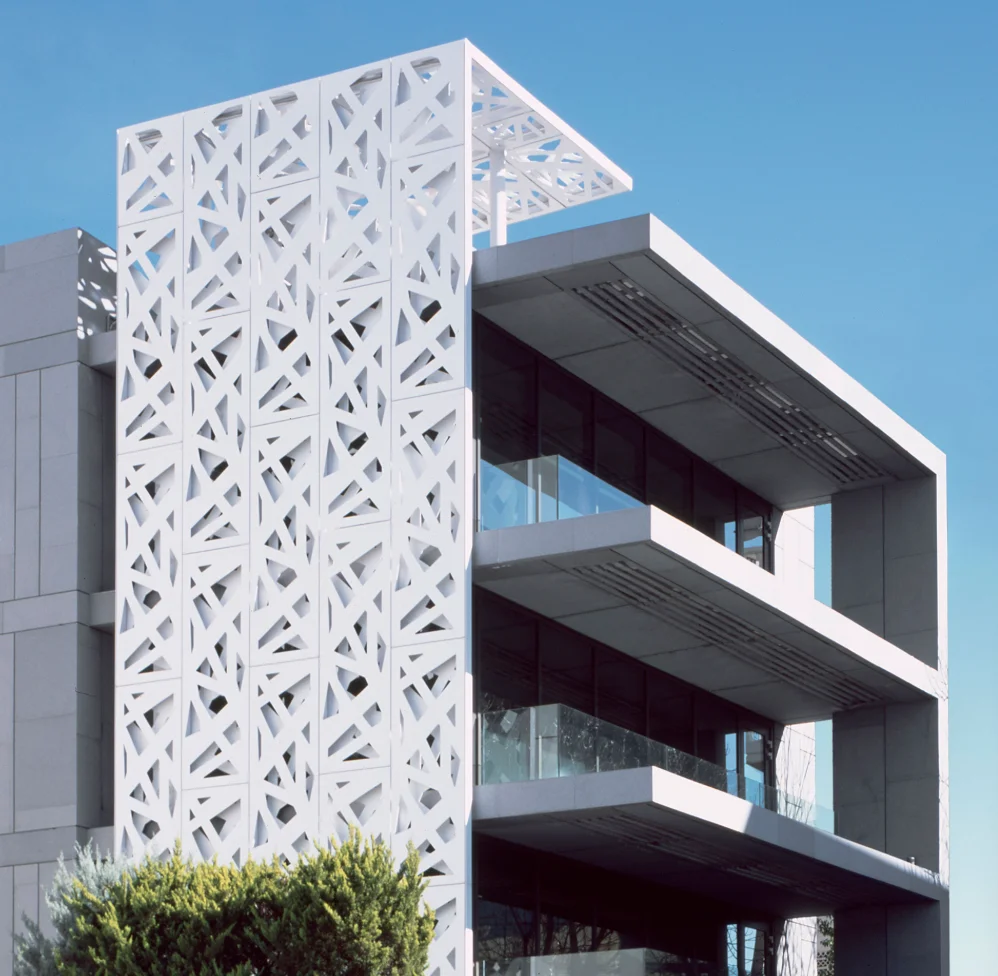
The central building feels modern, open and urban — a strong contrast with the ancient image most visitors have of Athens.
Its renovated spaces make the museum feel like a cultural landmark for today’s city: polished, clear, spacious, and easy to combine with a contemporary Athens itinerary.
Outside, the garden adds a quieter layer, with sculptures installed among Mediterranean planting. It is a good pause before or after the galleries.
Worth the trip
Because it gives Athens a different rhythm.
After the Acropolis and the classical monuments, this museum brings you into the emotional, political and visual history of modern Greece. You move from icons and Cretan School painting to 19th-century nation-building, Greek modernism, abstraction, sculpture and printmaking.
It is not just a museum visit. It is a way to see how a country imagines itself.
National Gallery - Alexandros Soutsos Museum
Leof. Vasileos Konstantinou 50, Athina 115 25, Greece
Hours & rating from Google
On show now