A collector’s palace frozen in time — one of Madrid’s most atmospheric house museums.
- Original aristocratic interiors
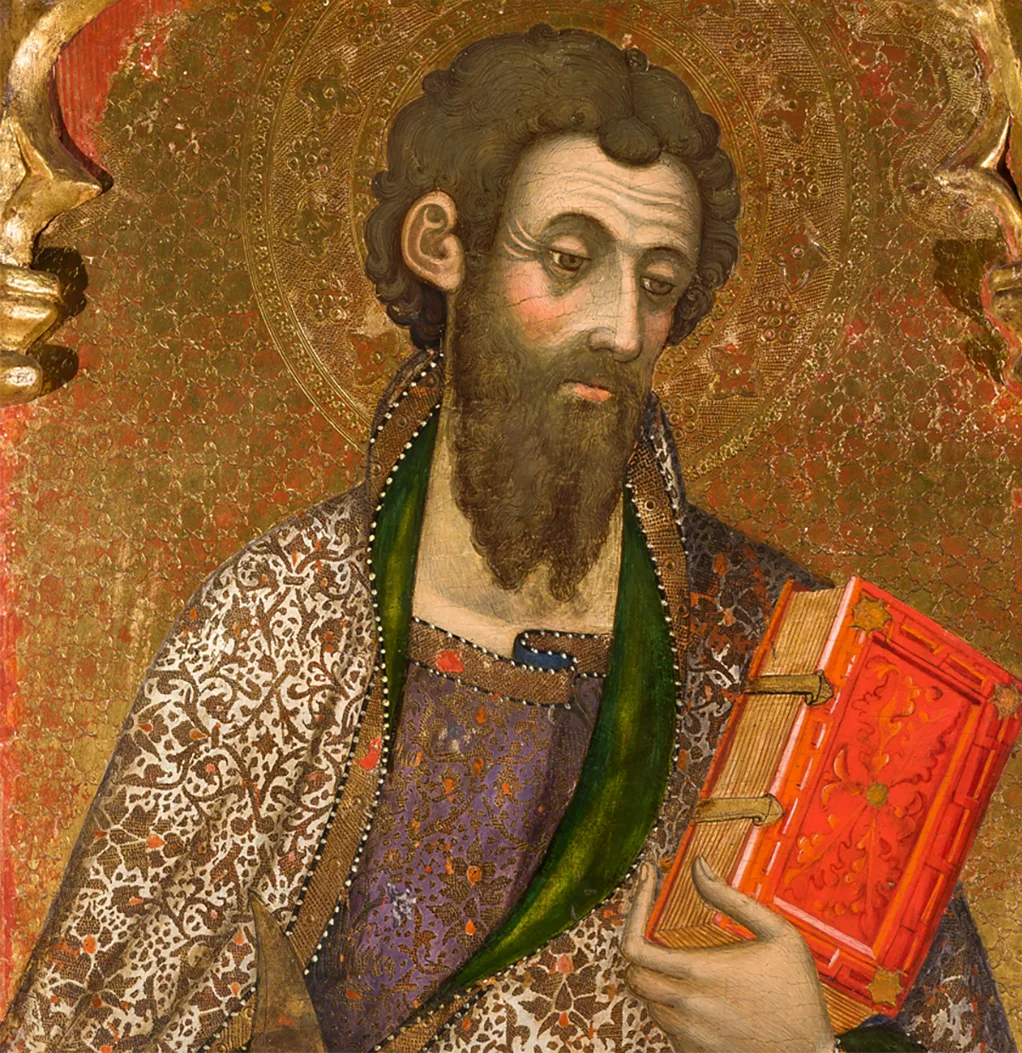
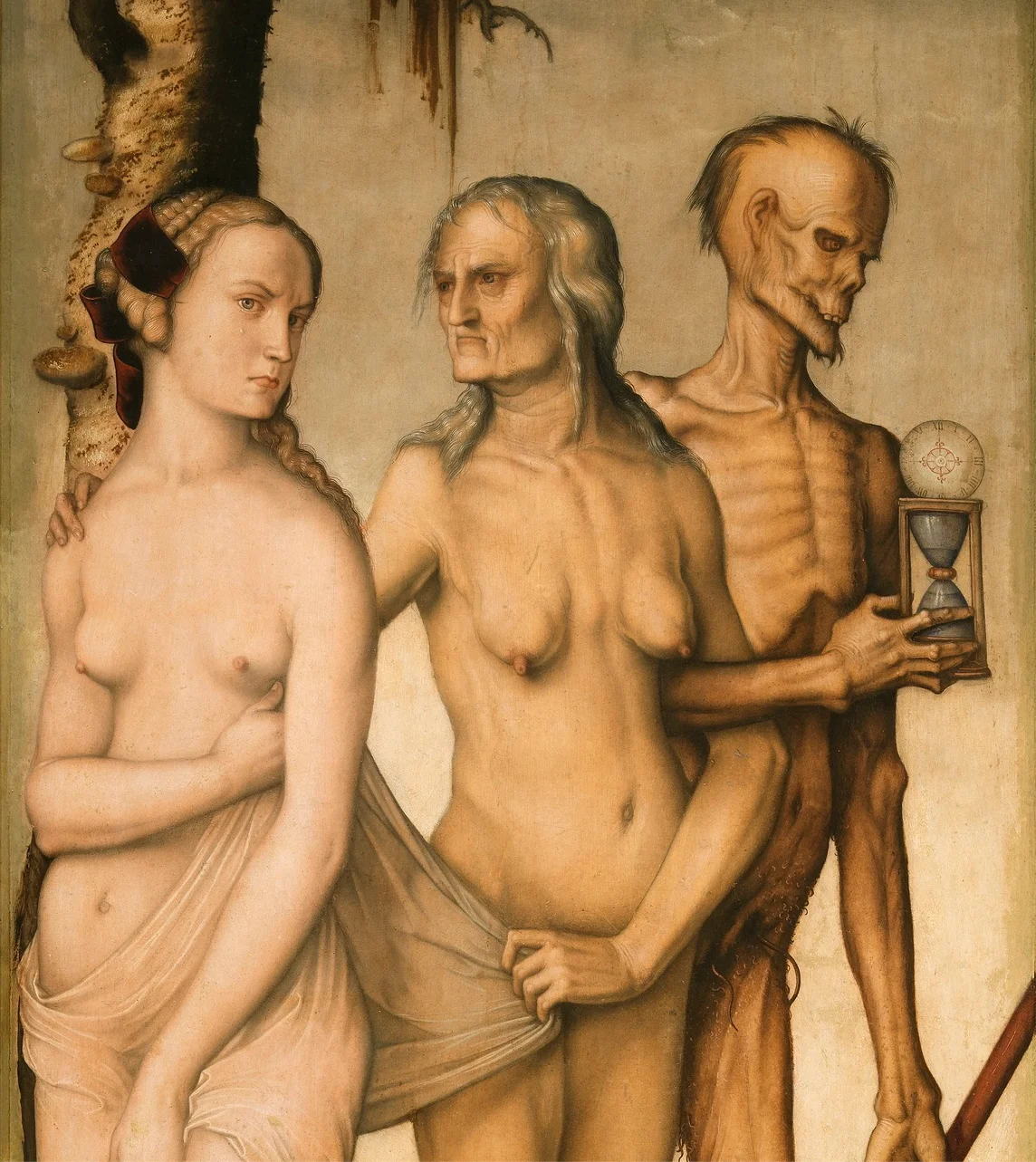
- Painting and sculpture
- Furniture and decorative arts
- Arms and armour
- Archaeological objects and antiquities
- Library, Ballroom and historic rooms
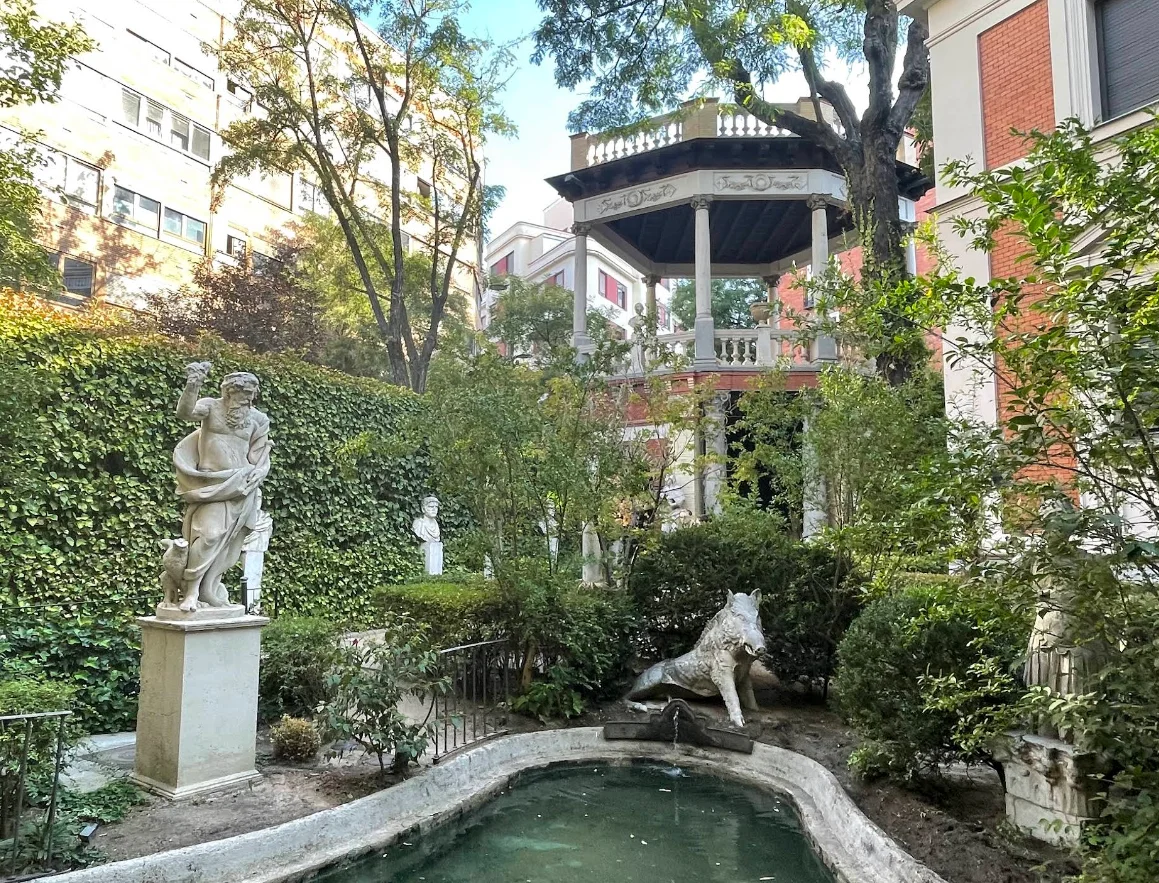
- A small garden

Come for the collection, but look at how everything is displayed together. Cerralbo is really about the art of collecting and living with objects.
Look at the rooms as compositions. Don’t miss: The Ballroom and main-floor ceremonial rooms — this is where the palace feels most theatrical. Don’t separate the paintings from the furniture, textiles or objects.
Ask instead: How was this room meant to impress? What did the owner want visitors to understand about taste, status and culture?
That makes Museo Cerralbo much more interesting than treating it as a conventional fine-arts collection.
Nearby route ideas
Madrid collector’s route
Museo Cerralbo + Museo Nacional de Artes Decorativas + Museo Lázaro Galdiano
A strong route for understanding private collecting, decorative arts and historic interiors.
Royal + private Madrid
Museo Cerralbo + Palacio Real + Templo de Debod
A compact route contrasting royal power, aristocratic life and one of Madrid’s best sunset viewpoints.
Hidden Madrid museums
Museo Cerralbo + Museo del Romanticismo + Sorolla Museum
Ideal for travellers who already know the Prado–Thyssen–Reina Sofía circuit.
Slow Artlovers route
Museo Cerralbo → Plaza de España → Templo de Debod → Parque del Oeste.
About
State-owned museum managed by Spain’s Ministry of Culture, preserving the former home and collections of the 17th Marquis of Cerralbo and his family.
The museum has 32 rooms, and although it is manageable, the interiors are rich enough that rushing makes little sense. The library reinforces the sense that Cerralbo was not merely a wealthy collector, but also a historian, archaeologist and intellectual figure.
Museo Cerralbo is one of Madrid’s most distinctive house museums, preserving the former residence and collection of Enrique de Aguilera y Gamboa, 17th Marquis of Cerralbo, and his family. Located near Plaza de España, the palace was designed in the late 19th century both as a home and as a setting for an extraordinary private collection. Today, visitors can explore original rooms filled with paintings, sculpture, furniture, porcelain, textiles, weapons, archaeological objects, books and decorative arts. The collection exceeds 50,000 pieces and offers a rare insight into aristocratic life and collecting culture in Madrid around 1900. For art travellers, Museo Cerralbo is especially rewarding because the interiors remain central to the experience: the objects are not isolated from their context, but presented within the atmosphere of the palace itself.
Worth the trip
Because Museo Cerralbo offers something Madrid’s big museums cannot: the feeling of entering an aristocratic collector’s private world almost intact. The rooms, furniture, paintings, armour, clocks, textiles and decorative objects still make sense as part of a lived interior rather than an abstract museum display.
Cerralbo Museum Madrid