Spain’s memory palace: far more than books, but not a conventional museum
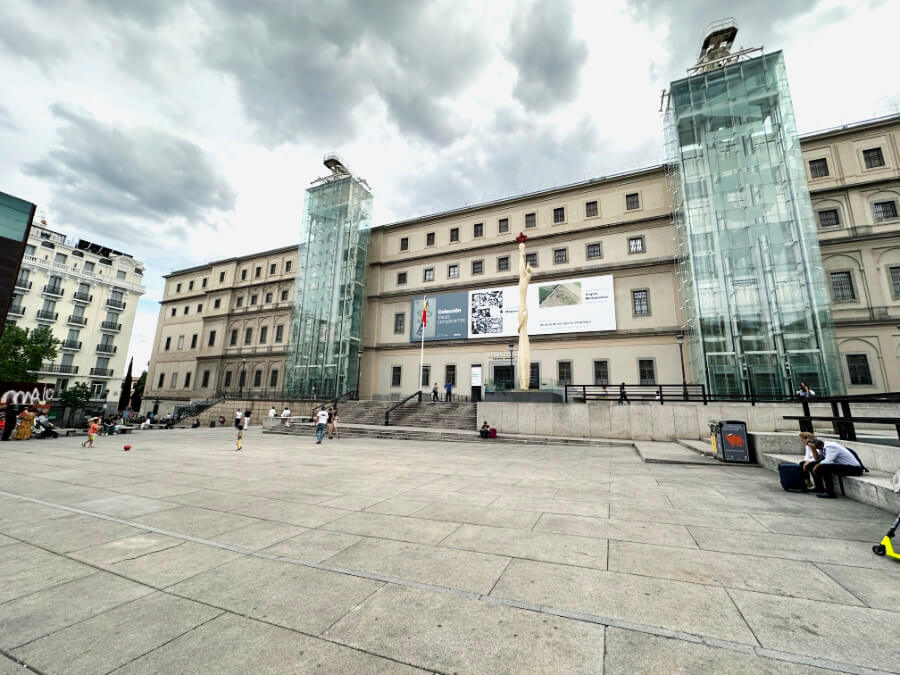
Behind its monumental Recoletos façade, the BNE preserves centuries of Spanish visual and written culture—from medieval manuscripts and maps to drawings by Goya, prints, photographs, posters, theatre designs and sound recordings.
The BNE safeguards approximately 34 million documents across multiple formats, including books, manuscripts, newspapers, drawings, prints, photographs, maps, posters, musical scores and audiovisual recordings.
Collection highlights
- The manuscript of the Cantar de mio Cid
- Illuminated manuscripts connected with the Beatus of Liébana
- Early editions of Don Quixote
- Goya’s prints and rare working proofs
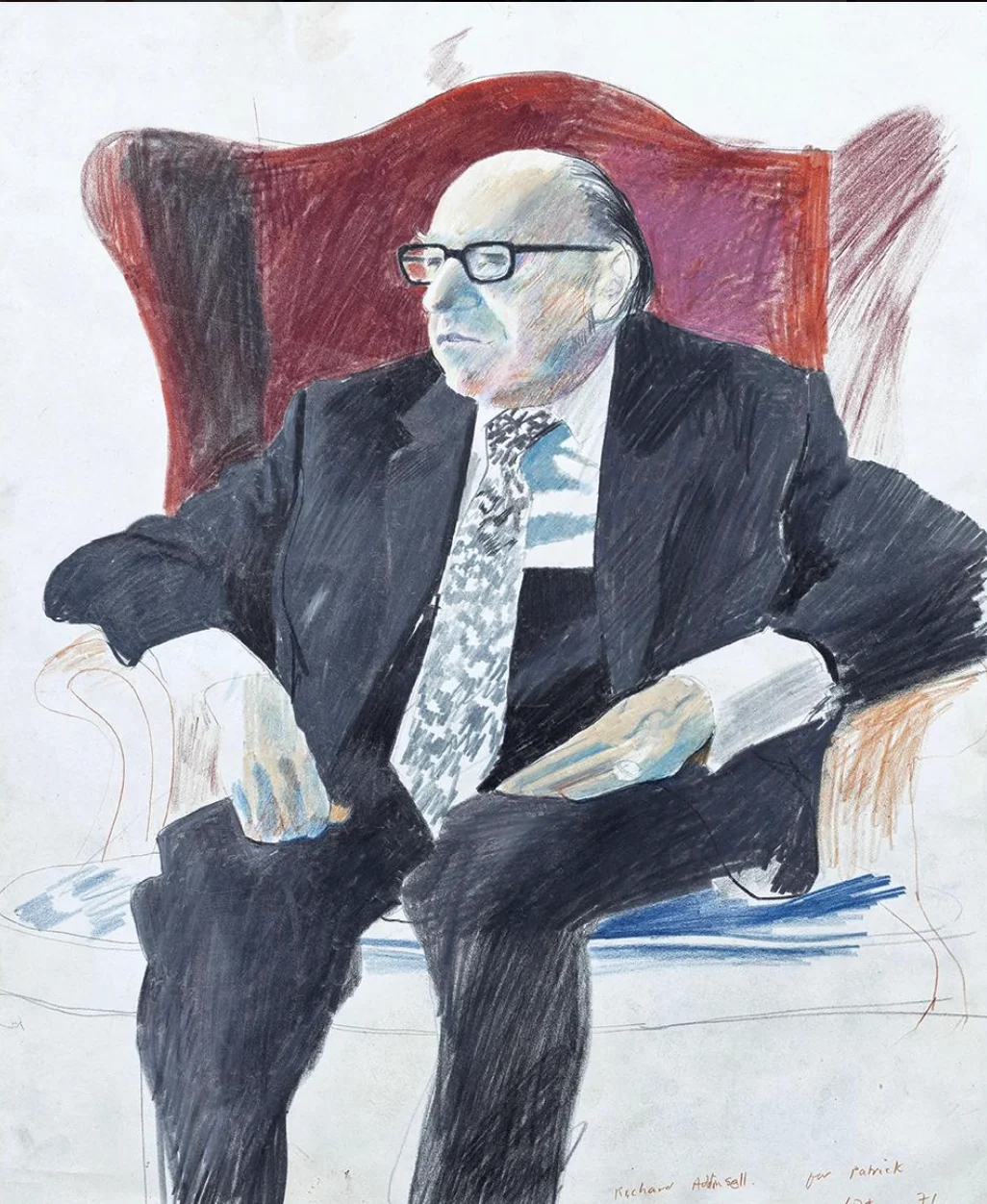
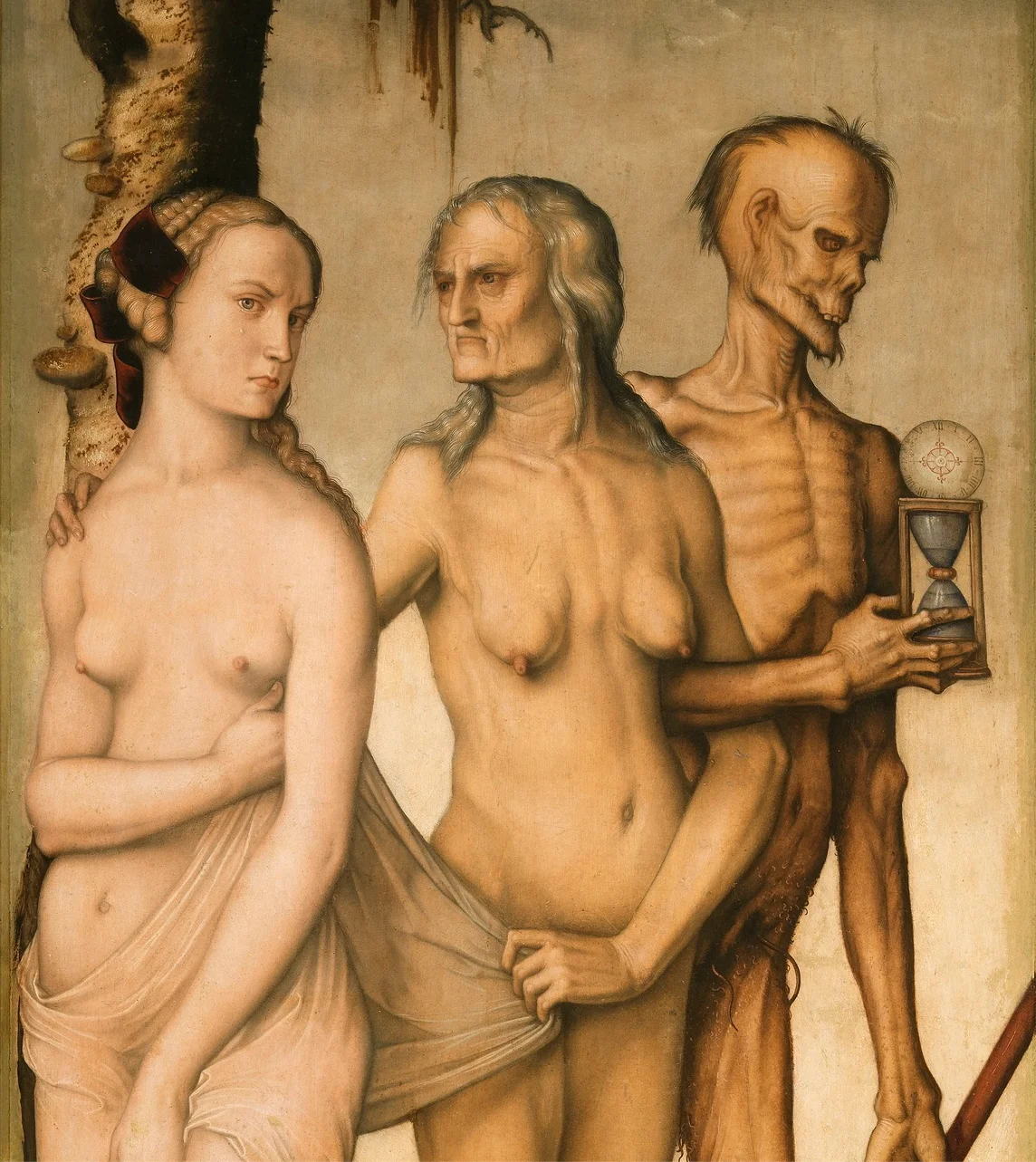
- Drawings attributed to major Spanish and European artists
- Historic maps, photography and theatrical archives

Recommended when the exhibition matches your interests; not a standalone must-see for every Madrid visitor.
The BNE becomes essential when it opens its most fragile and exceptional holdings—manuscripts, drawings, prints, maps or artists’ archives.
About the venue
More info
Founded by Philip V in 1711 and opened as the Royal Public Library in 1712, the institution was created to collect and preserve Spain’s published heritage. The royal privilege requiring printers to deposit copies of their publications became the predecessor of today’s legal-deposit system.
Its importance extends beyond literature. The BNE preserves the visual, musical, cartographic and documentary record through which much of Spain’s cultural history can be reconstructed.
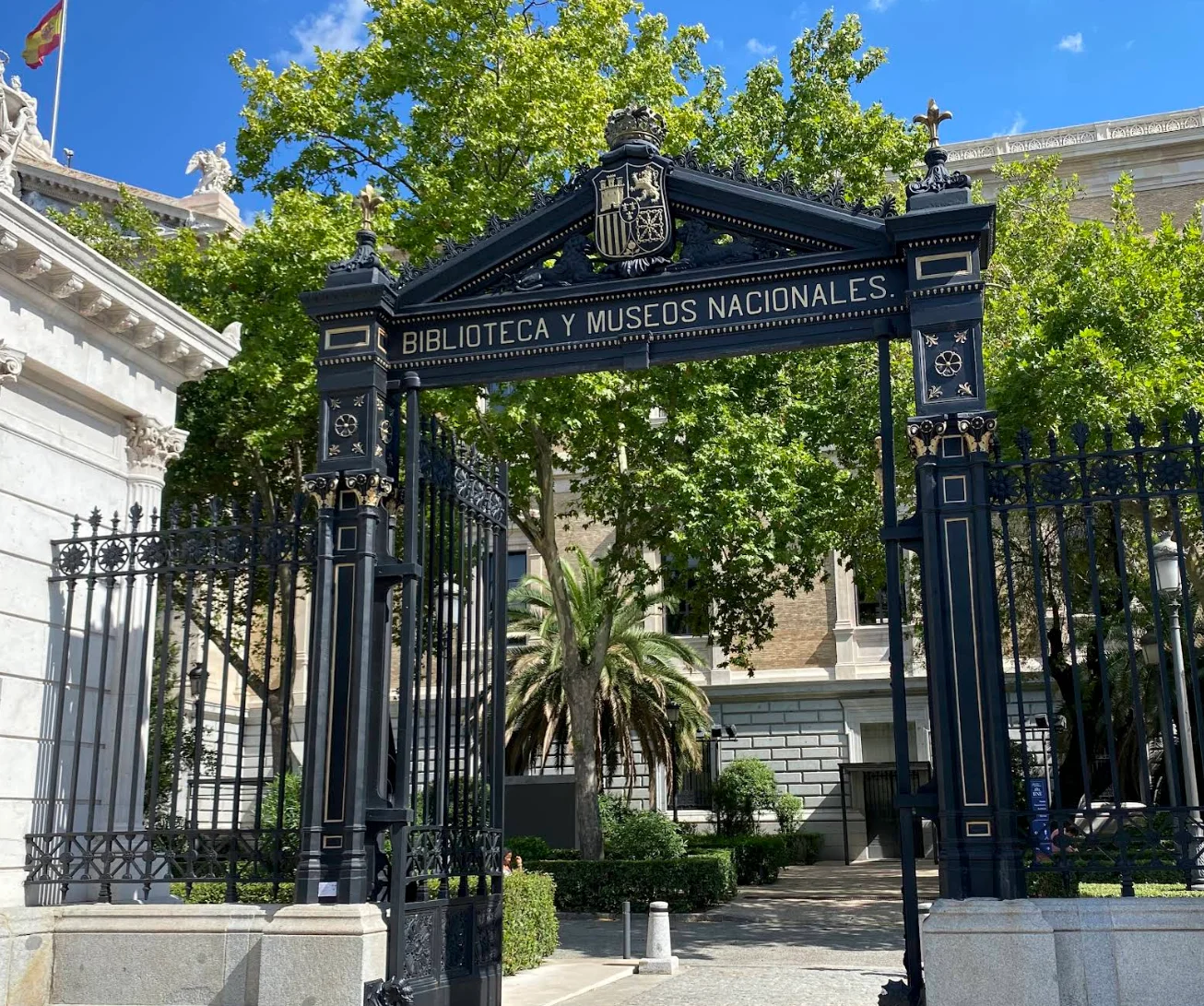
The BNE occupies the western half of the monumental Palacio de Biblioteca y Museos Nacionales, shared with the National Archaeological Museum.
Worth the trip
Visit the BNE for its temporary exhibitions, which reveal material rarely seen elsewhere: original manuscripts, illustrated books, drawings, prints, photographs, maps, scores and cultural archives.
Biblioteca Nacional de España (BNE)
Nearby route ideas
 Nearby route ideas
One palace, two institutions
Biblioteca Nacional → National Archaeological Museum
The two institutions occupy opposite halves of the same monumental building, although they have separate entrances. Begin with the Pedro Moreno exhibition on Paseo de Recoletos, then walk around to the Archaeological Museum entrance on Calle Serrano.
The contrast works exceptionally well: costume and visual storytelling at the BNE followed by Iberian, Roman, medieval and Islamic material culture at the MAN.
Allow: 3–4 hours
Best for: Spanish history, archaeology and historical design
Recoletos art walk
Biblioteca Nacional → Fundación MAPFRE Recoletos → Cibeles
Walk south along Paseo de Recoletos after the BNE. Continue with the photographic or modern-art programme at Fundación MAPFRE, then finish around Plaza de Cibeles, CentroCentro or the Círculo de Bellas Artes.
This is the most natural route when the BNE exhibition is relatively short.
Allow: Half day
Best for: Photography, graphic culture and temporary exhibitions
Books, interiors and Salesas
Biblioteca Nacional → Museum of Romanticism → Salesas galleries
From the BNE, cross towards Chueca for the Museum of Romanticism’s period interiors and nineteenth-century collection. Continue through Salesas, where several contemporary galleries can be visited depending on their current programme.
The route moves from national memory to private domestic culture and finally to contemporary Madrid.
Allow: 3–4 hours
Best for: Literary atmosphere, historic interiors and small galleries