At a glance
Vermeer, Rembrandt and Hals leave The Hague for Madrid in an exceptional museum swap built around one simple idea: a shared love of painting.
Why go
You'll see
Pace of visit
Don't miss

Artlovers Tip
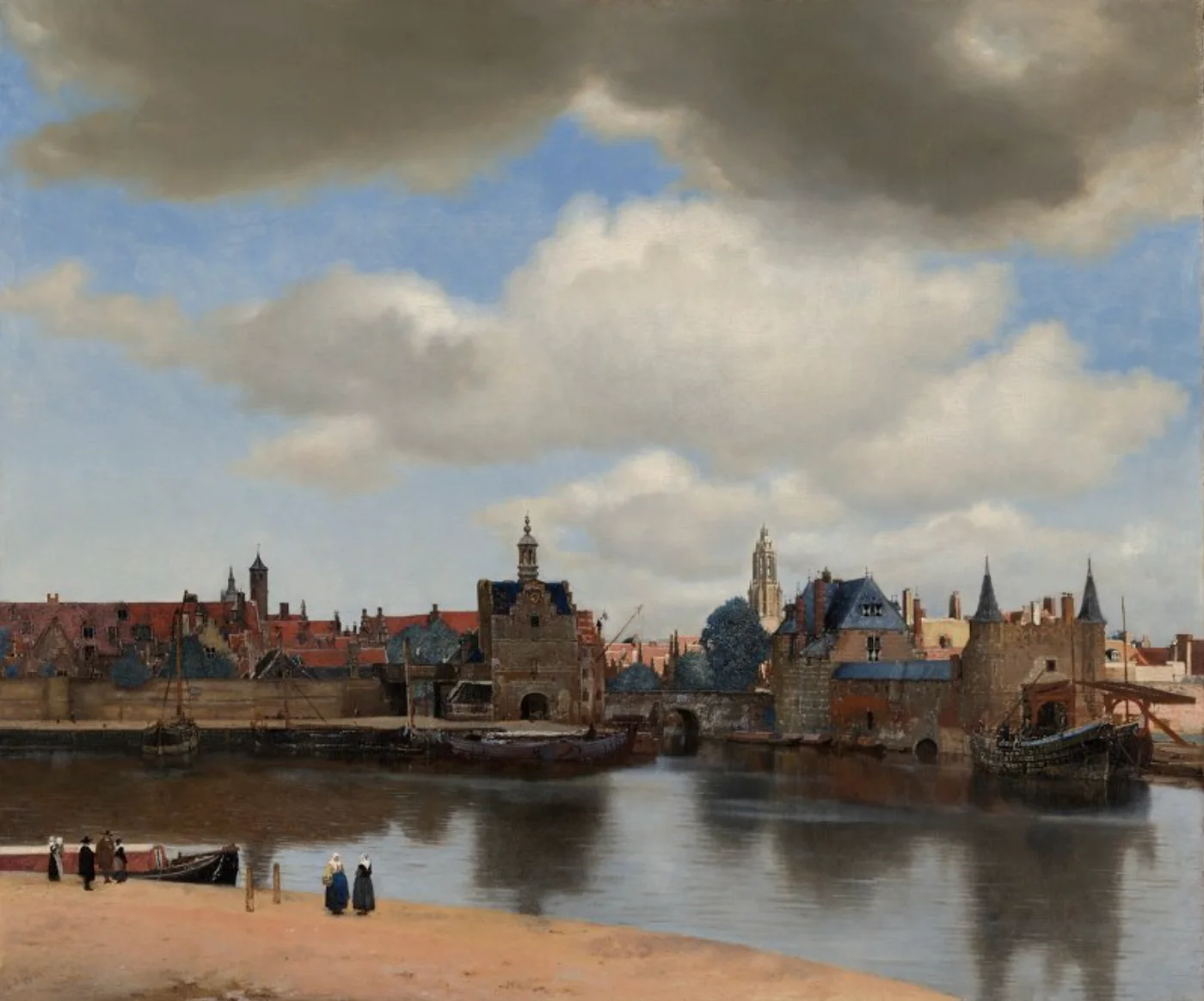
Start with Vermeer — then forget the famous names for a while.
One of the pleasures of Dutch painting is discovering how extraordinary supposedly ordinary subjects can become: a street, a glass of wine, a frozen canal, a flower or light entering a room.
Artlovers relevance
Inside the exhibition
Meet the artist
Key Movements
Description
Mauritshuis ♥ Thyssen-Bornemisza is conceived as a love story between two museums. Rather than organising a conventional loan exhibition around one painter or movement, each institution has effectively entrusted the other with 25 of its treasures. Madrid receives a concentrated selection of 17th-century Dutch masterpieces, while The Hague welcomes works ranging from Van Eyck and Dürer to El Greco and Piero della Francesca.
The Madrid presentation spans roughly 1615–1705 and is organised thematically. One section focuses on still life and genre painting; another brings together landscape and figures; and the final room leads to Vermeer’s View of Delft. This format highlights the extraordinary variety of Dutch Golden Age painting: intimate interiors, city views, portraits, landscapes and carefully constructed still lifes all turn everyday reality into subjects worthy of serious art.
The exhibition also benefits from being installed close to the Thyssen’s own Dutch collection. Paintings from The Hague can therefore be compared directly with related works already in Madrid, making the exchange feel less like a visiting blockbuster and more like two collections temporarily completing one another.
The Mauritshuis holds one of the world’s most concentrated collections of Dutch and Flemish Old Masters. Its relatively small scale is part of its appeal: Vermeer, Rembrandt, Hals and their contemporaries can normally be encountered in unusually intimate galleries in The Hague.
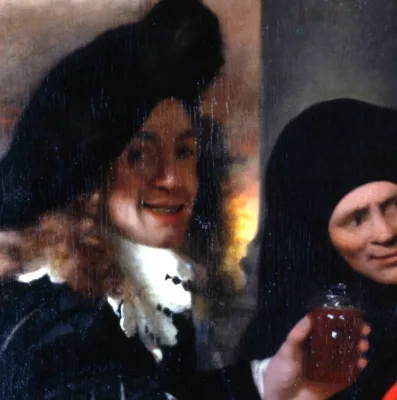
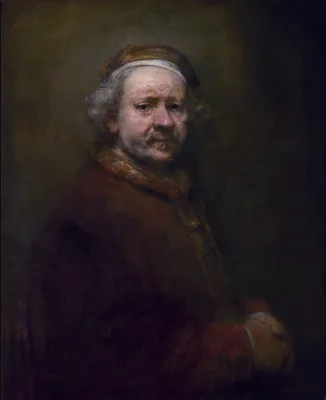
Johannes Vermeer (1632–1675) transformed light and stillness into some of the most enigmatic images of the Dutch Golden Age. Rembrandt (1606–1669) brought unprecedented psychological intensity to portraiture and narrative painting, while Frans Hals (c. 1582–1666) revolutionised portraiture through loose, seemingly spontaneous brushwork. Together with artists including Ruisdael, Steen and De Hooch, they helped make 17th-century Dutch painting one of art history’s great periods.
Worth travelling for?
The number of works may be modest, but their calibre is exceptional. The Spanish State guarantee alone covers the 25 Mauritshuis loans at €378.8 million, which gives some sense of how extraordinary this temporary concentration is.
The reason to go is not “25 Dutch paintings.” It is the chance to see Vermeer, Rembrandt, Hals and an entire Golden Age transported from one great collection into another — for three months only.
Mauritshuis ♥ Thyssen-Bornemisza Masterpieces from The Hague
Hours & rating from Google