At a glance
Power was woven as much as painted: silks, embroideries and ceremonial textiles reveal how the Spanish court dressed its rooms, rituals and private life.
Why go
You'll see
Pace of visit
Don't miss

Artlovers Tip
Look at the textiles as architecture. A canopy, bed hanging or embroidered wall covering could completely transform a royal room and communicate hierarchy before anyone in it said a word.
And get close to the technique. These objects are easy to read simply as “beautiful old fabrics,” but the real fascination lies in how much labour, skill and material value is concentrated in every centimetre.
Inside the exhibition
Medium
Description
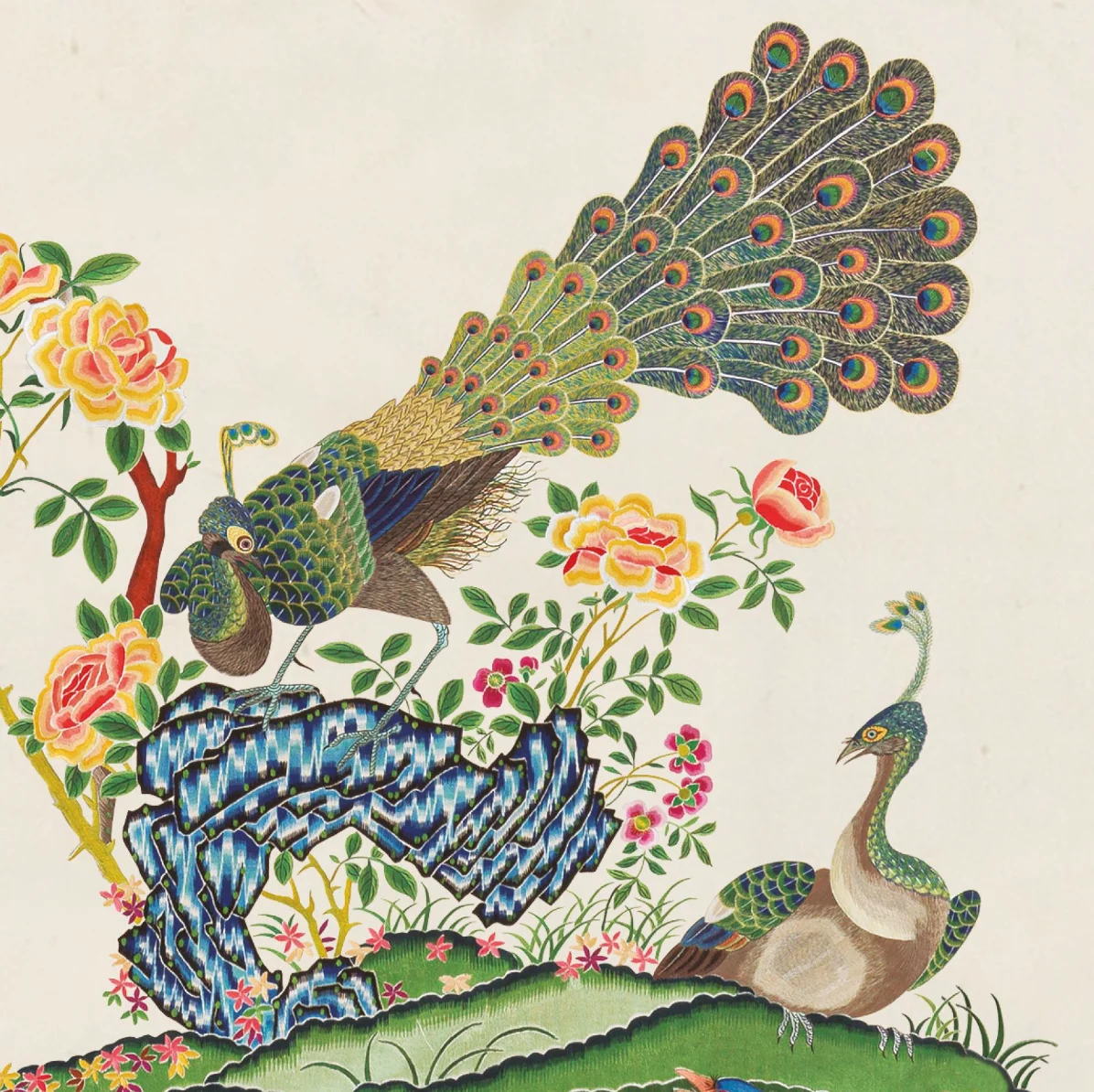
Tejiendo la vida cortesana explores the Spanish court through materials that rarely survive as well as paintings or furniture: textiles, embroidery, lace and decorative trimmings. Patrimonio Nacional preserves exceptional ensembles commissioned by or made for Spanish monarchs, and this exhibition brings many of them out of storage for the first time. Their fragility alone makes the display unusual, especially for pieces dating from before the 18th century.
The exhibition moves between the public and private worlds of monarchy. Rich fabrics helped create the splendour of ceremonial rooms, but they also covered beds, furnished intimate apartments and shaped the physical experience of palace life. In this sense, textiles were part of the architecture of power: mobile, expensive and capable of transforming an interior almost instantly.
It also looks behind the finished objects to the palace trades and workshops responsible for making, maintaining, storing and managing them. That practical dimension is important: these works were not simply luxury objects but part of a huge system of court production, conservation and representation.
Tejiendo la vida cortesana — Tejidos y bordados de las Colecciones Reales
Hours & rating from Google