At a glance
A deep dive into the unsettling psychological portraits and spiritual leadership of the man who bridged the gap between Barcelona's pre-war and post-war avant-garde.
Why go
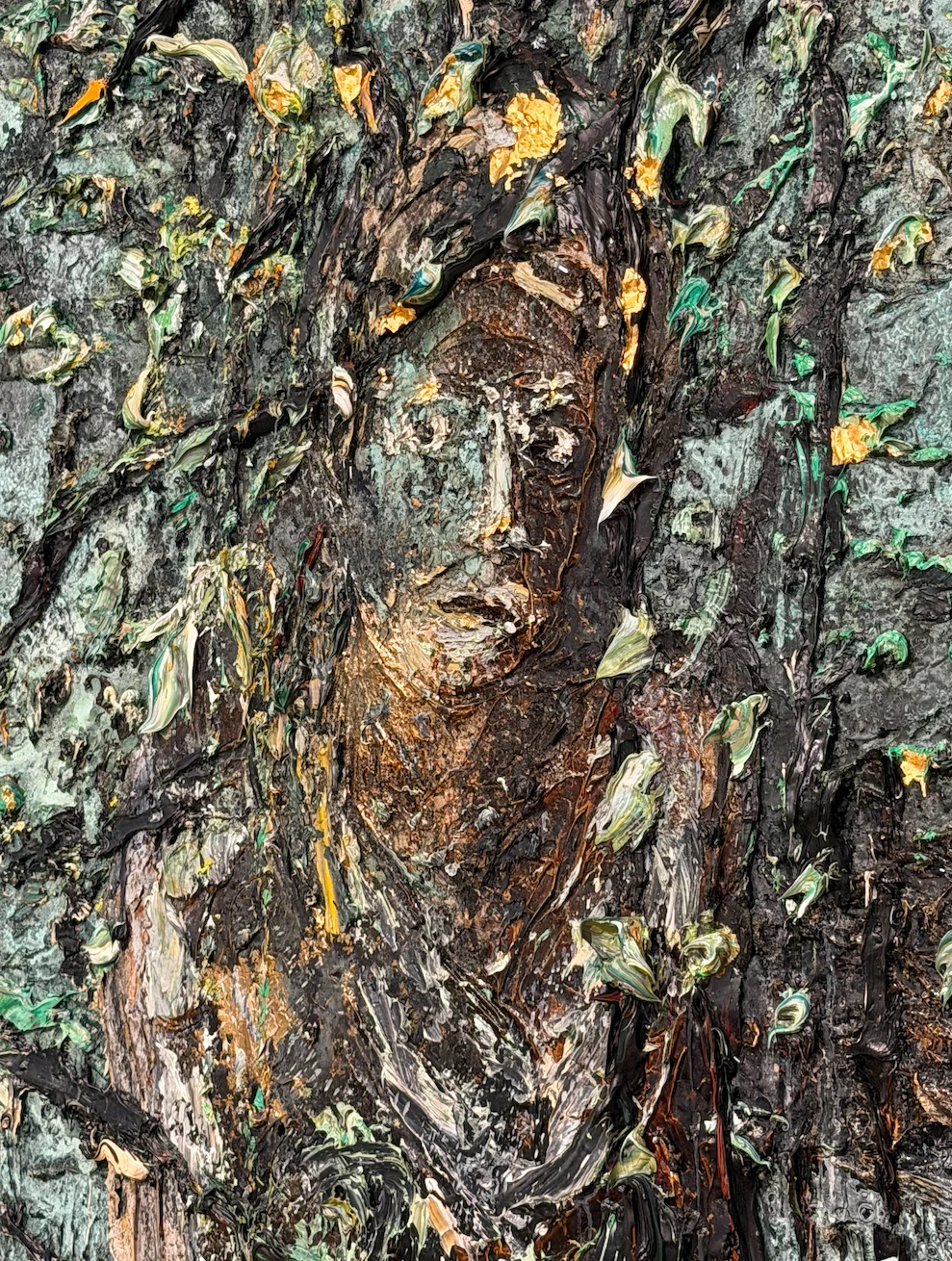
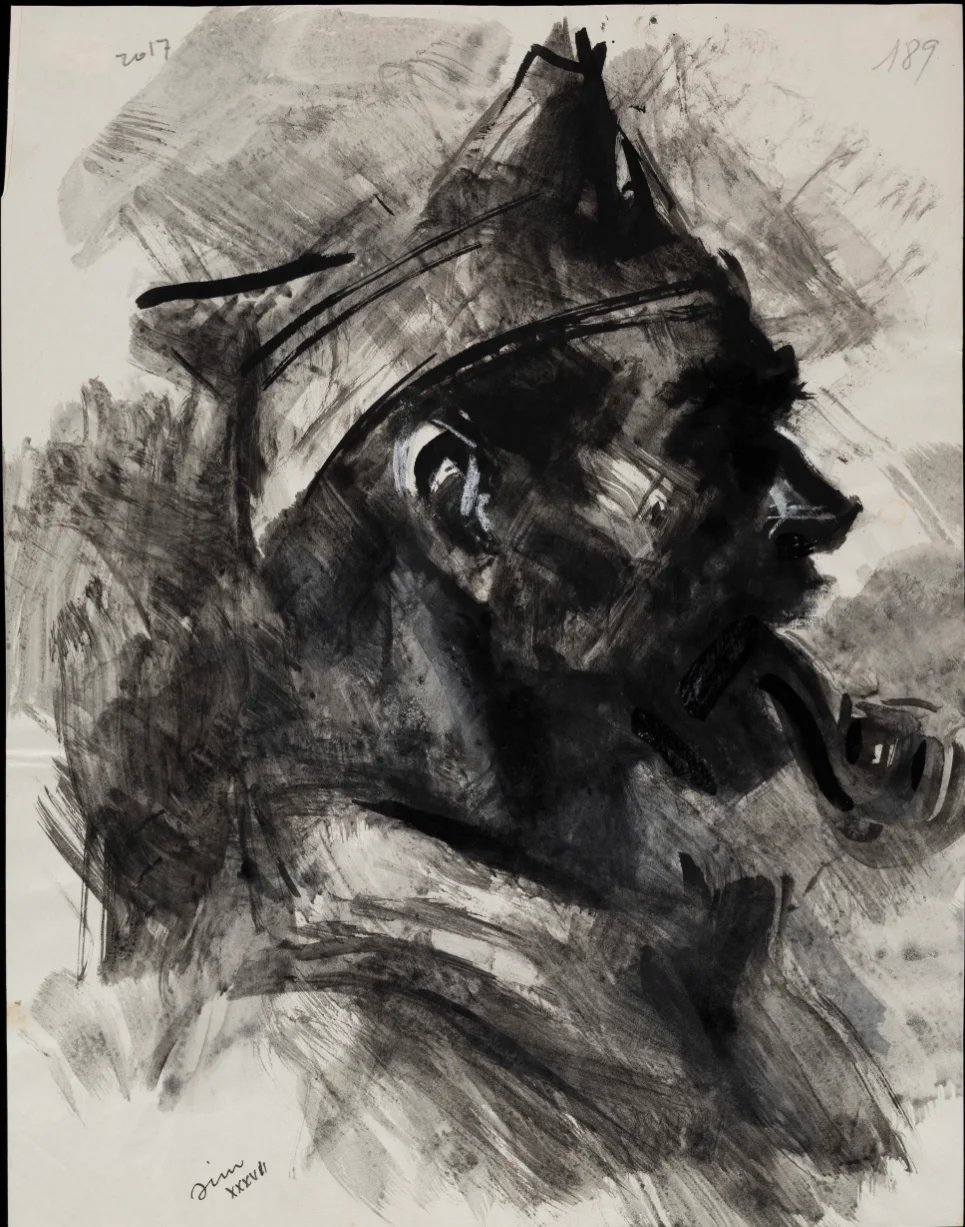
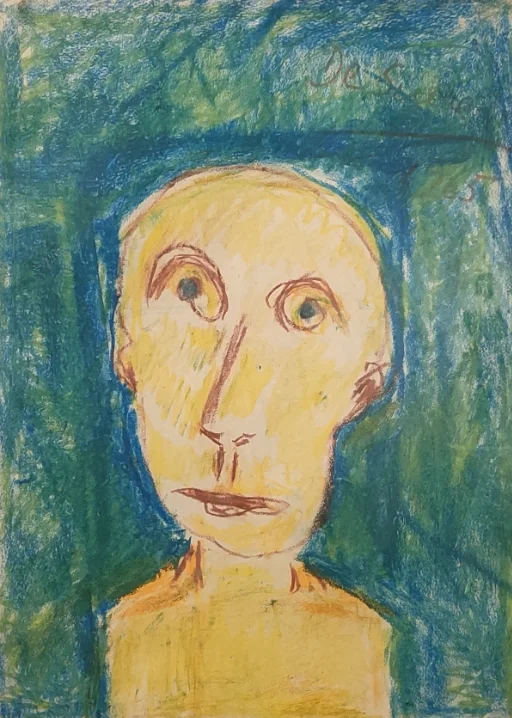
This retrospective positions Sucre as a spiritual patron of a lost generation, showing his haunting wax-on-paper faces alongside works by thirty artists he mentored during the bleak post-war years.
You'll see
Psychological portraits and masks · Wax-on-paper techniques · Works by 30 post-war Catalan artists · Archival literary documents
Pace of visit
The inclusion of works by thirty additional artists and archival documents invites a slower, more contextual pace.
Don't miss
The 1949 work Tête chromatique, which exemplifies his ability to merge primitive intensity with modern psychological depth through wax.

Artlovers Tip
Pay close attention to the texture of the wax portraits; Sucre’s unique handling of the medium gives the paper a dense, almost sculptural quality that photography fails to capture.
Inside the exhibition
Meet the artist
Description
Josep Maria de Sucre, activist and visionary artist at Espais Volart in Barcelona, Spain, explores the multifaceted life of a painter, poet, and critic who defined the city's mid-century cultural landscape. The exhibition examines Sucre's role as a vital link between the interrupted avant-garde of the 1930s and the emerging creators who rebuilt Catalonia's art scene after the Civil War.
The display centers on Sucre's signature psychological portraits—intense, mask-like faces rendered with a depth that prefigures later neo-expressionist movements. Alongside these introspective works, the gallery brings together pieces by thirty fellow artists, highlighting the spiritual patronage Sucre provided to a generation struggling to reconnect with international trends and the cosmopolitan modernity of Paris.
By showcasing Sucre’s peculiar wax-on-paper technique and his literary influence, the show offers a new reading of the transition from Noucentisme to the modern era. It highlights how his Salon de Octubre and Cercle Maillol activism provided the scaffolding for an artistic community that had been nearly erased by political conflict and isolation.
Worth travelling for?
A rewarding, historically grounded visit for those looking to understand the hidden spiritual roots of modern Catalan art beyond the most famous names.
Experience as an Artlover
The exhibition is open Tuesday to Saturday from 11:00 to 14:00 and 16:30 to 20:00, and Sundays from 11:00 to 14:00. General admission is 12 euros, and prior booking is recommended for guided tours via the foundation's website.
Josep Maria de Sucre, activist and visionary artist
Artlovers relevance
Plan your visit
Hours & rating from Google