At a glance
A thousand years of Catalan art beneath one palace roof—and Romanesque murals worth travelling to Barcelona for.
Why go
The MNAC provides the most complete journey through Catalan art, from medieval churches in the Pyrenees to the cosmopolitan culture of Barcelona around 1900.
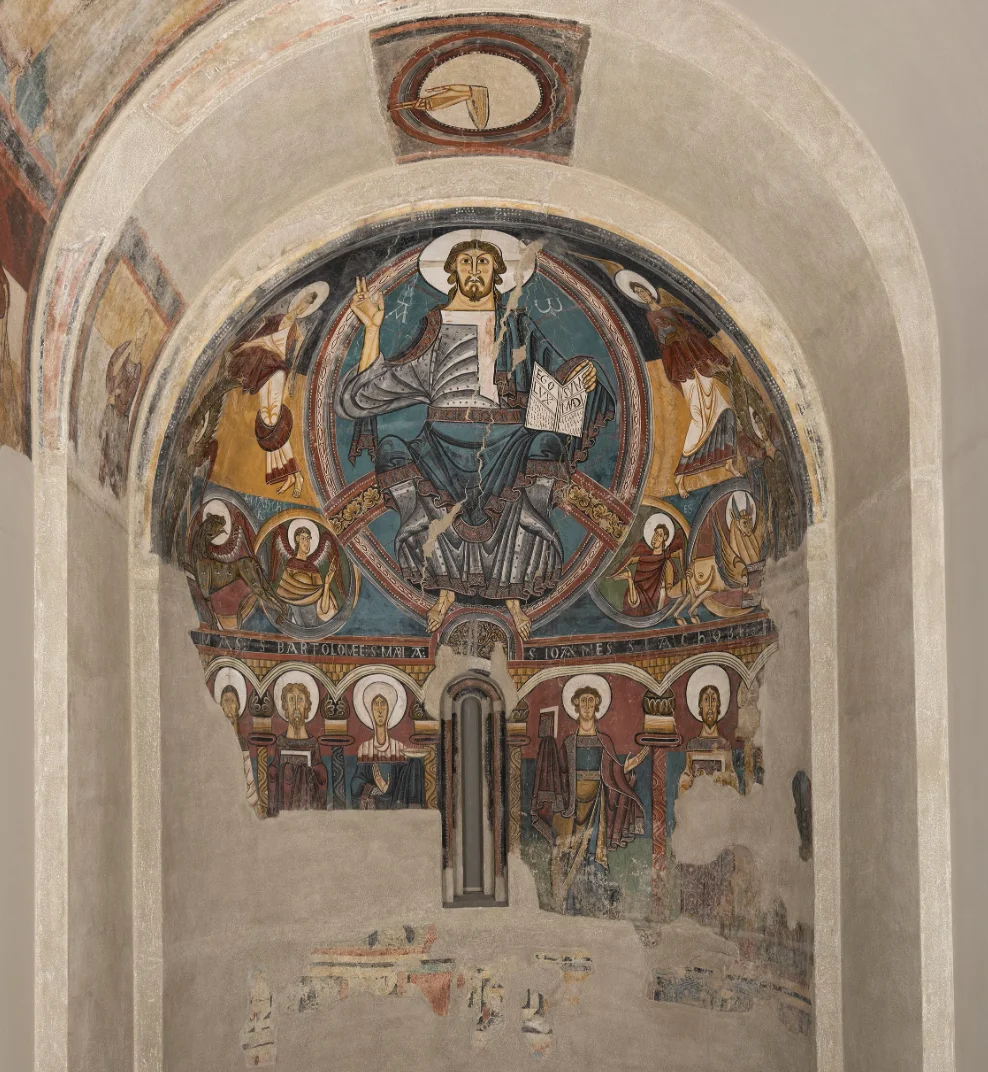
Its decisive attraction is the Romanesque collection: an extraordinary ensemble of mural paintings removed from remote churches during the early 20th century and reconstructed inside architectural settings evoking their original apses. The museum describes its holdings as the largest and oldest collection of Romanesque panel painting in Europe.
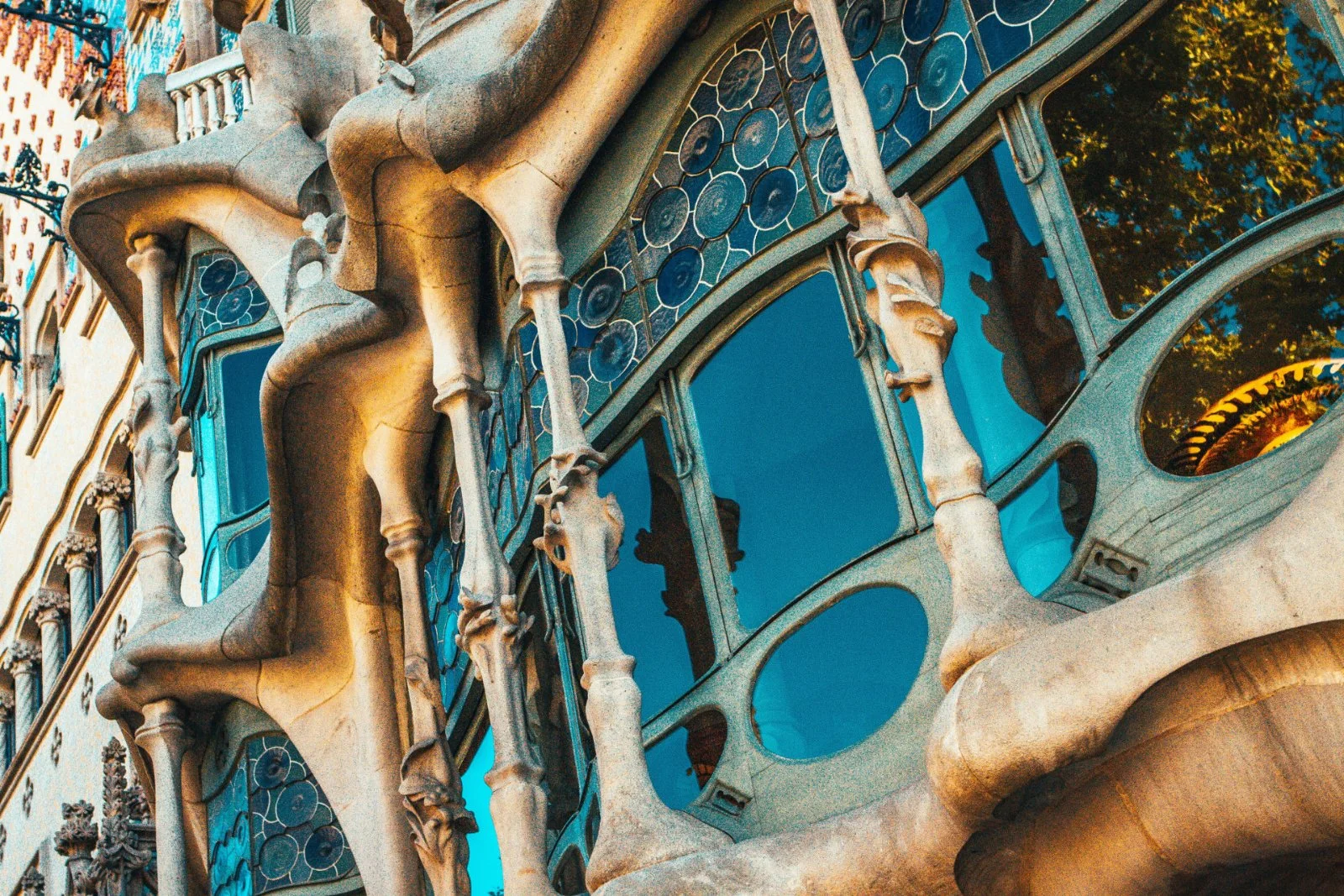
The second great reason to visit is Catalan Modernisme. Paintings, sculpture, furniture, posters and decorative arts reveal that the movement extended far beyond Gaudí’s architecture.
You'll see
The collection covers around one thousand years of art and is divided into several major areas:
- Romanesque art: monumental church murals, painted altar frontals, wooden crucifixes and devotional sculpture from the 11th to 13th centuries.
- Gothic art: altarpieces, sculpture and liturgical objects by figures including Bernat Martorell, Lluís Dalmau and Jaume Huguet.
- Renaissance and Baroque: Catalan, Spanish and European painting, with works by Fra Angelico, Cranach, Titian, Velázquez and Zurbarán.
- Modern art: Neoclassicism through the avant-garde, with Marià Fortuny, Ramon Casas, Santiago Rusiñol, Antoni Gaudí, Isidre Nonell, Picasso, Miró, Dalí and Juli González.
- Decorative arts and design: Modernista furniture, interiors, jewellery and objects that connect painting with the lived environment.
- Photography, drawings, posters and coins: collections that broaden the story beyond traditional painting and sculpture.
The modern galleries deliberately mix artistic disciplines rather than presenting a simple succession of movements, placing paintings beside furniture, architecture, photography, cinema and graphic design.
Pace of visit
For a shorter visit, allow 90 minutes and concentrate on:
- Romanesque art
- A small selection of Gothic masterpieces
- Modernisme and the modern collection
Don't miss
Central Apse of Sant Climent de Taüll, around 1123: the museum’s defining masterpiece, dominated by the monumental figure of Christ in Majesty.
Majestat Batlló, mid-12th century: a polychrome wooden crucifix presenting Christ as triumphant rather than suffering.
Frontal of Avià, around 1200: a vivid demonstration of Romanesque colour, rhythm and storytelling.
Lluís Dalmau, The Virgin of the Councillors, 1443–1445: Flemish realism adapted to a prestigious Catalan civic commission.
Diego Velázquez, Saint Paul, around 1619: an austere early painting whose physical presence contrasts with the surrounding devotional imagery.
Marià Fortuny, The Spanish Wedding, 1870: dazzling technique, social observation and tiny narrative details.
Ramon Casas, Ramon Casas and Pere Romeu in an Automobile, 1901: Barcelona’s modern confidence expressed with the immediacy of a poster.
Antoni Gaudí, two-seat sofa from Casa Batlló, around 1904–1906: furniture treated as ergonomic sculpture.
Josep Llimona, Desolation, 1907: one of the most emotionally affecting sculptures of Catalan Modernisme.

Artlovers Tip
Go directly to the Romanesque galleries while your attention is fresh. Stand in the centre of each reconstructed church space and look at the complete ensemble before approaching individual details.
Then move to the modern collection rather than trying to examine every Gothic and Baroque room. This creates a powerful contrast between medieval Catalonia and the modern Barcelona of Casas, Rusiñol and Gaudí.
Finish at the rooftop viewpoint. The relationship between the palace, Montjuïc and the city is part of the experience—not merely an extra photograph at the end.
Inside the exhibition
The MNAC collection traces Catalan visual culture from the 11th century to the middle of the 20th century while placing it in conversation with wider European developments.
Its Romanesque murals were originally created for churches across the Catalan Pyrenees. Between 1919 and 1923, many were carefully detached using the strappo technique and transferred to Barcelona, partly to prevent their sale and dispersal abroad. Their presentation in recreated apses preserves something of their architectural function while inevitably transforming sacred environments into museum objects.
The Gothic galleries introduce the first major named figures in Catalan art, particularly Lluís Borrassà, Bernat Martorell, Lluís Dalmau and Jaume Huguet. Altarpieces dominate, revealing a world in which storytelling, religious instruction, civic prestige and material luxury were inseparable.
The Renaissance and Baroque section expands the narrative through Spanish and European masters, while the modern collection follows the transformation of Catalan society from the 19th century to the Spanish Civil War and post-war avant-garde. It moves across painting, sculpture, photography, advertising, cinema, architecture and interior design rather than treating the fine arts as an isolated field.
The collection is housed in the Palau Nacional, constructed for the 1929 Barcelona International Exposition. Its monumental staircases, central dome and enormous Oval Hall make the building part of the visit.
The present Museu Nacional d’Art de Catalunya was progressively installed during the 1990s, with the Romanesque galleries opening in 1995, the Gothic section in 1997 and the completed museum in 2004.
The Collection
Permanent
Admission
Artlovers relevance
On view at
MuseumHours & rating from Google