The Cult of Beauty
CCCB Centre de Cultura Contemporània de Barcelona
Art Installation...
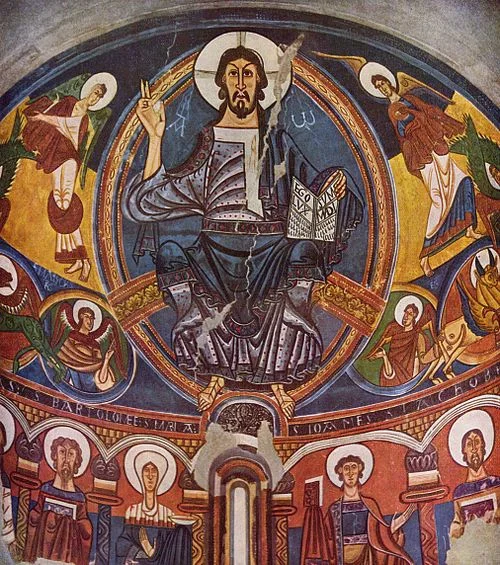
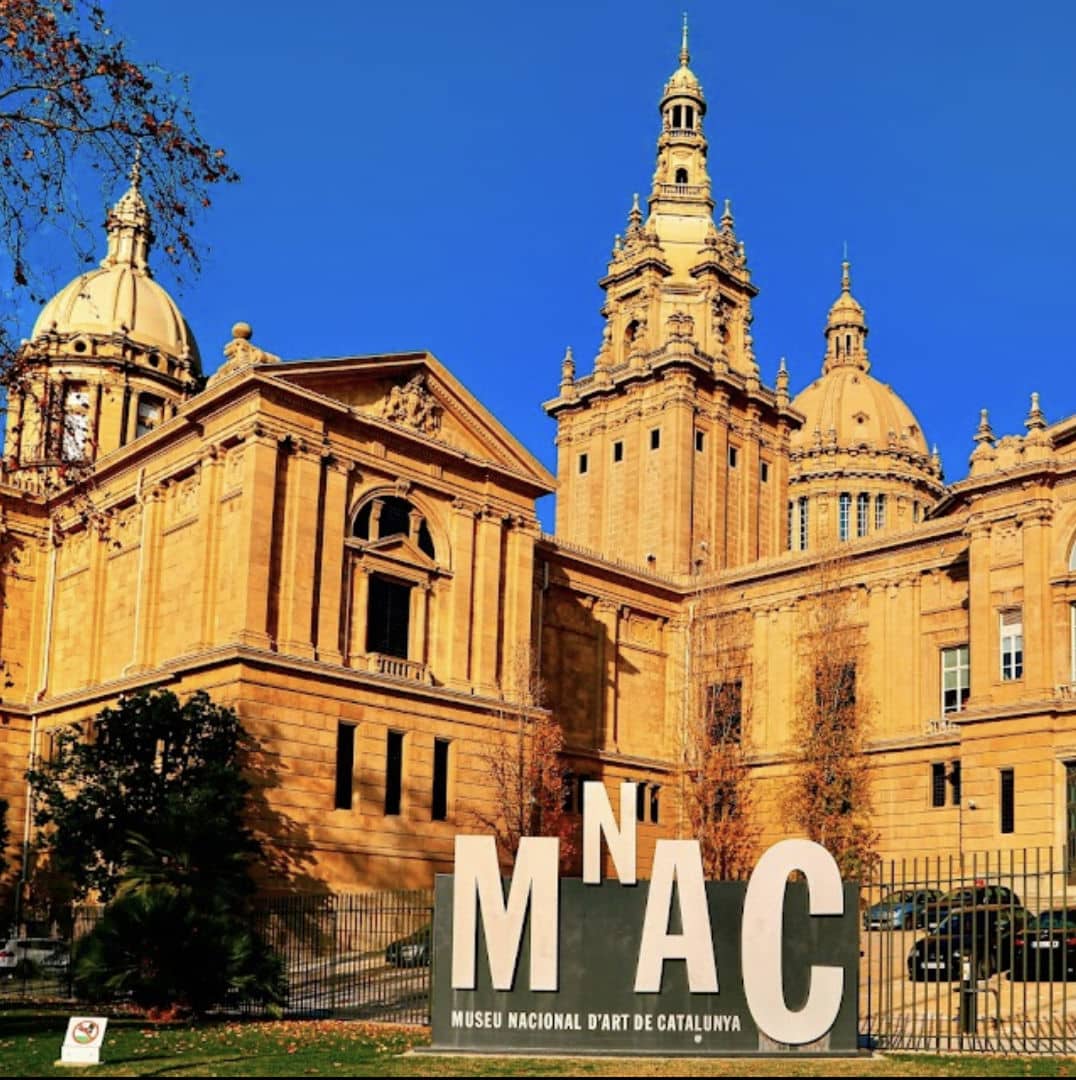
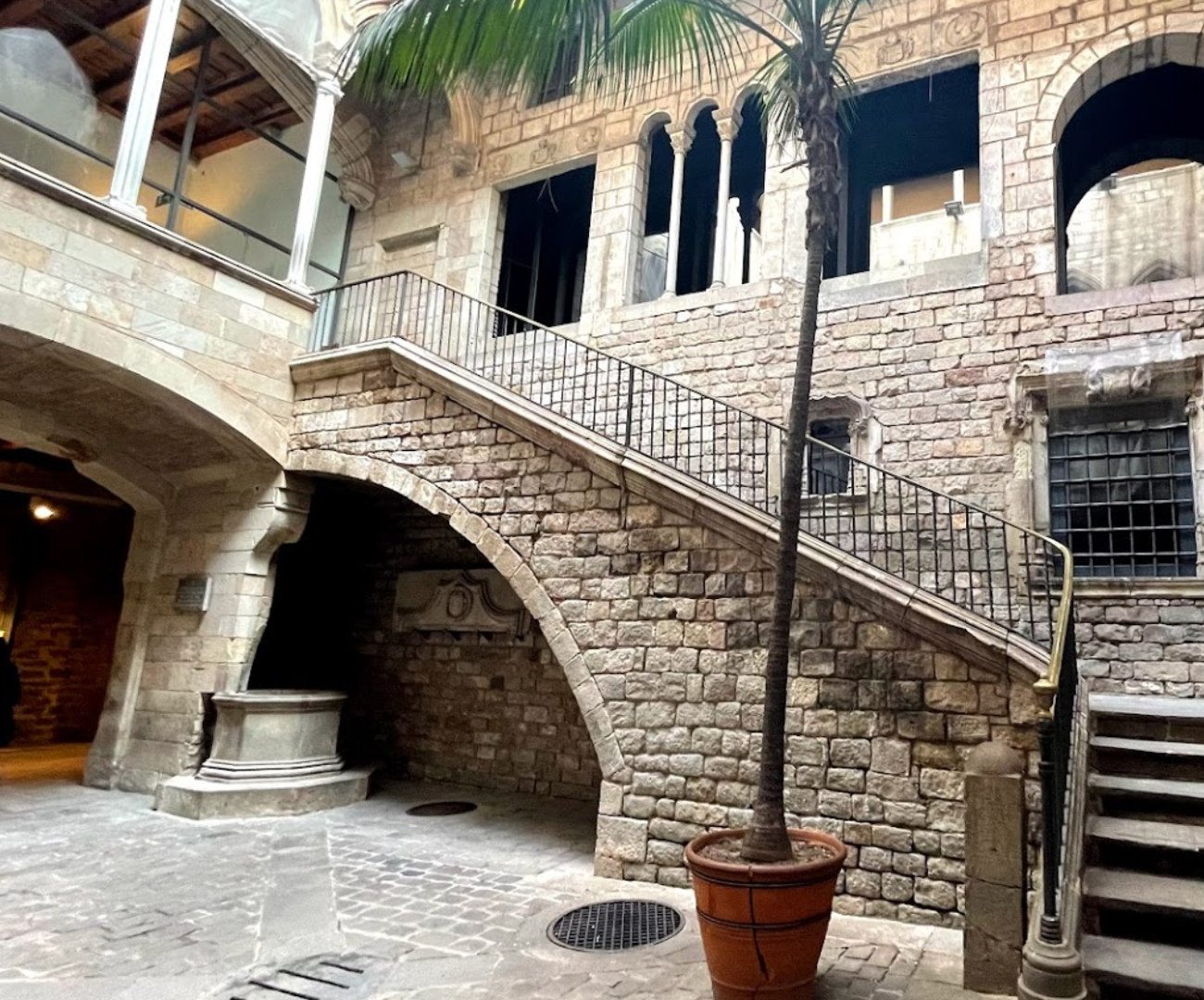
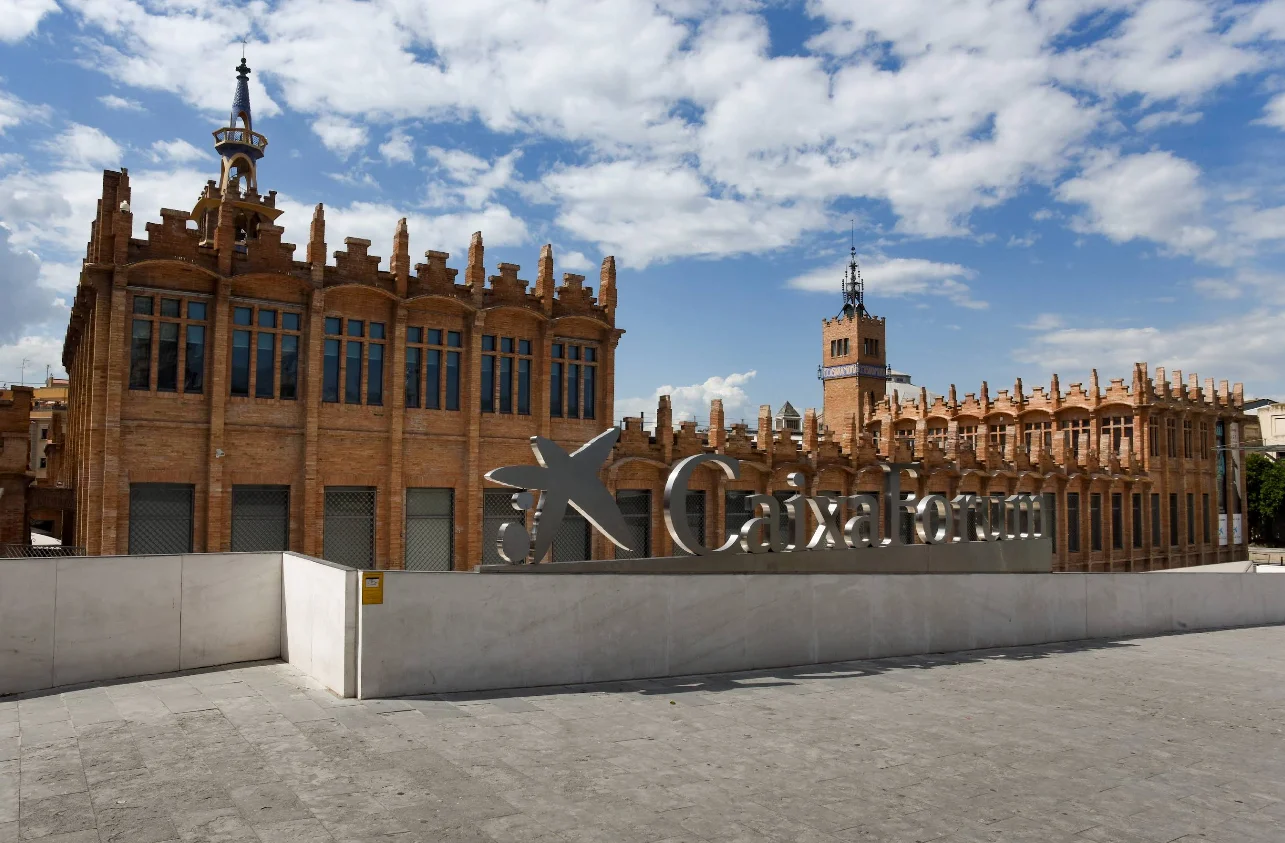
Barcelona is an art destination in Spain with 22+ museums and galleries — including National Art Museum of Catalonia (MNAC), Picasso Museum of Barcelona and CaixaForum Barcelona — and 16 exhibitions currently on view.
Barcelona is a city where art becomes architecture, light, and street life — from Gaudí's Modernisme to Picasso, Miró, the MACBA, and a contemporary scene that keeps the city restless.
What makes it a destination for art lovers
Barcelona is worth the trip because it offers a very unusual mix: world-class architecture, top-tier museums, Mediterranean energy, and a solid contemporary culture. Few cities allow you to transition so naturally from Gaudí’s buildings to the Picasso Museum, from Miró on Montjuïc to the MACBA in El Raval, from Romanesque art at the MNAC to emerging galleries in Poblenou.
Its artistic identity is not just inside museums. It is in the façades, the tiles, the markets, the studios, the design shops, the bookstores, the squares, and the neighborhoods. Barcelona's Modernist route is especially important: the city’s official tourism site describes Barcelona as the European city where Art Nouveau architecture has the greatest presence in the city's personality and urban image.
Worth the trip if you like:
Gaudí · Modernisme · Picasso · Miró · architecture · design · contemporary art · photography · Mediterranean urban life · high-energy galleries.
Art in Barcelona
Barcelona is significant because it changed the way a city can be seen. Its artistic identity is inseparable from Modernisme, the Catalan version of Art Nouveau, and from the extraordinary architectural imagination of Antoni Gaudí, Lluís Domènech i Montaner, and Josep Puig i Cadafalch. In Barcelona, art is not just something you enter; it is something you walk through, look up at, touch with your eyes, and suddenly understand as part of everyday life.
The city's great artistic journey usually begins with its architecture: Sagrada Família, Casa Batlló, La Pedrera, Casa Vicens, Park Güell, and the Palau de la Música Catalana. They are not just monuments. They are arguments for beauty, craftsmanship, nature, faith, color, and radical imagination. The official Barcelona Modernisme Route highlights the work of Gaudí and other modernist landmarks in the city, including buildings recognized as UNESCO World Heritage sites.
But Barcelona is not just Gaudí. In the Museu Picasso, the city reveals its role in Picasso's formation: the museum houses more than 4,000 works and is especially powerful for understanding his early years and his connection to Barcelona. The Fundació Joan Miró, on Montjuïc, offers another essential encounter: color, symbols, freedom, and Mediterranean imagination transformed into modern art.
The MNAC provides greater historical depth, especially through Catalan Romanesque and Gothic art, while the MACBA gives Barcelona its sharpest contemporary edge in El Raval. Together with the CCCB, the Fundació Antoni Tàpies, CaixaForum, design shops, art bookstores, and independent spaces, the city becomes a layered cultural map. The Articket BCN pass connects six major museums—CCCB, MACBA, MNAC, Fundació Antoni Tàpies, Fundació Joan Miró, and Museu Picasso—making it especially easy to experience Barcelona as a museum city.
Then there is the contemporary scene: galleries, fairs, artist-run spaces, and creative districts like Poblenou, where industrial memory meets design, studios, and new cultural energy. Barcelona is polished and chaotic, historical and young, touristy and yet deeply creative.
For art travelers, Barcelona is not a city to be consumed quickly. It is a city to be read slowly: façade by façade, museum by museum, neighborhood by neighborhood.
When to travel to Barcelona for art lovers
April – June · September – October
Keep exploring
Art Districts