Venice Biennale 2026: When Art Becomes a Moral Question
The 61st Venice Biennale, titled In Minor Keys, was conceived by curator Koyo Kouoh before her death in 2025. It opened on May 9, 2026, and runs until November 22, 2026. The Biennale decided to keep her project as a tribute to her vision: a more intimate, sensory exhibition focused on listening to “minor frequencies” in contrast to the noise of the world.
Summary of the controversy
The main controversy has not been only artistic, but geopolitical. The international jury resigned collectively just days before the opening, after a dispute over the participation of countries such as Russia and Israel, whose governments are under strong international scrutiny due to ongoing conflicts and accusations related to war crimes.
As a result, the Biennale postponed the official prizes until November 22 and introduced a public voting system — the “Visitors’ Lions” — instead of the traditional prize model.
There were also protests against the return of Russia, which had been absent since the invasion of Ukraine, and against the presence of Israel. According to several reports, more than 70 artists withdrew from the awards competition, and the edition opened without the usual sense of ceremonial normality.
At the same time, the United States Pavilion also sparked debate because of its selection process, which some critics perceived as opaque and connected to a more conservative cultural shift under the Trump administration. The chosen artist, Alma Allen, defended his work as non-propagandistic, but the political context shaped the reception of the pavilion.
The most controversial exhibitions / performances
1. Austria — Florentina Holzinger, Seaworld Venice
Probably the most viral and scandalous performance of this edition. It includes nudity, jet skis, suspended bodies, tanks filled with water filtered from urine, and a mix of circus, ritual, ecological critique, and bodily feminism.
It is provocative, but not empty provocation: it speaks about sustainability, female bodies, invisible labor, and the relationship between water, waste, and spectacle.
2. Russia — the return of the Russian Pavilion
The controversy here is not so much about the artwork itself, but about the institutional gesture: allowing Russia to return to the Biennale after years of absence due to the war in Ukraine.
The pavilion was closed to the general public, although it was visible during the preview days. It became a symbol of one of the central questions of this Biennale: can art remain neutral when the world is at war?
3. Israel — a presence under protest
The Israeli Pavilion also became a focus of protests and debates about whether an artist can represent a State in a context of war.
Some voices defended artistic freedom; others argued that national representation cannot be separated from politics.
4. United States — Alma Allen, Call Me the Breeze
The work itself — biomorphic sculptures in wood, stone, and bronze — appears formally calm. The controversy came from the process: institutional changes, criteria linked to “American values,” and criticism over whether the pavilion reflected a cultural agenda.
It is an interesting case because it shows that, in Venice, even an “apolitical” artwork can become political.
5. Eccentric pavilions: Denmark, Luxembourg, Japan, Malta
Among the most talked-about proposals are almost absurd or surreal projects: Denmark with a kind of high-tech sperm bank, Luxembourg with a singing “turd,” Japan with fake babies that visitors must take care of, and Malta with a life-size chocolate Russell Crowe.
More than political scandal, the controversy here is aesthetic: is this deep art, viral spectacle, or a contemporary theme park?
The Venice Biennale 2026 confirms something very Artlovers: art is no longer something we observe silently from outside the world; it happens inside its conflicts.
This edition asks whether museums, pavilions, and biennales can still speak about beauty when the world around them is marked by war, censorship, vulnerable bodies, ecological crisis, and propaganda.
Perhaps that is why In Minor Keys works so well as a title: this is not a Biennale of grand certainties, but one of discomfort, political noise, and small signals.
A Biennale that is not only visited — it is discussed.
Biennale exhibitions
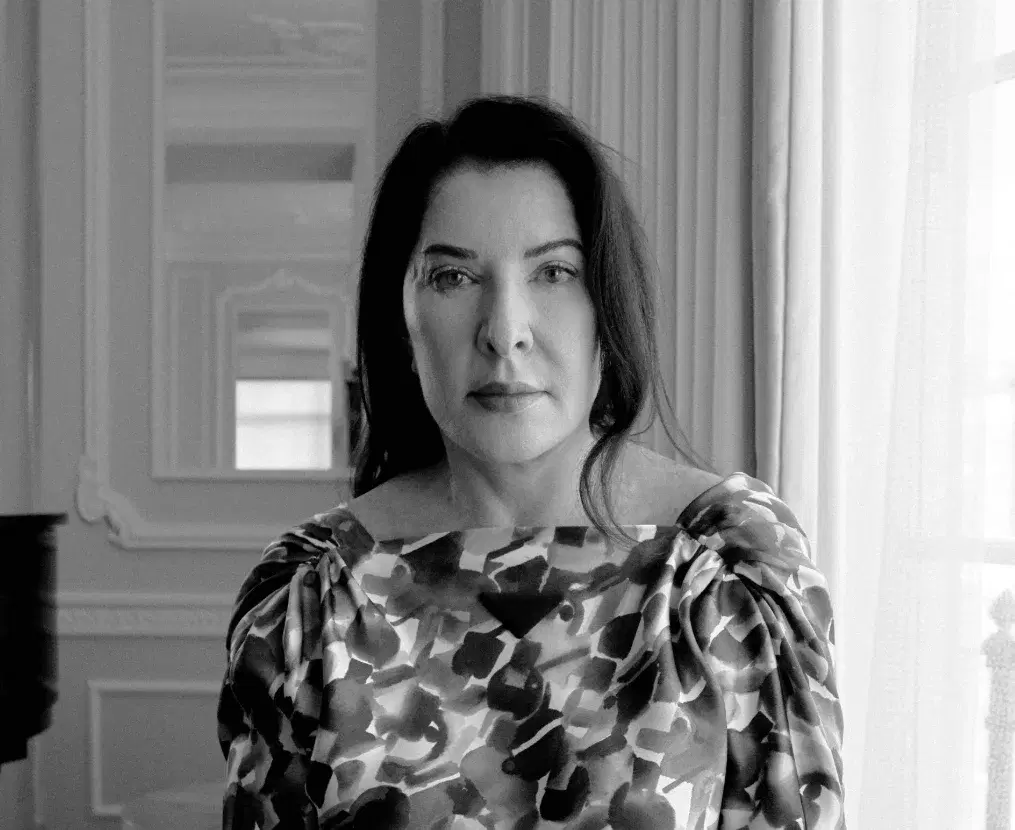
Marina Abramović: Transforming Energy
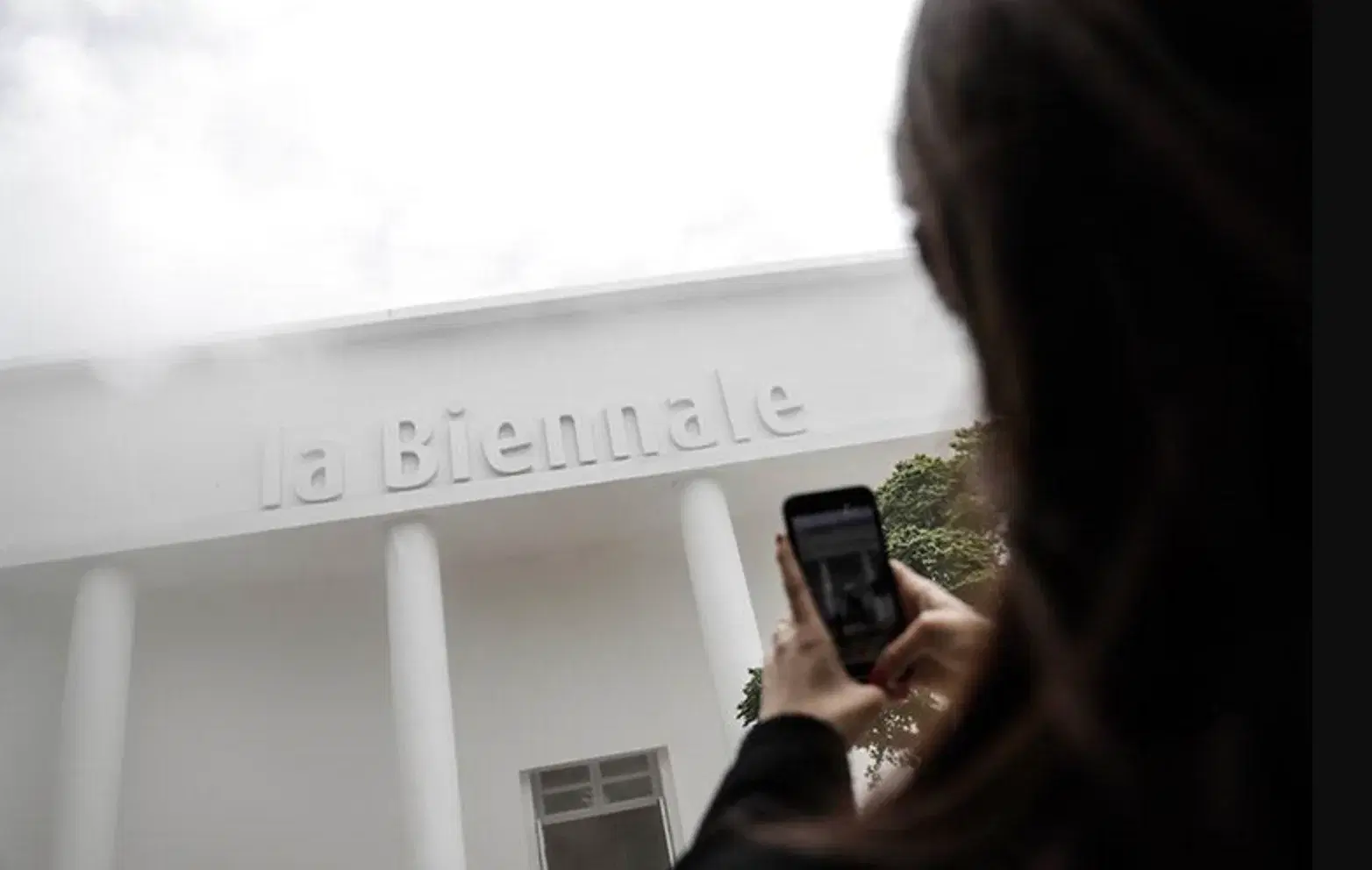
61ª Venice Biennale
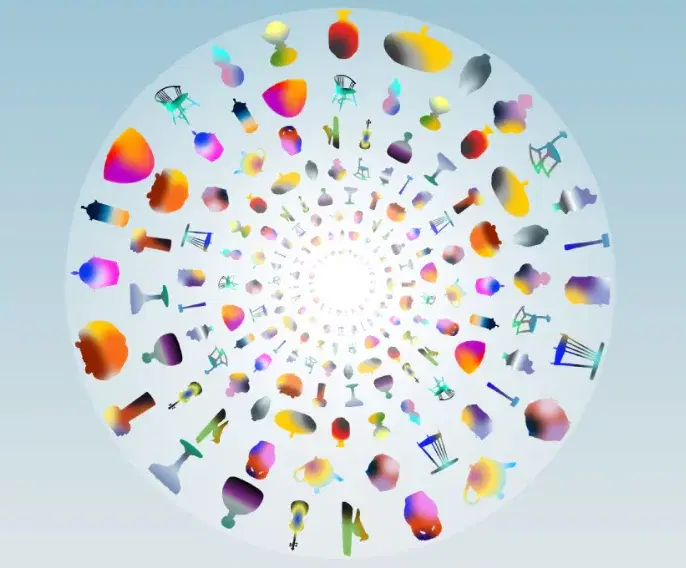
HOMO FABER 2026: AN ISLAND OF LIGHT
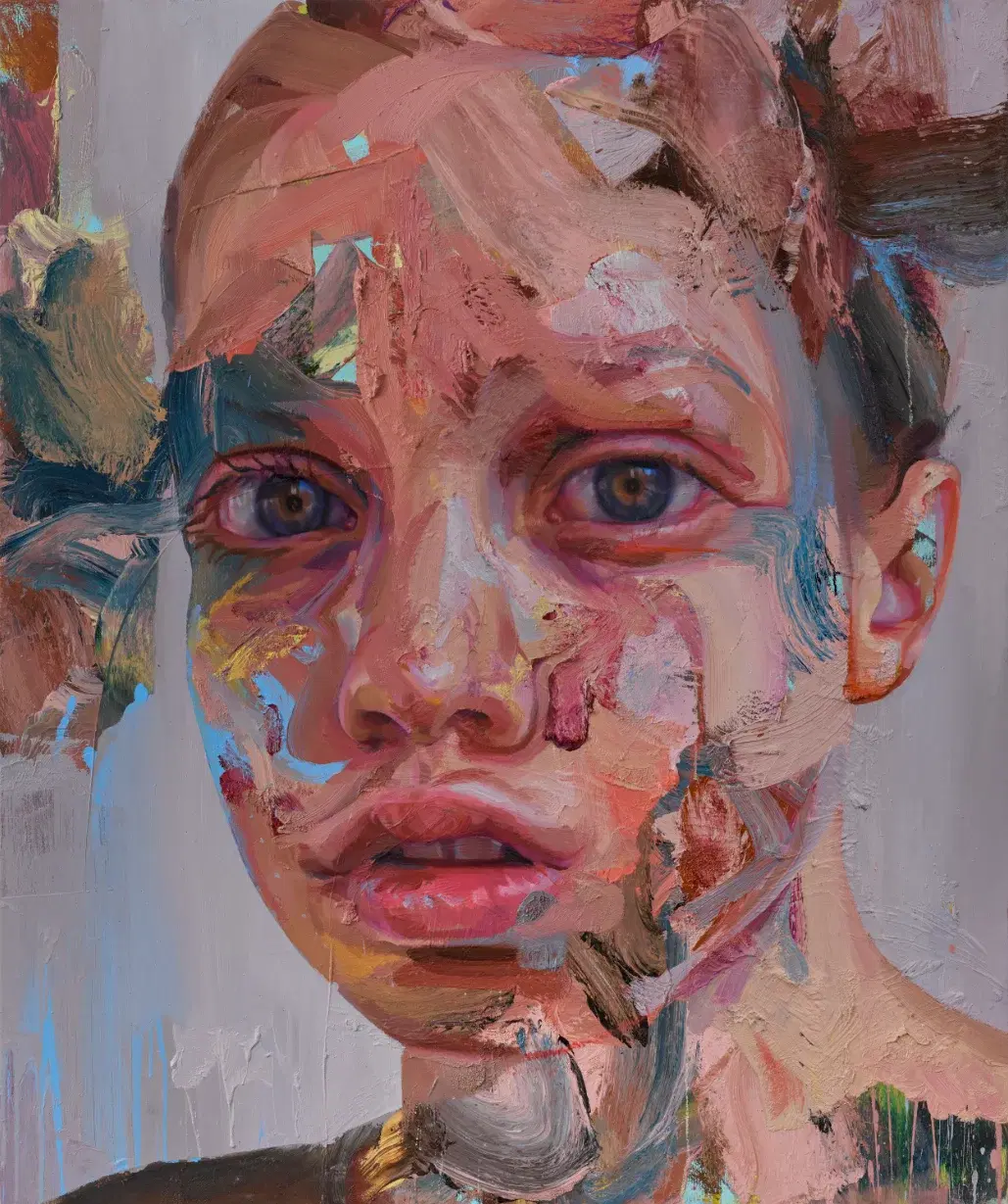
Jenny Saville a Ca' Pesaro
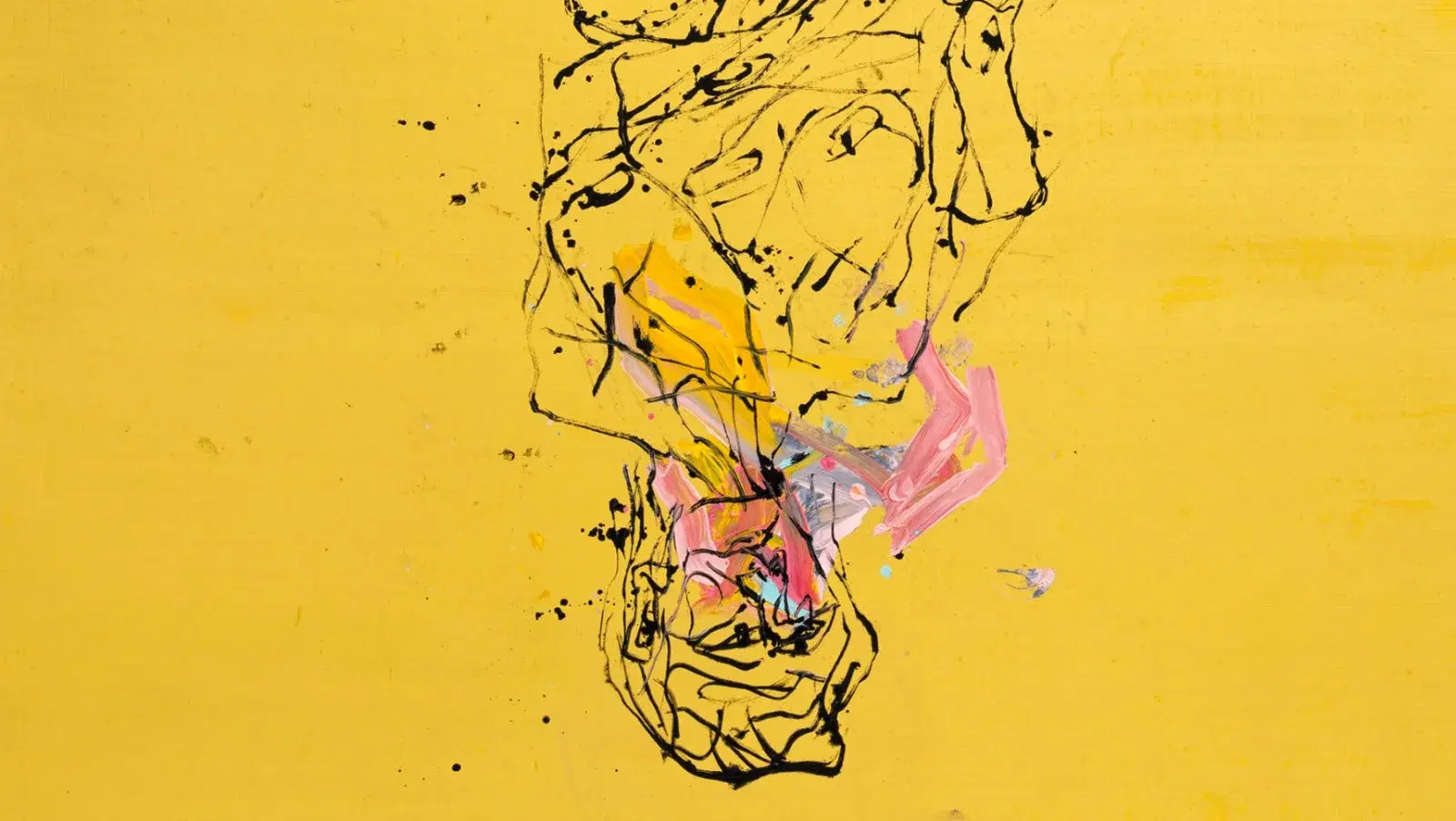
Georg Baselitz. Eroi d’Oro
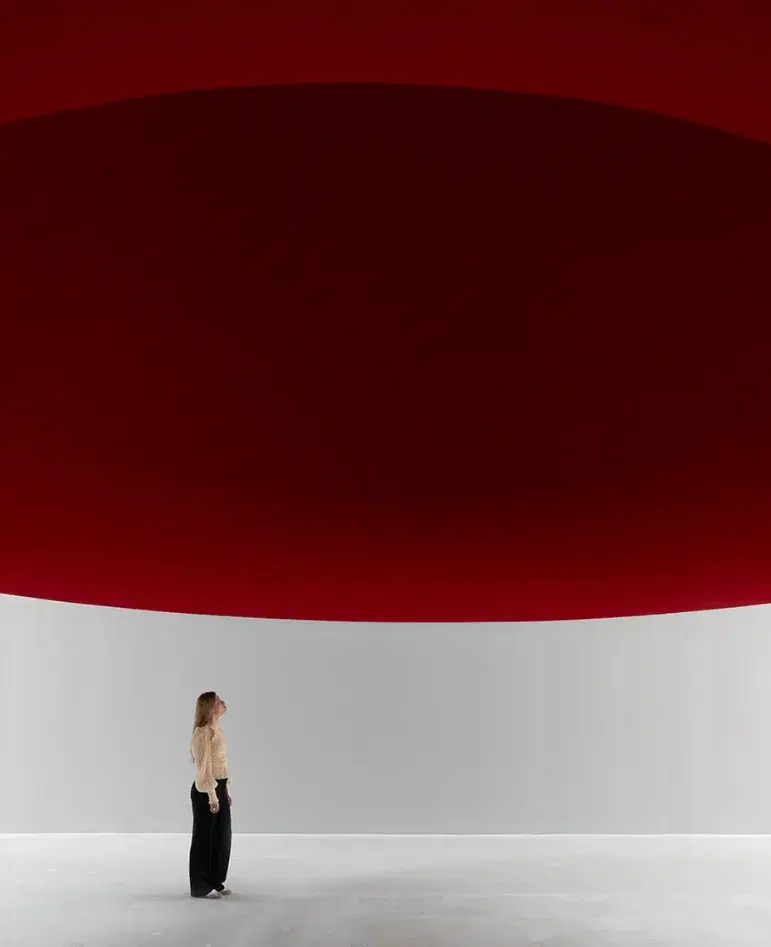
Anish Kapoor: Palazzo Manfrin
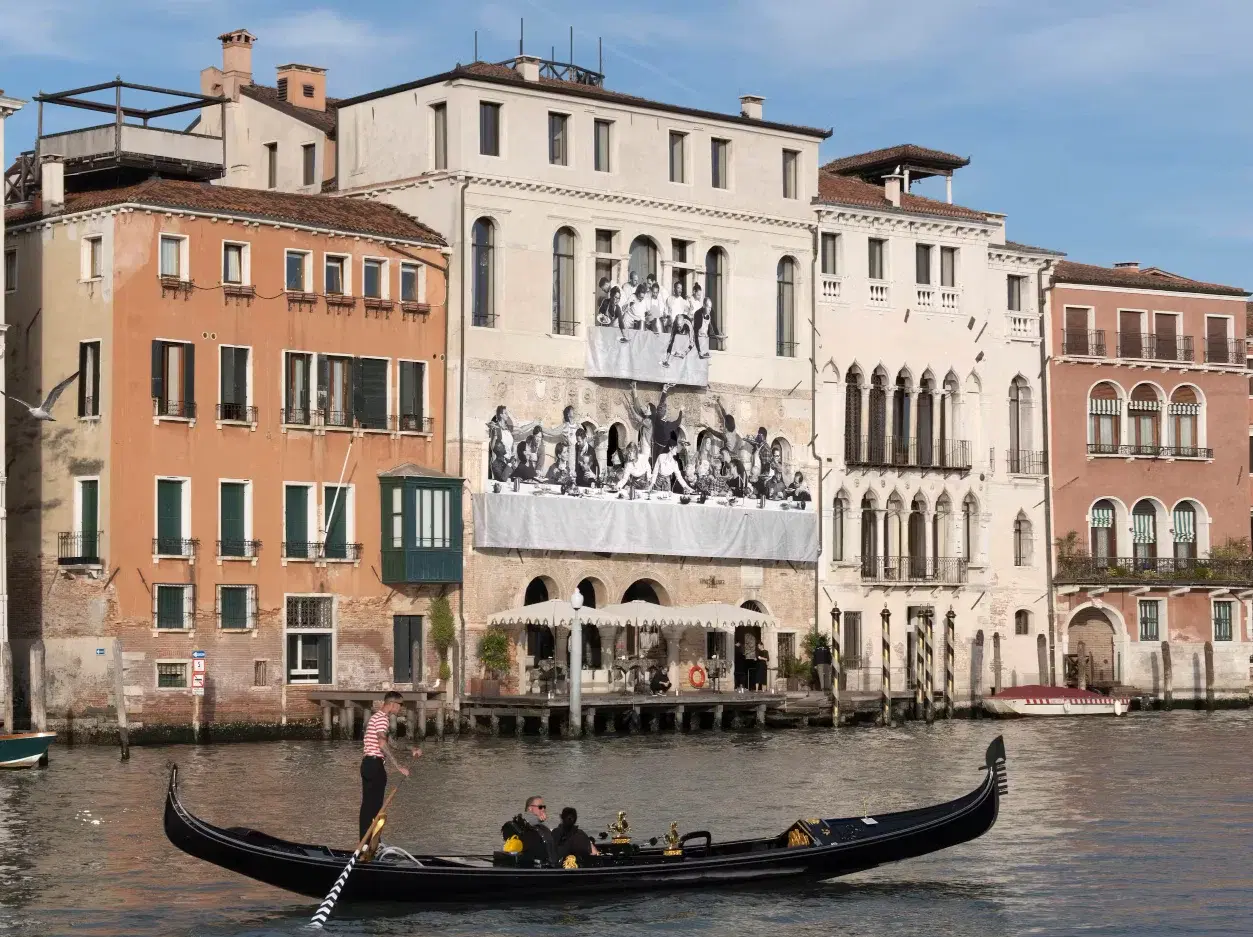
JR, Il Gesto
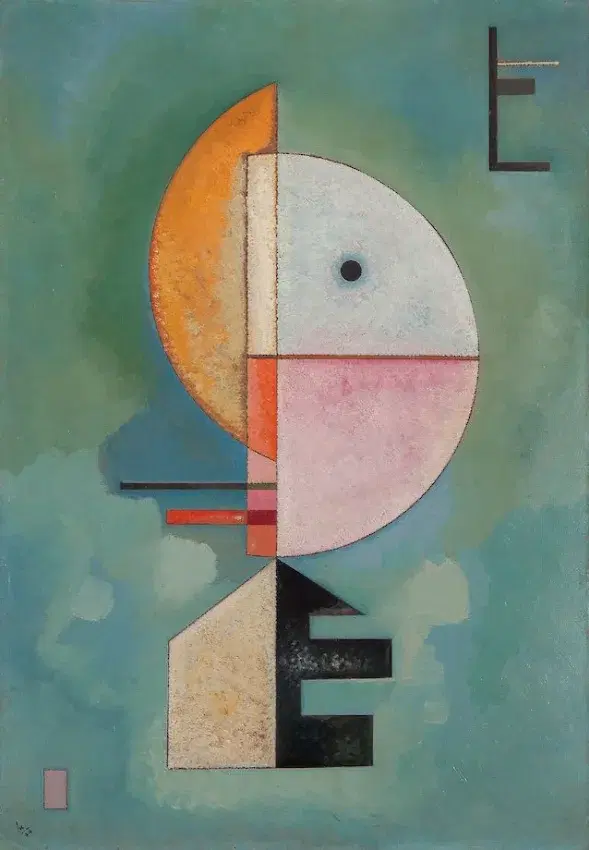
Peggy Guggenheim Collection in Venice
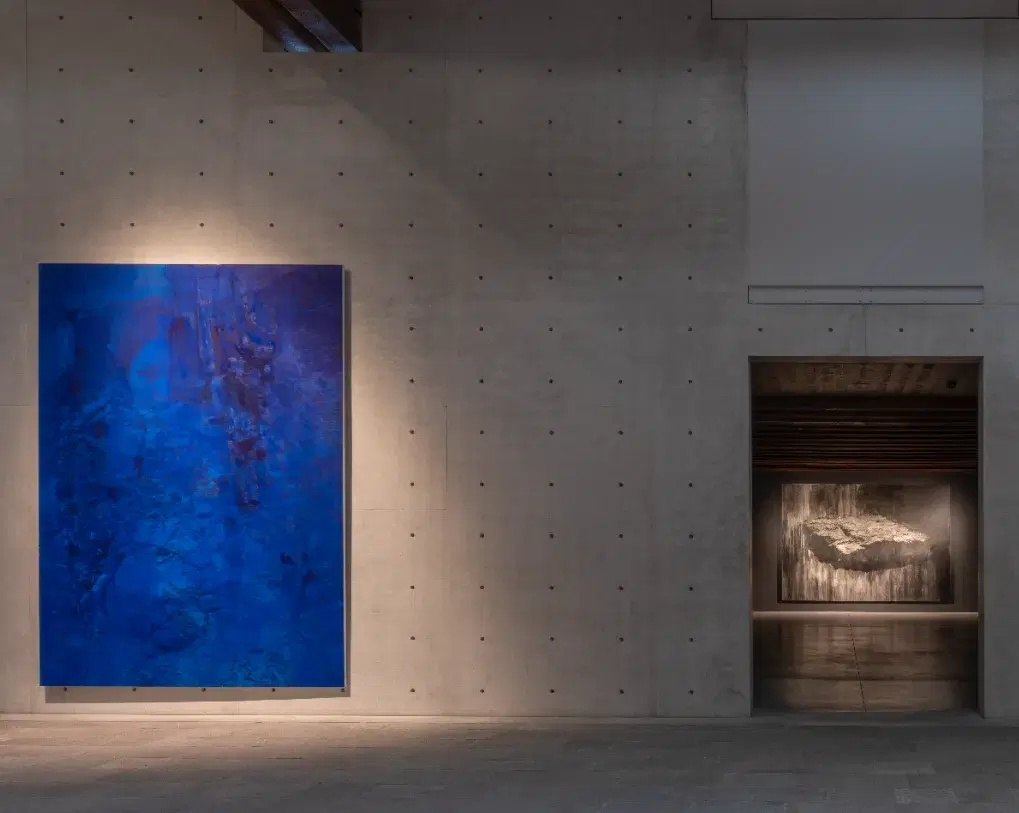
Lorna Simpson
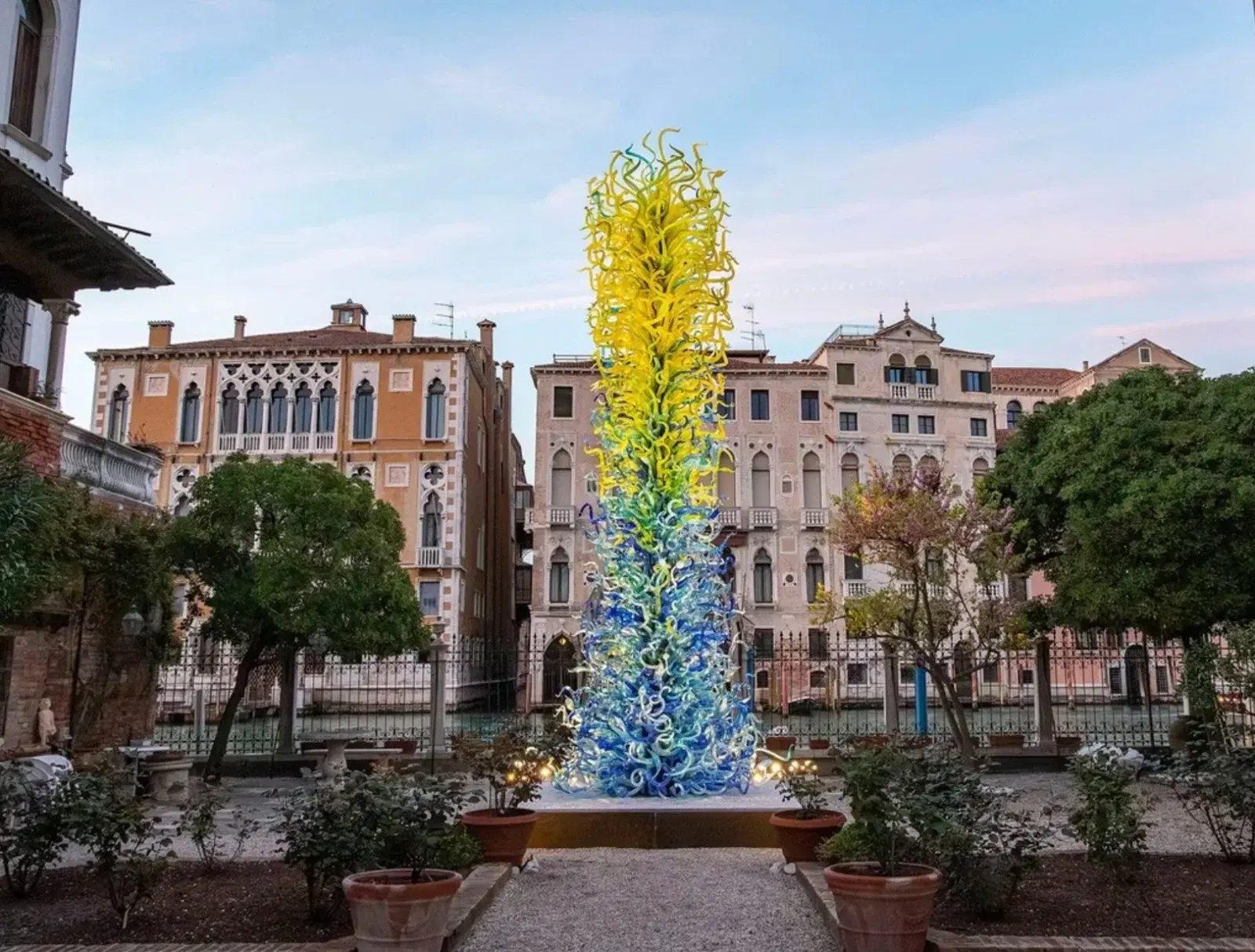
Chihuly: Venice 2026
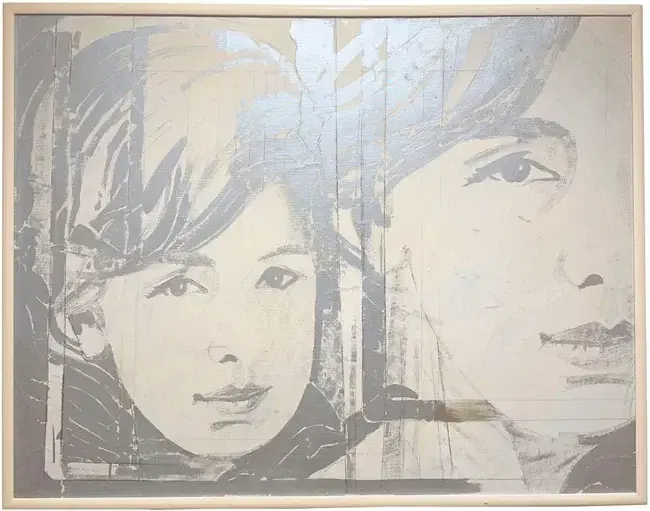
Giosetta Fioroni. : The future came out of the past. Images and words.
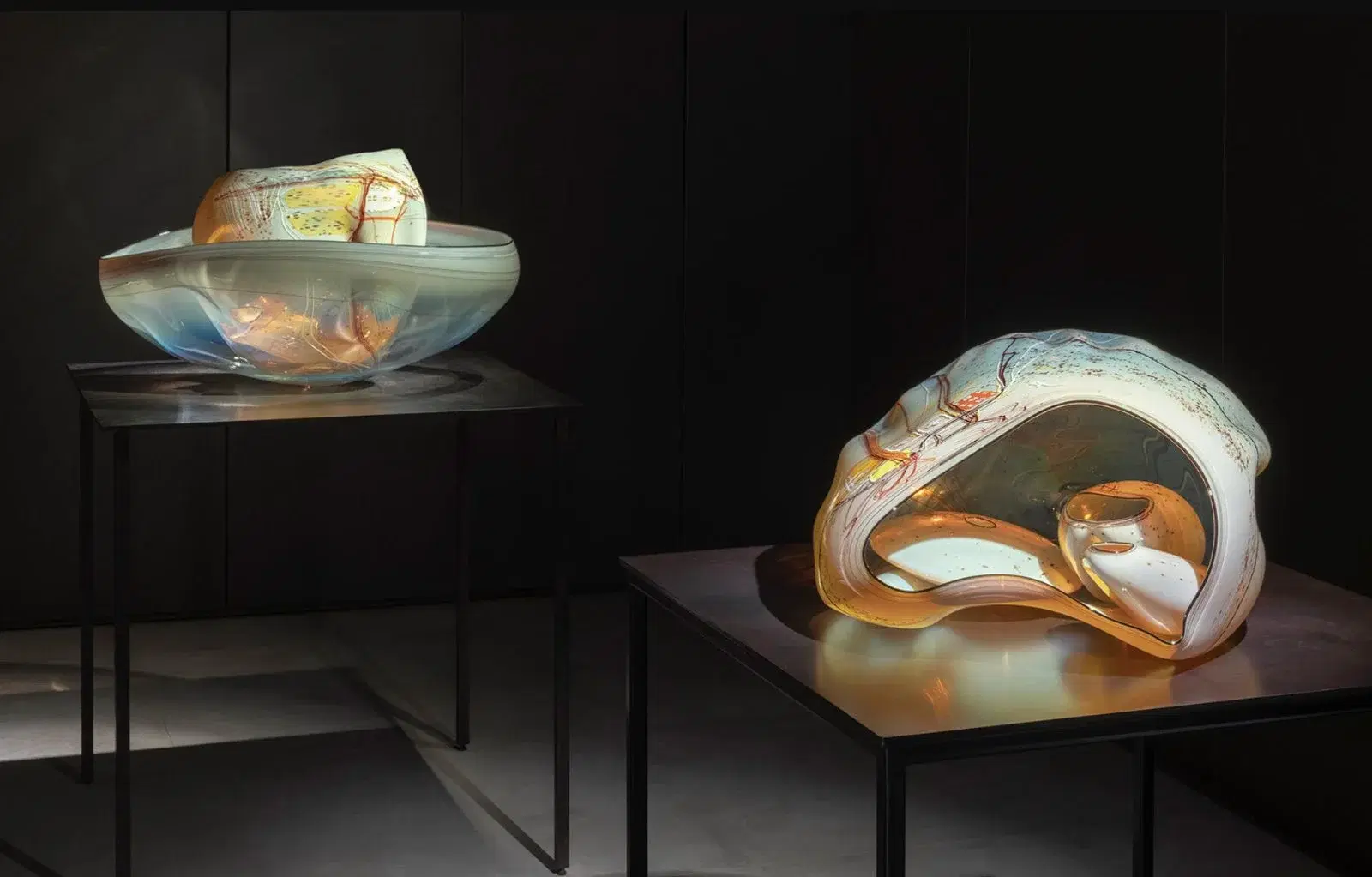
CHIHULY: Venice 2026
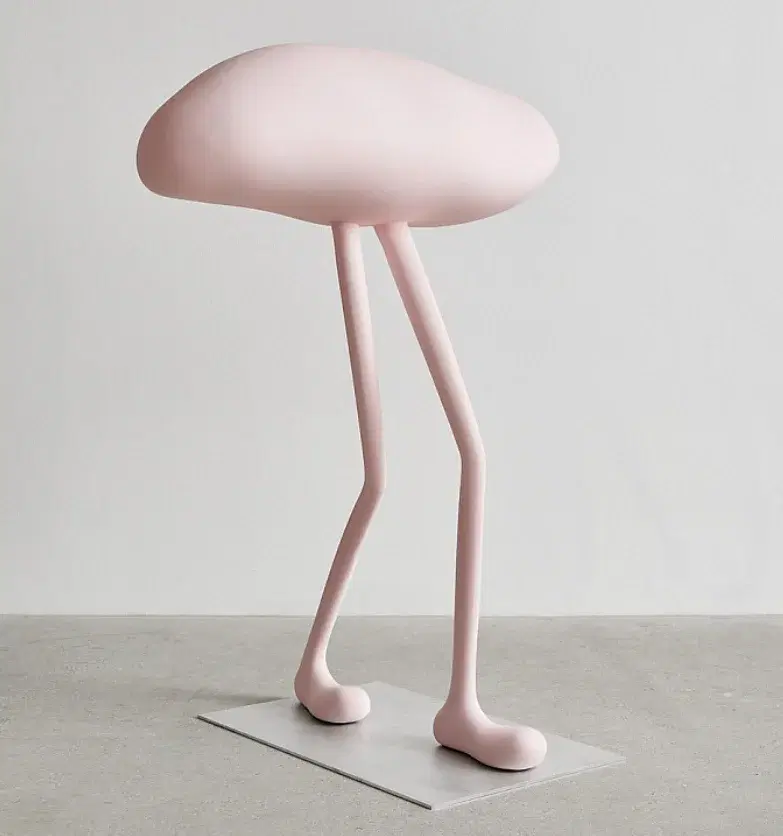
Erwin Wurm. Dreamers
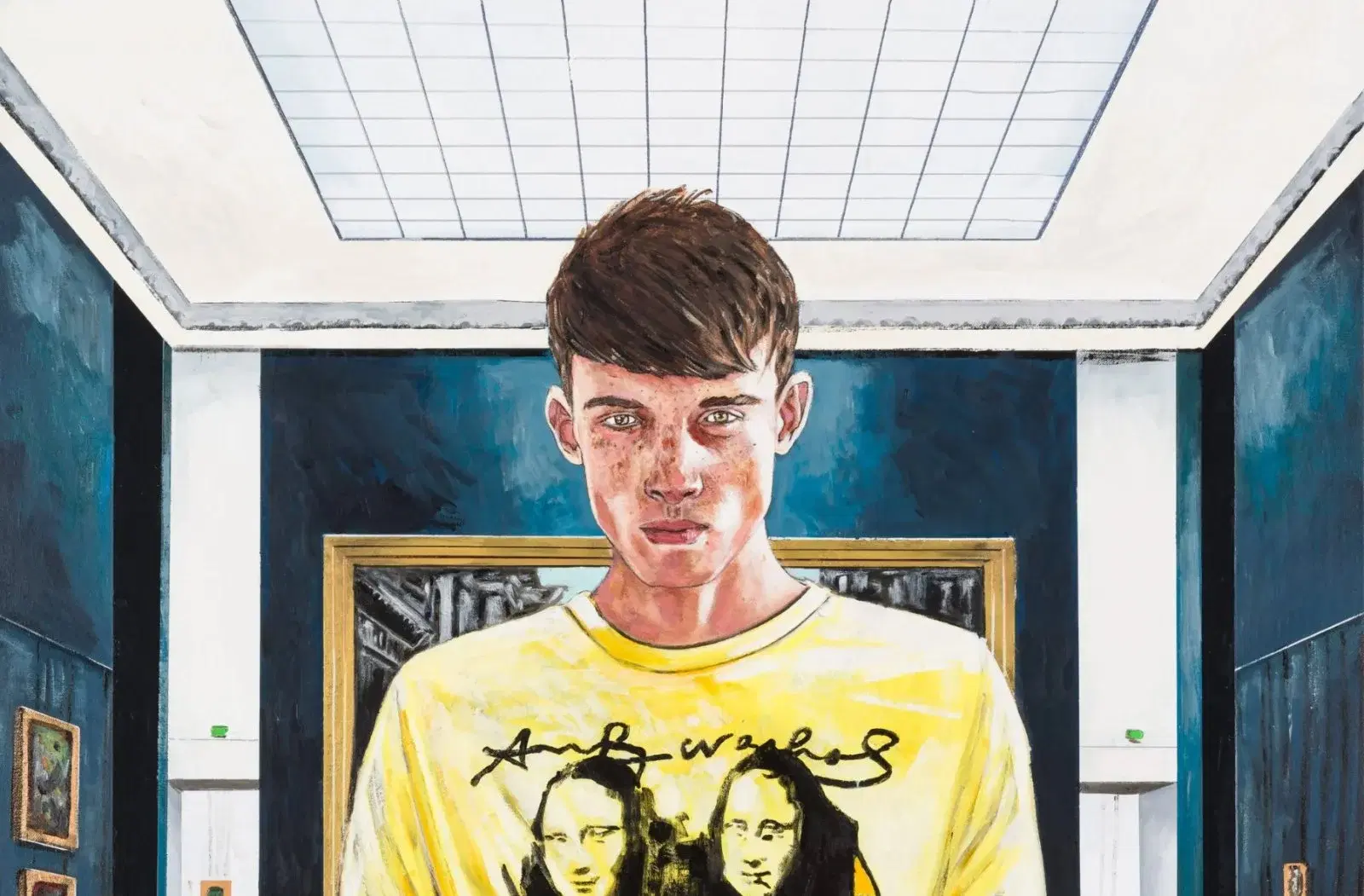
Hernan Bas. The Visitors
Shirin Neshat: Do You Dare!