At a glance
From the 1992 Olympic torch to a simple glass bottle, this survey traces how André Ricard shaped the Spanish everyday landscape through utility and ethics.
Why go
It is the definitive study of the pioneer who professionalised industrial design in Spain. By removing traditional display cases, the exhibition presents Ricard’s objects as living tools rather than static museum pieces.
You'll see
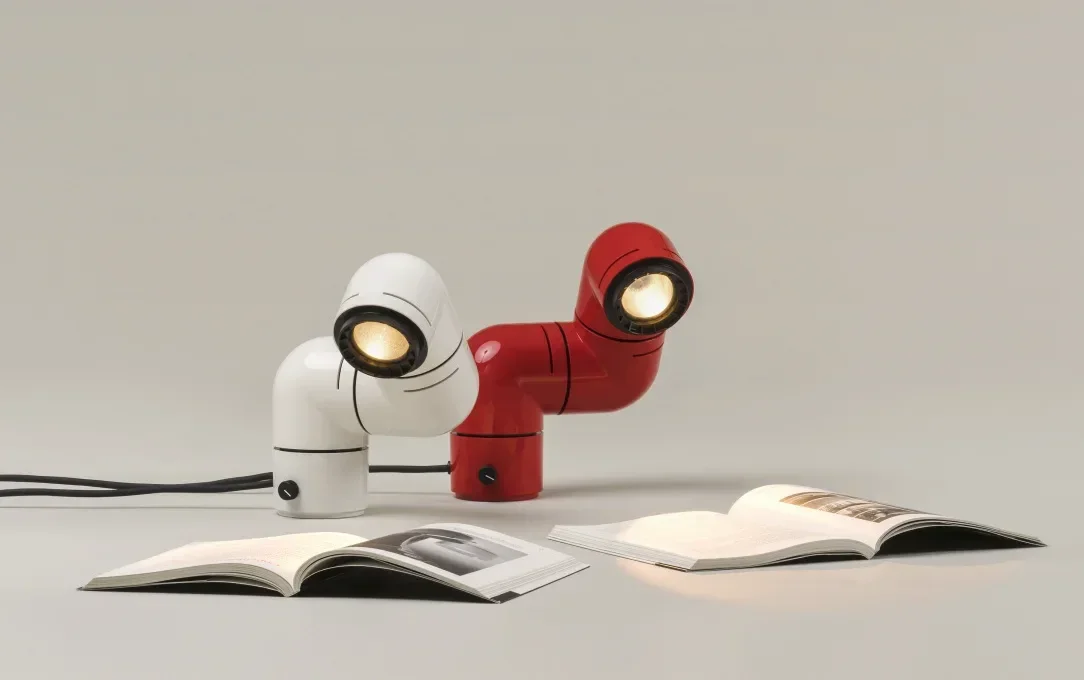
1992 Olympic torch · Copenhagen ashtray · Tatu lamp · Original sketches and prototypes · Thematic islands of use
Pace of visit
The thematic arrangement and dense archival documentation invite a slower pace to understand the evolution of each object.
Don't miss
The 1992 Olympic torch, which stands as a masterclass in balancing high-tech functionality with a human, tactile form.

Artlovers Tip
Pay close attention to the original drawings and technical documents; they reveal the ethical rigour Ricard applied to manufacturing long before sustainability was a trend.
Inside the exhibition
Meet the artist
Description
André Ricard. Design in Use at the Disseny Hub Barcelona (DHub) in Barcelona, Spain, presents a deep dive into the seven-decade career of the Catalan industrial designer. The exhibition avoids a simple chronological timeline, opting instead to place Ricard’s work within the domestic and professional settings for which it was originally intended. Visitors will find objects that have become part of the collective memory of Spain, showcased in an open layout that prioritises context over isolation.
The display spans everything from high-profile commissions like the 1992 Olympic torch to anonymous-feeling household tools, kitchenware, and furniture. Key sections are dedicated to specific environments—the table, the bathroom, the studio—where prototypes and sketches are shown alongside final manufactured products. This approach highlights the intellectual process and the social commitment that Ricard applied to even the most mundane items, such as the Copenhagen ashtray or the Tatu lamp.
This retrospective matters because it highlights Ricard’s role in defining the visual and functional identity of contemporary Spain. His philosophy that aesthetics should be a direct consequence of utility serves as the backbone of the show, offering a quiet critique of fleeting trends. Seeing these pieces gathered at DHub provides a rare opportunity to appreciate how a single designer’s focus on ergonomics and ethics helped professionalise a whole industry.
Worth travelling for?
A rewarding stop for design enthusiasts and anyone curious about how the quiet objects in our homes actually come to be.
Experience as an Artlover
Tickets are available at the DHub entrance or online, with a general admission price of approximately 6 euros that includes access to the permanent collections. The museum is located in the Glòries district and is easily accessible via the L1 metro line.
André Ricard. Design in Use
Artlovers relevance
Plan your visit
Hours & rating from Google