At a glance
Three films transform Serpentine North into a place of witness, where political violence, poetic imagery and the unresolved memory of Partition unfold slowly.
Why go
You'll see
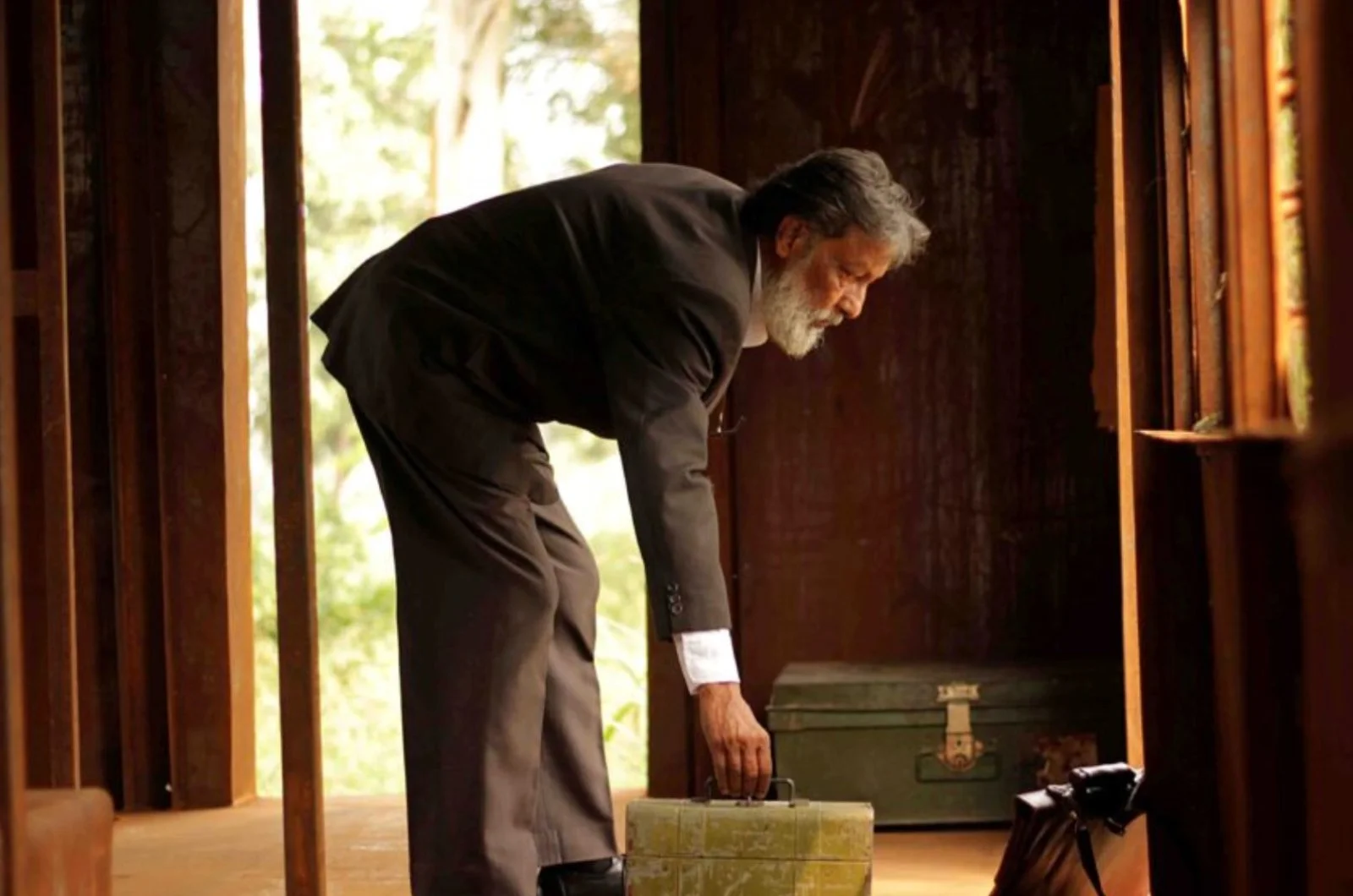
- Such a Morning (2017), an 85-minute 4K film exploring darkness, knowledge and withdrawal.
- The Peacock’s Graveyard (2023), a multi-screen installation shaped by memory, violence and the lingering consequences of Partition.
- The Charcoal Man (2026), a new seven-screen installation premiering at Serpentine.
- Simultaneous projections, text and carefully constructed soundscapes inside a site-specific darkened environment.
Pace of visit
Minimum: 90 minutes - Ideally: 2–2½ hours
Such a Morning lasts 85 minutes by itself, and the two multi-screen installations require additional time. A 30-minute visit would only permit sampling the exhibition.

Artlovers Tip
Ask the gallery team where Such a Morning is in its cycle before sitting down. If it has recently begun, watch it first; otherwise, explore the multi-screen works and return near the next restart.
Pay attention to the intervals between images: darkness, silence and sound are part of Kanwar’s argument, not empty transitions.
Inside the exhibition
Meet the artist
Description
Conceived in close collaboration with Kanwar, the exhibition turns Serpentine North into a meditative visual and sonic environment. It is not a conventional retrospective but a concentrated encounter with three works that connect personal experience to the political history of the Indian subcontinent.
Across the installations, the 1947 Partition and the subsequent formation of India, Pakistan and Bangladesh remain foundational presences. Yet Kanwar approaches these histories indirectly, through atmosphere, fragments and recurring images rather than chronological explanation.
The result is a space in which past and present repeatedly interrupt one another. Questions of justice, arrogance, displacement and collective memory emerge gradually, asking viewers not simply to observe history but to consider how it continues to structure contemporary life.
About Amar Kanwar
Born in New Delhi in 1964, Amar Kanwar is an artist and filmmaker whose practice moves between documentary, travelogue, visual essay and multi-channel installation. His films are known for combining political testimony with lyrical imagery and deliberate, contemplative pacing.
Much of his work examines violence, environmental conflict, state power and the construction of public memory across the Indian subcontinent. Instead of treating recorded material as neutral evidence, he explores what images can reveal—and what remains beyond their reach.
Amar Kanwar
Artlovers relevance
Plan your visit
Hours & rating from Google