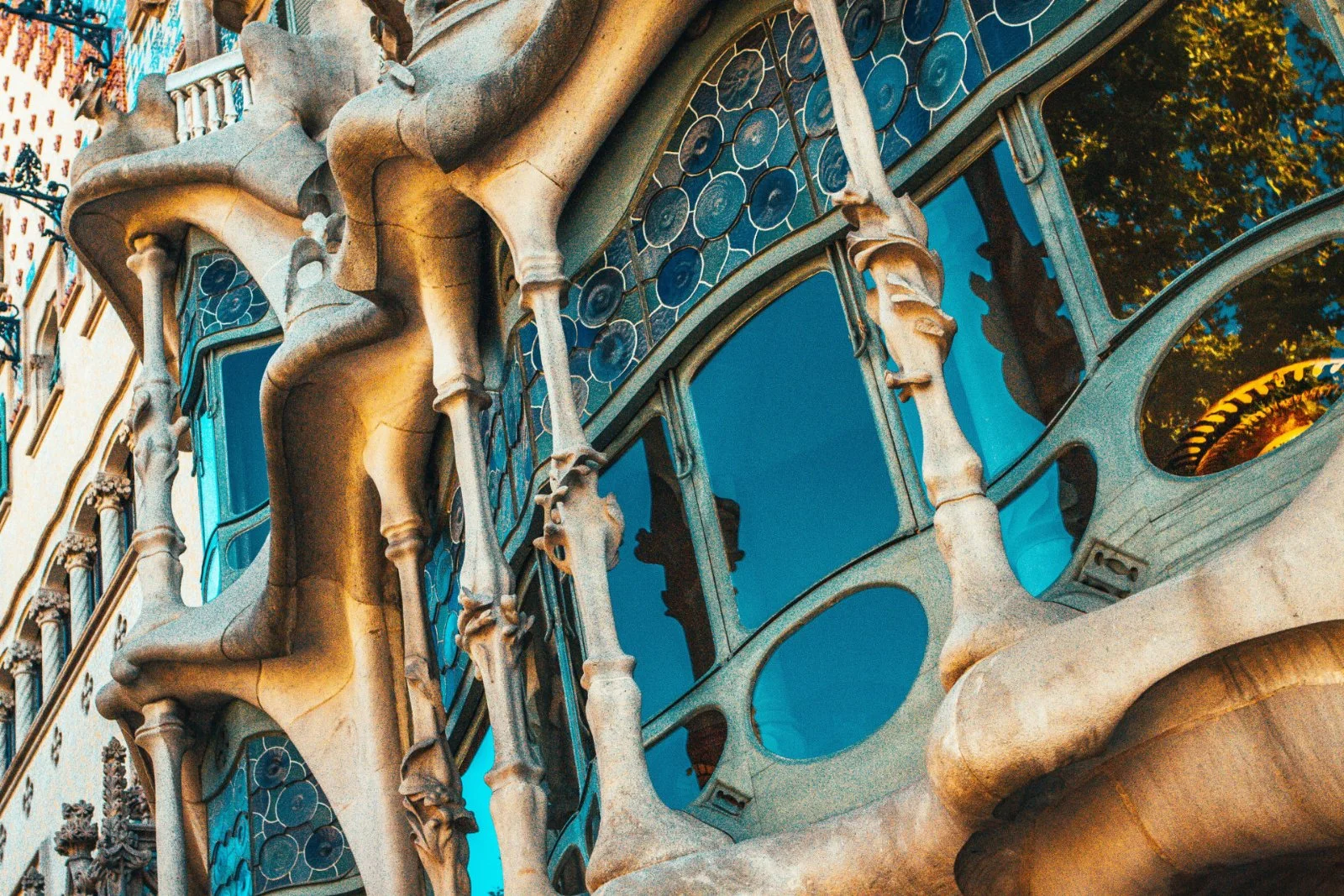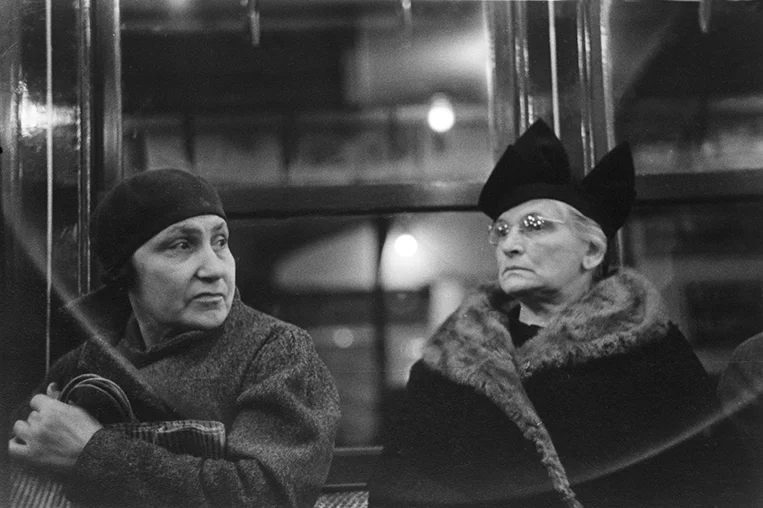
Documentary photography, street photography, social observation, architectural photography, vernacular culture and modern photographic realism.

Inside the exhibition
Walker Evans made the ordinary impossible to ignore: shop windows, signs, streets, workers, strangers, small towns — the visual grammar of everyday America.
Back in 2009, Fundación MAPFRE kicked off its photography program with a celebration of Walker Evans. Sixteen years later, we are inviting you to take a fresh look at his work and discover why his images still feel so incredibly relevant today. Evans stands out as one of history's most influential photographers because he skipped the staged drama in favor of something much more honest.
His approach was thoughtful and sincere, capturing the world with a sense of quiet poetry that was always deeply connected to the places and moments he photographed.
Now and Then offers a renewed look at Walker Evans’ career, from his early work in the 1920s to his later experiments with Polaroid. Fundación MAPFRE first dedicated a major photography exhibition to Evans in 2009; this new show returns to his work from today’s perspective.
You’re watching:
- Street photographs and anonymous figures
- Architectural studies and vernacular buildings
- Signs, shop windows, handwritten notices and urban typography
- Images of everyday life in the United States
- Works from across more than five decades of photographic practice
- A photographer who understood that modern society reveals itself in small visual details
The exhibition shows Evans not only as a documentarian, but as someone who helped define how photography could read a culture.
Worth travelling for?
Essential if you love photography, cities, design, visual culture or American history.
Walker Evans matters because he changed the way the ordinary could be photographed. His images don’t depend on spectacle; they depend on attention. A sign, a façade, a subway passenger, a storefront — under Evans’ gaze, these become evidence of a society’s values, habits and contradictions.
This is the kind of exhibition that sharpens your eye. After seeing Evans, the city outside the museum — its signs, windows, workers, advertisements and anonymous corners — starts to look different.
Experience as an Artlover
Don’t look for drama first — look for structure, detail and atmosphere.
Pay attention to signs and words inside the images: Evans treated visual language as part of everyday culture.
Notice the anonymous people and places; they are central, not secondary.
Move slowly through the sequence and watch how America appears through fragments.
After the visit, walk through Barcelona noticing shopfronts, typography, streets and ordinary scenes with an “Evans eye.”
Walker Evans: Now and Then
Hours & rating from Google