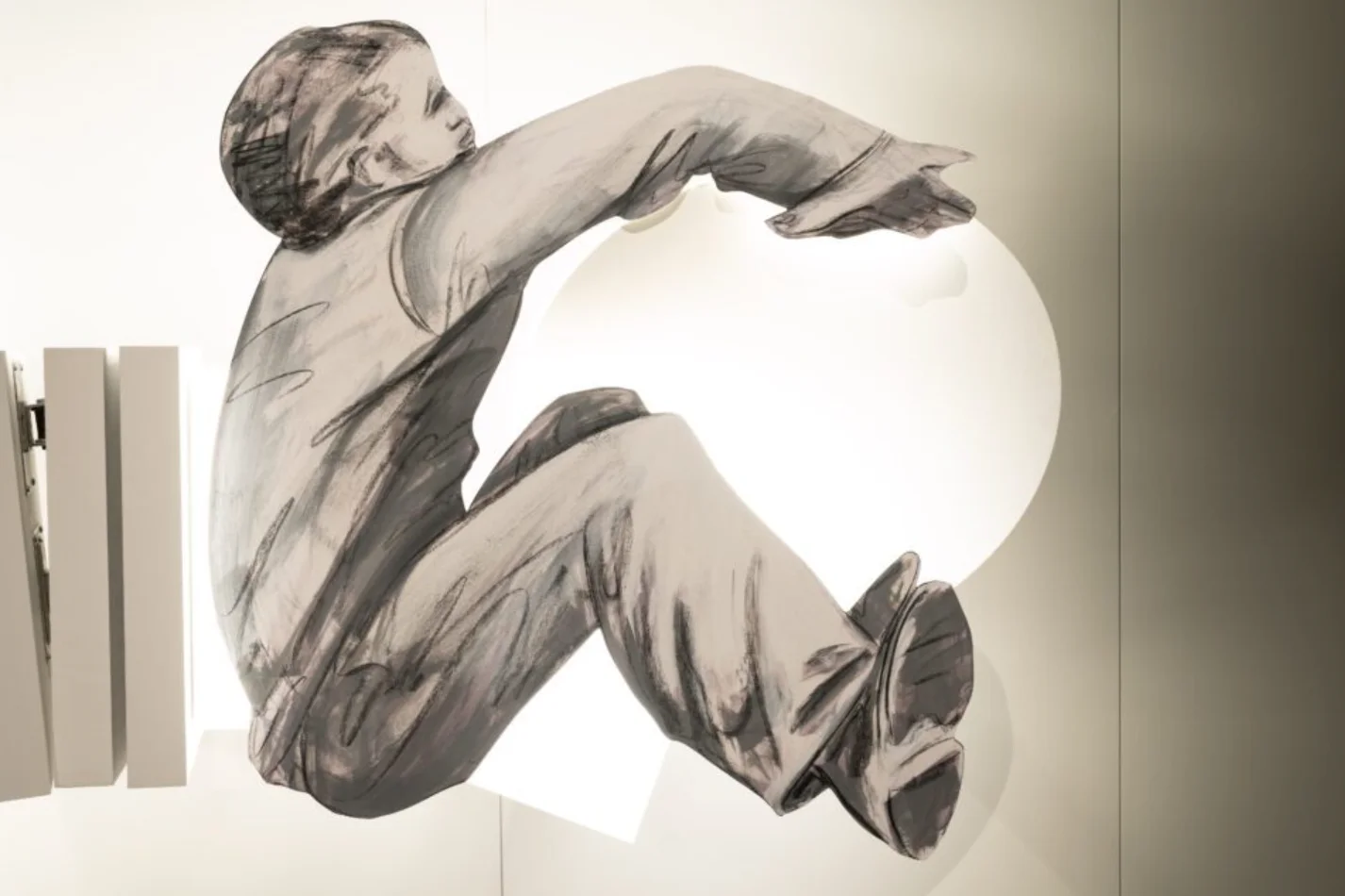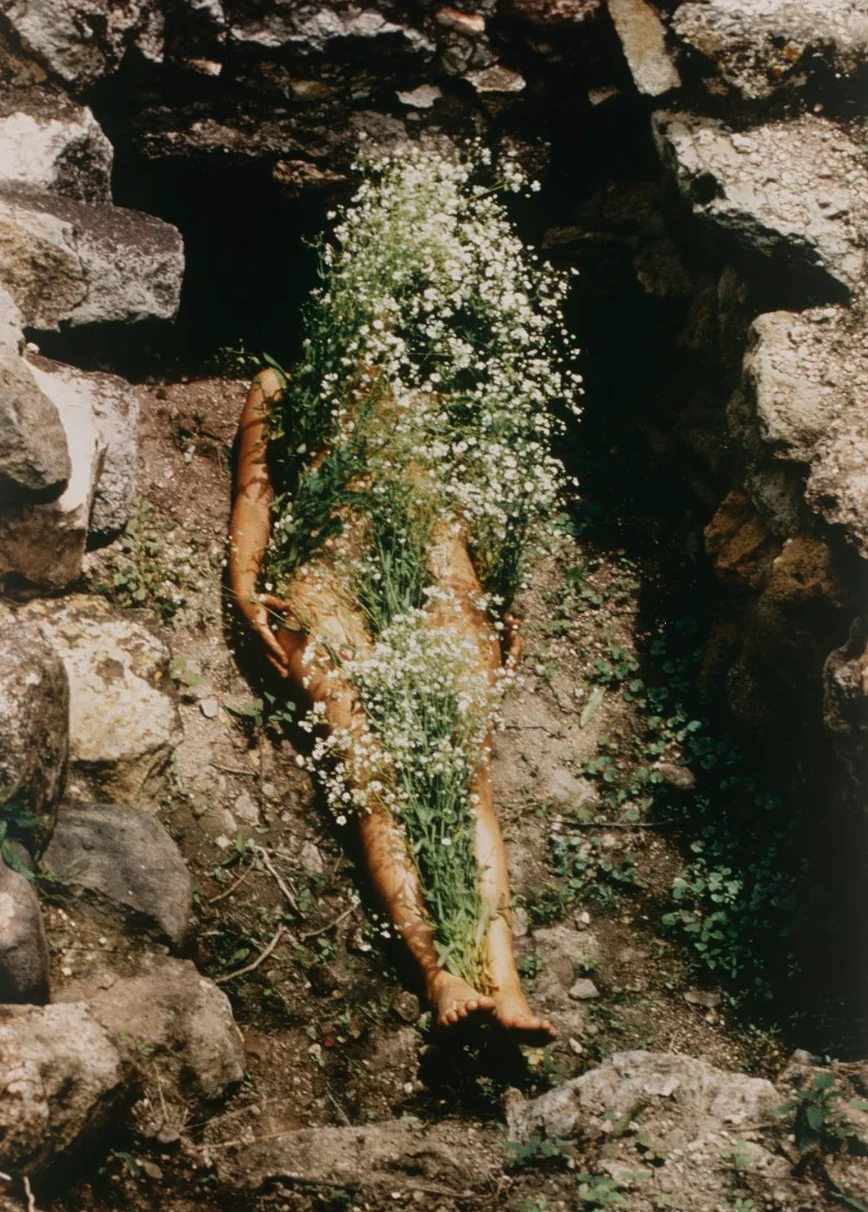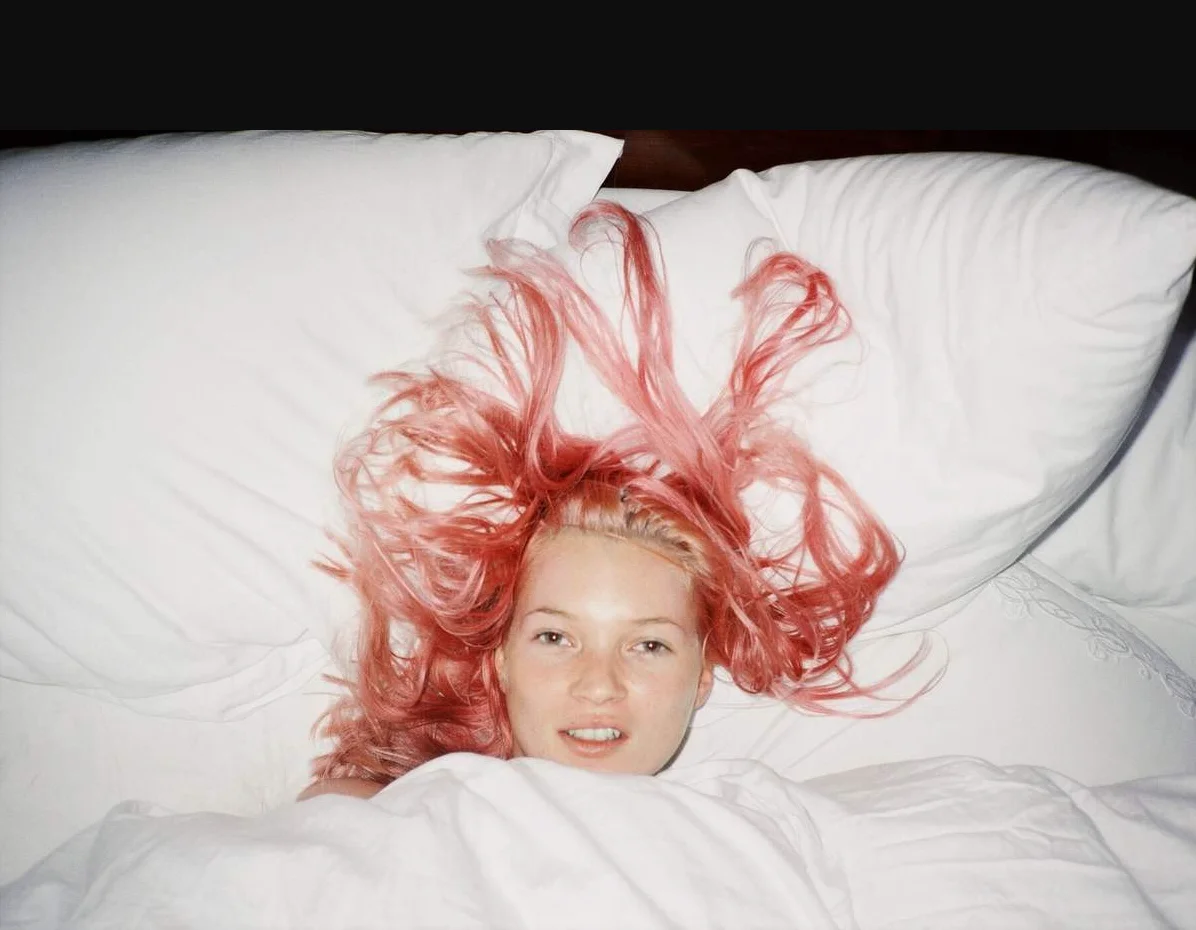
The 90s were not just a decade. They were an attitude: raw, stylish, messy, rebellious — and impossible to separate from music, fashion, nightlife and art.

Inside the exhibition
Step back into the 1990s—a decade defined by its bold energy and rebellious heart. Curated by fashion visionary Edward Enninful OBE, The 90s takes you on a journey through the years when a sudden burst of creativity completely reshaped British life.
The 90s: Art and Fashion looks at a decade when British creativity became louder, sharper and more visible internationally. The show brings together art, photography, garments, film, sculpture and design to explore how the 1990s shaped a new visual language.
You’re watching:
- Fashion photography that changed how style was represented
- The energy of the Young British Artists generation
- Club culture, DIY aesthetics and anti-polish attitude
- Questions around identity, race, class, gender and visibility
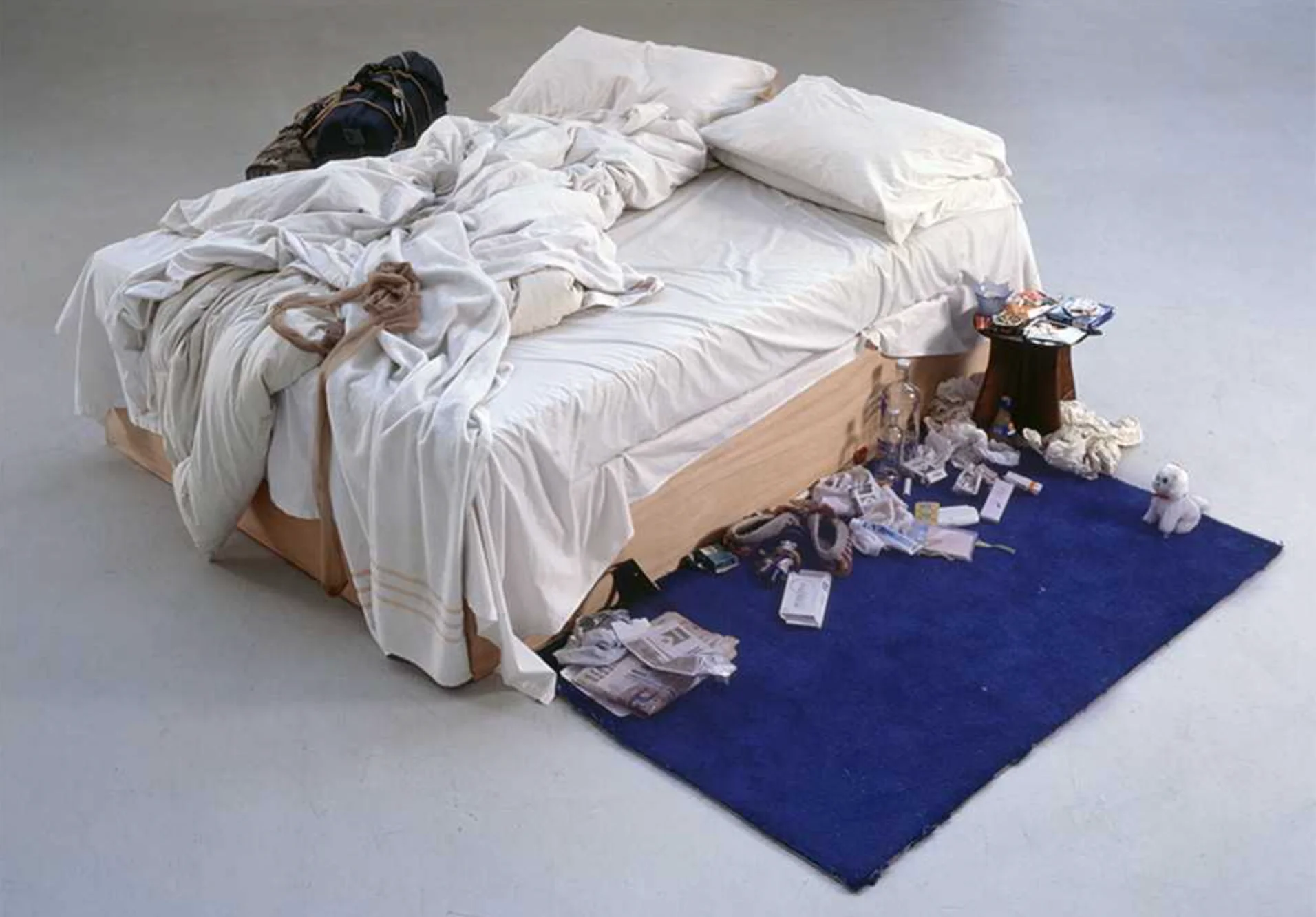
- Works and images connected to figures such as Alexander McQueen, Damien Hirst, Tracey Emin, Gillian Wearing, Chris Ofili, Steve McQueen, Vivienne Westwood, John Galliano and others, according to recent reporting on the exhibition.
The result should feel less like a nostalgic moodboard and more like a cultural X-ray: the decade when British art and fashion learned to perform themselves for a global audience.
Worth travelling for?
Especially if you love fashion, photography, contemporary art and cultural history.
This exhibition matters because the 1990s still shape how we understand “cool” today: celebrity culture, fashion campaigns, club photography, art-world scandal, youth identity, and the idea of creative London as a global brand.
Tate Britain gives this decade museum-level weight, and the curatorial angle by Edward Enninful makes it especially relevant: not just “what people wore,” but who got seen, who shaped taste, and how art and fashion became cultural power.
Experience as an Artlover
Don’t separate art from fashion — look at how they fed each other.
Notice attitude: rawness, glamour, irony, rebellion and self-invention.
Pay attention to who is represented and who is producing the image.
Look for the tension between underground culture and mainstream success.
Think about how the 90s still live inside today’s fashion, photography and social media aesthetics.
The 90s
Hours & rating from Google