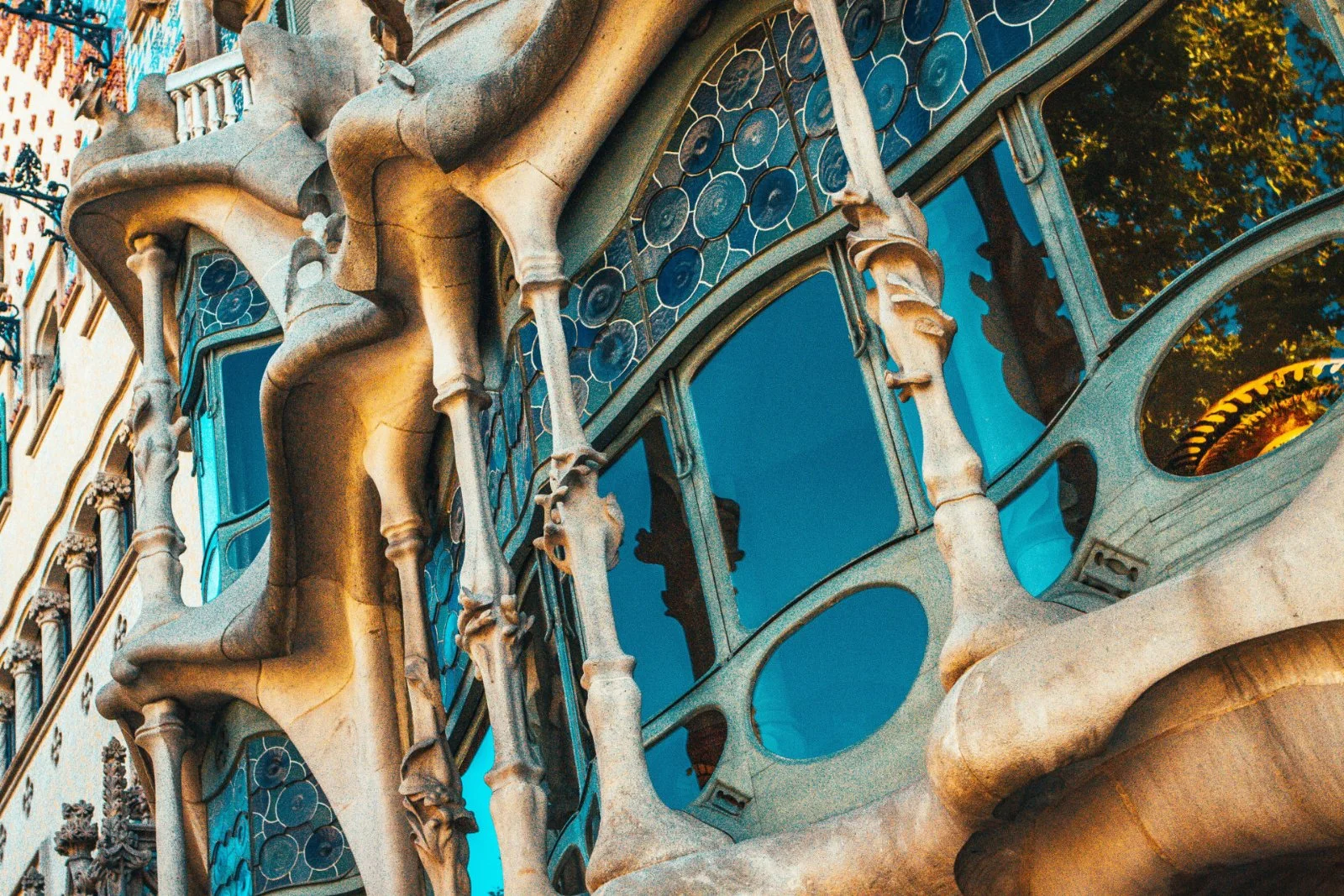
Catalan Modernisme, early 20th-century architecture, decorative experimentation, drawing, design, collage-like thinking, and poetic architectural imagination.

Inside the exhibition
Part of Barcelona’s 2026 World Capital of Architecture programme.
Jujol didn’t just design buildings.
He made architecture feel like drawing, movement, accident, colour — and imagination set free.
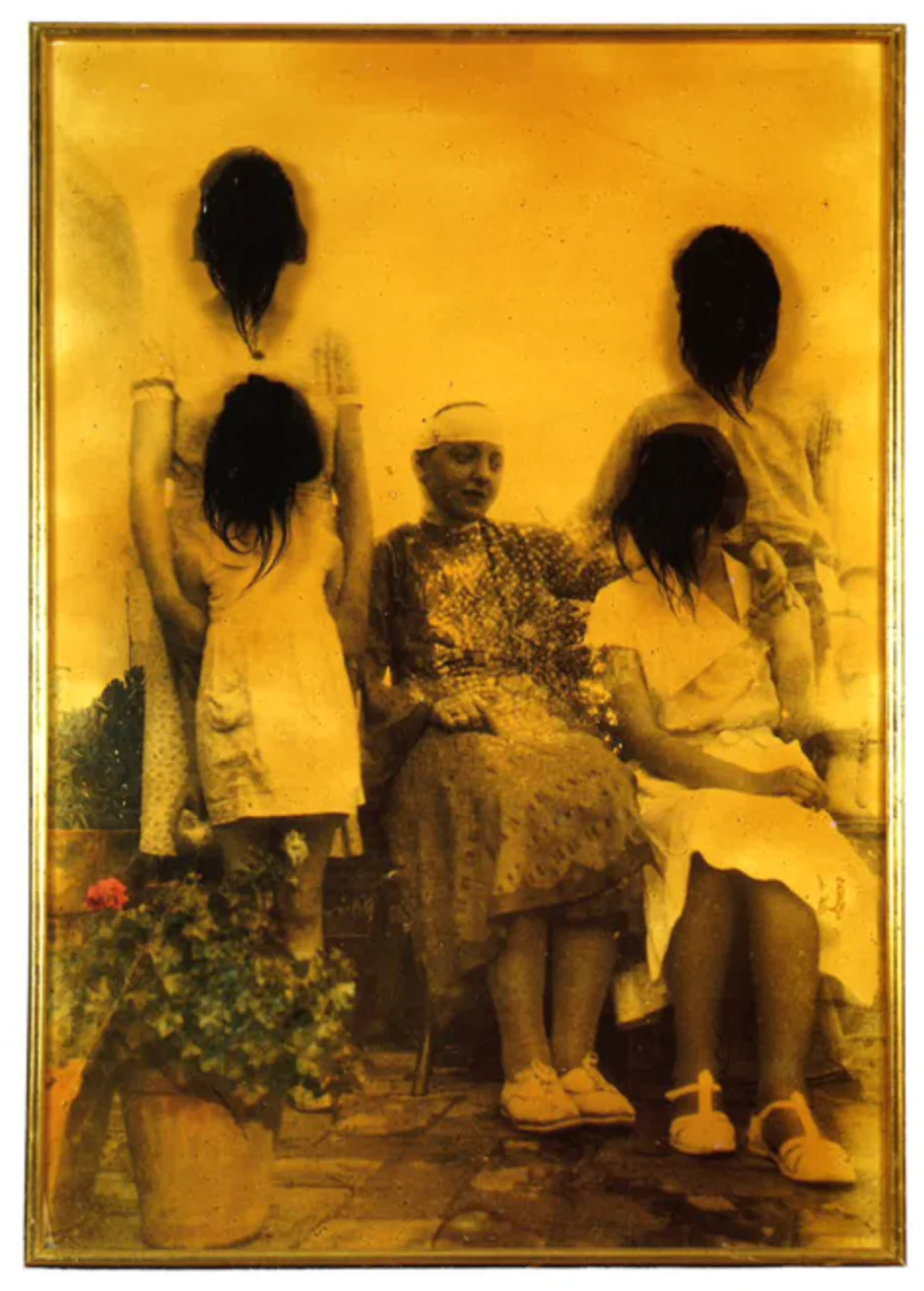
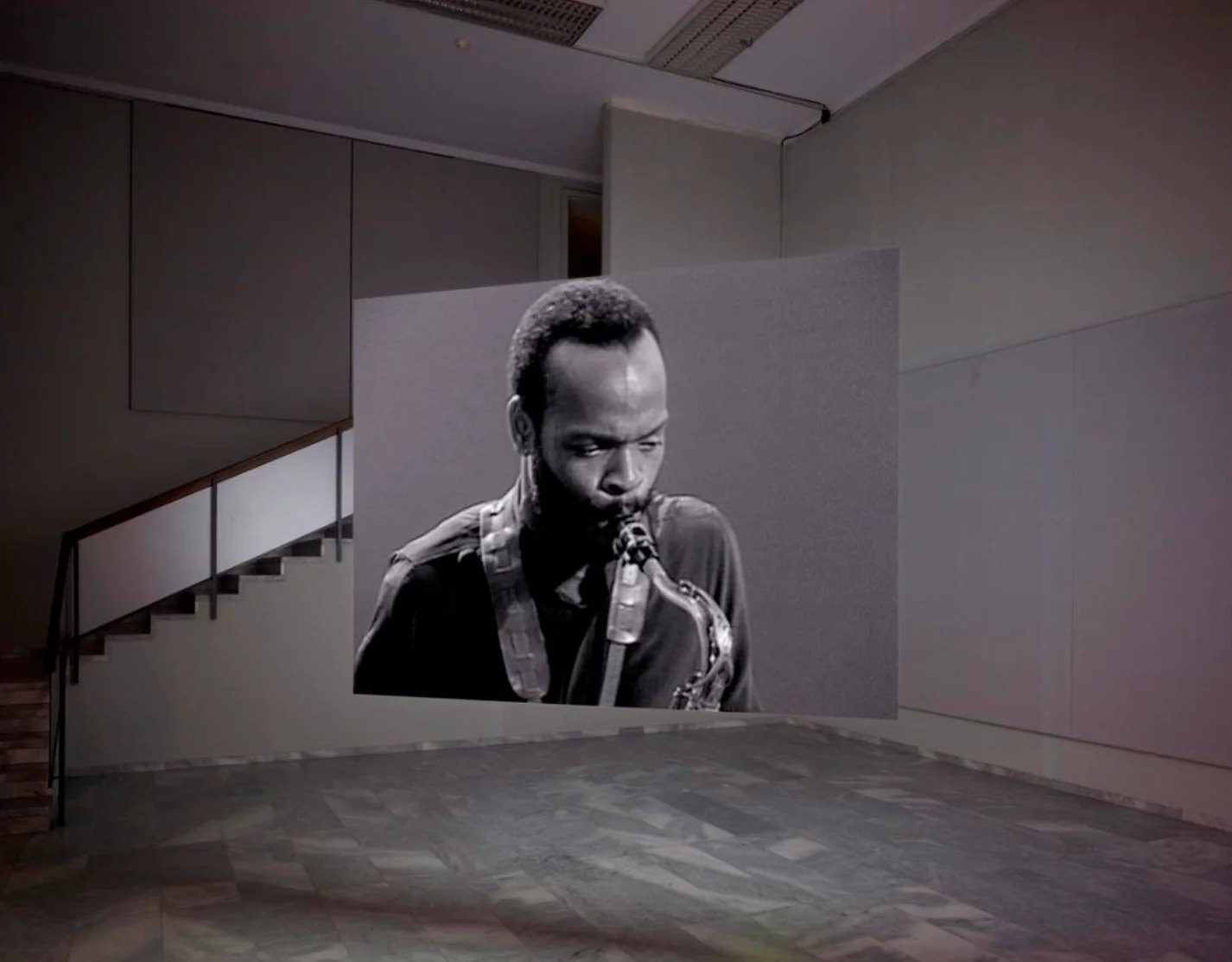
This exhibition is especially interesting because Jujol is seen through Perejaume — an artist and poet whose own work moves between landscape, image, language and perception. So this is not only an architectural exhibition; it is also an artist’s reading of another artist-architect.
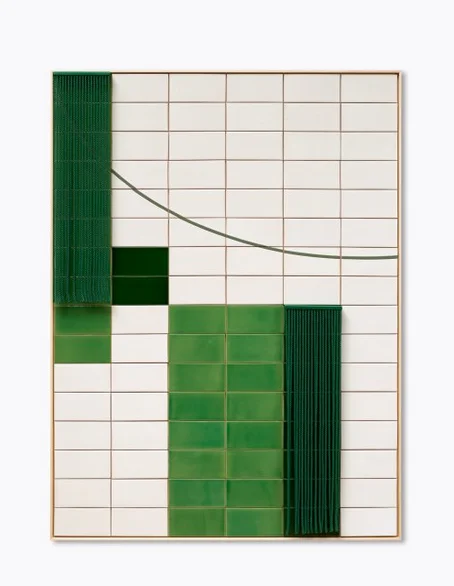
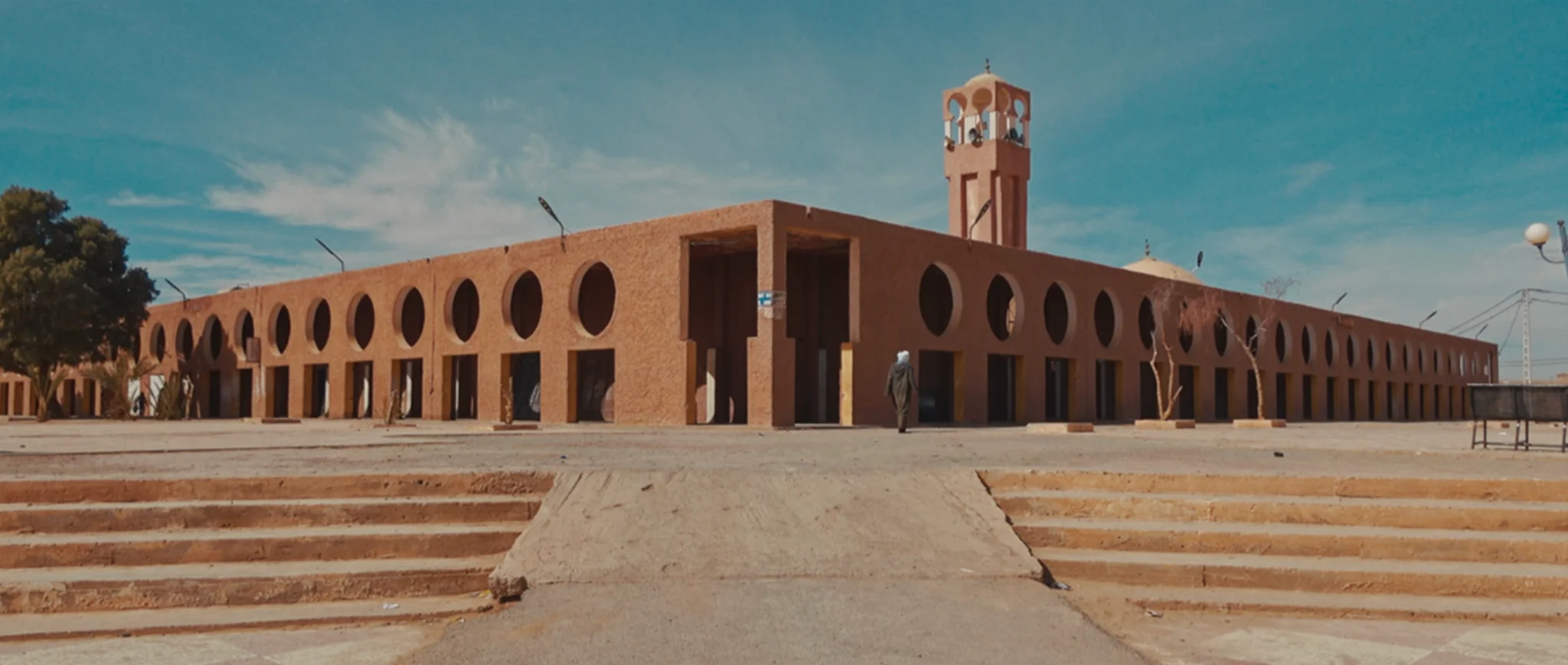
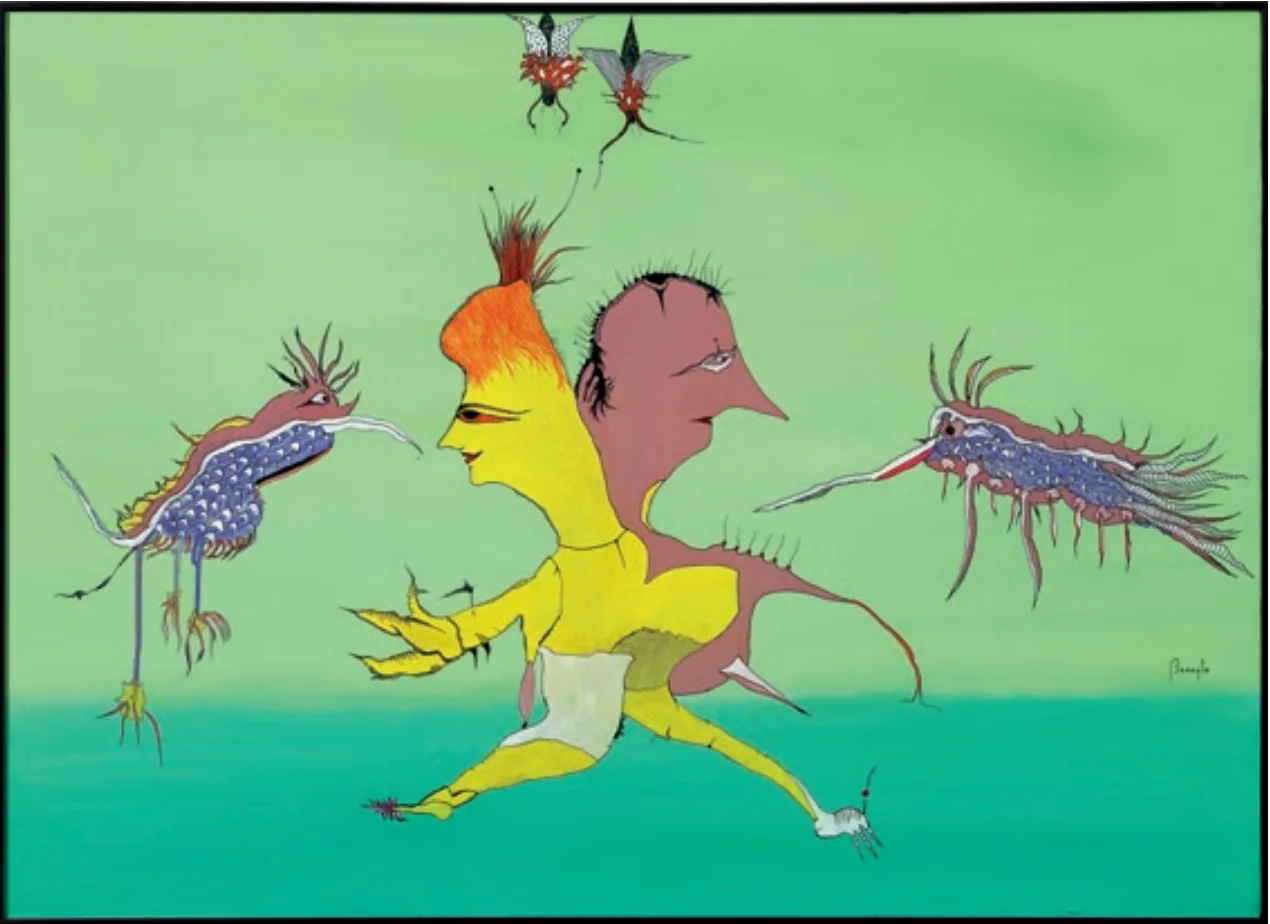
Jujol, by Perejaume is presented as the first major exhibition dedicated to Josep Maria Jujol, one of the most original figures of early 20th-century Catalan architecture. The show follows the donation of Jujol’s documentary archive to the COAC and the MNAC, giving the museum a powerful opportunity to revisit his work in depth.
You’re watching:
- Jujol’s architecture as invention, not just construction
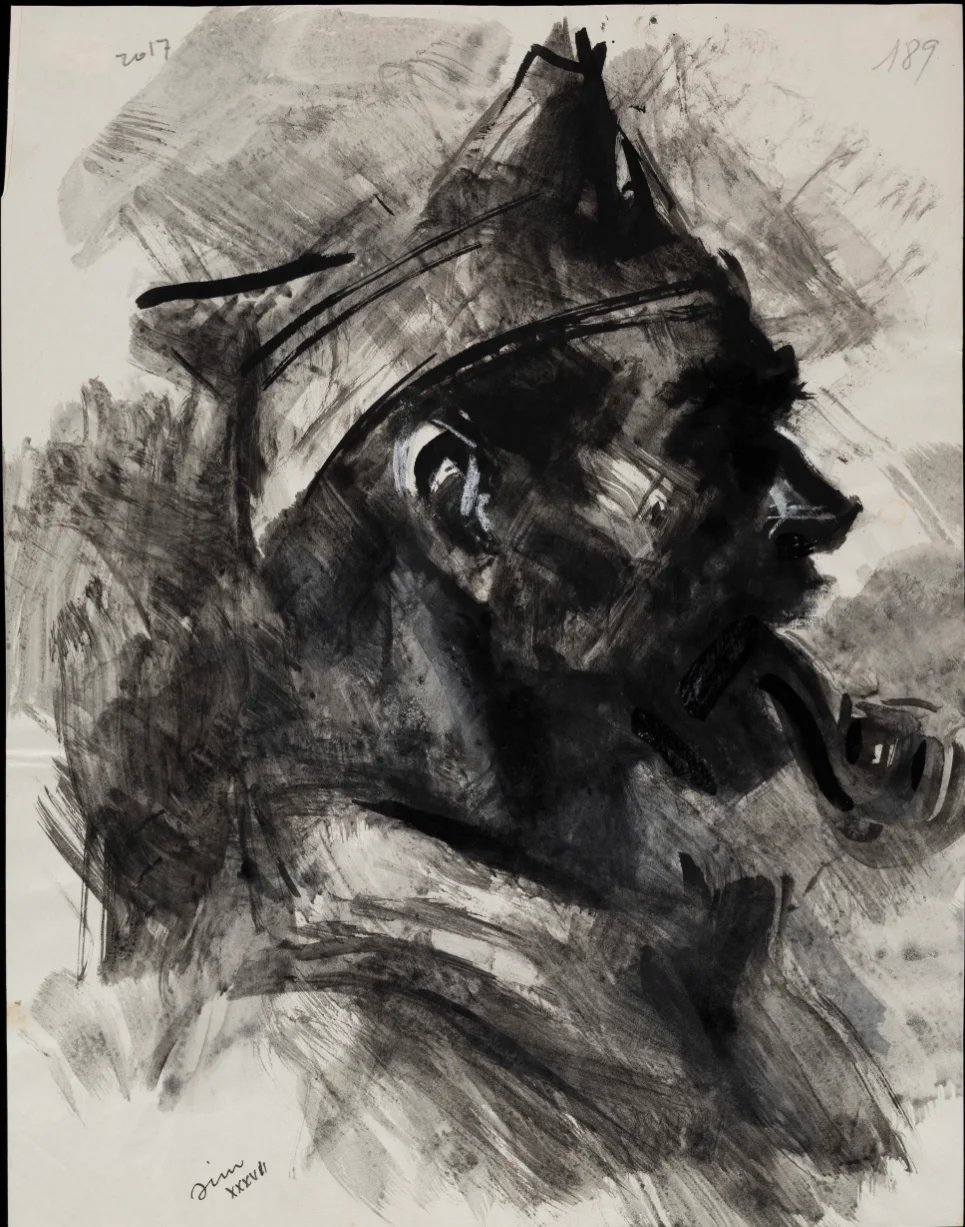
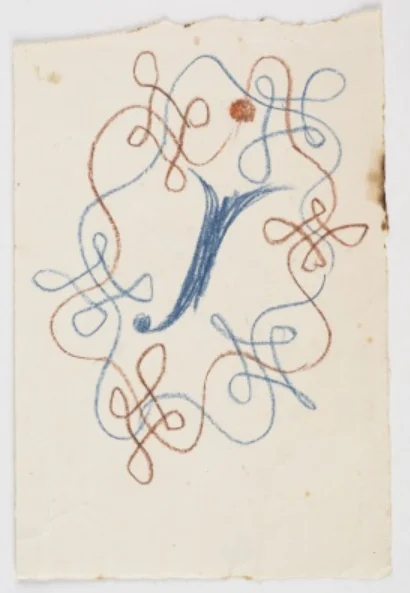
- Drawings, documents and materials connected to his creative process
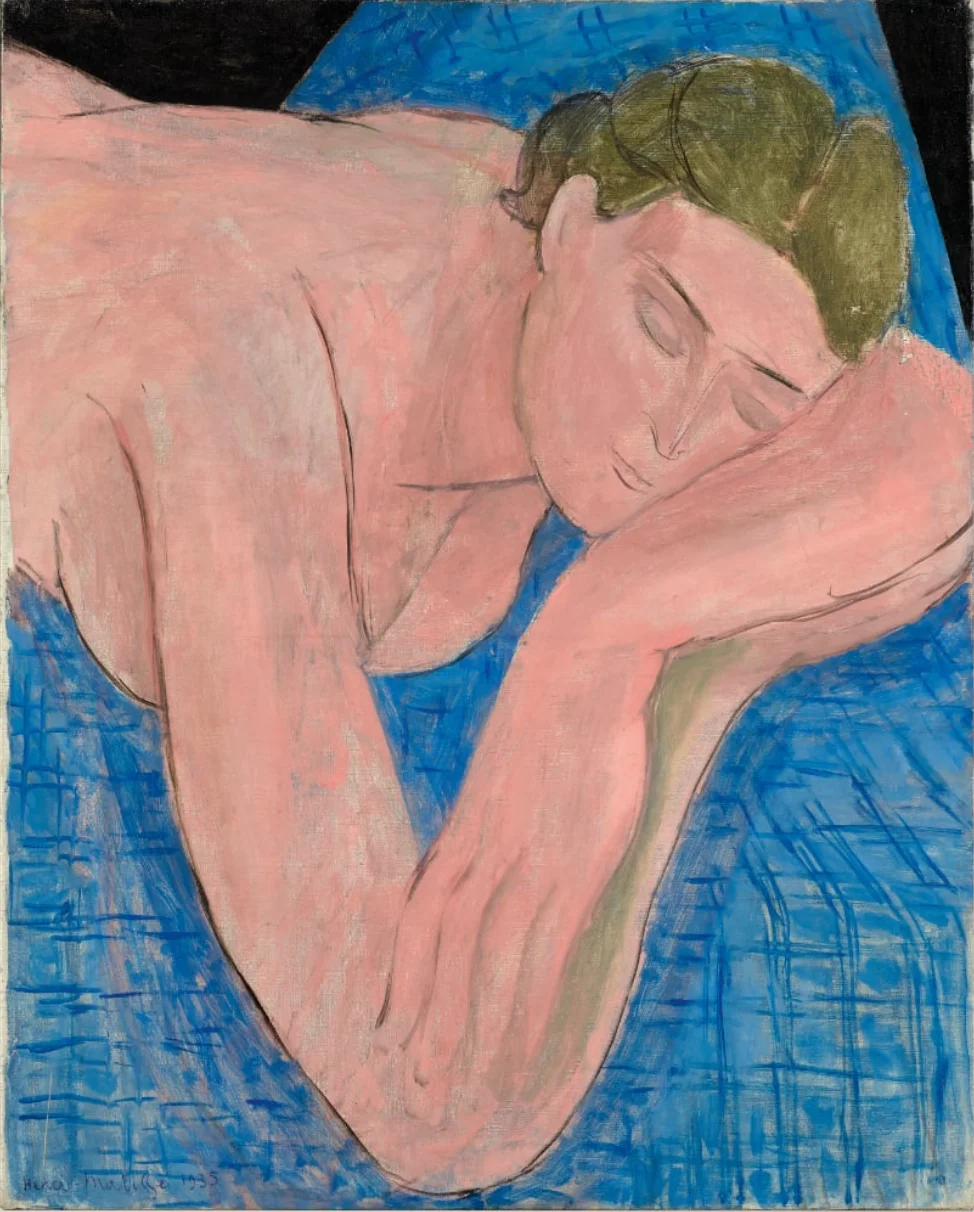
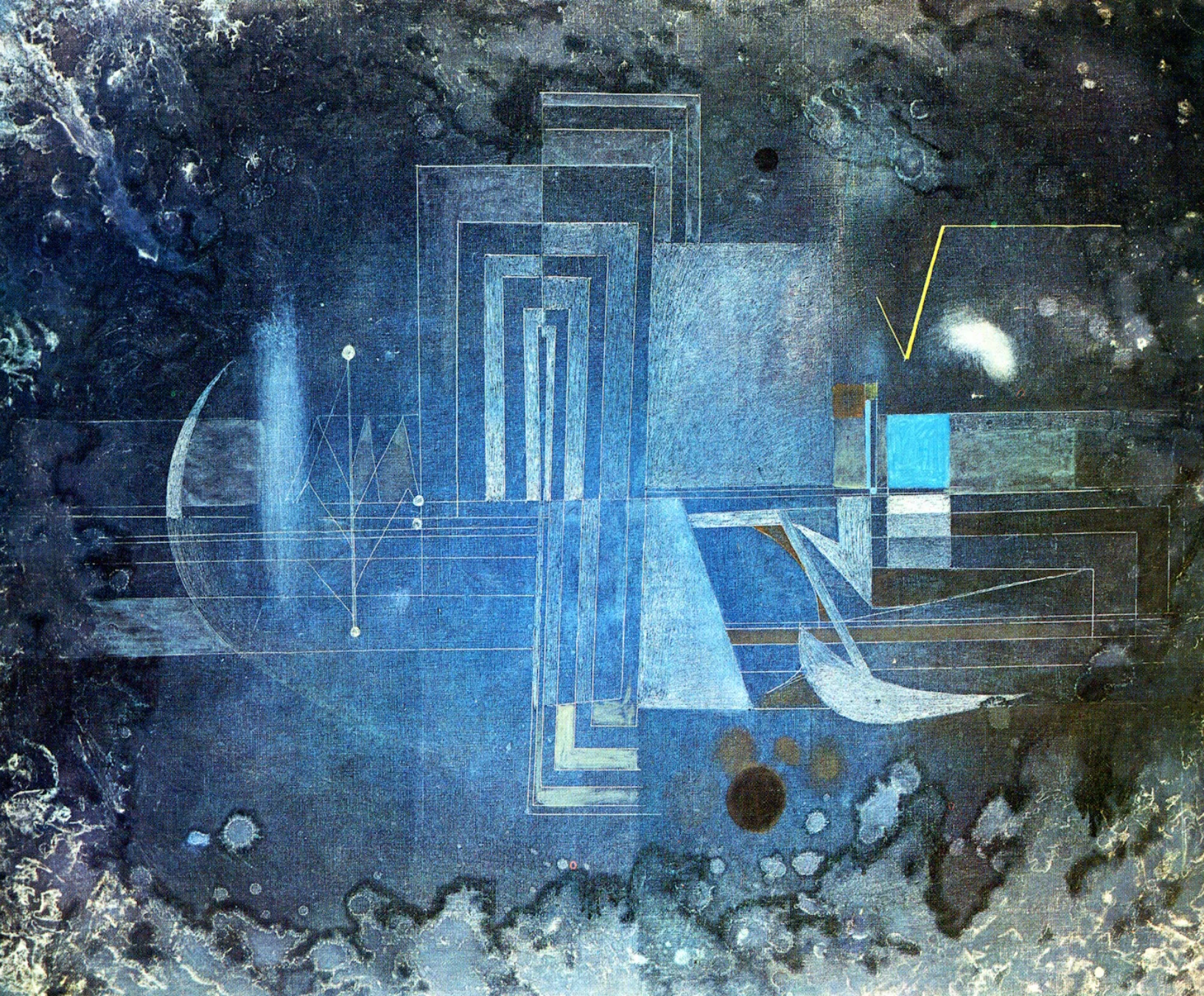
- A dialogue between Jujol and figures such as Antoni Gaudí, Bruno Taut, Vladimir Tatlin and Henri Matisse
- Architecture understood as colour, gesture, ornament, structure and freedom
- Perejaume’s poetic way of approaching Jujol’s imagination
The exhibition invites you to look at Jujol not as a secondary figure beside Gaudí, but as a radical creator in his own right.
Worth travelling for?
Yes — especially if you love architecture, Barcelona, Modernisme, or artists who refuse to stay inside one category.
Because Jujol is one of those figures who changes how you understand Catalan architecture. His work is not only functional or decorative; it feels alive, improvised, handmade, and intensely personal.
It also matters because Barcelona in 2026 will be positioned globally through architecture, and this exhibition gives a deeper, more experimental reading of that story — beyond the obvious icons.
Experience as an Artlover
Don’t look at Jujol only as an architect — look at him as a visual thinker
Pay attention to drawing, detail, colour, ornament and gesture
Notice how small marks can become architectural ideas
Think of the exhibition as a dialogue: Jujol seen through Perejaume’s imagination
After the show, walk through Barcelona looking for architecture that feels handmade, irregular, poetic or alive
Jujol, de Perejaume
Hours & rating from Google