At a glance
Contemporary figurative painting, with a strong dialogue between personal memory, art history, portraiture and symbolic atmosphere.
Key Movements

Artlovers Tip
Inside the exhibition
Meet the artist
Description
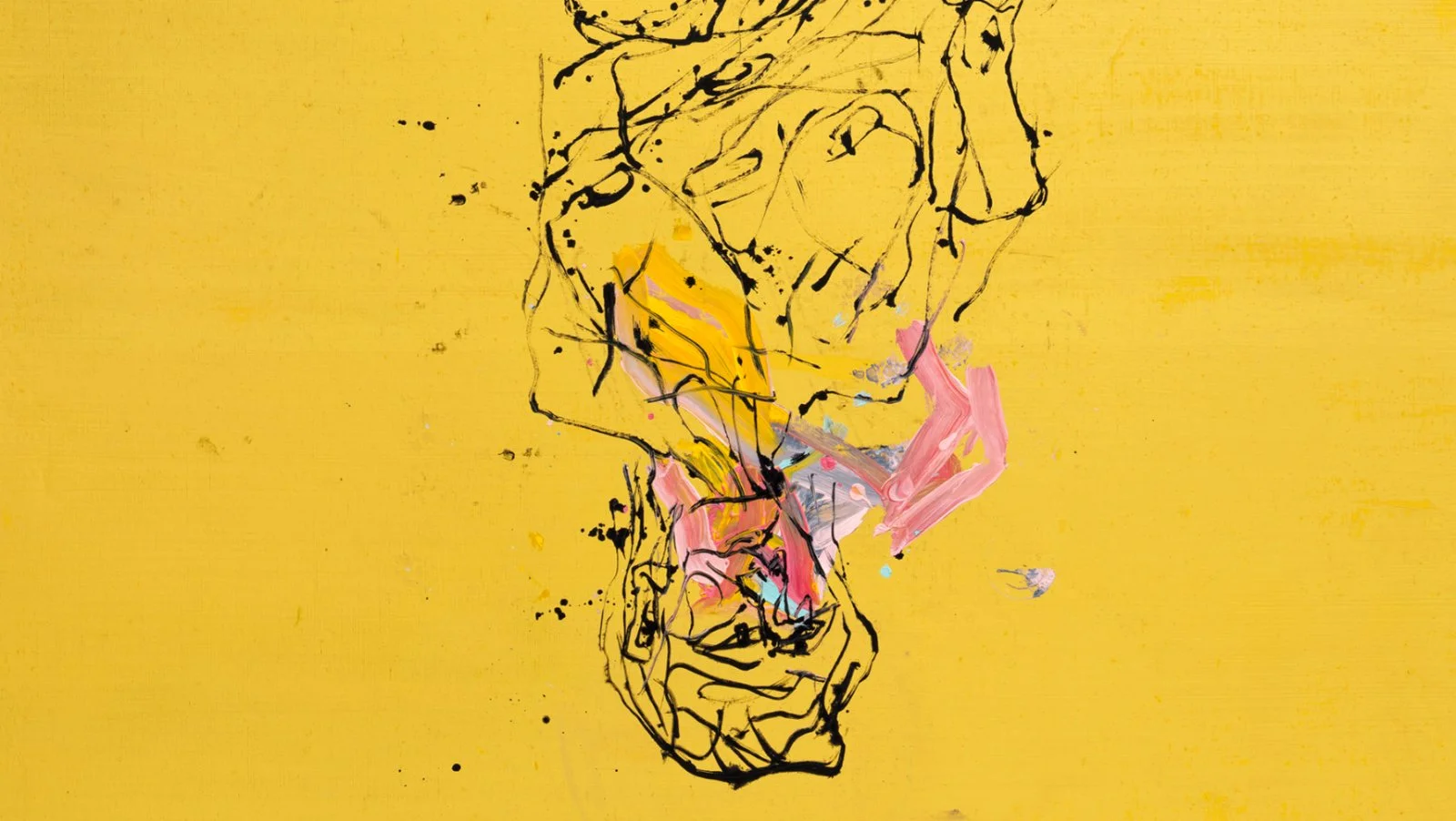
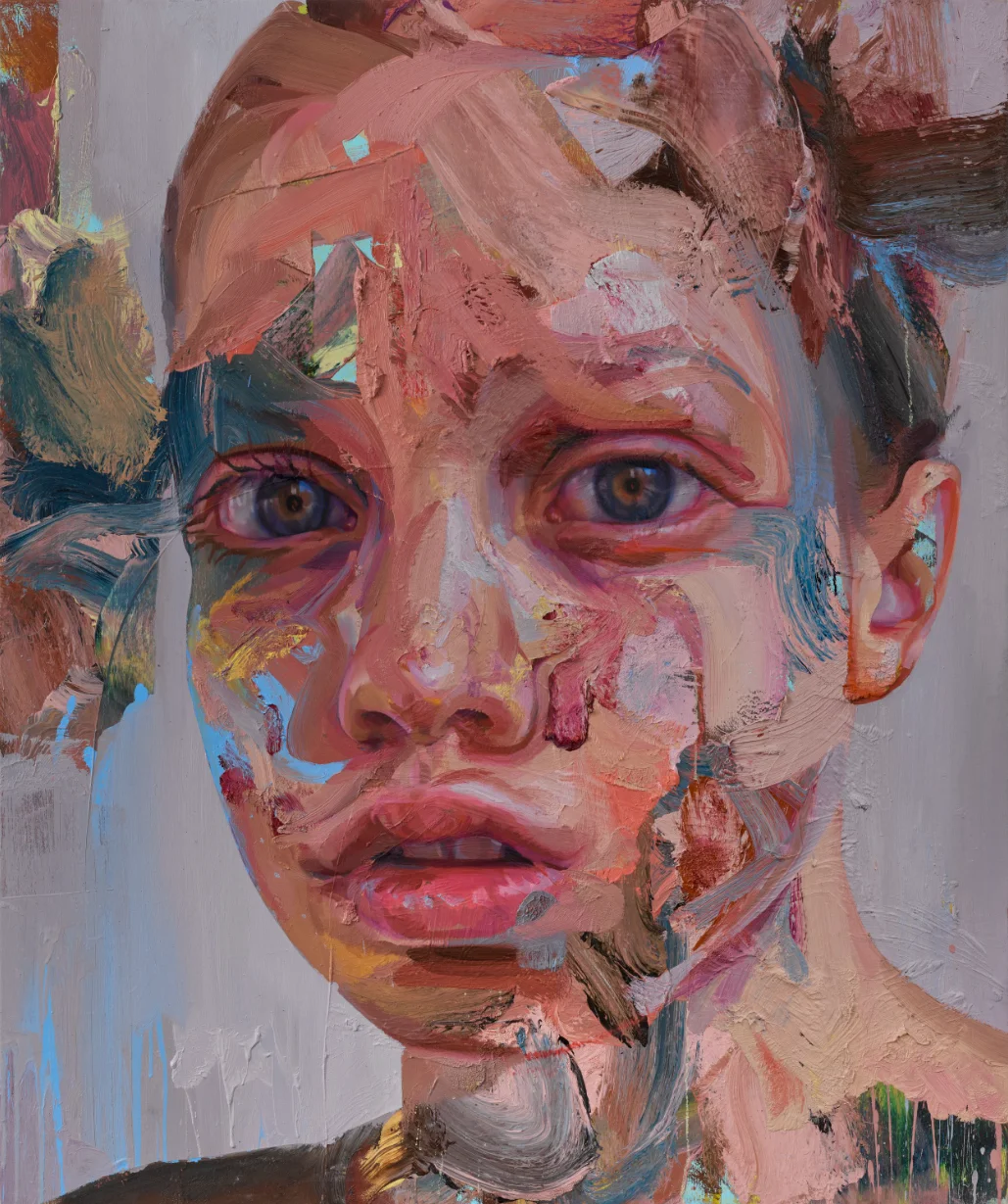
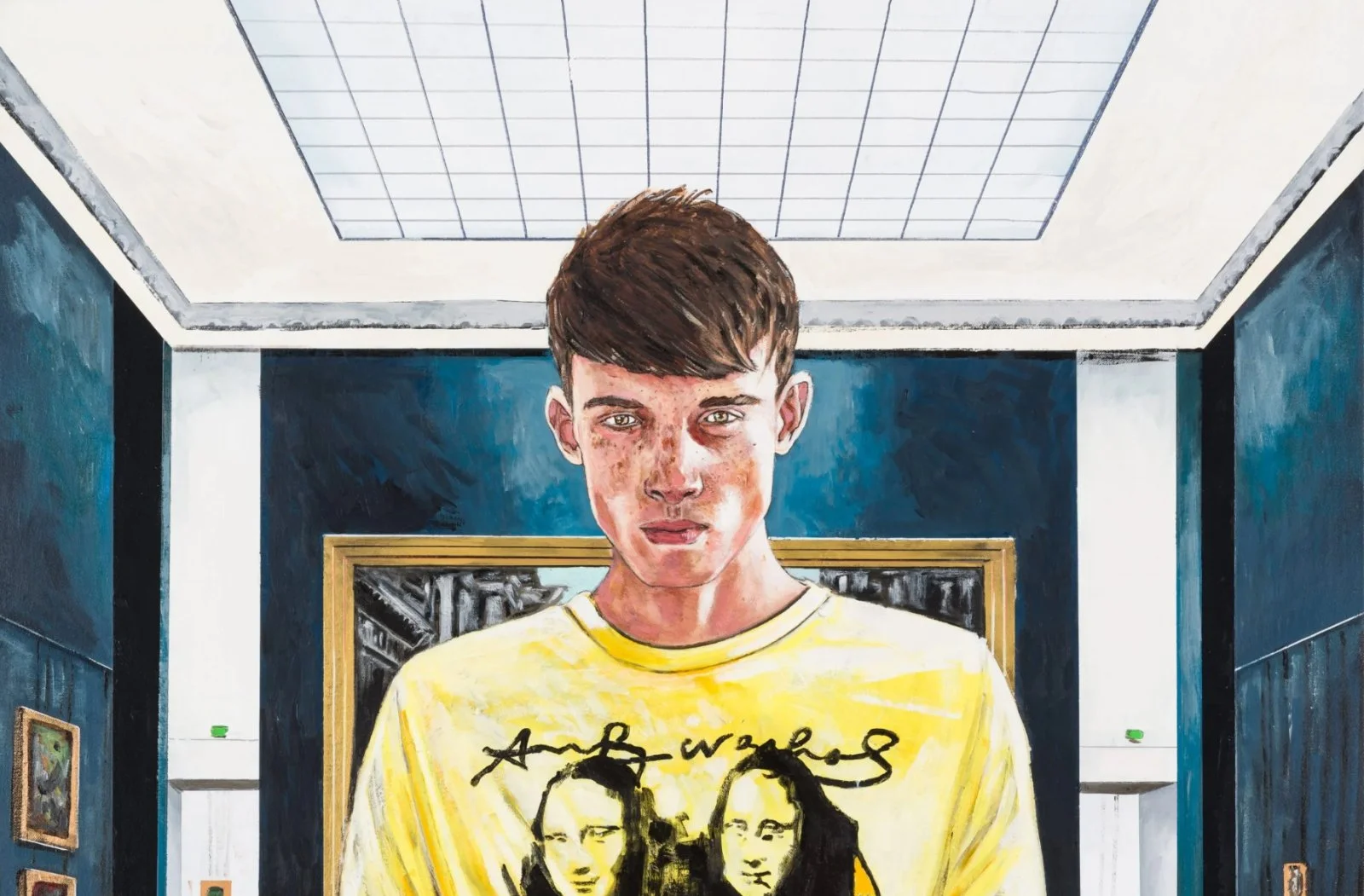
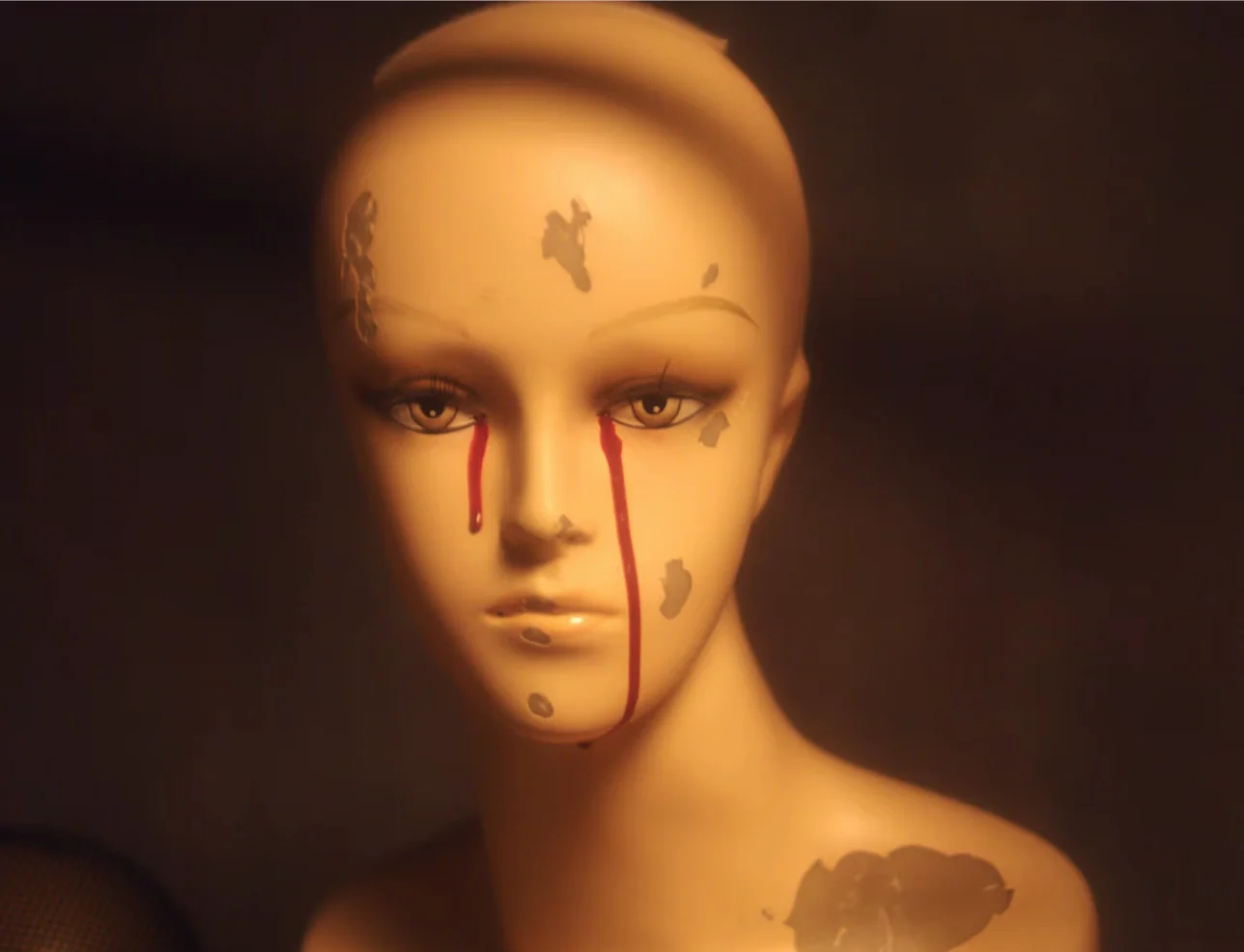
Rossetti’s work moves through recognizable figures and scenes, but it does not behave like straightforward realism. His paintings often feel suspended: intimate, slightly theatrical, and open to something dreamlike or uncanny.
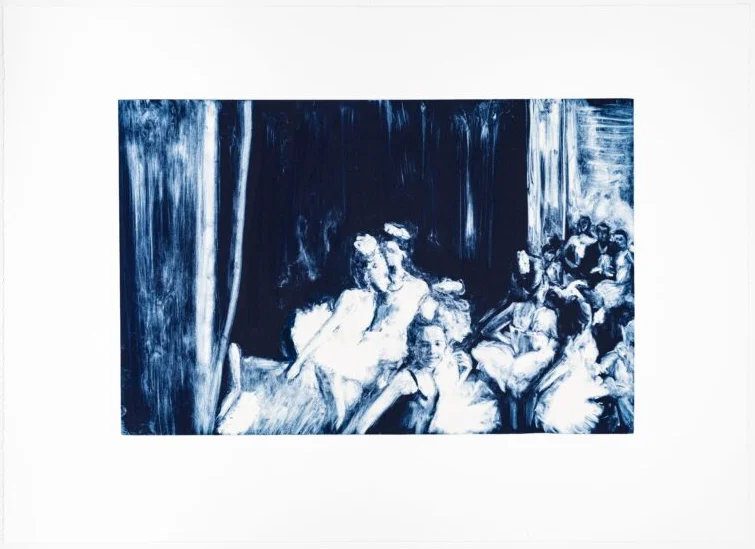
The Dead brings together a series of new paintings — among the largest Rossetti has made — alongside earlier works. The exhibition also includes blue monochrome monotypes, expanding the show beyond painting into a more intimate, memory-based visual language.
You’re watching:
- Large-scale paintings where everyday presences become almost mythic
- Friends, family and acquaintances transformed into figures charged with atmosphere
- A dialogue between Milan, New York and Venice
- Blue monotypes connected to family photographs and personal memory
- A contemporary painter using the past without becoming nostalgic
The exhibition feels like an encounter with images that refuse to stay in one time. The living, the remembered and the imagined seem to share the same room.
Worth travelling for?
Yes — especially if you are in Venice during the Biennale and want contemporary painting with psychological depth.
This exhibition matters because Rossetti works against easy classification. He uses figuration, but not in a simple narrative way. He uses memory, but not as sentimental archive. He uses art history, but without turning the work into quotation.
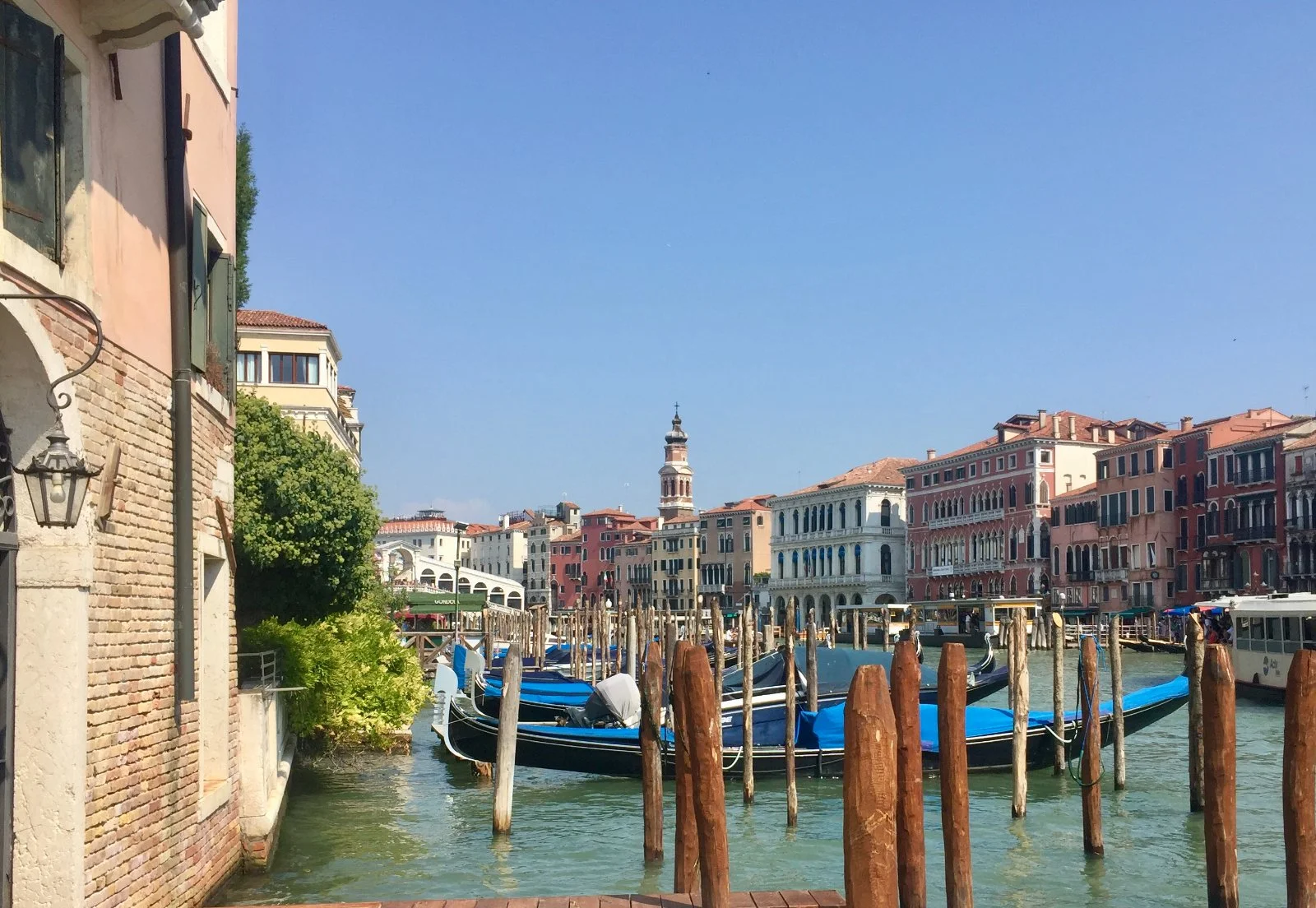
Palazzetto Tito gives the show a Venetian intimacy that fits the subject: family traces, old images, presences, ghosts, and paintings that seem to look backward and forward at the same time.
Experience as an Artlover
Don’t try to decode every figure immediately. Let the atmosphere build.
Look for the tension between intimacy and strangeness.
Move slowly between the large paintings and the blue monotypes.
Think about how family images can become something larger than private memory.
Let Venice enter the experience: this is a city where the past is never really past.
Giangiacomo Rossetti — The Dead
Artlovers relevance
Plan your visit
Hours & rating from Google