At a glance
Earth, bodies and myth collide in a major survey where sculpture becomes philosophy — and nature becomes a carrier of memory.
Why go
You'll see
Pace of visit
Don't miss

Artlovers Tip
Start with the material before the mythology. Look at the age, weight and physical history of the wood before trying to decode Gaia, archetypes or philosophical references.
Then seek out the works by Schiele and the German Expressionists inserted into the exhibition. They provide one of the smartest ways into Samsonow: suddenly her strange bodies and psychological landscapes have an art-historical family around them.
This is a strong Artlovers discovery exhibition: important, ambitious and intellectually rich, but still far outside the usual blockbuster circuit.
Artlovers relevance
Inside the exhibition
Meet the artist
Key Movements
Medium
Description
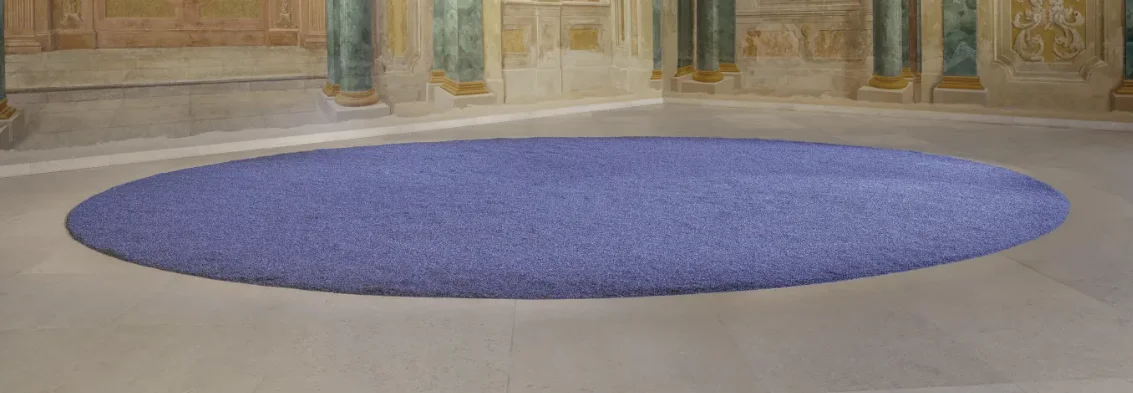
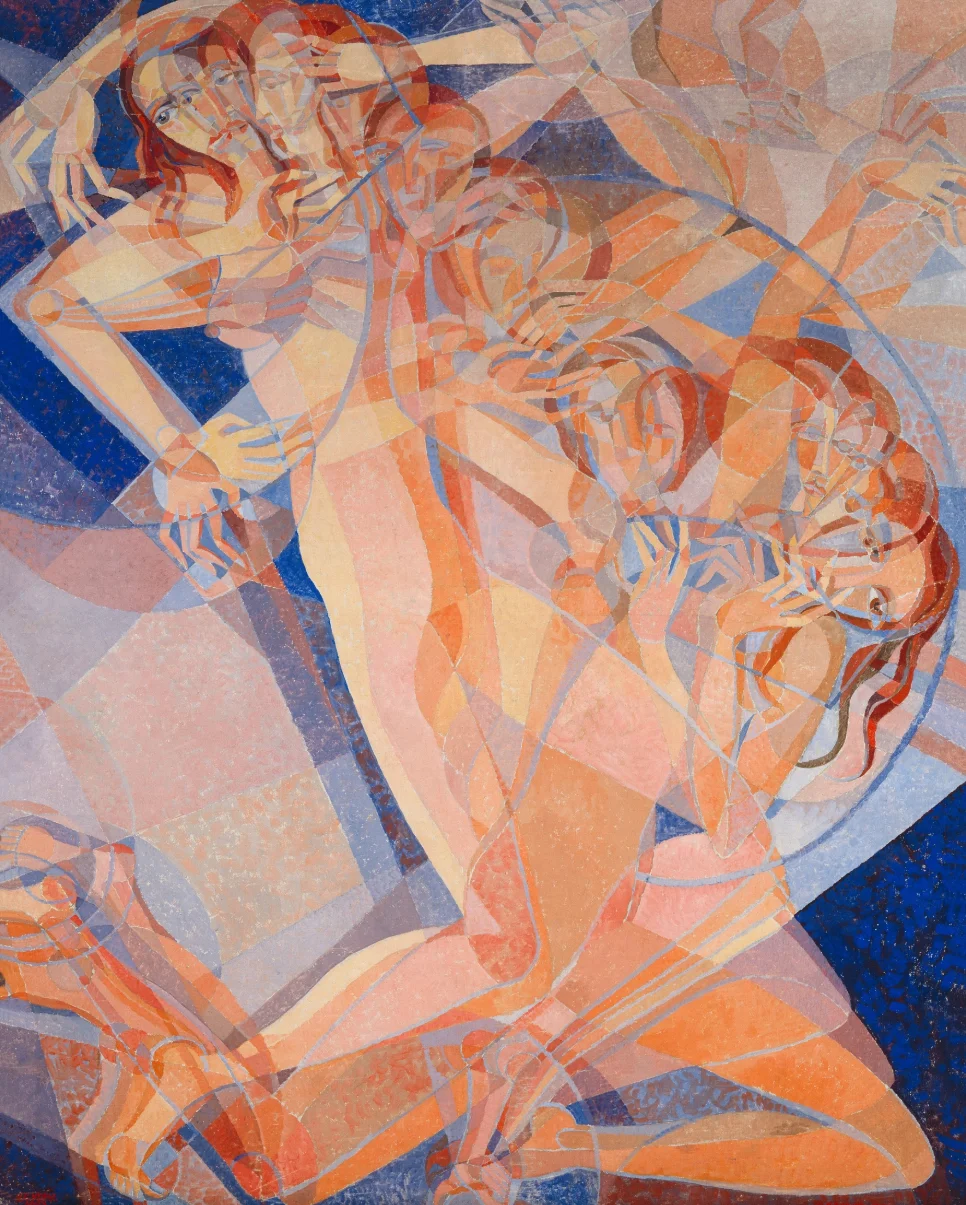
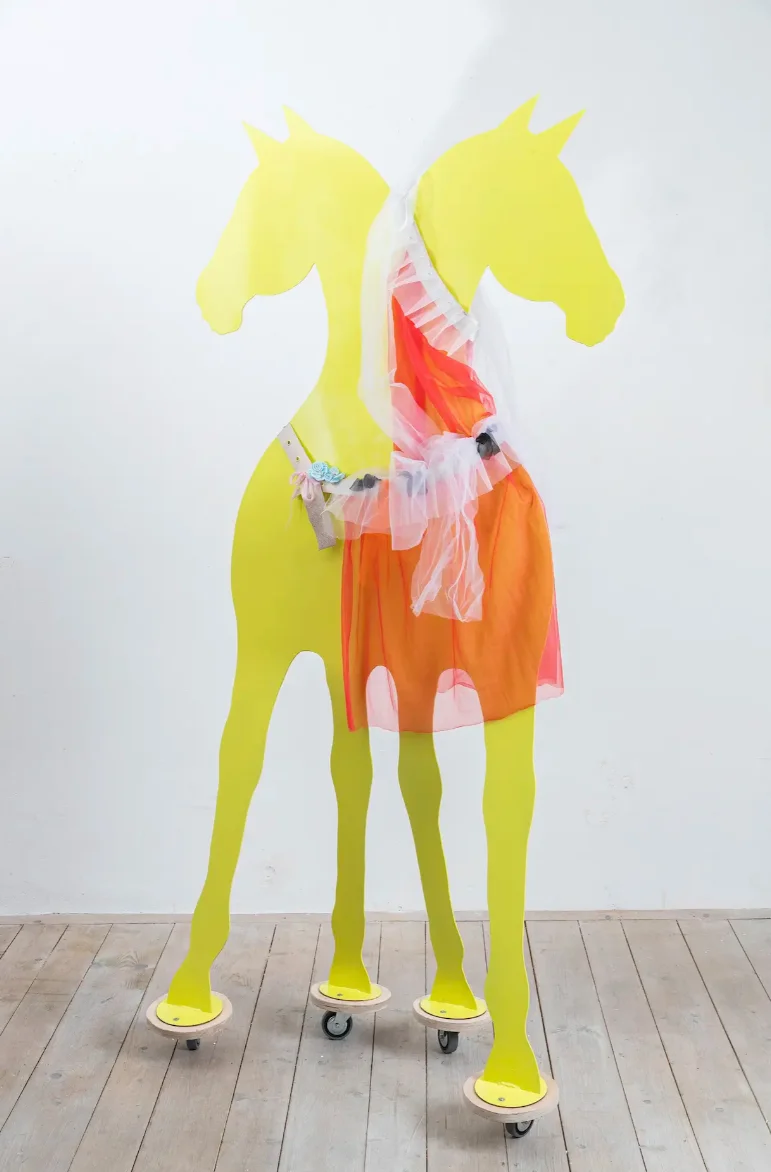
The exhibition places the earth itself at the centre of Samsonow’s practice: not simply as landscape, but as a bearer of history, energy, life and collective memory. Sculptures, image cycles and installations draw on the myth of Gaia while returning to fundamental questions around origin, birth, the body, value and transformation. Natural materials retain their own sense of time — especially the massive carved trunks — while diagrams, dream fragments and archetypal forms push the work toward something simultaneously physical and psychological.
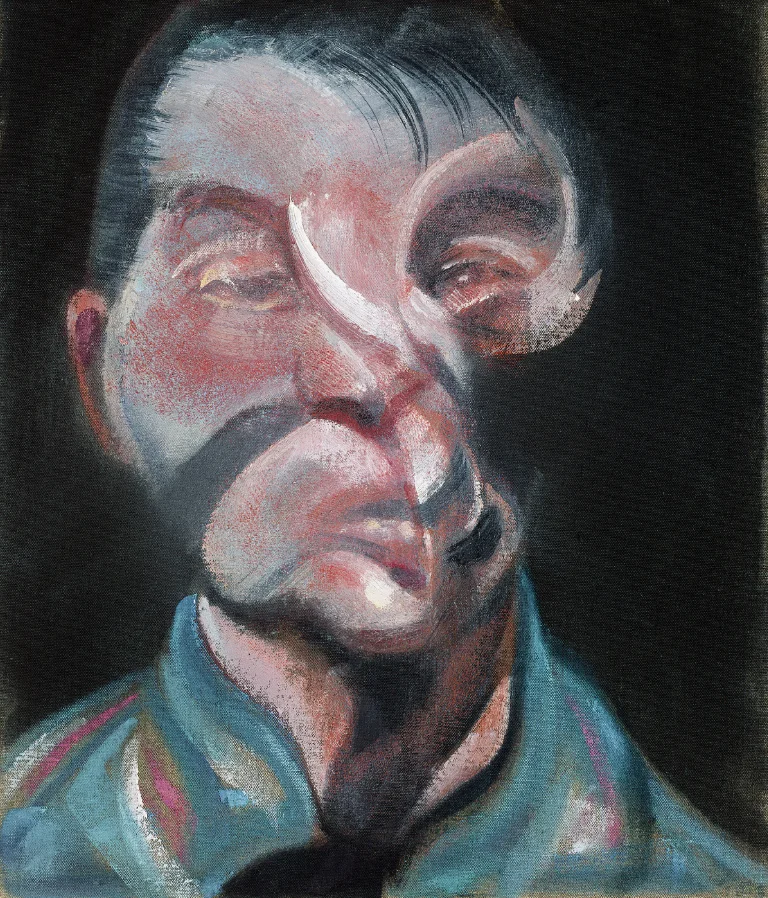
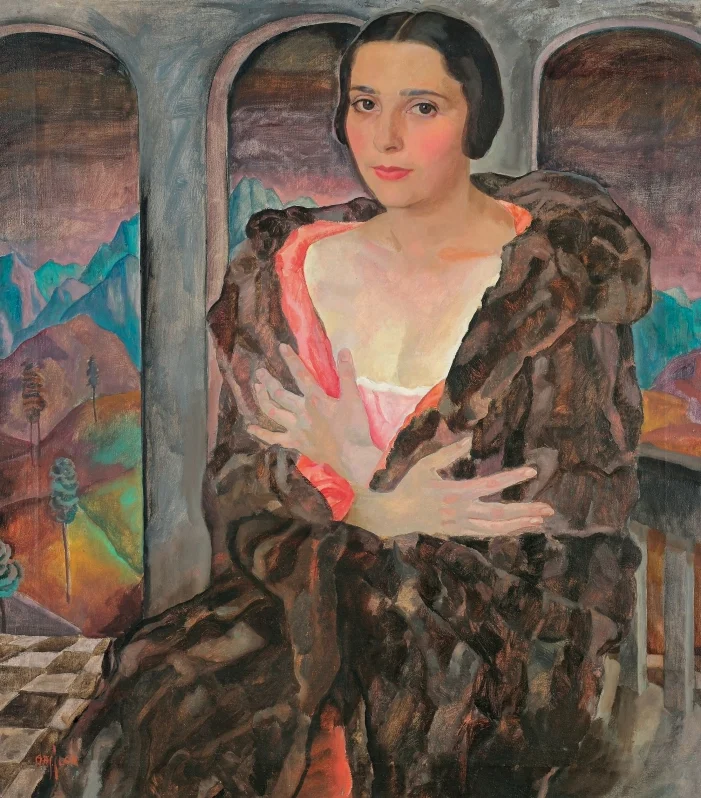
The presentation also makes an unusual connection with the Heidi Horten Collection itself. Works by Egon Schiele and German Expressionist artists are incorporated into the exhibition in response to Samsonow’s long-standing academic and artistic engagement with these figures. The result is not simply a retrospective but a dialogue between her contemporary practice and older ideas of the body, psyche and nature.
Elisabeth von Samsonow (b. 1956) is an Austrian-German artist, philosopher and professor whose practice spans sculpture, painting, performance, film and theoretical writing. Her work is known for deliberately dissolving disciplinary borders and for its engagement with feminist philosophy, ecology, mythology, psychoanalysis and the relationship between humanity and the Earth.